Wall Mounted Industrial Sockets: How to Specify 16A vs 32A, Pole Configuration, and IP67 for Real Sites
Wall-mounted industrial sockets are often treated as "standard hardware," yet they sit at the center of reliability: if the socket overheats, loosens, or allows ingress, everything downstream becomes a maintenance problem. Choosing correctly is less about picking a part number and more about matching load, system type, and environment to the right configuration.
1) Start With Load: When 16A Is Enough—and When 32A Is the Safer Call
The most common mistake is selecting by what's "usually installed" rather than what the circuit will actually see.
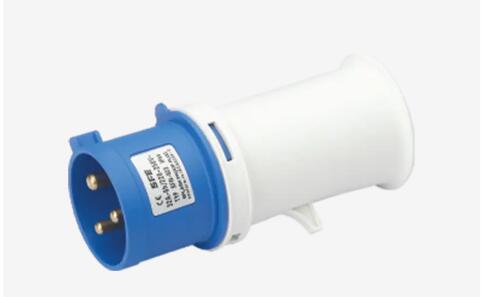
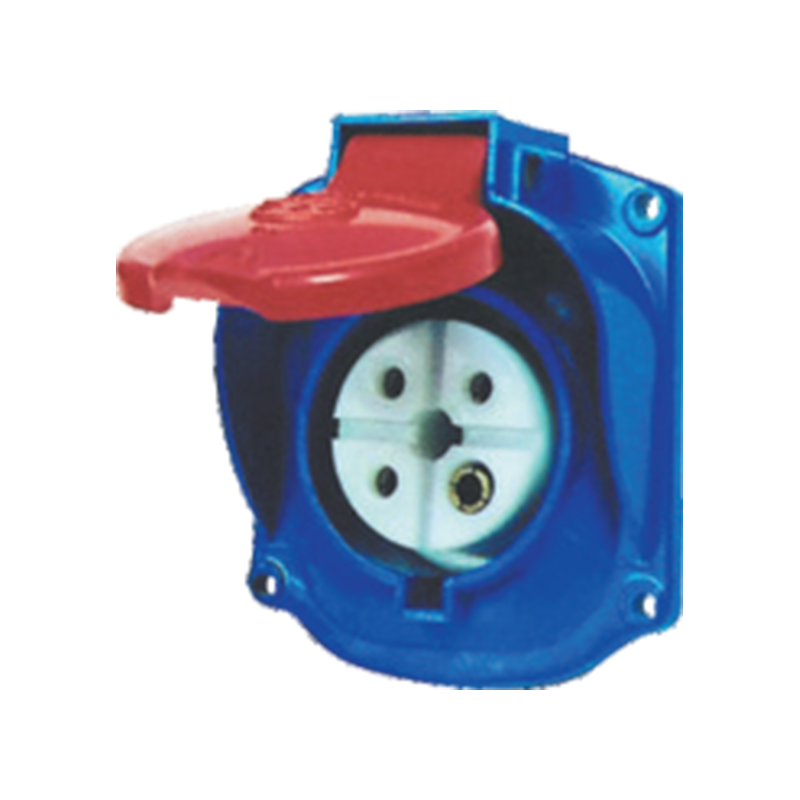
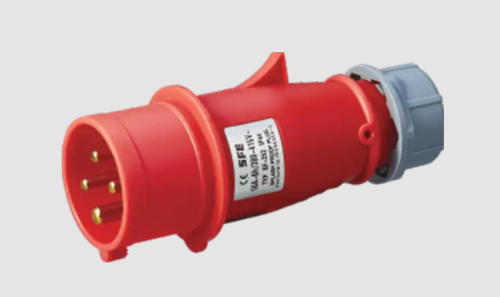
- A 16A Wall Mounted Socket is typically used for lighter industrial loads, small machinery, service tools, and general-purpose distribution where current draw is controlled and cable runs are modest.
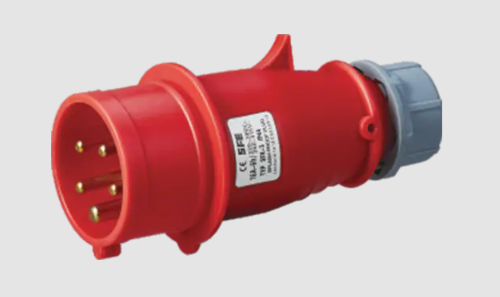
- A 32A Wall Mounted Socket becomes the practical choice when equipment demand is higher, duty cycles are longer, or the connection will be used as a frequent plug-in point for portable distribution and machines.
In real operations, moving up to 32A where loads are borderline can reduce heat-related failures and contact wear over time—especially in locations with frequent connect/disconnect cycles.
2) Choose the Right Poles: 2P+E vs 3P+N+E (and Why It Matters)
Pole configuration should follow the supply and the equipment:
- 2P+E is common for single-phase equipment where you need live + neutral + protective earth.
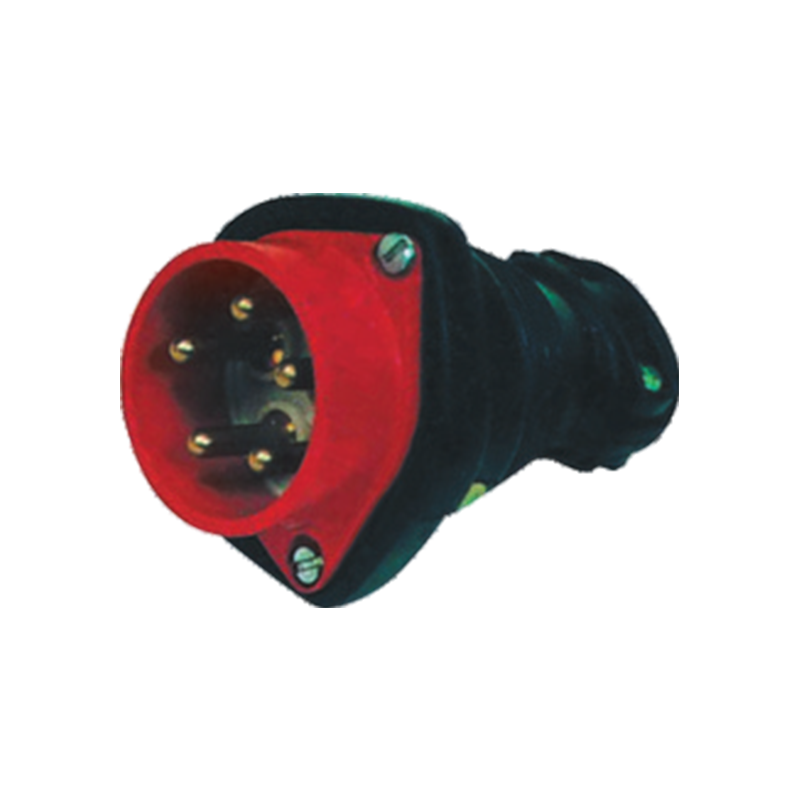
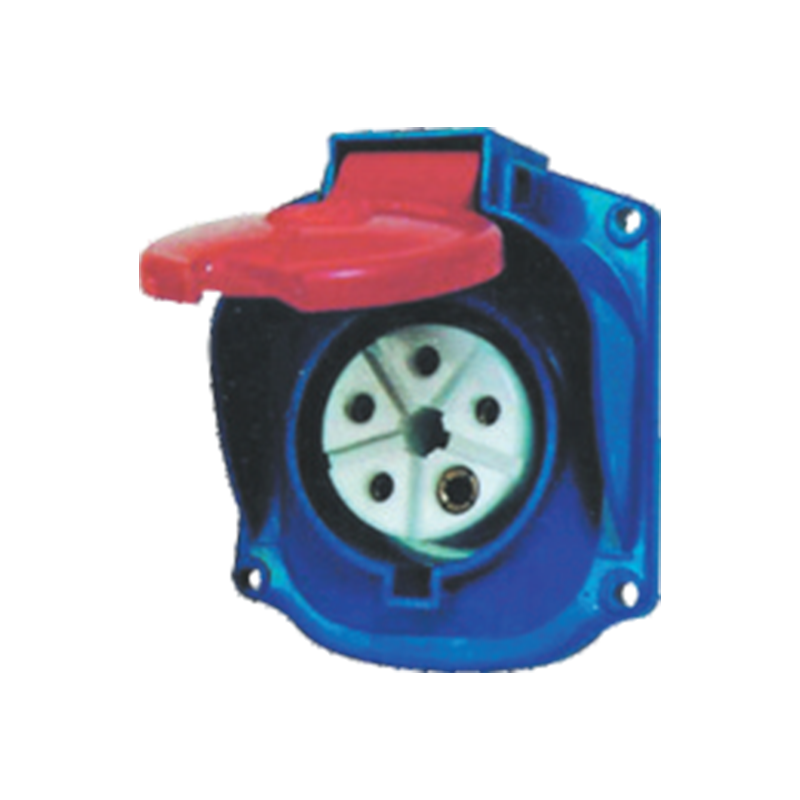
- 3P+N+E is widely used for three-phase distribution where neutral is required (many mixed loads and distribution boards depend on it).
Getting poles wrong doesn't just cause installation delays—it can encourage unsafe "workarounds" on site. Spec the poles based on the system diagram and the real connected loads, not only on what looks similar in the panel.
3) Earth Position (Clock System): Avoid Mating Mismatches
Many industrial sockets use the earth contact "clock position" (such as 6h or 4h) to prevent incompatible voltage/frequency combinations from being mated. For maintenance teams, this is a quiet but powerful safety feature: correct selection reduces accidental cross-connection when multiple supplies exist in the same facility.
4) IP Rating and Placement: When IP67 Pays for Itself
If the socket will be exposed to washdown, rain, heavy dust, or wet floors, IP protection becomes a reliability decision, not a marketing label.
IP67 options are often preferred for outdoor boards, food-processing areas, and construction environments where ingress is the main cause of faults.
Placement still matters: cable entry sealing, gland selection, and strain relief affect performance as much as the socket face.
A well-specified IP67 wall mount point can dramatically cut nuisance trips and corrosion issues in harsh zones.
5) Customization: What Engineers Typically Request
For project work—especially OEM panels, rental power, or large installations—customization often focuses on practical fit and consistency:
- Current rating and pole combinations aligned to the equipment list
- Marking/labeling for faster identification during maintenance
- Enclosure/interface adaptations to match panel layouts or distribution boxes
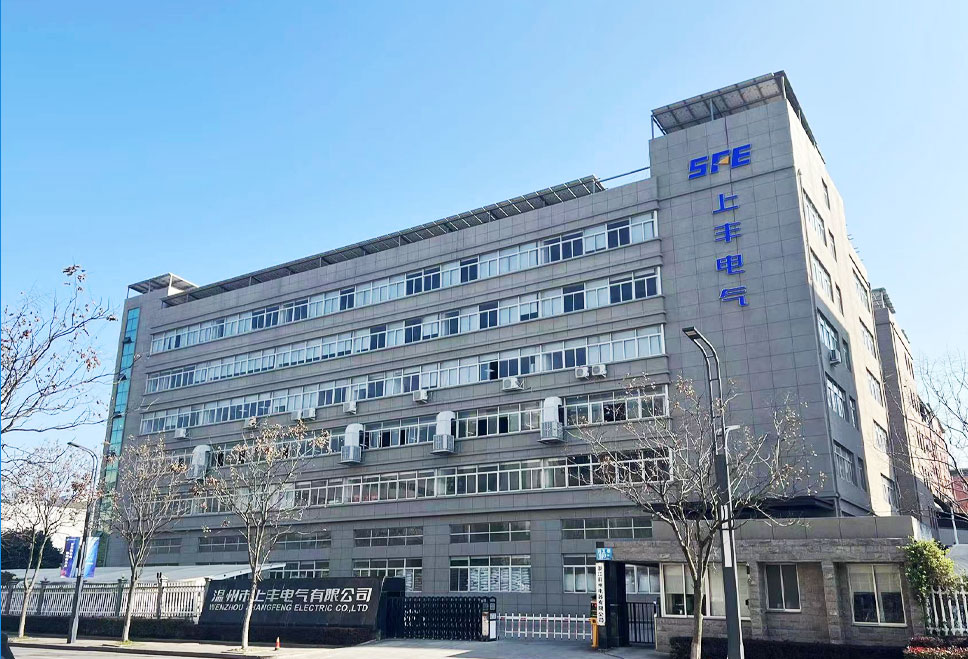
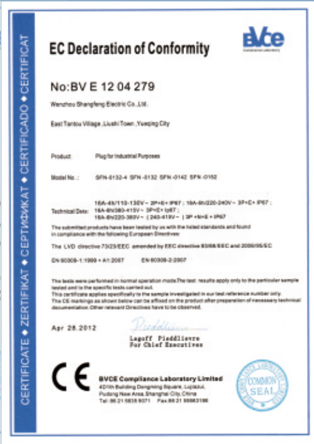
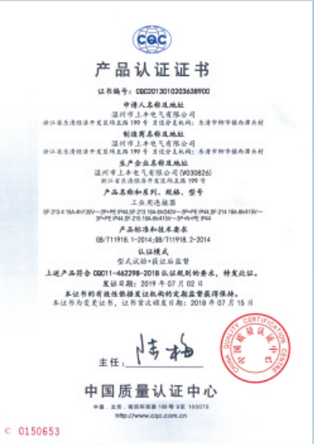
SFE (WENZHOU SHANGFENG ELECTRIC CO., LTD) supports corresponding customization based on customer parameters, helping standardize installations while meeting the demands of real industrial sites.

 English
 Español
 中文简体
中文简体