
 English
 Español
 中文简体
中文简体
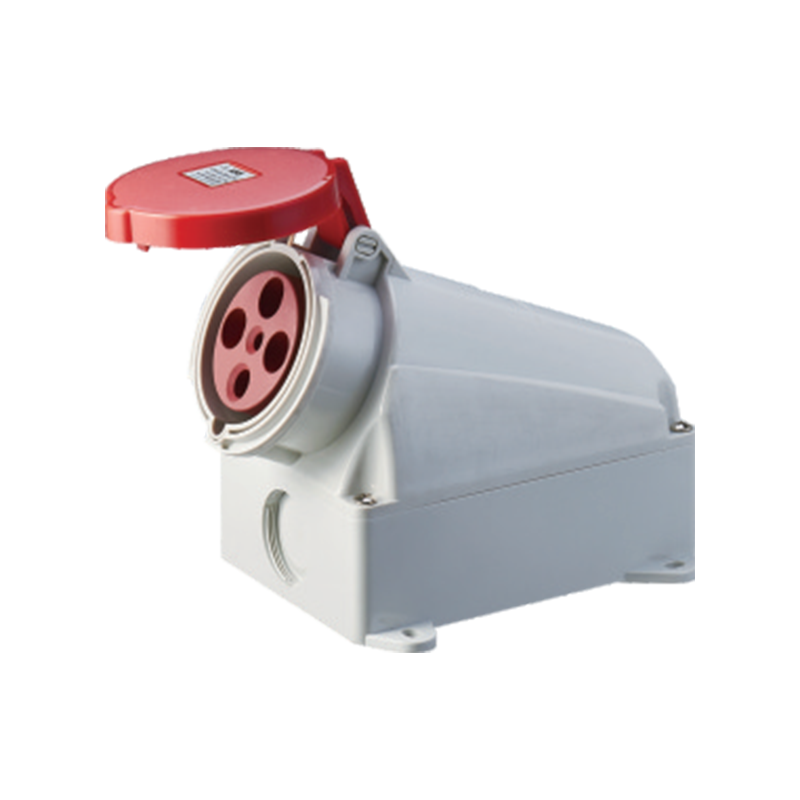

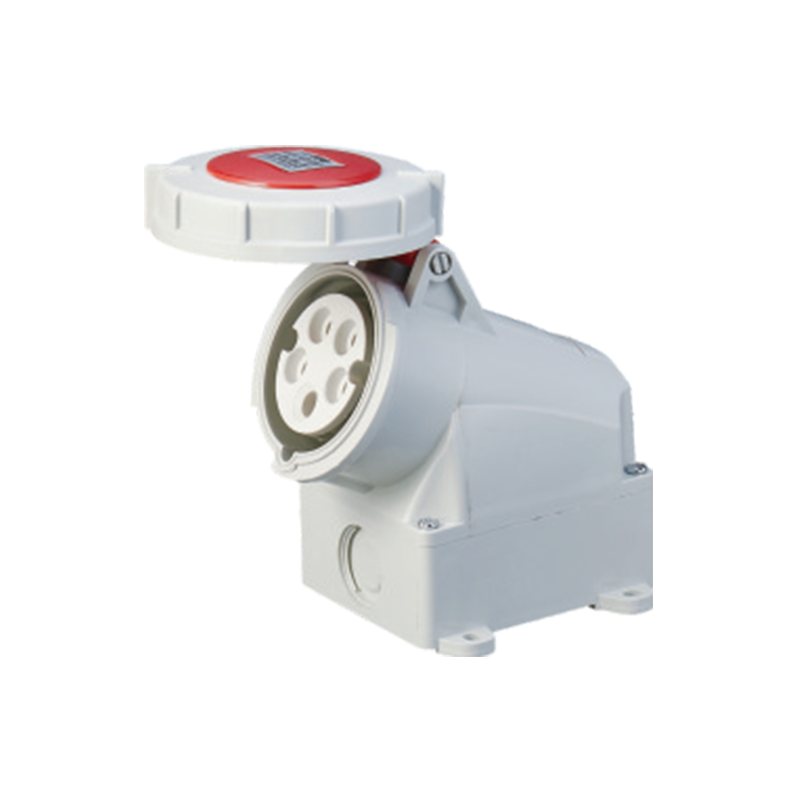
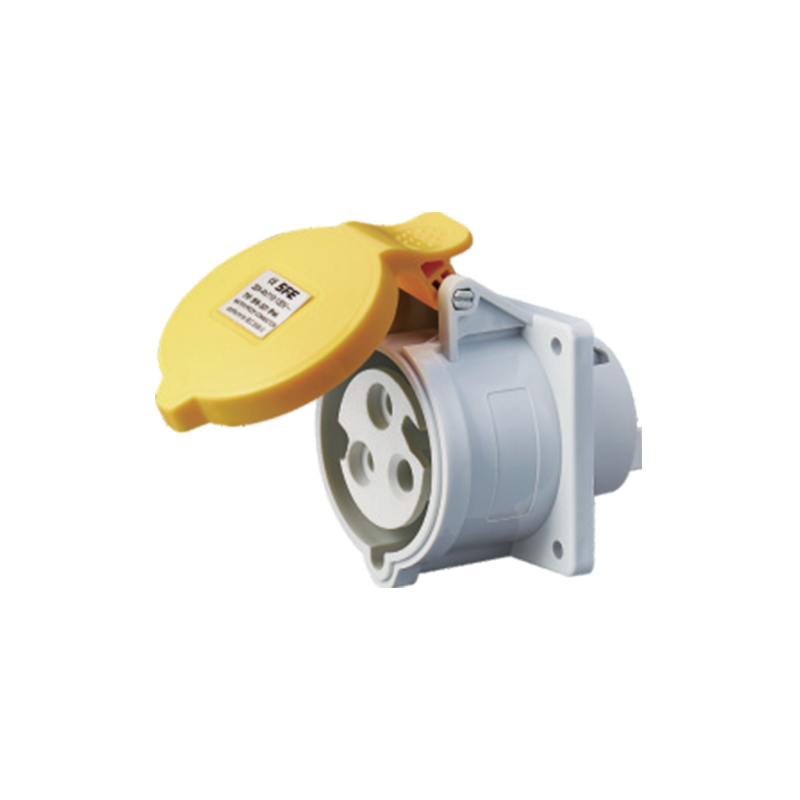
Address: No. 199, Weiwu Road, Yueqing Economic Development Zone, Zhejiang Province, China.
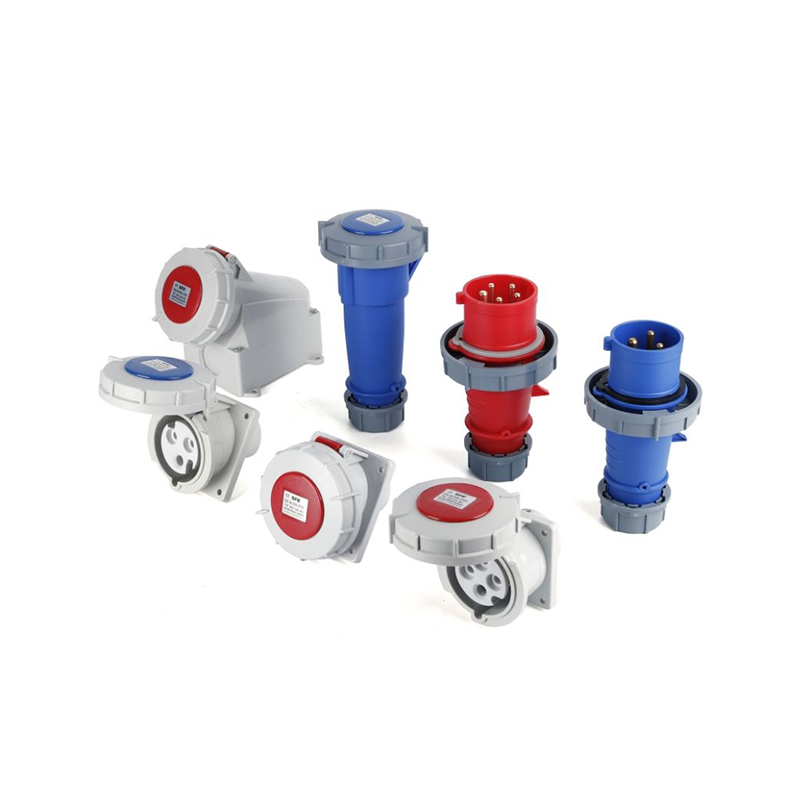
More and more places these days are using their own local power systems. Things like business parks, university campuses, factories, and small remote towns are setting up what are called microgrids. A microgrid is a small-scale power system that can work on its own or connect to the main utility grid. It pulls power from different places. There might be solar panels on rooftops. There could be wind turbines nearby. Often there are diesel generators for backup. Big batteries store energy for later. And of course, there is still a connection to the main utility grid. All these parts have to work together smoothly. In this kind of setup, the parts that connect everything together, like Industrial Plugs and the 3 Phase Industrial Plug, matter a lot. They are not just minor details. They play a big role in keeping voltage steady, moving power around safely, and making sure the whole system keeps running without problems.
People often focus on the high-tech stuff. They talk about power electronics, inverters, and control software. But the physical plug where one piece of equipment connects to another is just as important. How well that plug works affects how well the whole microgrid runs, especially when the amount of power being made or used keeps changing.
What Makes Power Stability Hard in a Microgrid
A microgrid is not like the big, centralized power grid that covers a whole region. It is smaller. And because it is smaller, it feels the effects of changes more quickly. Sometimes the sun is shining bright, and the solar panels are making lots of power. Then a cloud comes over, and power drops fast. Sometimes the wind is blowing hard. Sometimes it is calm. Sometimes people are using a lot of power for air conditioning or running machines. Sometimes they are not. Batteries are always switching between charging up and sending power out.
All this starting and stopping, going up and down, creates challenges for the electrical system. Voltage can go up or down when it should not. The load on the three phases can get out of balance. Harmonics, which are distortions in the power wave, can show up. Sometimes there are short bursts of too much power.
Even when the digital controllers are doing their job, bad physical connections can cause trouble. If a plug is loose or worn out, it adds resistance. Resistance turns into heat. Heat can damage the connection. Sometimes the contact becomes intermittent, meaning it connects and disconnects rapidly. This can create little arcs of electricity. Over time, all these issues can make the voltage wobble in different parts of the microgrid.
Because a microgrid often has to switch between being connected to the main grid and running on its own, the connections have to be really reliable during those switches. How solid the plug connection is affects how smoothly the equipment moves from one mode to the other.
Why Three-Phase Power Matters in These Local Grids
Three-phase power is the standard for many commercial and industrial microgrids. Compared to single-phase, three-phase systems handle loads in a more balanced way. The power delivery is smoother. When you spread the load evenly across all three phases, the voltage stays more steady. The wires do not heat up as much.
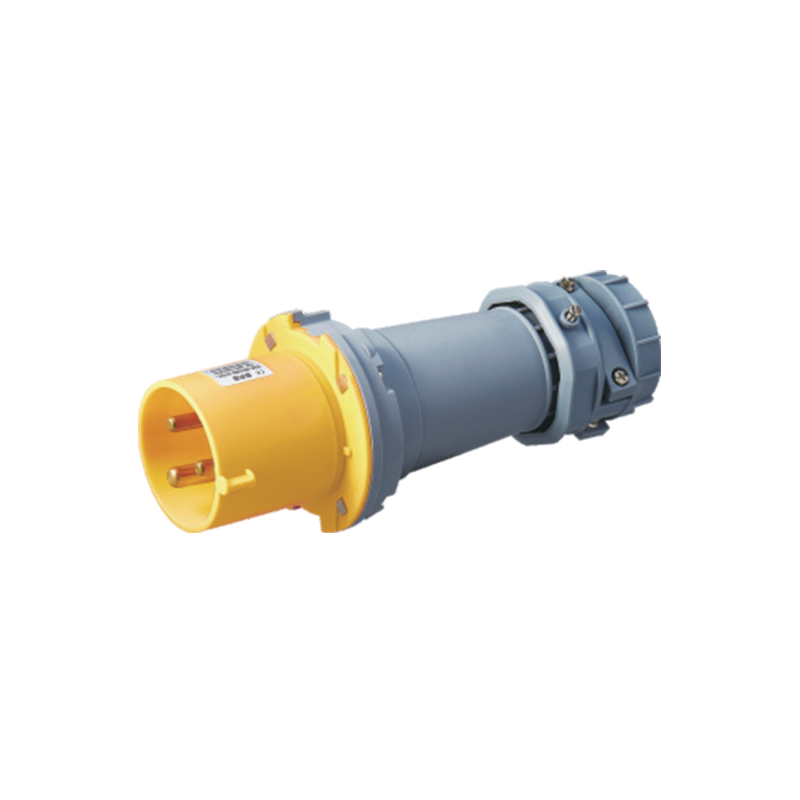
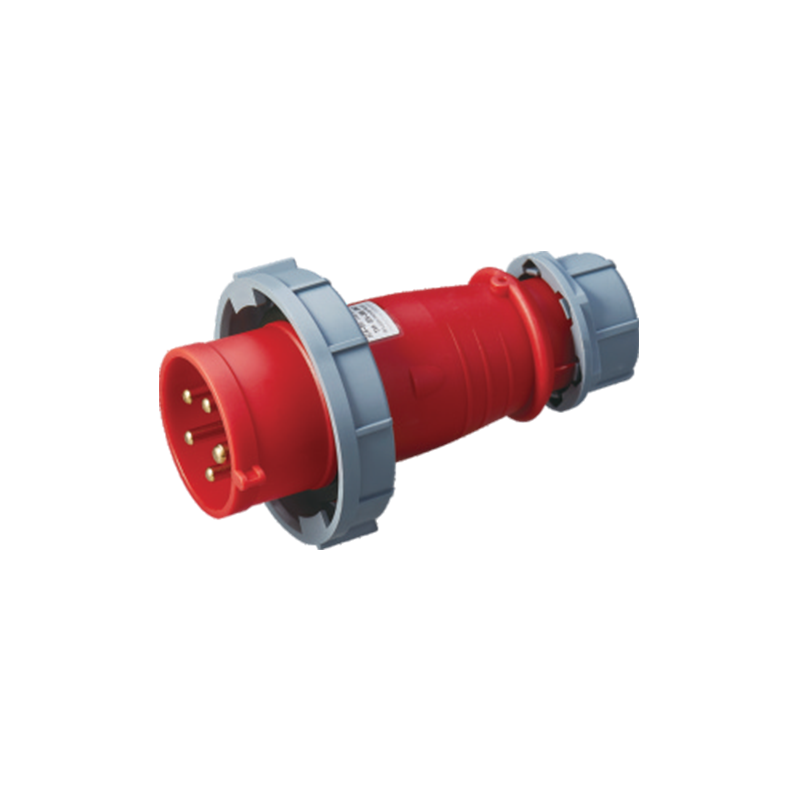
A 3 Phase Industrial Plug is made to work with this kind of three-phase setup. It keeps the phases lined up the right way. It provides a solid ground connection. This helps create a stable link between power sources and the things that use power. In a microgrid, these plugs might connect:
- The output from solar inverters.
- Backup generator systems.
- Big battery storage units.
- The sub-panels that send power out to different areas.
- Large equipment that uses a lot of power.
Getting the phase alignment right is important. If motors, pumps, or compressors are connected wrong, they will not run right. They might overheat or fail. Also, when current is balanced across the three wires, no single phase gets overloaded. This keeps the whole system running better, whether it is busy or slow.
