
 English
 Español
 中文简体
中文简体


Address: No. 199, Weiwu Road, Yueqing Economic Development Zone, Zhejiang Province, China.
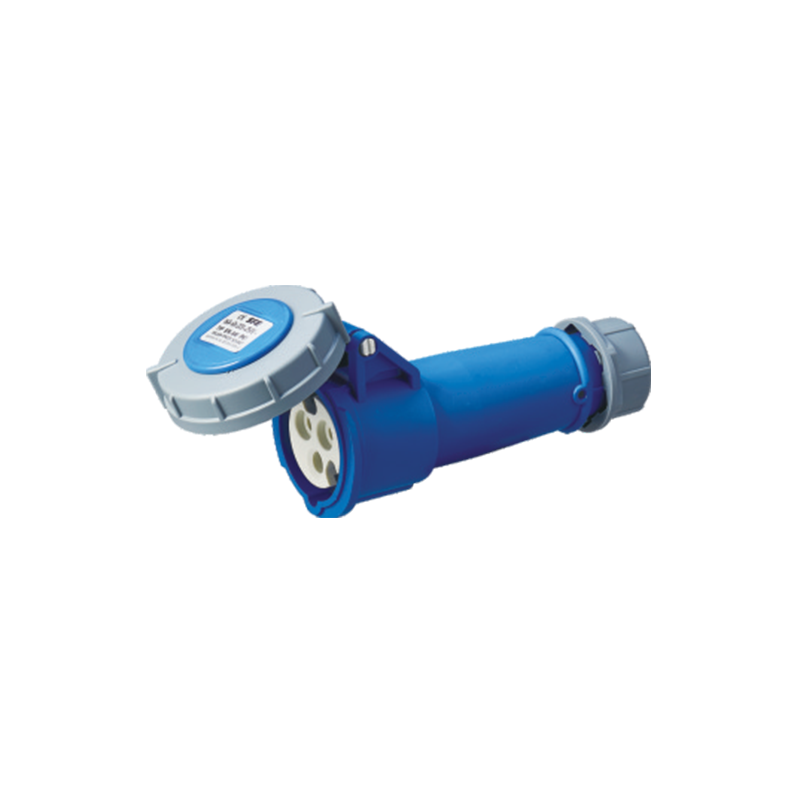
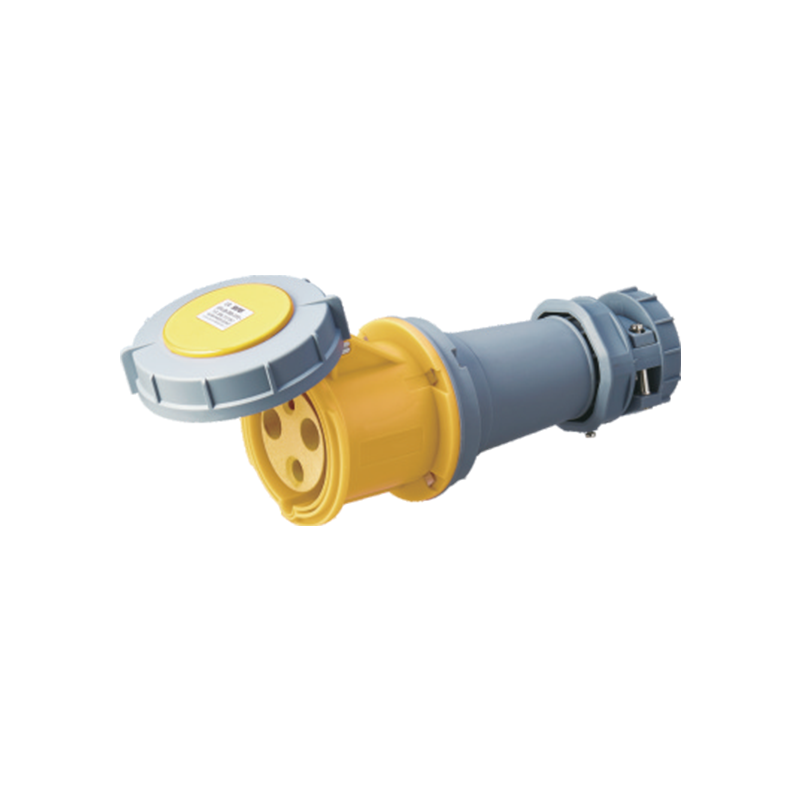
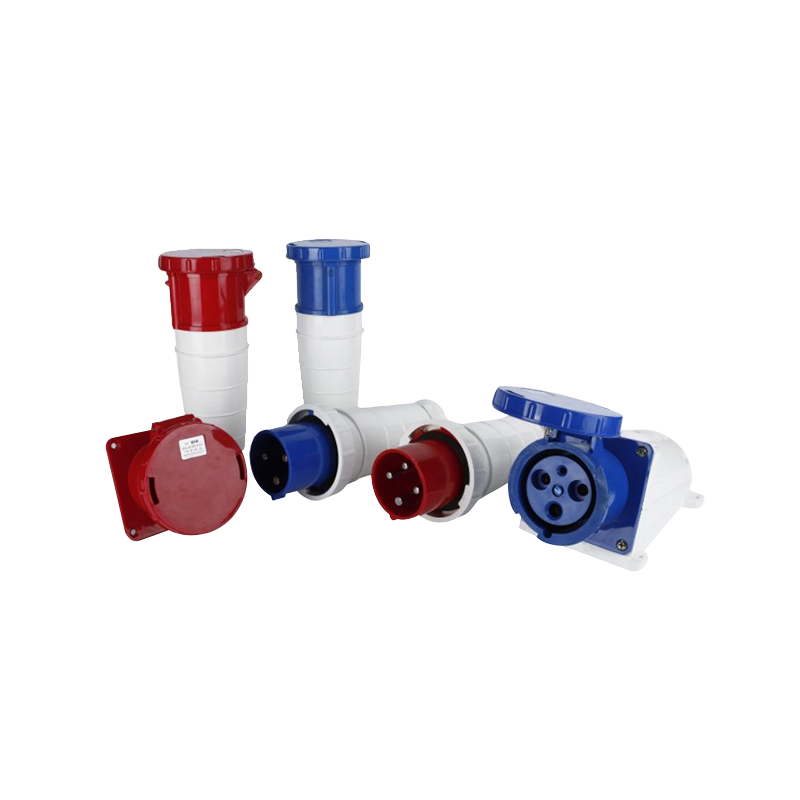
Production layouts change more frequently than before. Manufacturing lines are adjusted to accommodate new orders, temporary project sites are established for limited durations, and rented facilities are reorganized as operational needs shift. In these situations, connection systems such as Industrial Plugs and the 3 Phase Industrial Plug become central to how efficiently equipment can be relocated. Rather than relying on permanent wiring methods that require dismantling and rewiring, plug-based power interfaces provide a structured way to disconnect, move, and reconnect machinery with controlled downtime.
Fast relocation is not only about saving time. It also involves maintaining electrical safety, preserving equipment condition, and ensuring stable performance once machinery is reinstalled. Three-phase industrial plug systems are designed to address these practical requirements in commercial and industrial environments.
Changing Production Layouts and Mobility Demands
Modern industrial operations often adopt modular production strategies. Instead of fixed lines that remain unchanged for years, many facilities reorganize machinery to respond to new contracts, workflow improvements, or seasonal demand. Equipment such as CNC machines, compressors, injection molding systems, packaging lines, and processing units may need to be moved across workshops or even transferred to different sites.
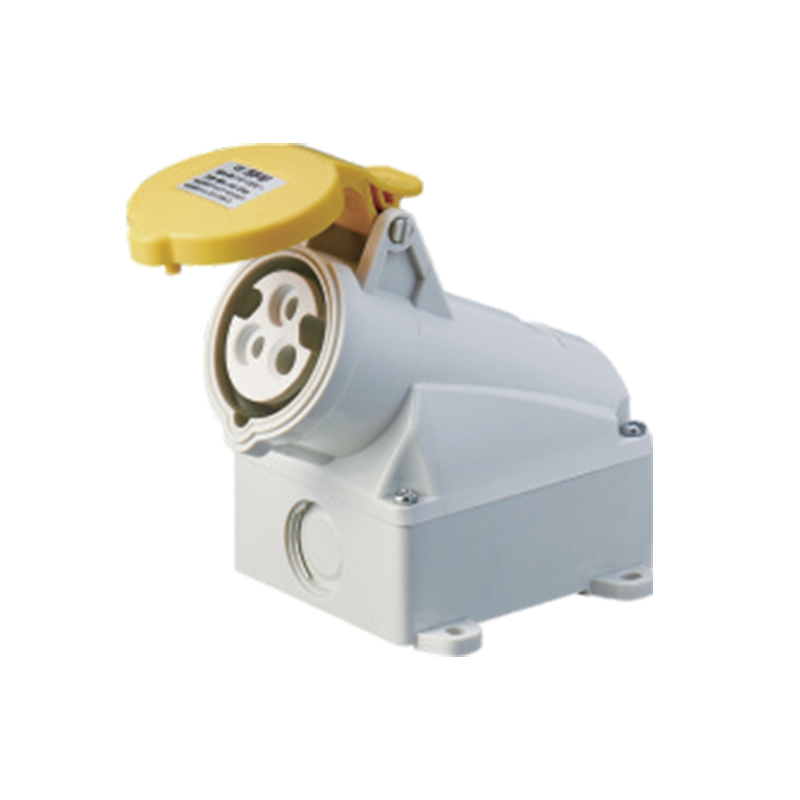
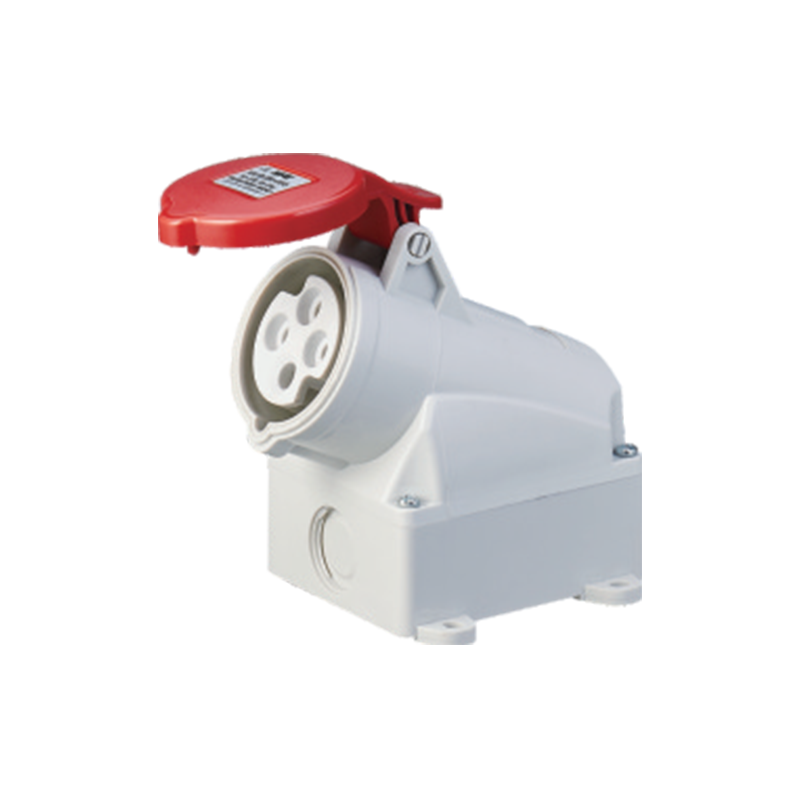
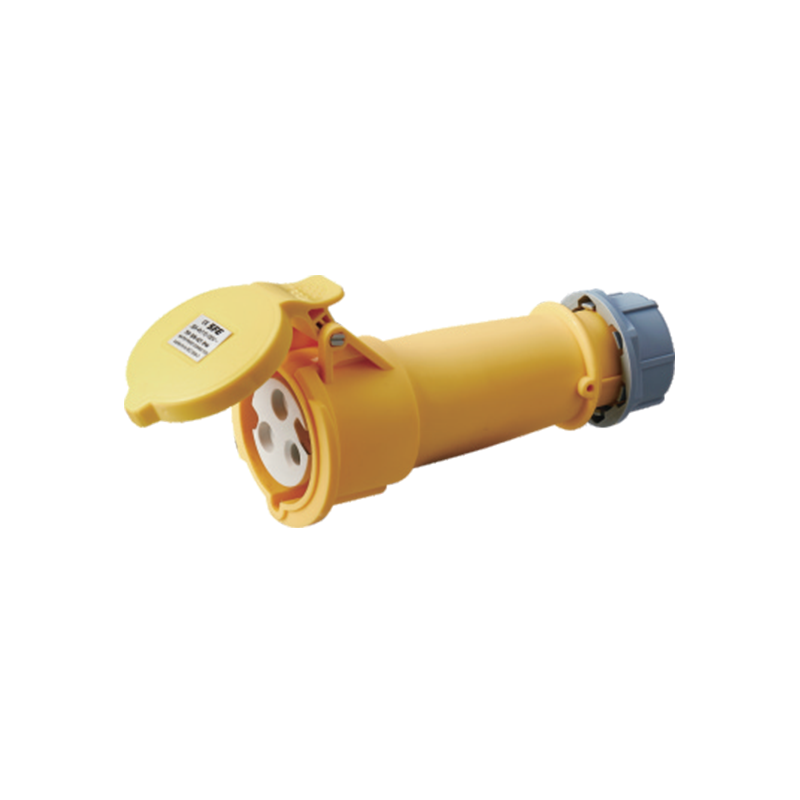
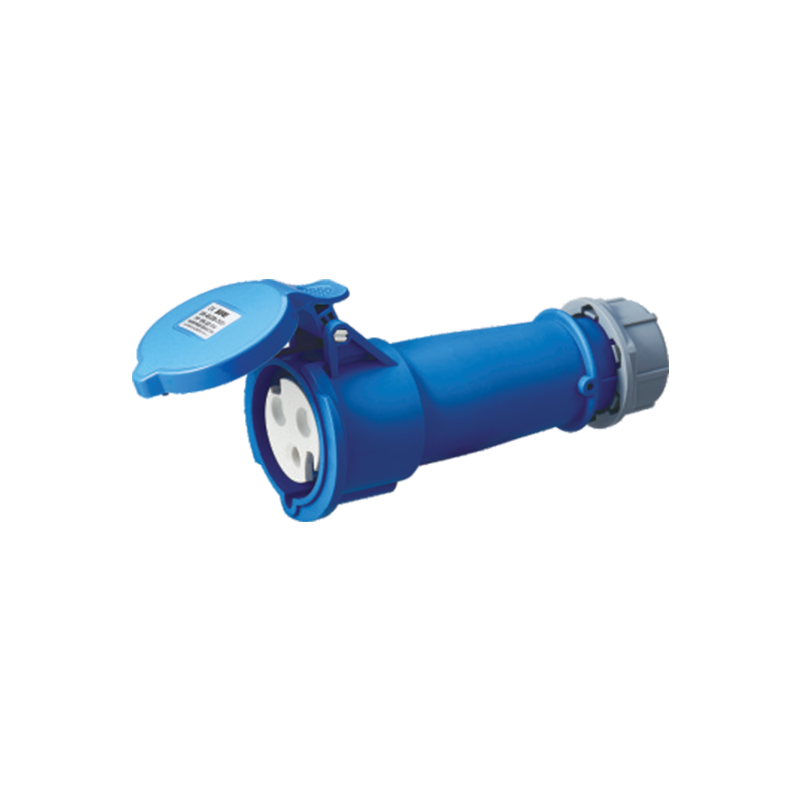
In a hardwired configuration, relocation typically involves shutting down the circuit, disconnecting cables inside distribution panels, pulling wiring through conduits, and reinstalling new connections at the destination. This process consumes time and increases the risk of wiring errors. By contrast, a structured plug-and-socket system reduces the complexity of disconnection and reconnection. A 3 Phase Industrial Plug allows machinery to be isolated electrically, unplugged, transported, and reconnected at a prepared outlet with fewer procedural steps.
Because many heavy-duty machines operate on three-phase power, maintaining correct phase alignment during relocation is essential. Industrial plug systems are engineered to preserve phase orientation, supporting consistent equipment behavior after reinstallation.
Mechanical Design Features That Enable Quick Disconnection
The ability to relocate equipment efficiently depends heavily on the mechanical characteristics of the connection system. Industrial plug assemblies are designed with user-operated locking and release mechanisms that support controlled removal without exposing live conductors.
Typical design elements include:
- Twist-lock or latch-lock mechanisms that secure the connection during operation
- Clearly marked phase and voltage identification to prevent incorrect pairing
- Dedicated earth contact positioning that engages before live conductors
- Robust housing materials capable of withstanding handling and transport
- Cable strain relief structures that protect internal conductors
These features allow maintenance teams to disconnect equipment without dismantling panel boards. Once the power supply is isolated through upstream breakers, the plug can be removed safely, and the cable remains attached to the machine. This simplifies the physical relocation process and reduces the chance of conductor damage.
Reducing Downtime During Layout Adjustments
Time management is often the primary concern during equipment relocation. Production schedules may allow only limited shutdown windows. Plug-based power interfaces shorten the preparation stage because no rewiring inside distribution cabinets is required when compatible sockets are already installed at the new location.
Instead of engaging an electrician to terminate cables directly into terminal blocks, technicians can reposition machinery and reconnect it using pre-installed outlets. This structured approach supports staged relocation plans, where some equipment continues operating while other units are being moved.
Furthermore, troubleshooting after relocation becomes more straightforward. If equipment fails to start, inspection focuses on plug integrity, cable condition, and upstream supply rather than rechecking newly terminated wiring connections. This reduces uncertainty and helps restore operation more efficiently.
Electrical Consistency After Reconnection
Relocating heavy machinery introduces concerns about electrical consistency. Incorrect phase sequence can cause motors to rotate in the wrong direction, affecting pumps, conveyors, and compressors. Three-phase industrial plugs are manufactured with fixed pin configurations that maintain phase orientation when matched with corresponding sockets.
Because the plug design physically defines conductor positions, the likelihood of phase reversal during reconnection is reduced. This consistency is particularly important when moving motor-driven systems that cannot tolerate reverse rotation.In addition, contact pressure within industrial connectors supports stable current flow once reconnected. Consistent electrical engagement reduces the chance of intermittent operation due to loose terminals. Over time, this mechanical stability contributes to predictable performance following relocation.
