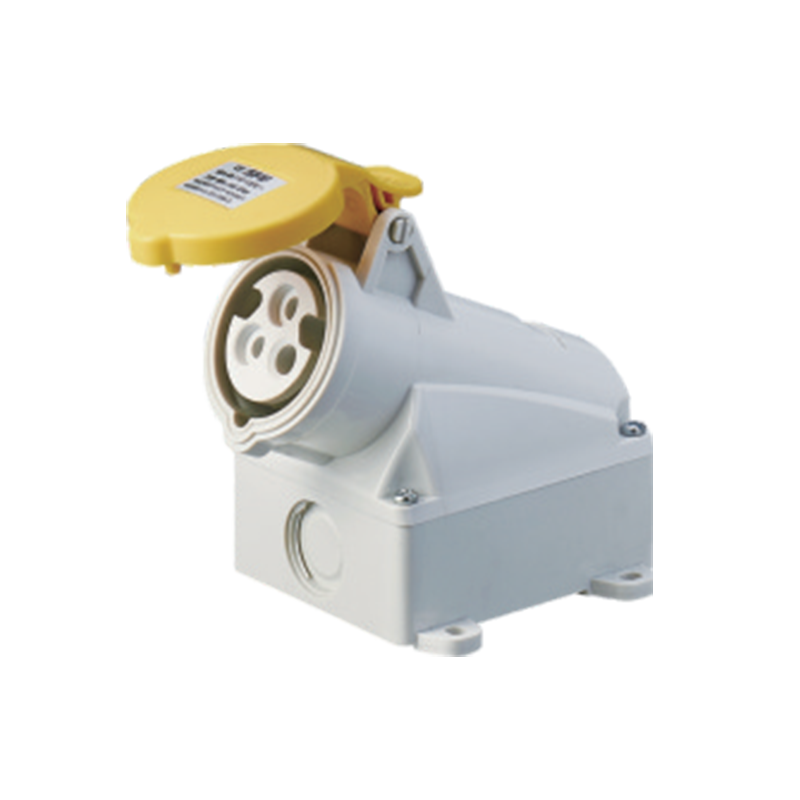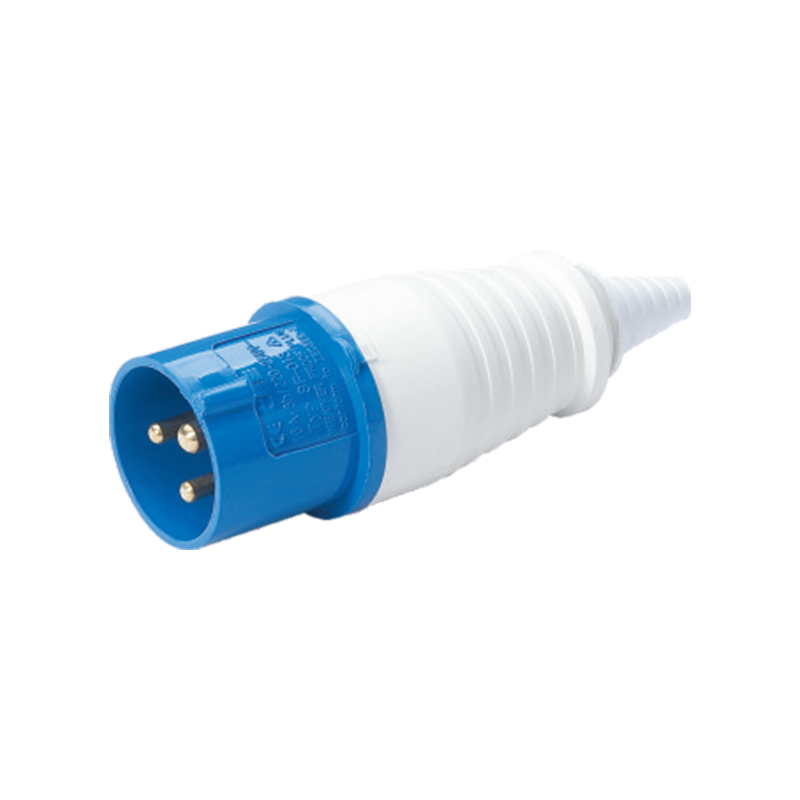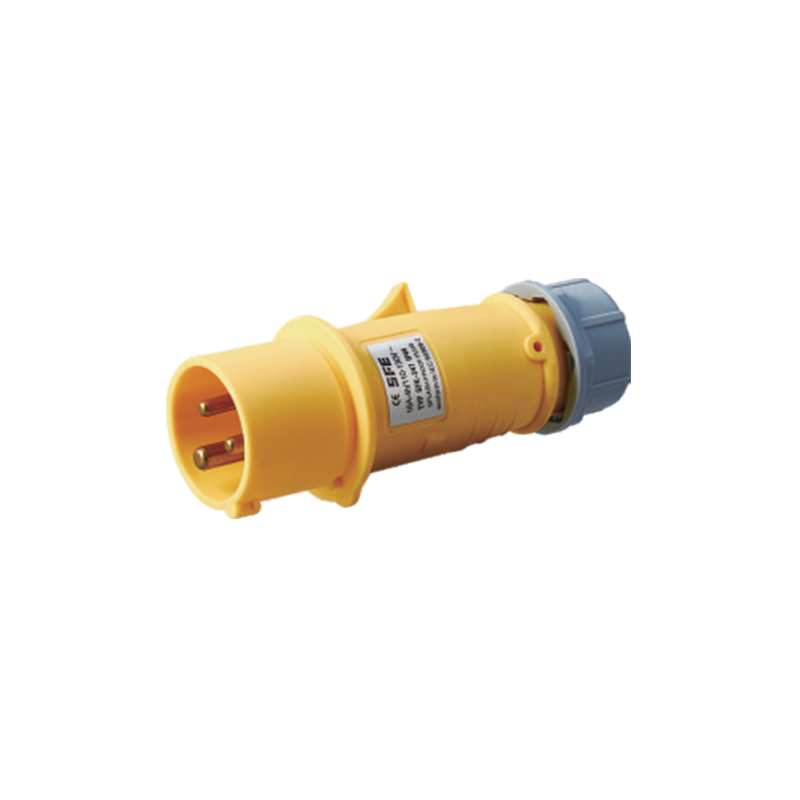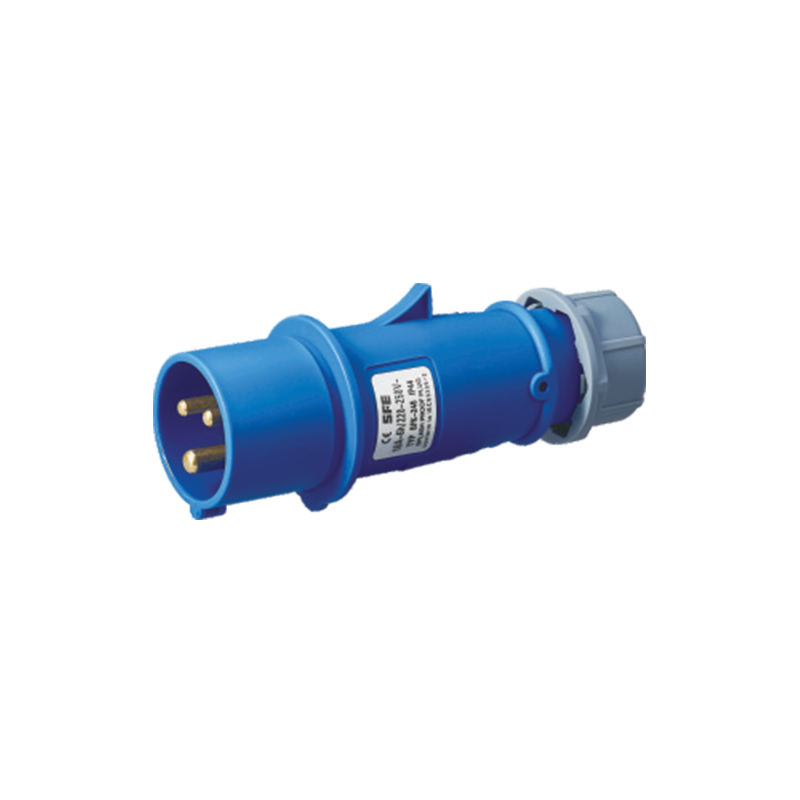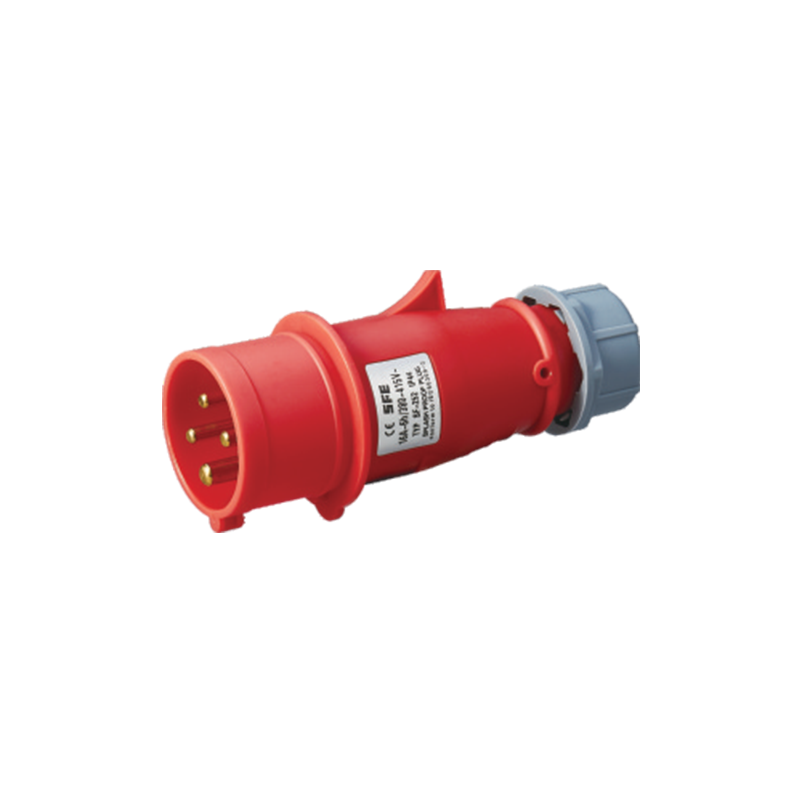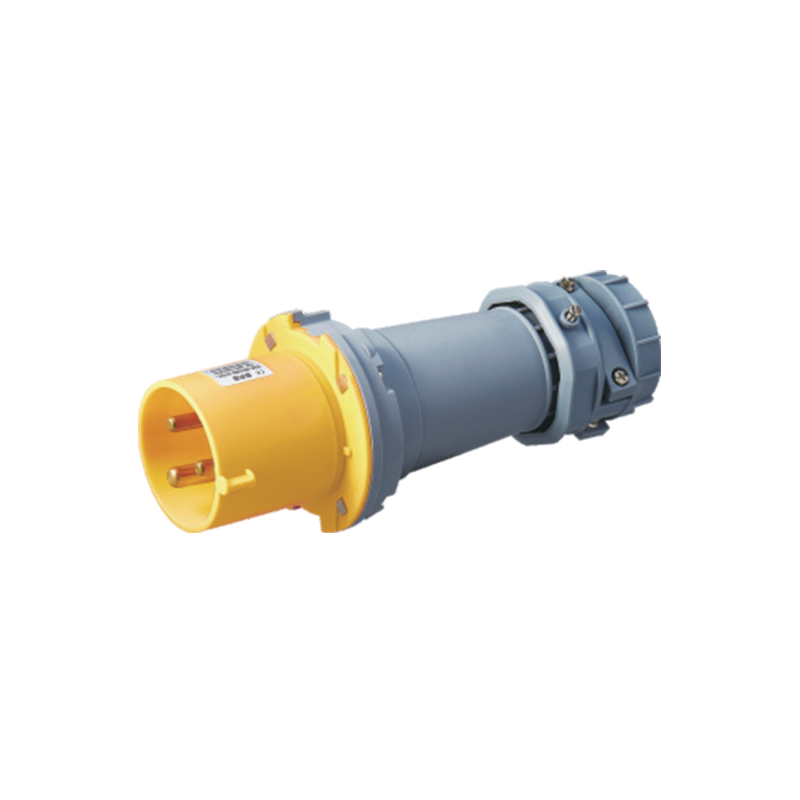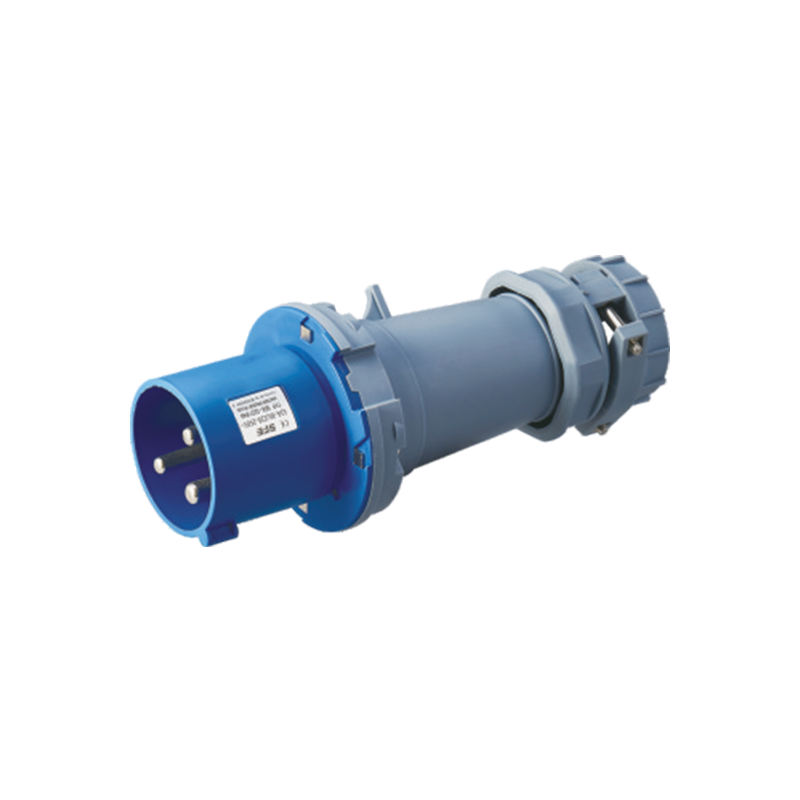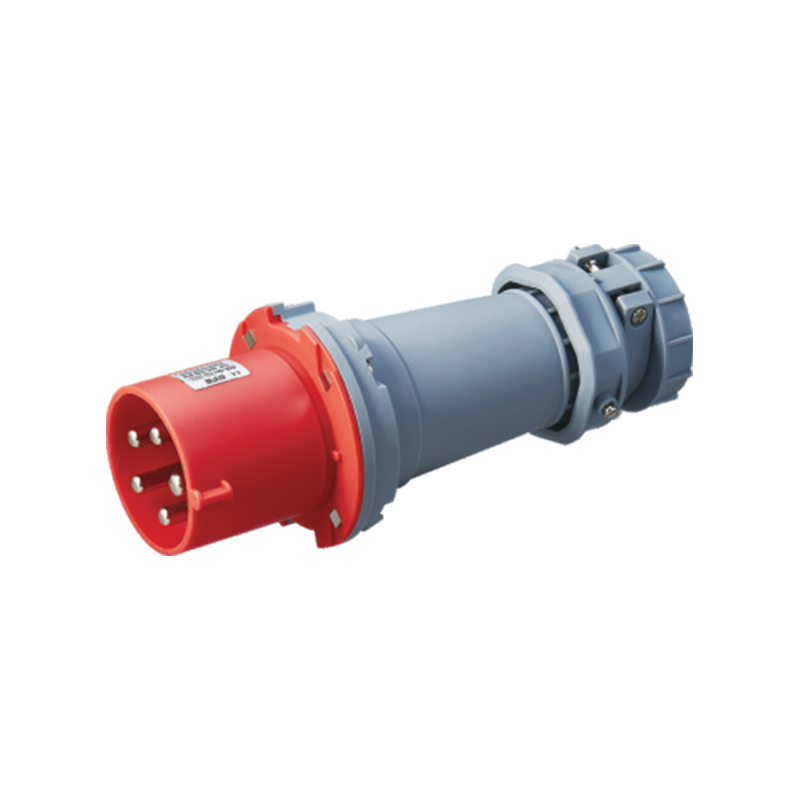
An industrial socket on an outside wall faces rain, dust, sun, and cold. It sits there, sometimes for months, waiting fo...
READ MORE

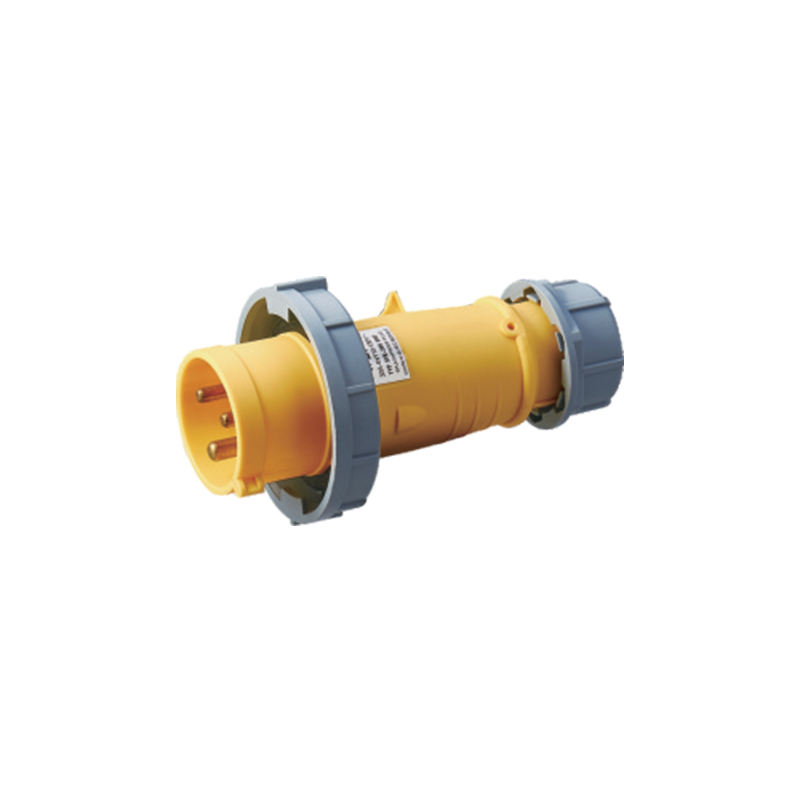
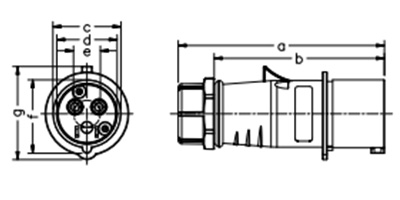
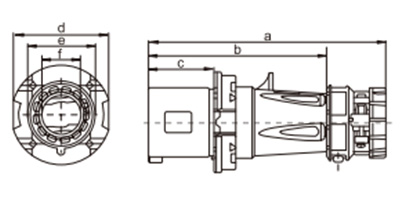
| Earth contact position | 4h | ||
| Rated current(A) | 16 | 32 | |
| Pole | 3 | ||
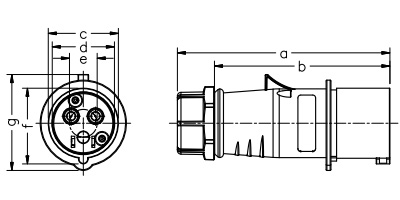
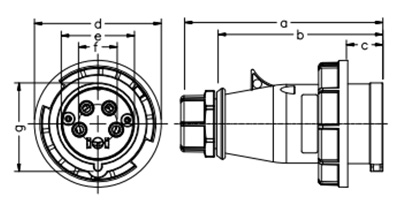
| Dimension(mm) | a | 140 | 173 |
| b | 116 | 144 | |
| c | 43.5 | 57 | |
| d | 38.5 | 51 | |
| e | 17.5 | 25 | |
| f | 47 | 62 | |
| g | 58 | 80.7 | |
| Cable nominal cross-section area(mm²) | 1.5-2.5 | 4-6 | |
| Current(A): | 16A, 32A |
| Voltage(V): | 110-130V~2P+E |
| Protection degree: | IP44 |

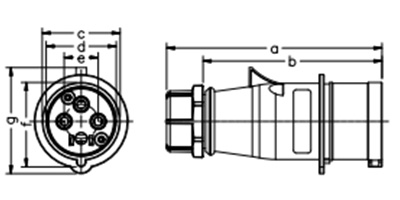
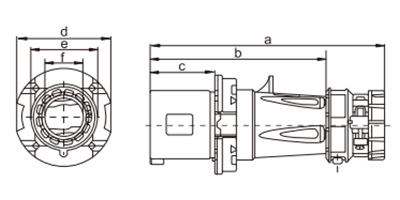
| Earth contact position | 6h | ||
| Rated current(A) | 16 | 32 | |
| Pole | 3 | ||
| Dimension(mm) | a | 140 | 173 |
| b | 116 | 144 | |
| c | 43.5 | 57 | |
| d | 38.5 | 51 | |
| e | 17.5 | 25 | |
| f | 47 | 62 | |
| g | 58 | 80.7 | |
| Cable nominal cross-section area(mm²) | 1.5-2.5 | 4-6 | |
| Current(A): | 16A, 32A |
| Voltage(V): | 220-240V~2P+E |
| Protection degree: | IP44 |

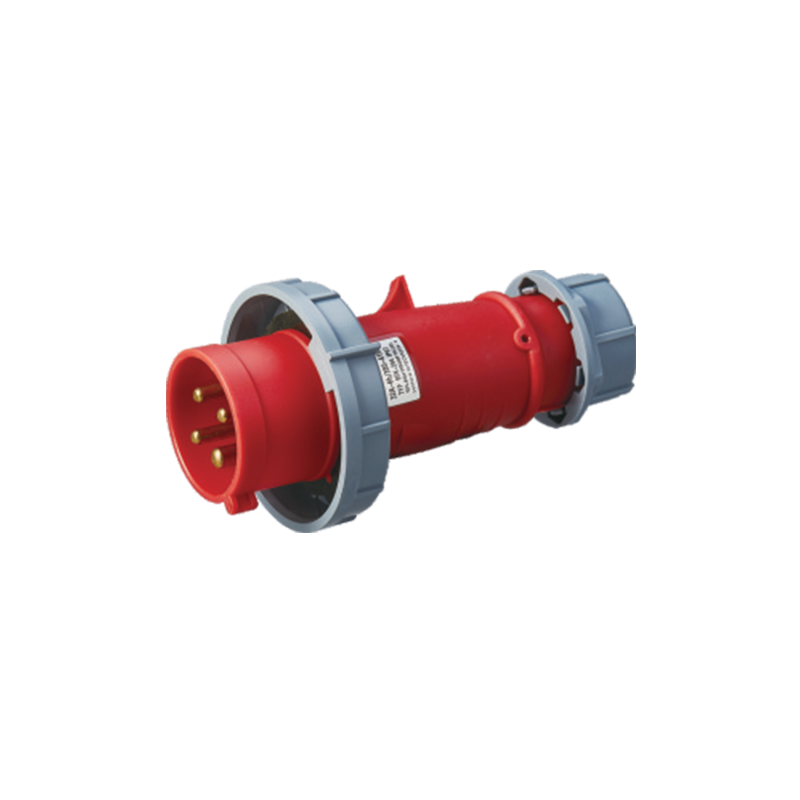
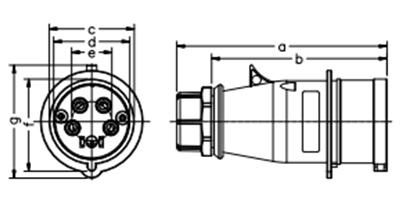
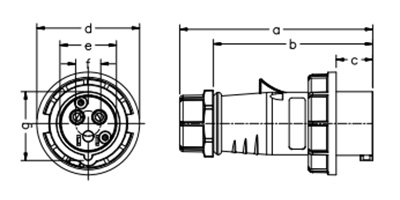
| Earth contact position | 6h | ||
| Rated current(A) | 16 | 32 | |
| Pole | 4 | ||
| Dimension(mm) | a | 140 | 173 |
| b | 116 | 144 | |
| c | 49.5 | 57 | |
| d | 43.5 | 51 | |
| e | 21.5 | 25 | |
| f | 52 | 62 | |
| g | 66.7 | 80.7 | |
| Cable nominal cross-section area(mm²) | 1.5-2.5 | 4-6 | |
| Current(A): | 16A, 32A |
| Voltage(V): | 380-415V~3P+E |
| Protection degree: | IP44 |

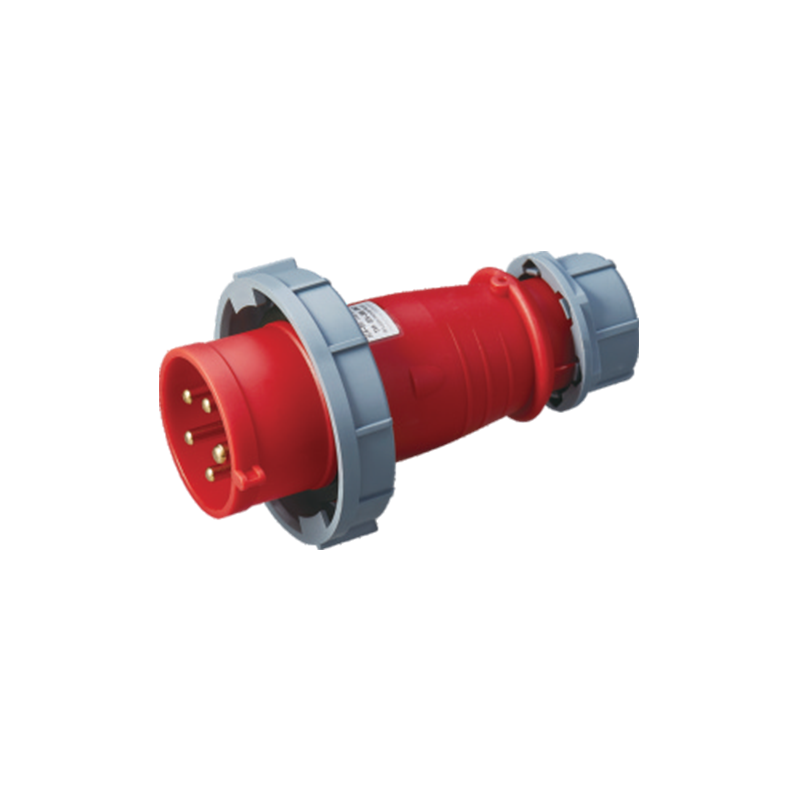
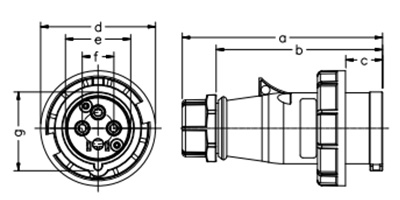
| Earth contact position | 6h | ||
| Rated current(A) | 16 | 32 | |
| Pole | 5 | ||
| Dimension(mm) | a | 144 | 173 |
| b | 121 | 144 | |
| c | 56 | 63.3 | |
| d | 50 | 56.5 | |
| e | 26.5 | 30.3 | |
| f | 60 | 68.7 | |
| g | 75 | 89 | |
| Cable nominal cross-section area(mm²) | 1.5-2.5 | 4-6 | |
| Current(A): | 16A, 32A |
| Voltage(V): | 220-380V~/240-415V~3P+N+E |
| Protection degree: | IP44 |

| Earth contact position | 4h | |
| Rated current(A) | 63 | |
| Pole | 3 | |
| Dimension(mm) | a | 238.9 |
| b | 179.4 | |
| c | 66 | |
| d | 100.1 | |
| e | 75.5 | |
| f | 36.5 | |
| g | 69.5 | |
| Cable nominal cross-section area(mm²) | 10-16 | |
| Current(A): | 63A |
| Voltage(V): | 110-130V~2P+E |
| Protection degree: | IP44 |

| Earth contact position | 6h | |
| Rated current(A) | 63 | |
| Pole | 3 | |
| Dimension(mm) | a | 238.9 |
| b | 179.4 | |
| c | 66 | |
| d | 100.1 | |
| e | 75.5 | |
| f | 36.5 | |
| g | 69.5 | |
| Cable nominal cross-section area(mm²) | 10-16 | |
| Current(A): | 63A |
| Voltage(V): | 220-240V~2P+E |
| Protection degree: | IP44 |

| Earth contact position | 6h | |
| Rated current(A) | 63 | |
| Pole | 4 | |
| Dimension(mm) | a | 238.9 |
| b | 179.4 | |
| c | 66 | |
| d | 100.1 | |
| e | 75.5 | |
| f | 36.5 | |
| g | 69.5 | |
| Cable nominal cross-section area(mm²) | 10-16 | |
| Current(A): | 63A |
| Voltage(V): | 380-415V~3P+E |
| Protection degree: | IP44 |

| Earth contact position | 6h | |
| Rated current(A) | 63 | |
| Pole | 5 | |
| Dimension(mm) | a | 238.9 |
| b | 179.4 | |
| c | 66 | |
| d | 100.1 | |
| e | 75.5 | |
| f | 36.5 | |
| g | 69.5 | |
| Cable nominal cross-section area(mm²) | 10-16 | |
| Current(A): | 63A |
| Voltage(V): | 220-380V~/240-415V~ 3P+N+E |
| Protection degree: | IP44 |

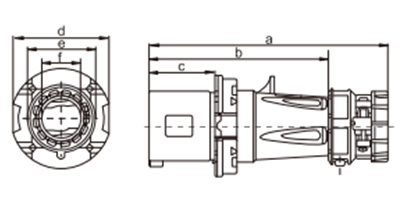
| Earth contact position | 4h | ||
| Rated current(A) | 16 | 32 | |
| Pole | 3 | ||
| Dimension(mm) | a | 138 | 170 |
| b | 115 | 141 | |
| c | 24.7 | 32.5 | |
| d | 70.2 | 93.3 | |
| e | 38.3 | 51 | |
| f | 17.5 | 25 | |
| g | 47 | 62.2 | |
| Cable nominal cross-section area(mm²) | 1.5-2.5 | 4-6 | |
| Current(A): | 16A,32A |
| Voltage(V): | 110-130V~2P+E |
| Protection degree: | IP67 |

| Earth contact position | 6h | ||
| Rated current(A) | 16 | 32 | |
| Pole | 3 | ||
| Dimension(mm) | a | 138 | 170 |
| b | 115 | 141 | |
| c | 24.7 | 32.5 | |
| d | 70.2 | 93.3 | |
| e | 38.3 | 51 | |
| f | 17.5 | 25 | |
| g | 47 | 62.2 | |
| Cable nominal cross-section area(mm²) | 1.5-2.5 | 4-6 | |
| Current(A): | 16A,32A |
| Voltage(V): | 220-240V~2P+E |
| Protection degree: | IP67 |

| Earth contact position | 6h | ||
| Rated current(A) | 16 | 32 | |
| Pole | 4 | ||
| Dimension(mm) | a | 144 | 170 |
| b | 120.5 | 141 | |
| c | 25.2 | 32.5 | |
| d | 78 | 93.3 | |
| e | 43.8 | 51 | |
| f | 21.5 | 25 | |
| g | 52.2 | 62.2 | |
| Cable nominal cross-section area(mm²) | 1.5-2.5 | 4-6 | |
| Current(A): | 16A,32A |
| Voltage(V): | 380-415V~3P+E |
| Protection degree: | IP67 |

| Earth contact position | 6h | ||
| Rated current(A) | 16 | 32 | |
| Pole | 5 | ||
| Dimension(mm) | a | 144 | 177 |
| b | 120.5 | 148 | |
| c | 25.2 | 32.5 | |
| d | 87 | 101 | |
| e | 50.2 | 56.5 | |
| f | 26.5 | 30.3 | |
| g | 60 | 68.7 | |
| Cable nominal cross-section area(mm²) | 1.5-2.5 | 4-6 | |
| Current(A): | 16A,32A |
| Voltage(V): | 220-380V~/240-415V~3P+N+E |
| Protection degree: | IP67 |

An industrial socket on an outside wall faces rain, dust, sun, and cold. It sits there, sometimes for months, waiting fo...
READ MORE
Industrial power is not always clean or stable. Voltage varies by building, by generator, by line. A wide range strong v...
READ MORE
A low-voltage industrial plug carries 24V, 48V, or 110V into equipment, control panels, and tool connections. The voltag...
READ MORE
Two hundred amps is not a load you cycle on and off. It runs continuously. Generator output panels. Temporary power dist...
READ MORESelecting Industrial Plugs isn't only about amperage and voltage; the connector layout affects safety, compatibility, and how smoothly a site runs. Below is a field-focused guide to the most common configurations and where they fit.
3‑phase power: where it shines
A 3 Phase Industrial Plug is widely used for motors, pumps, compressors, and heavy machinery because it supports efficient power delivery and steady operation under load. In many facilities, choosing a proper 3‑phase connector reduces nuisance trips and overheating caused by under‑spec'd connections.
4‑pin vs. 5‑pin: the key difference
Environmental durability matters as much as wiring
In wet, dusty, or high‑traffic environments, stable contact performance depends on more than the metal pins. Nylon PA66 housings support mechanical strength and long-term fit, while water- and dust-resistant construction helps reduce contamination, corrosion, and connection failures—especially in outdoor work or wash-down areas.
Why this matters for modern installations (including LED systems)
As installations become more complex—such as large LED displays and supporting power/control hardware—connector reliability and clear on-site identification become critical. A well-matched plug type helps prevent misconnection, speeds maintenance, and improves overall operational safety.