
 English
 Español
 中文简体
Address: No. 199, Weiwu Road, Yueqing Economic Development Zone, Zhejiang Province, China.
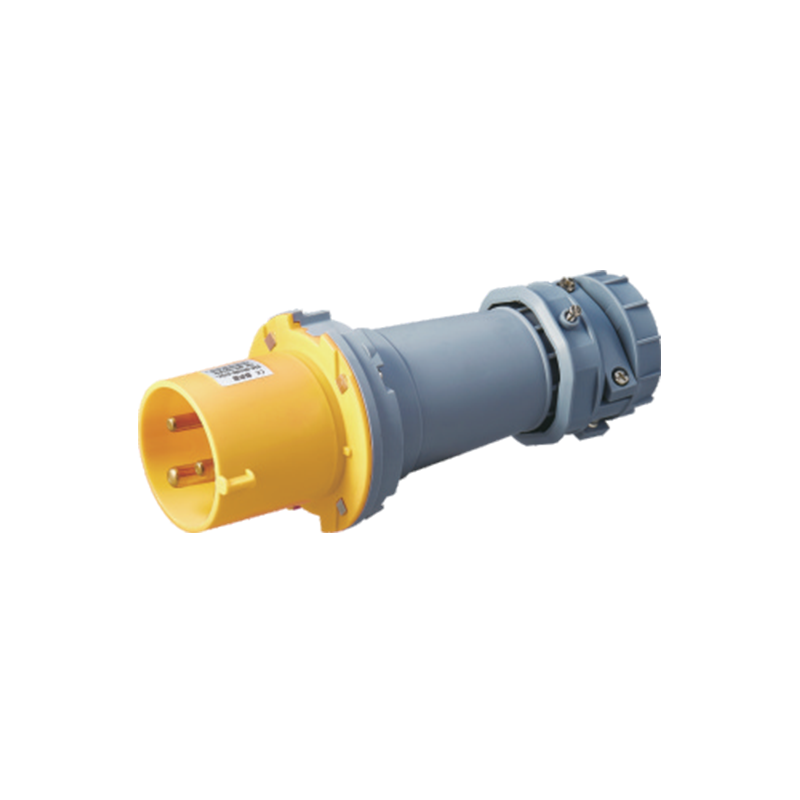
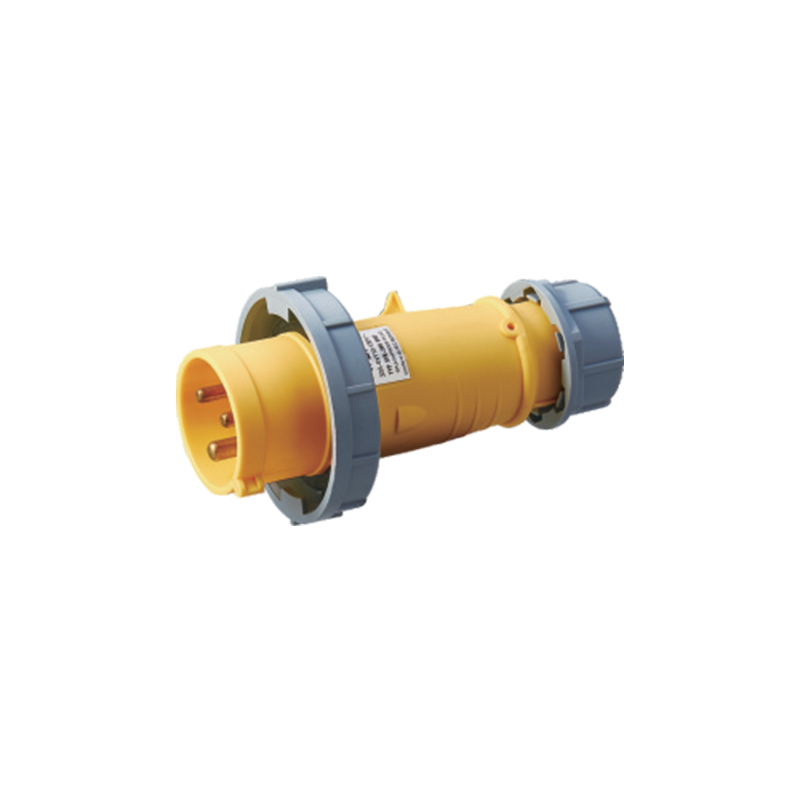
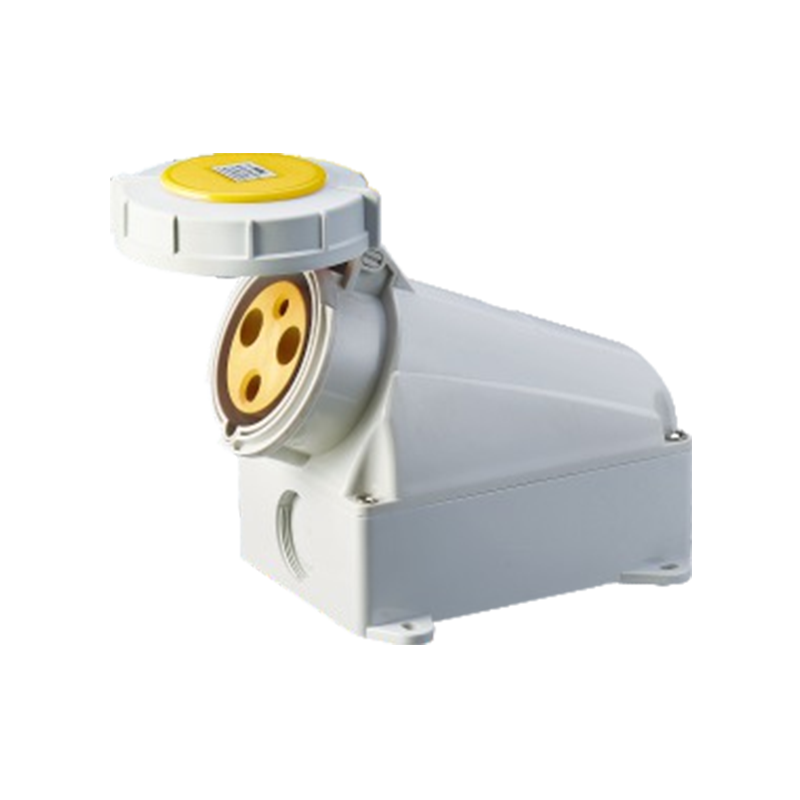
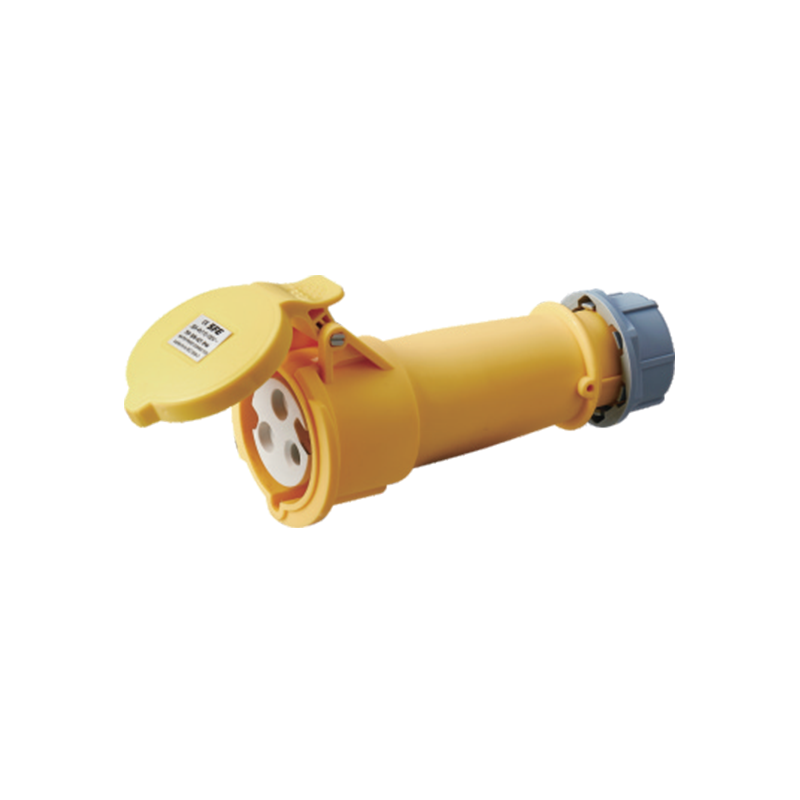
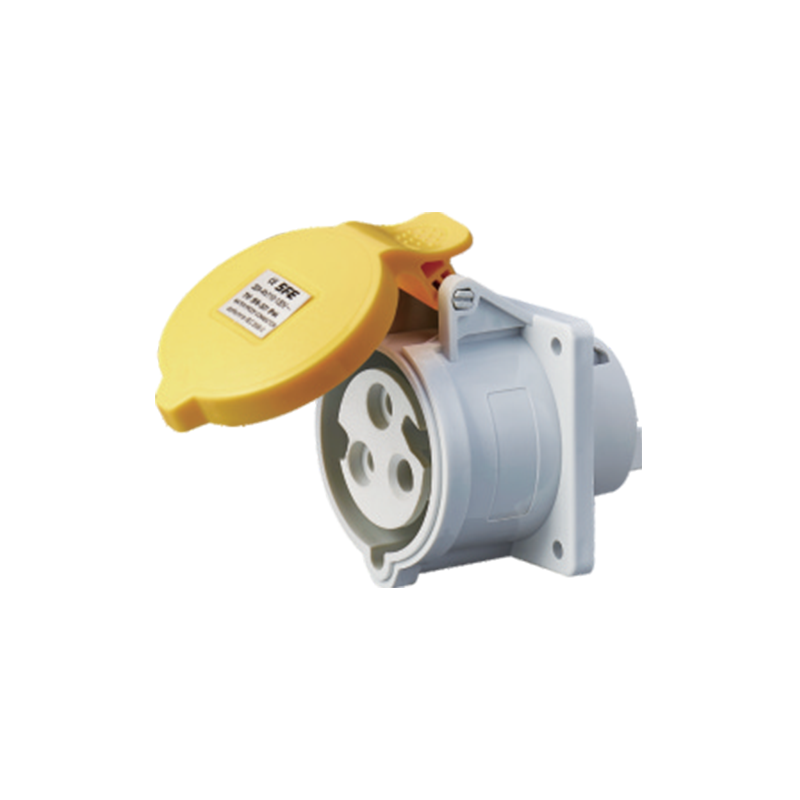
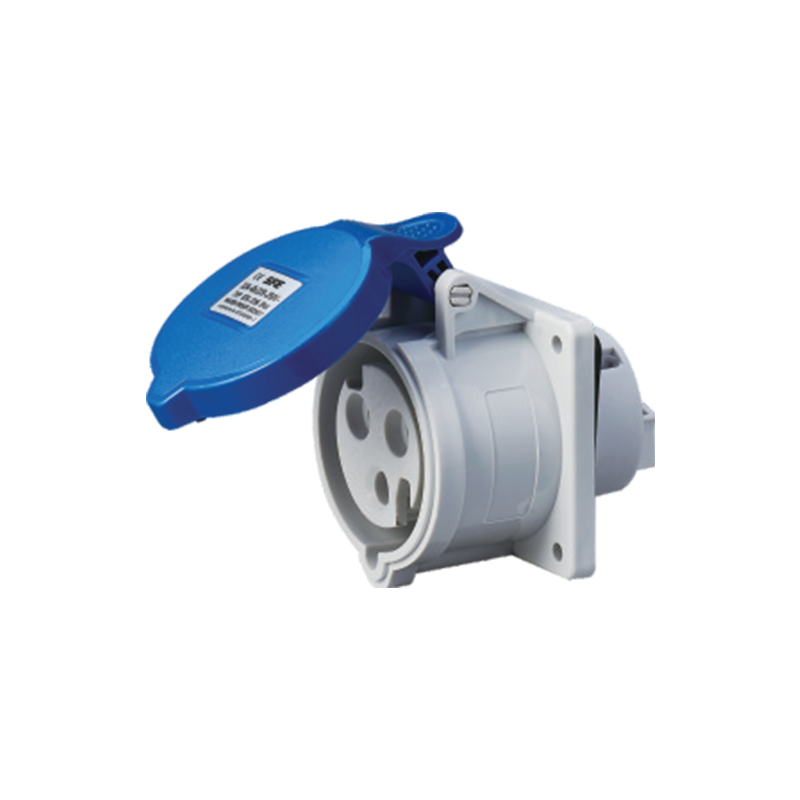
The voltage is low. The current is not. A 24V control circuit can carry 16 amps or more, and a loose connection at that current heats, arcs, and burns the terminal. The low-voltage rated safety industrial plug is built around that fact. The housing, the keying, and the terminals are designed for the current the circuit actually carries, not for the low voltage on the label.
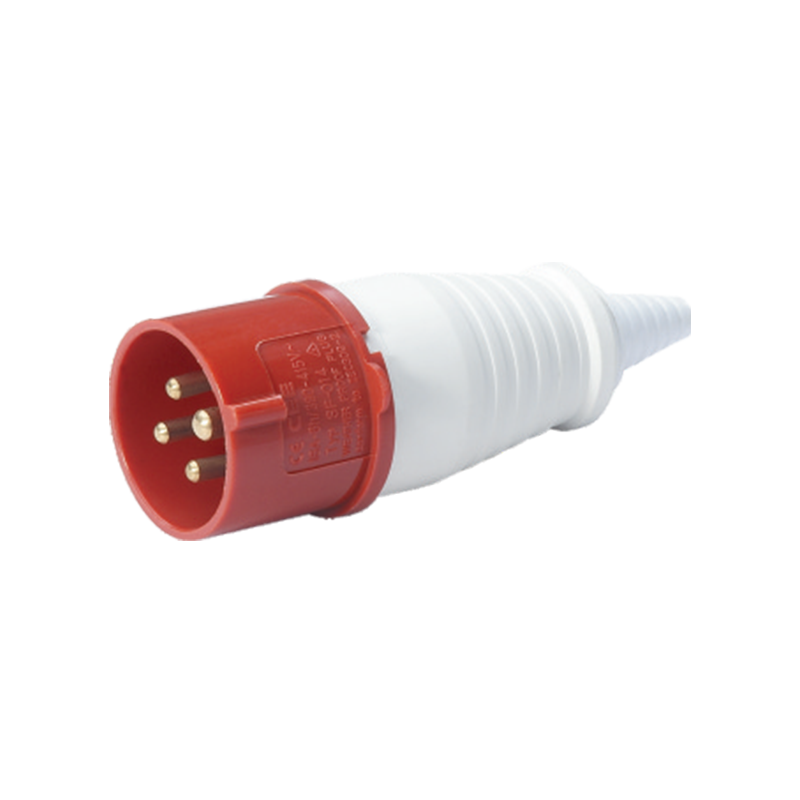
A 24V Plug Cannot Go Into a 110V Socket, and That Is Mechanical
The keying is not a marking. It is a physical shape that blocks the wrong connection. The earth pin position, the shell profile, the pin spacing. A 24V plug will not enter a 110V socket no matter how hard the operator pushes.
That matters on a panel where a 24V sensor line and a 110V tool supply sit inches apart. The technician working in a hurry does not read the label. The plug does not fit. The circuit is safe by geometry.
The Current Is the Real Rating
A plug rated for 16 amps is not the same as a plug rated for 32 amps, even at the same voltage. The pin diameter, the contact area, the spring pressure. All of it scales with the current. A low-voltage rated safety industrial plug with undersized pins runs hot at full load. The heat softens the plastic around the contacts and the connection degrades.
The terminal side matters too. The screw or cage clamp has to accept the conductor and hold it under the machine vibration. A terminal that loosens arcs and the plug fails.
What the Seal Actually Protects
The IP rating is not about the voltage. It is about the environment. A plug in a washdown area needs the seal. A plug in a clean control room may not. The low-voltage rated safety industrial plug with the right IP rating for the location survives the moisture and the dust that would otherwise reach the contacts.
Here is what the plug needs to deliver:
- Mechanical keying that blocks the wrong voltage
- Contact and pin sizing for the actual current
- Terminal type that holds under vibration
- IP rating matched to the environment
- Positive lock that stays mated
- Housing material that survives impact and chemicals
Where the Plug Sits in the Plant
A machine tool builder uses the plug for the sensor and actuator connections on the machine frame. A battery system uses it for the DC output. A control panel uses it for the test points. Each one has a different current and a different environment, and the plug has to match both.
The Failure That Comes From the Low-Voltage Assumption
The installer treats a 24V circuit as harmless. The terminal is not torqued. The seal is not seated. The lock is not engaged. Months later the connection arcs and the machine stops. The voltage was low. The current was not.
A low-voltage rated safety industrial plug is built for the current and the environment, not for the label. Choose a plug with the right keying, the right contact sizing, and the right seal. The circuit stays closed and the machine keeps running.
