
 English
 Español
 中文简体
Address: No. 199, Weiwu Road, Yueqing Economic Development Zone, Zhejiang Province, China.
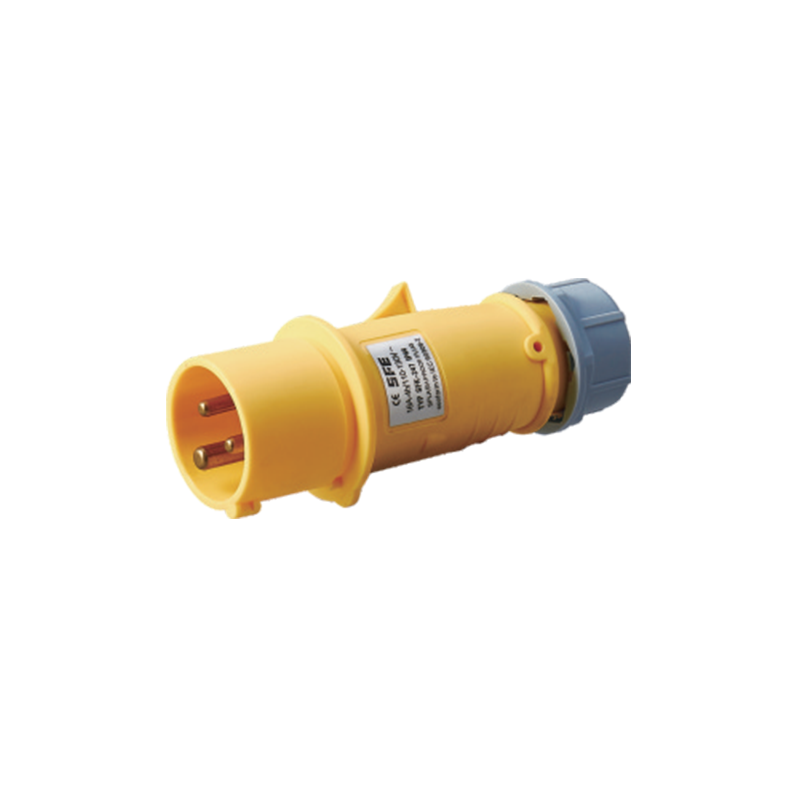
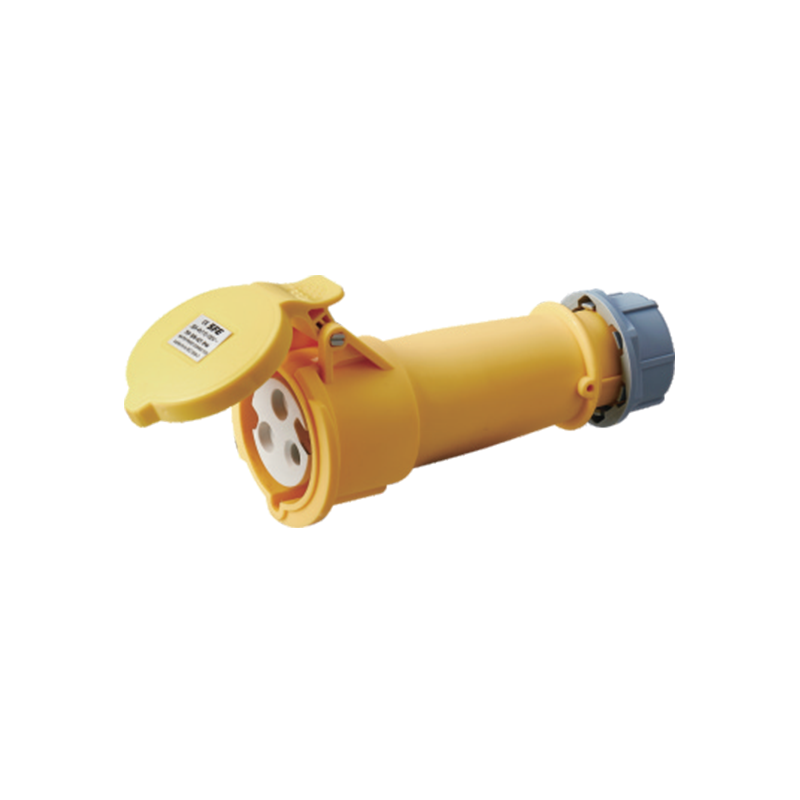
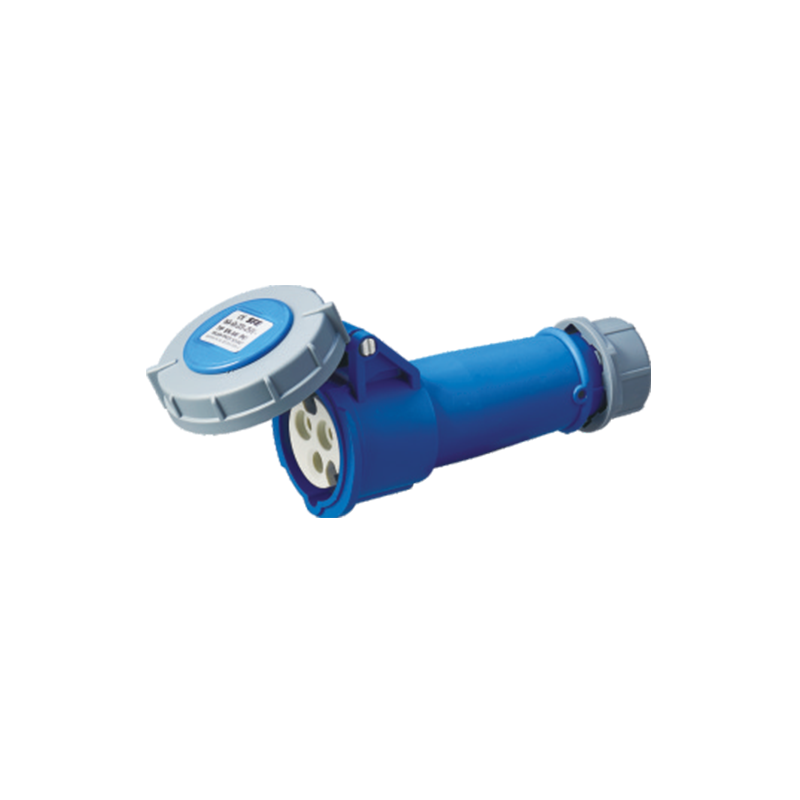
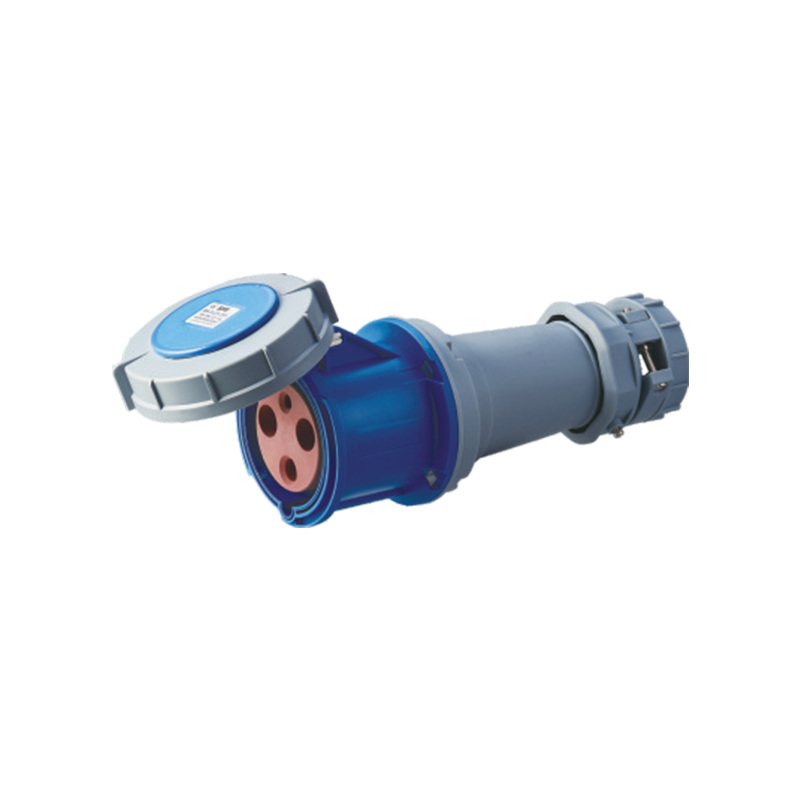
A 63A industrial plug is not the plug on a household extension cord. It runs the distribution boards, the stage lighting, the site transformers, and the generator hookups. At 63 amps, the current heats the contacts, the housing has to hold the rated load, and the pins have to mate with the socket at the correct contact pressure. A 63A industrial plug manufacturer builds the connector for that current, and the difference between the good and the cheap shows up in the heat that the plug either sheds or accumulates.
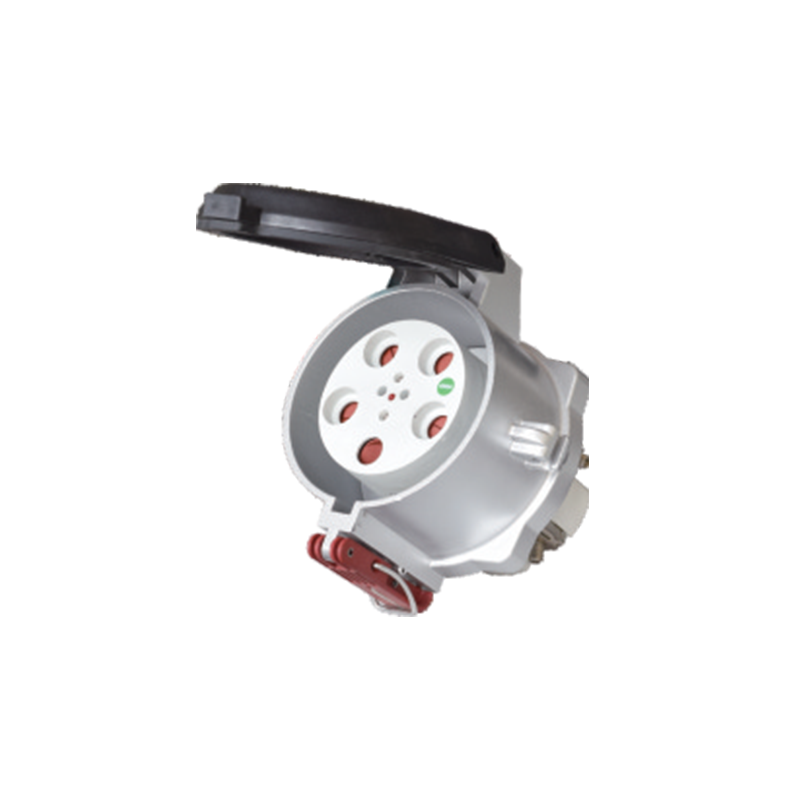
The Current Decides the Metal
A 63A plug is roughly four times the load of a standard 16A plug. The pins are thicker, the contact area is larger, and the spring pressure in the socket sleeve has to hold the grip through the heating and cooling cycles. The 63A industrial plug manufacturer machines the pins from the brass or the copper alloy, not the stamped sheet metal. The silver or the nickel plating keeps the oxidation off the contact surface.
A contact that runs at the rated current inside the temperature limit stays stable for years. A contact that climbs past the limit degrades in months. The plastic around the pin sockets browns, the socket spring relaxes, and the grip weakens.
The Housing Has to Hold Its Shape
The current heats the contacts, and the contacts heat the housing. The glass-fiber reinforced PBT or the PA6 holds the shape at the temperature the fully loaded plug reaches. The standard nylon softens. The 63A industrial plug manufacturer that specifies the right compound builds the plug that stays rigid when the load is high.
The Cable Entry and the Grip
The heavy rubber cable pulls down on the plug body. The 63A industrial plug manufacturer fits the cable gland sized to the cable, with the strain relief that keeps the tension off the terminals. The screw terminals need the torque spec and the design that resists the vibration loosening.
Here is what a 63A industrial plug manufacturer has to deliver:
- Brass or copper alloy pins with the silver or nickel plating
- Glass-fiber reinforced housing rated for the full-load temperature
- Cable gland sized to the conductor with the strain relief
- Screw terminals with the torque spec
- IP rating matched to the installation environment
- Locking mechanism that holds under the vibration
Where the Plug Works
The temporary distribution board uses the 63A plug for the main inlet and the outgoing circuits. The stage lighting rig uses it for the high-power feed. The construction site uses it for the transformer and the generator hookup. The marina shore power uses the 63A plug for the boats.
The Pin That Overheats and the Housing That Melts
The pin overheats because the diameter was too small for the current. The housing melts because the compound was not rated for the load. The 63A industrial plug manufacturer that sizes the pin and the housing for the 63A builds the plug that survives the load. The lock releases under the vibration and the plug works apart.
A 63A industrial plug manufacturer builds the connector that carries the real load. The contact carries the current. The housing holds the shape. Choose a manufacturer that sizes the metal and the plastic for the 63A.
