
 English
 Español
 中文简体
中文简体
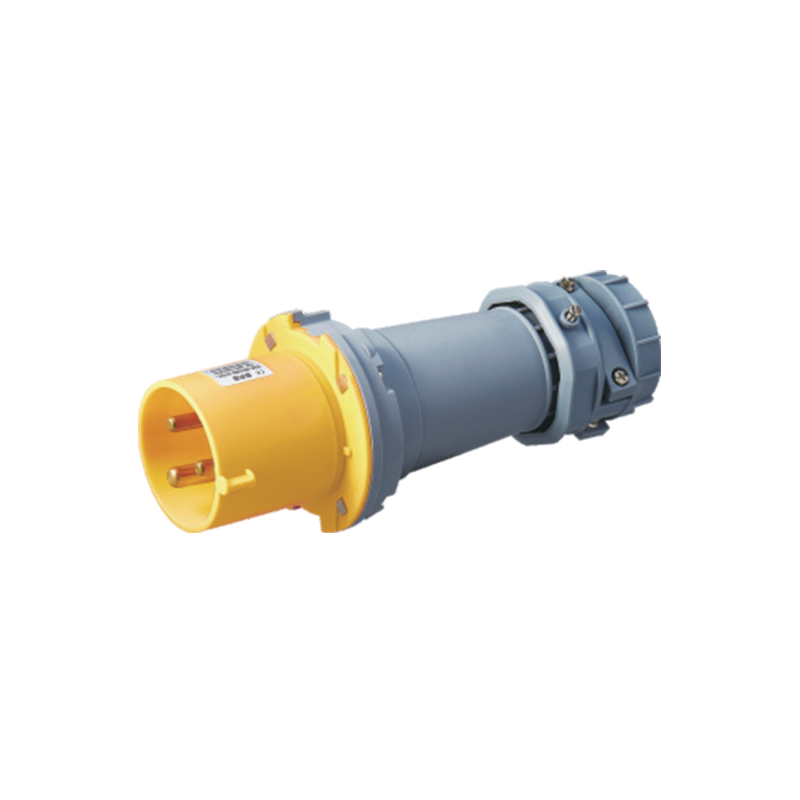

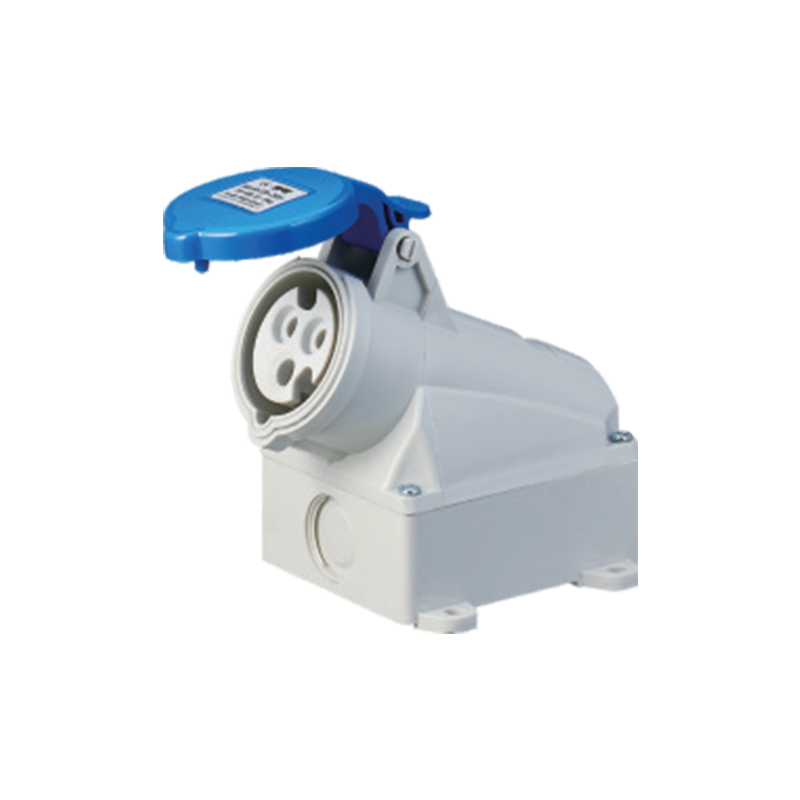
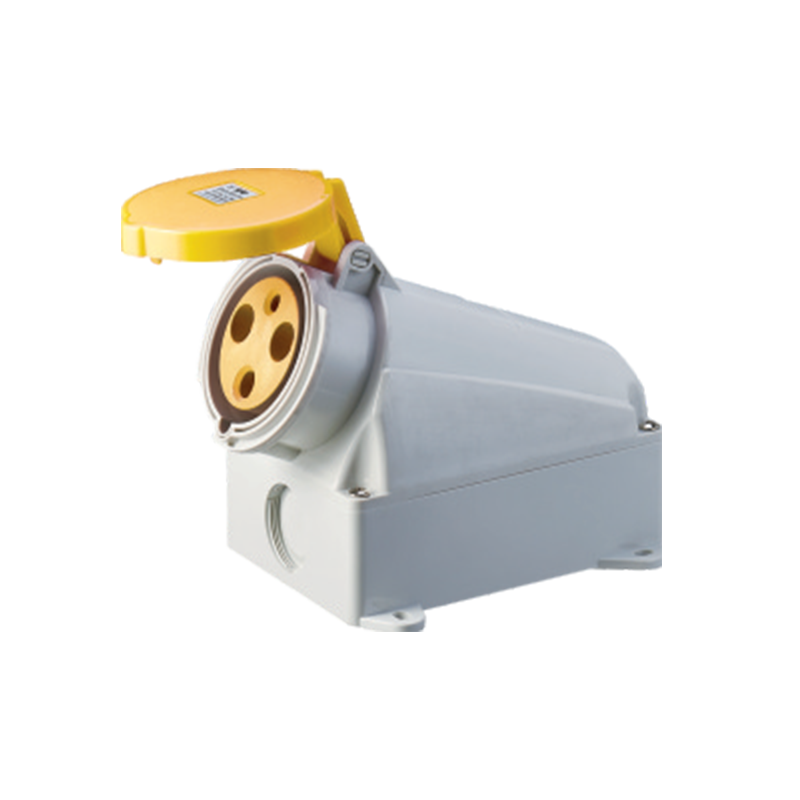
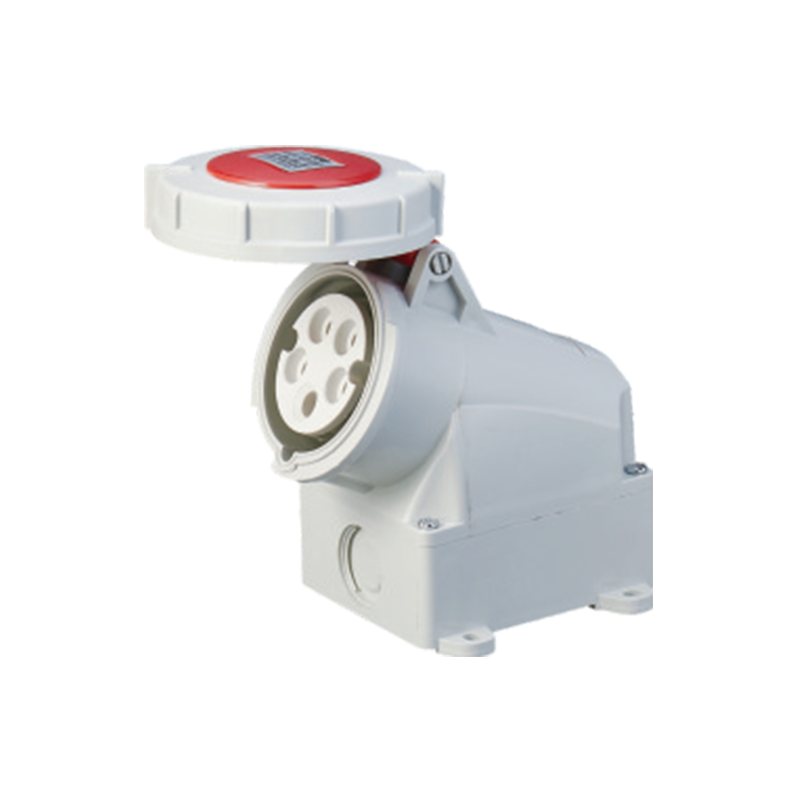
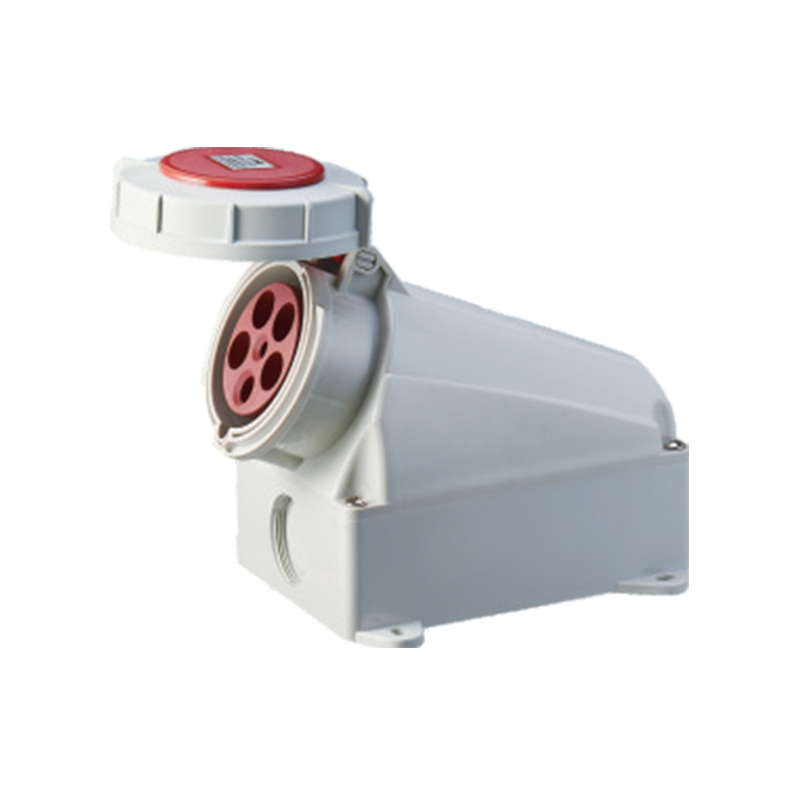
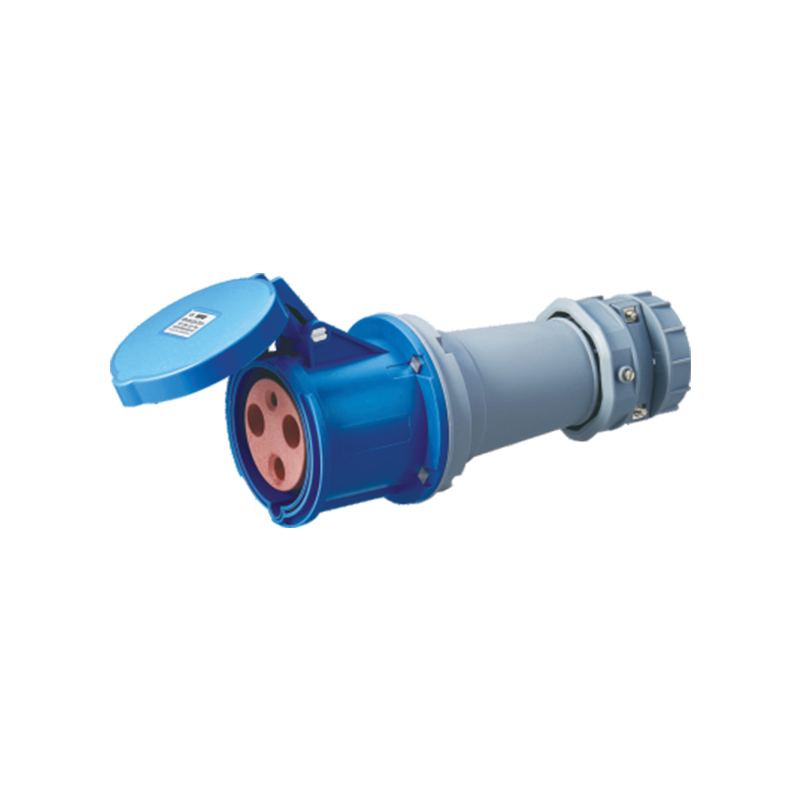
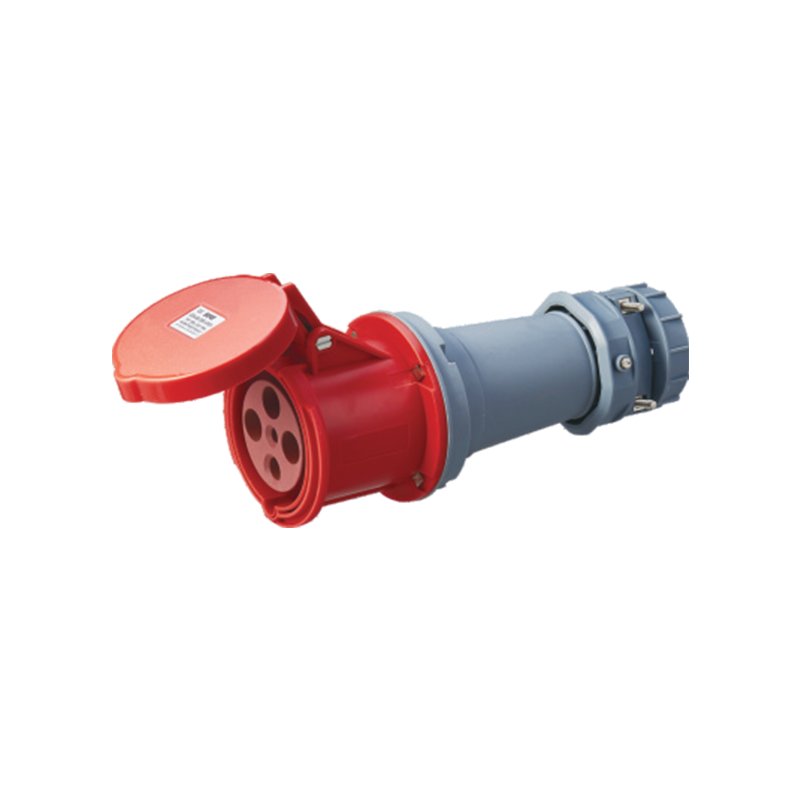
Address: No. 199, Weiwu Road, Yueqing Economic Development Zone, Zhejiang Province, China.
Small hardware decisions can ripple through a facility’s daily rhythm. Fixing power feed points where equipment routinely connects reduces movement, simplifies checks, and lowers the chance of hurried, improvised fixes that interrupt work. For operations where steady runs matter — manufacturing lines, staging areas, and busy construction sites — choosing a deliberate connection strategy can cut the routine interruptions that add up to significant downtime.
Why a deliberate connector strategy matters
Temporary cabling and portable connectors give flexibility, but that flexibility carries trade-offs. When cables are regularly plugged and unplugged, connectors suffer mechanical wear, retention decreases, and human errors under time pressure become more likely. Anchoring key feeds converts a frequently changing interface into a repeatable, inspectable point, which helps crews spot wear or contamination before it causes unplanned stops. Data from field observations highlight that converting hubs of temporary power into fixed, surface-mounted distribution points reduces cable movement and related failures.
Where anchored feeds provide clear value
Several environments show immediate gains from anchoring power feed points:
- Long-production runs where a single stoppage can cascade across multiple lines.
- Dynamic construction sites where repeated reconfiguration creates trip and contact risks.
- Event and rental venues that stage repeated setup/teardown cycles.
- Logistics and handling centers that need stable power for sorting and conveyor systems.
Across these settings, teams report fewer connection-related stoppages and clearer maintenance records after prioritizing fixed feed locations.
Concrete operational benefits
Adopting fixed connection points yields a set of practical outcomes that are straightforward to measure and manage:
- Fewer abrupt power losses caused by accidental unplugging or cable strain.
- Simpler routine inspections, because fixed points are easy to find and check.
- Cleaner, safer work areas with less loose cabling.
- Reduced inventory of improvised adaptors and ad hoc solutions.
These benefits translate into fewer emergency call-outs, reduced time spent troubleshooting, and steadier production rhythms.
Installation attributes that matter
Below is a compact table linking key installation choices to the operational issues they address and the expected outcomes on site.
| Installation attribute | Problems it limits | Expected operational outcome |
|---|---|---|
| Fixed surface mounting | Cable strain, accidental unplugging | More consistent equipment operation |
| Protective housing & covers | Dust, moisture, contamination | Fewer contact faults and less corrosion |
| Mechanical retention (latches/locks) | Disconnection from vibration or movement | Stable feeds under dynamic conditions |
| Accessible service panels | Lengthy teardown for repairs | Faster maintenance and shorter outages |
| Standardized interfaces | Ad hoc adaptor proliferation | Simpler spare management and clearer logistics |
Practical installation guidance
Teams who install and maintain power infrastructure favor designs that succeed under daily wear rather than theoretical specs alone. Placement should protect connectors from direct impact while keeping them within convenient inspection reach. Retention systems that lock plugs in place reduce interruptions from vibration or incidental tugs. Weatherproof covers and accessible service points reduce corrosion and speed repairs. These design decisions lower the friction for maintenance crews and make routine rounds more effective.
Cost, modeling, and return-on-effort
Converting temporary cabling to anchored feed points requires an upfront investment: planning, wiring, mounting hardware, and possibly brief outages for installation. The relevant comparison is not unit price alone but the recurring cost of interruptions — technician hours, lost throughput, and emergency repairs. When maintenance teams model reductions in unplanned stops, the investment tends to show recurring operational gains through less reactive maintenance, more predictable spare inventories, and faster onboarding for new technicians.
How to pilot and scale changes
A controlled pilot is a pragmatic way to test the approach:
- Select one production line, staging bay, or event zone with a history of connection-related interruptions.
- Work with frontline crews to identify ideal placement and retention features.
- Install one or two mounted points and track interruptions, maintenance time, and incident reports over a defined period.
- Compare pilot metrics to baseline and iterate on placement or protection details before wider rollout.
Pilot results frequently reveal operational behaviors — for example, how crews route cables or what protective covers are needed — that guide scaled deployments and spare-parts planning.
Practical cautions and trade-offs
Anchoring feeds reduces some risks but introduces others that require management. Permanently placed connectors can be damaged by forklift impact or heavy mobile equipment if poorly sited, and they need to be included in routine inspection rounds. Standardizing interfaces across areas reduces adaptor sprawl, but it also means planning for occasional upgrades so that the installed base remains compatible with changing equipment types.
Looking at Long-Term Site Reliability
Adopting a more considered strategy for power delivery — anchoring points where patterns of use are predictable — addresses a surprisingly large slice of day-to-day interruptions. A modest investment in placement, retention, and protection can simplify inspections, reduce emergency responses, and steady production or staging workflows. If your operational pattern shows recurring connector issues, test a standard mounted feed at one location and measure the difference before expanding the approach. For additional background, product references, and practical guides, visit socketsfe.
