
 English
 Español
 中文简体
中文简体
Address: No. 199, Weiwu Road, Yueqing Economic Development Zone, Zhejiang Province, China.
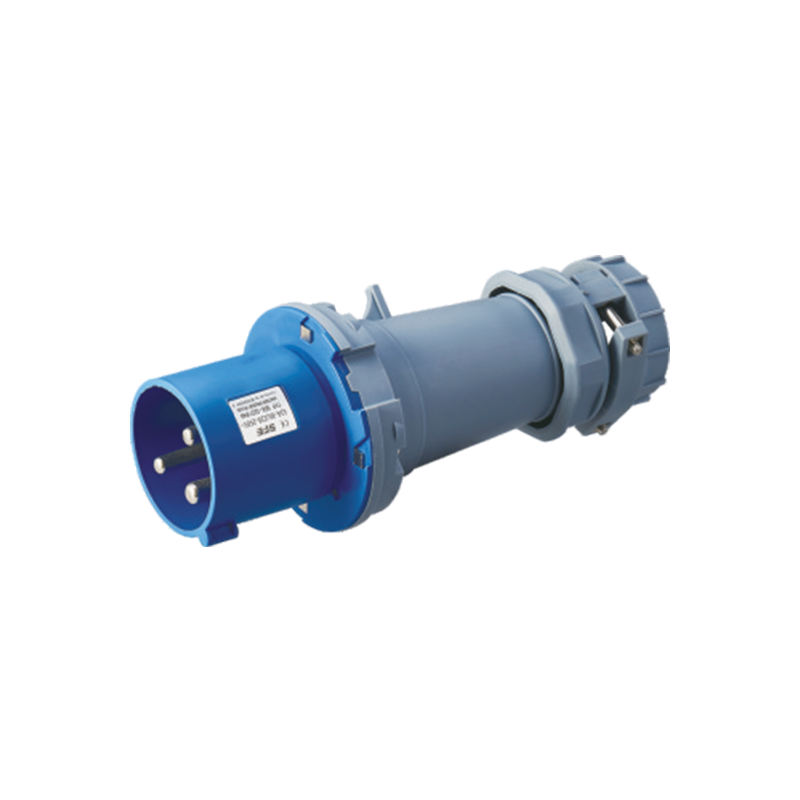
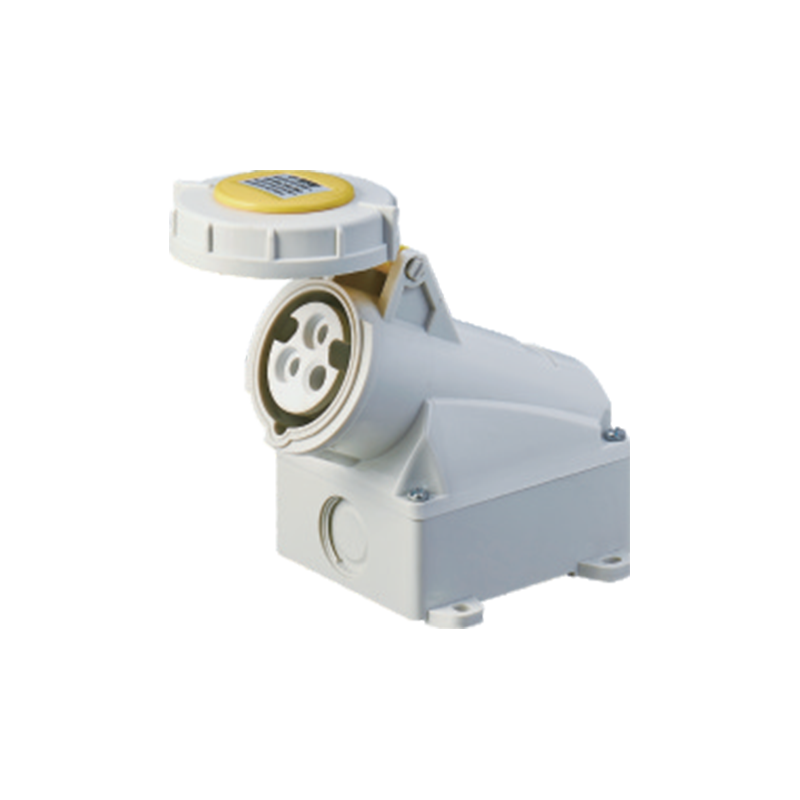
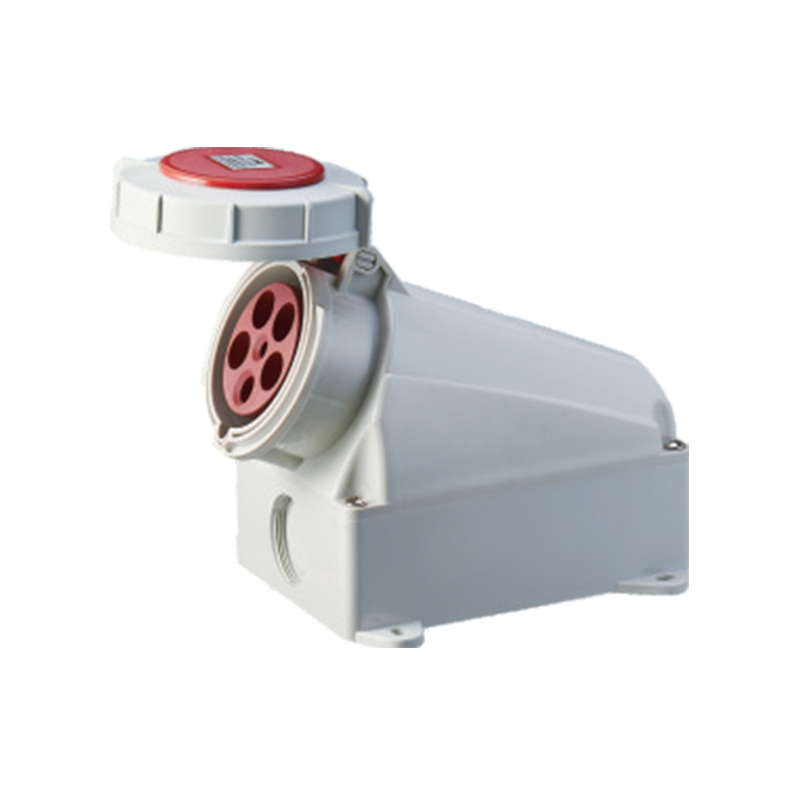
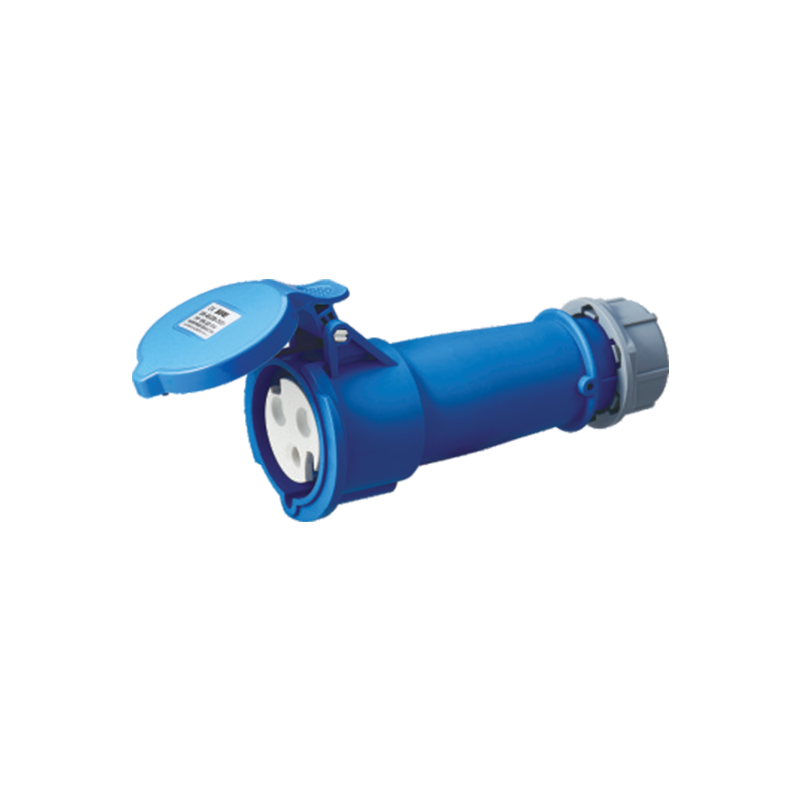
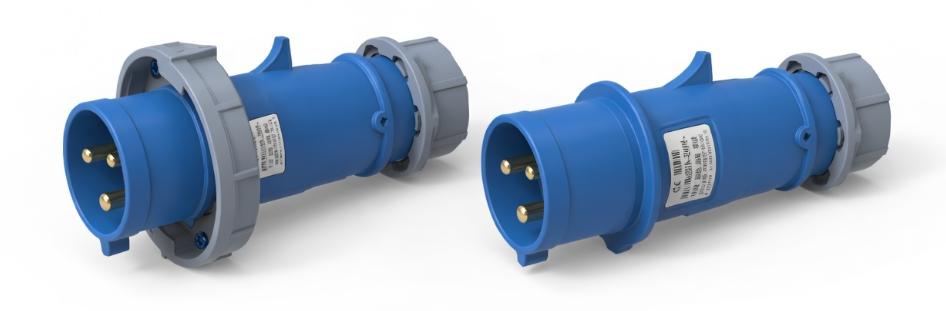
As more electric vehicles hit the road, the places where people charge them need to get bigger and better. Small home setups are one thing. But public charging stations and commercial sites are another matter entirely. These places need to handle a lot more power. They need to run all day without stopping. And they have to be safe for workers to fix and maintain. This is where parts like Industrial Plugs and the 3 Phase Industrial Plug come into the picture. Of all the ways to connect things, the three-phase plug system has become a very practical choice for many AC charging spots. It can handle a lot of power. It stays steady. And it works well in all kinds of different places.
Why Charging Stations Need More Power Now
Electric vehicle charging is not just about slow charging overnight anymore. These days, you see charging stations in commercial parking lots, at truck depots, around apartment buildings, and along highways. These places often need many vehicles to charge at the same time. This means the demand for steady, three-phase power is going up.
A single-phase power setup might work okay for a slow, low-power charger. But once the charger needs to put out more power than a typical home outlet can handle, the current going through the wires gets much higher. When you push a lot of current through a single-phase circuit, the wires can heat up a lot. Over a long distance, the voltage can also drop. This is bad for charging. A three-phase setup spreads the electrical load across three separate wires. This takes stress off each individual line. The power delivery stays smoother.
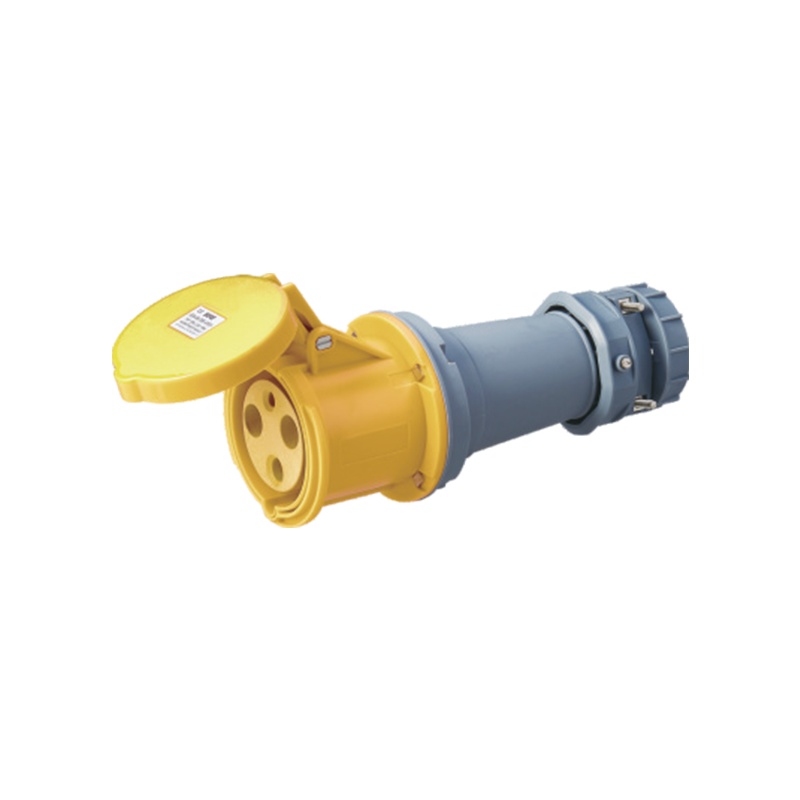
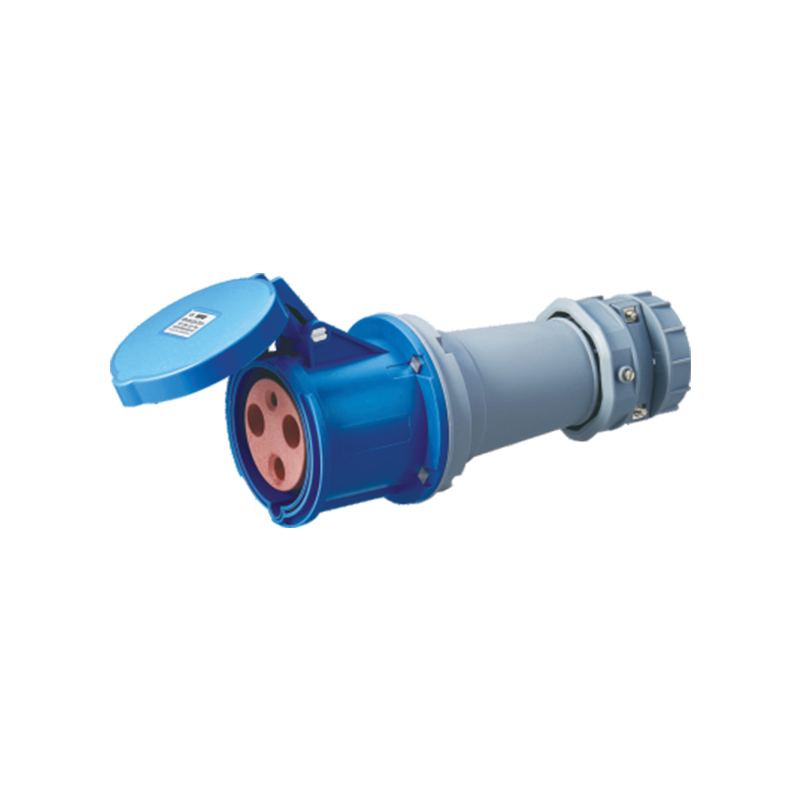
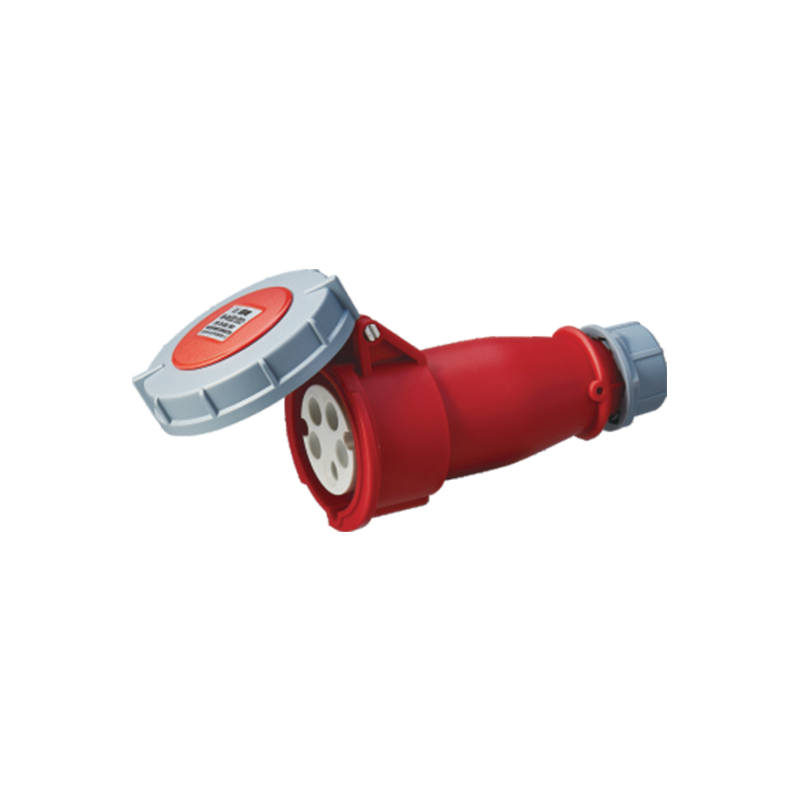
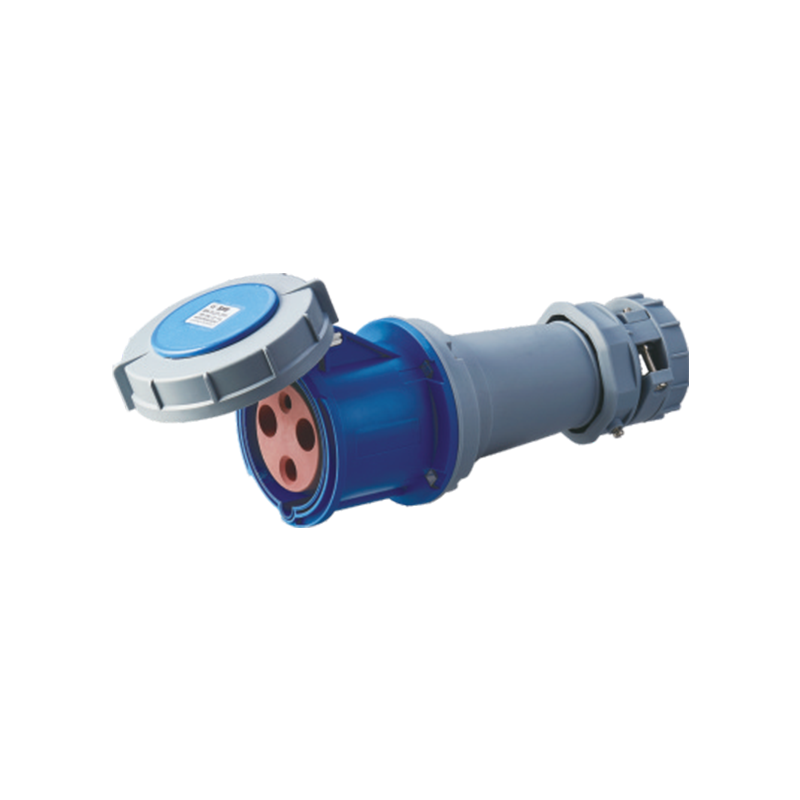
For AC charging gear, especially the kind rated at 11 kW or 22 kW, a three-phase supply is usually required. In these situations, the plug that connects the charger box to the power source has to be able to handle this electrical demand safely. A 3 Phase Industrial Plug gives you a structured, standard way to hook up chargers to the power grid. And it does this while meeting all the usual industrial safety rules.
How Three-Phase Power Helps in Real-World Use
Three-phase power is very common in commercial buildings and industrial facilities. EV charging stations that are put in these kinds of places can take advantage of the power setup that is already there. This existing setup is designed to balance loads well. When chargers draw power from all three phases at once, the flow of electricity stays more stable. This is a lot better than pushing everything through one heavily loaded single-phase circuit.
Another good thing about three-phase power is that it works well with motors and other auxiliary systems. Some charging equipment has cooling fans, monitoring modules, and other electrical parts. These parts often run more efficiently when they get three-phase power. When you connect through a proper industrial plug that is rated for the right voltage and current, the whole installation is much cleaner and easier to maintain later.
Also, in places where the grid operator wants to balance loads across the system, spreading the charging demand across all three phases helps. It reduces strain on the local grid. This is especially important in stations where many vehicles charge at once. If one phase gets overloaded while the others are light, it can create long-term electrical problems and imbalances.
The Physical Features That Make It Safe
The industrial plug systems used in charging stations are built to last, both mechanically and electrically. Charging stations are often outdoors. Plugs get connected and disconnected many times. The weather can be hot, cold, wet, or dusty. A good plug assembly is made to handle all of this.
Some of the typical features you see include:
- Contacts that can carry high current and are sized to match the rated amperage.
- Housings that are color-coded so you know what voltage they are for.
- A built-in ground connection that makes contact early when you plug it in, before the power pins connect.
- Locking mechanisms that stop the plug from being pulled out by accident while power is flowing.
- Sealed enclosures that keep out water and dust, which is important for outdoor or semi-exposed spots.
All these features help keep the electrical contact steady. They also reduce the chance of overheating where the plug meets the socket. In EV charging stations, where a charging session can last for hours, keeping the contact resistance stable is really important. It stops energy from being wasted and prevents heat from building up.
