
 English
 Español
 中文简体
中文简体
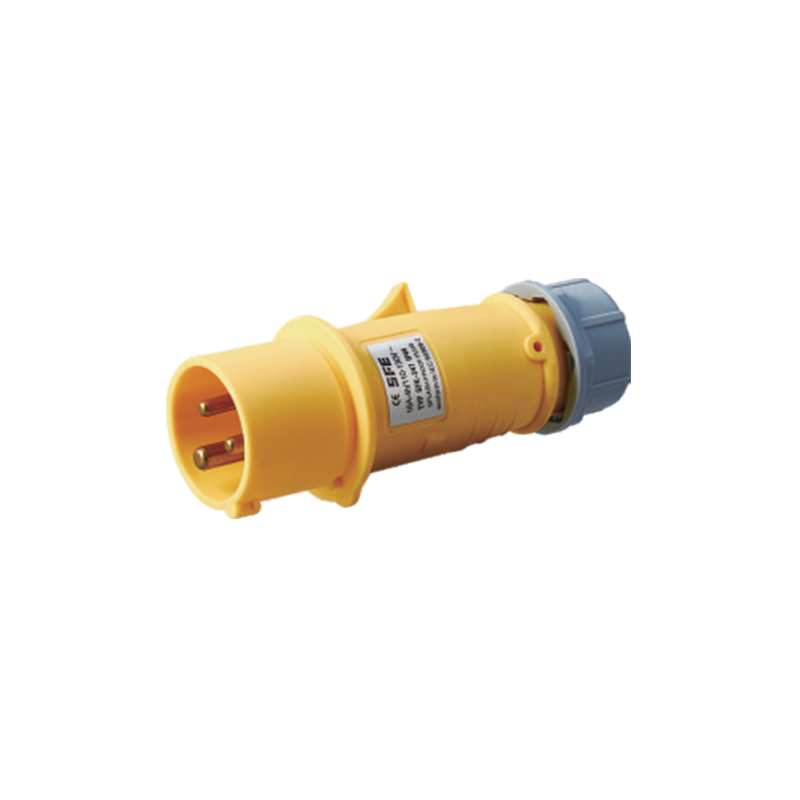
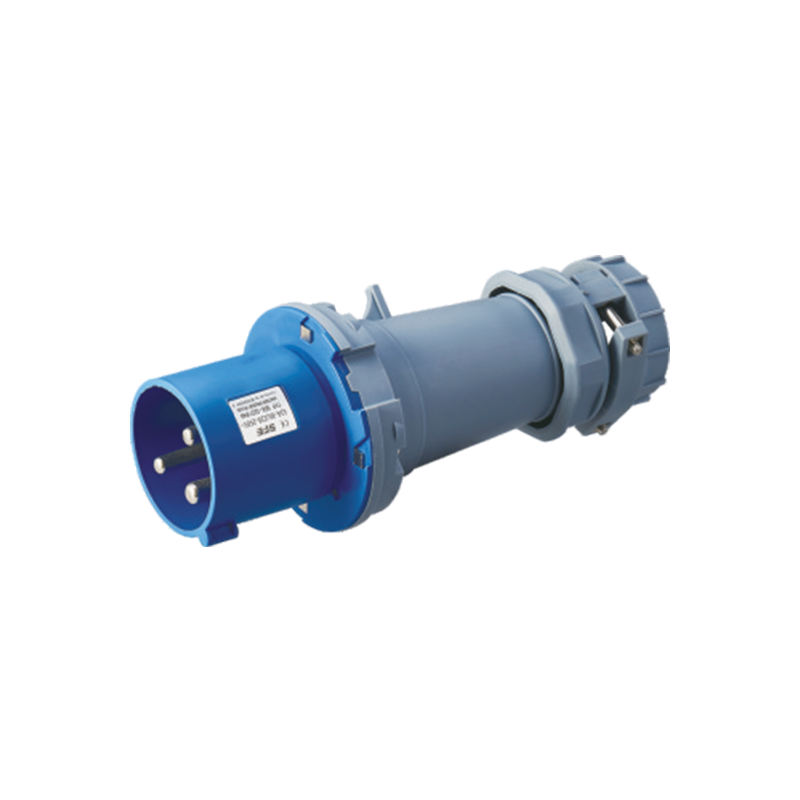

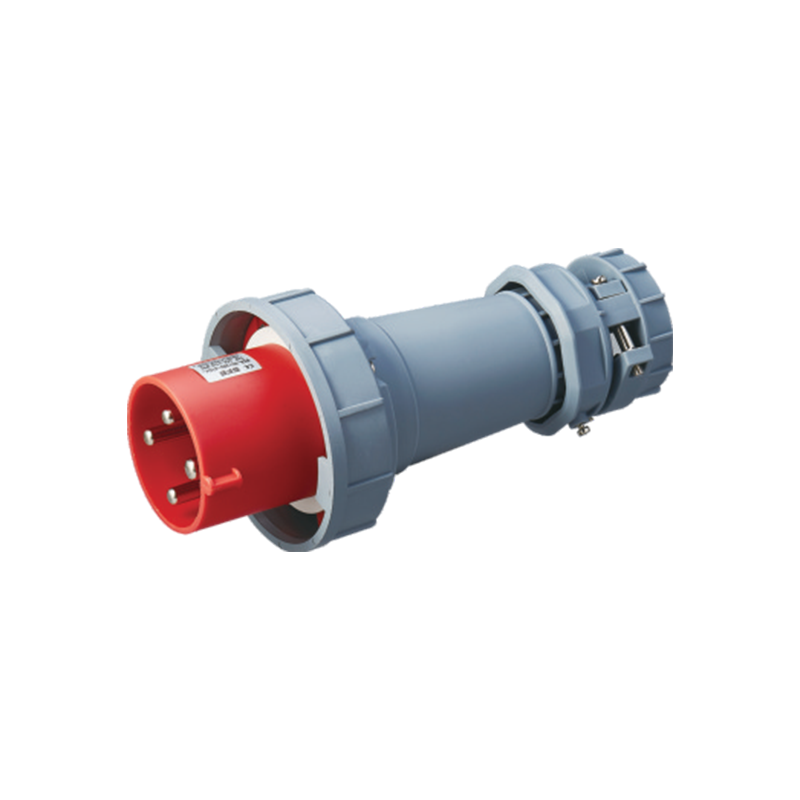
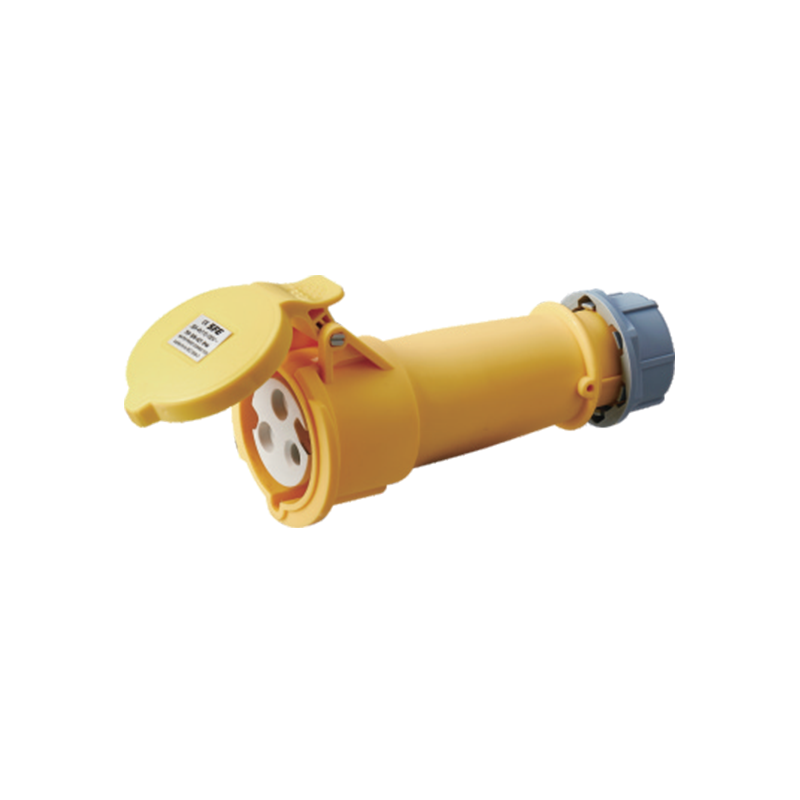
Address: No. 199, Weiwu Road, Yueqing Economic Development Zone, Zhejiang Province, China.
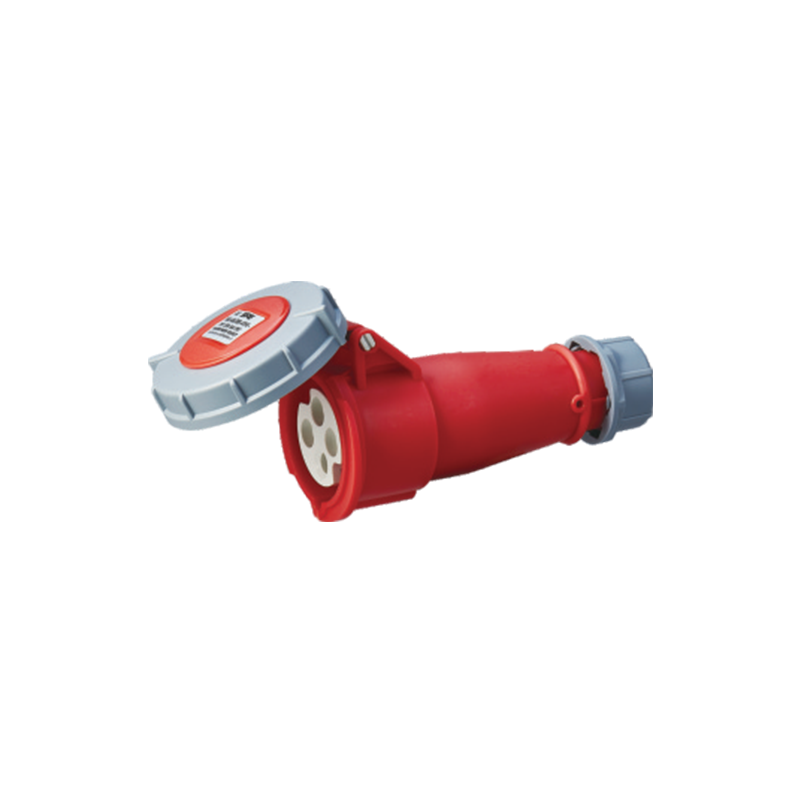
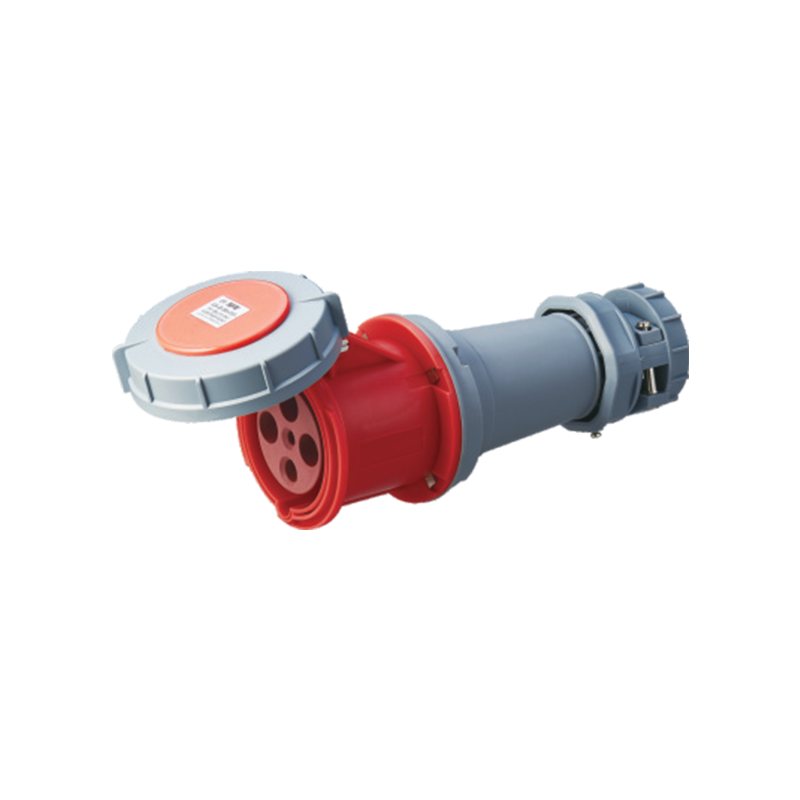
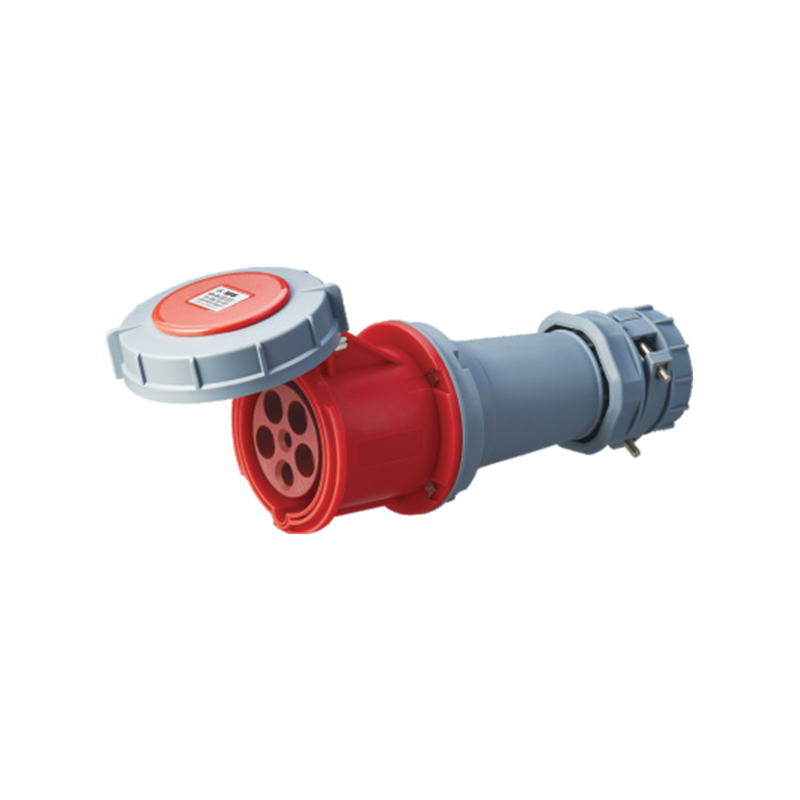
Which 240V Industrial Plug Works Best for Your Equipment and Site Conditions
Most teams focus on machines and panels, then treat connectors as a minor detail. That usually works until a connector starts to fail and the line stops. A 240V industrial plug is a small item that can cause big disruption if it is not matched to the load or the environment. This piece walks through what matters in practice — how to pick a plug, what to check during a demo or site audit, and how to keep connectors reliable in daily use.
Why the right 240V industrial plug matters on the shop floor
A connector carries current, end of story. But the way it carries current affects heat, wear, and safety.
On a typical plant floor, connectors are exposed to vibration, grease, dust, knocks and frequent handling. A cheap or mismatched plug may:
- Run hot under heavy or repeated startup currents
- Work loose after repeated connects and disconnects
- Suffer insulation damage from chemicals or UV exposure
- Lead to arc faults if contacts are degraded
Those problems slow the line down and cost more in the long run than the extra cost of a better connector. The objective is to match the plug to the real working conditions: current profile, duty cycle, mounting arrangement, and the environment.
What to check before you buy
Don't start by looking at catalogs. Start by collecting facts you will need during vendor talks and demos.
Practical prep list
- Record the actual load: measure running current and start-up surge if possible.
- Note the duty type: continuous, intermittent, or frequent on/off cycles.
- Sketch the intended installation: panel mount or cable-mounted, straight or angled.
- Describe the environment: indoor clean room, oily workshop, or outdoor temporary site.
- List handling conditions: will operators use gloves, will the plug be dropped often?
With that information, you avoid guesses and get useful answers quickly.
Match rating and configuration to real loads
The basic error is picking a plug just rated for the nominal voltage and current printed on the machine. Two more points matter a lot:
Start-up or inrush current
Motors and compressors draw extra current at start. If the plug's contacts heat up during repeated starts, insulation and contacts will degrade faster.
Duty cycle
A plug used continuously at near its rating must manage heat differently than one used intermittently. Check the manufacturer's guidance on continuous load versus intermittent duty.
Also confirm phase and earthing arrangement. Some 240V systems are single-phase, others are part of a three-phase distribution. Matching pin layout and phase type to your system prevents wrong wiring and unsafe modifications.
Choose the right housing and protection level
The physical shell matters more than it looks. Consider these factors:
- Impact resistance
Choose a housing material that resists knocks and drops. Construction sites need much tougher shells than tidy workshops.
- Heat tolerance
Near ovens or compressed air dryers, materials that resist thermal aging extend service life.
- Chemical resistance
Grease, solvents and cleaning agents can attack housings and seals. If your site uses such agents, pick materials rated for chemical contact.
Locking, strain relief and ergonomics
Little design details affect daily use more than specs.
Locking mechanism
A secure locking system prevents accidental disconnection under load. Twist-lock or cam-lock designs are common; test how easily operators can release the lock while wearing gloves.
Strain relief
Good strain relief keeps cable stress out of terminals. Poor relief causes terminal loosening and intermittent contacts over time.
Grip and weight
For frequent plugging, choose ergonomic shapes and grips. Heavy or awkward plugs increase the chance of drops and rough handling.
Straight vs angled plugs, and cable vs panel mount
Layout decides form factor.
- Straight plugs are simple and work well where space behind equipment is clear.
- Angled plugs are better where clearance is limited or cables must run along a wall.
- Cable-mounted plugs are for portable equipment.
- Panel-mounted sockets are for fixed installations and often provide sturdier mounting and better strain relief.
Before ordering, mock-up the cable routing and check how connectors will sit once installed.
| Use case | Key requirement | Recommended feature |
|---|---|---|
| Fixed machine, long run | Heat control and stable contact | Panel-mounted socket, high contact pressure |
| Mobile tool, frequent connects | Impact and handling durability | Reinforced shell, ergonomic grip |
| Outdoor temporary power | Water and dust resistance | High IP rating, corrosion resistant contacts |
| Charging station, frequent cycle | Contact wear resistance | Wear-resistant pins, easy inspection access |
Use this as a guide when speaking with suppliers and during demos.
What to look for during a demo or site test
Running the real recipe or load is the best test. If the supplier offers a demo, come prepared and watch carefully.
Demo checklist
- Run the actual load or a worst-case load with repeated starts. Observe temperature of the plug after 15 and 60 minutes.
- Monitor for any flicker or voltage drop at the equipment terminals.
- Check the feel of the lock—does it engage firmly and release without excessive force?
- Observe how easy the plug is to handle with gloves.
- Test insertion and removal cycles, say 50 times, to see if locking or strain relief loosens.
- Ask the vendor to show the contact surfaces and any plating material used.
If the supplier refuses to run a realistic load, that is a red flag.
Practical safety and compliance items
Safety is not optional. Keep paperwork and on-floor checks tight.
- Certification and standards
Ask for compliance documents that match your local electrical standards. Certified products make inspections and insurance reviews simpler.
- Labeling
Label plugs and sockets with circuit IDs and rated current; it simplifies checks and prevents mis-plugs.
- Torque settings and terminal checks
During installation, terminals must be tightened to the manufacturer's torque. Loose terminals are a leading cause of heat build-up.
- Lockout procedures
Ensure plugs can be locked out for maintenance, and that lockout points are easy to use.
Maintenance and inspection that actually works
Maintenance should be simple enough that it actually happens. A few short checks every shift and a proper routine every week or month will prevent surprises.
Daily quick checks (takes a few minutes)
- Visual: cracks, deformation, discoloration.
- Feel: any looseness when plugged in.
- Warmth: touch the body; unusual heat signals trouble.
Weekly checks
- Tighten terminal screws to torque spec.
- Inspect strain relief and cable entry.
- Clean contacts if the design allows access and the manufacturer permits it.
Monthly or quarterly
- Measure contact resistance on critical plugs.
- Inspect insulation visually and with a megger if recommended.
- Replace seals or gaskets showing wear.
Document these checks. A short log helps spot trends and justifies part replacement before failure.
Spare parts and stock strategy
You do not need to hoard parts. A small, sensible stock avoids long waits and keeps downtime short.
Suggested on-site spares
- Two sets of product-contact seals and gaskets.
- One spare socket and one spare plug for critical circuits.
- A small batch of replacement pins or contact inserts if available.
- A basic maintenance kit: terminal screwdrivers, cleaning swabs, torque wrench.
Rotate the stock and track consumption. If a part fails unusually quickly, investigate root cause rather than simply ordering more.
Troubleshooting flow for common connector issues
When a connector shows symptoms, follow a short diagnostic path before replacing parts.
Short diagnostic steps
- Check the upstream supply and load profile to rule out supply issues.
- Confirm mechanical fit and locking engagement. Poor locking often causes intermittent contact.
- Inspect terminals for discoloration or pitting. Burn marks point to heating.
- Measure voltage drop under load. Large drops imply high contact resistance.
- If vibration is present, check strain relief and mounting.
Work from the simplest checks to the more technical ones. This saves time and avoids unnecessary part swaps.
Questions to ask a manufacturer or supplier
When you speak to vendors, use these practical questions to separate substance from sales language.
Useful supplier questions
- What materials are used for contacts and plating? (Ask for specifics rather than brand claims)
- What IP rating does this model have in real conditions, not just lab testing?
- Do you provide a torque spec for terminal screws and a recommended maintenance schedule?
- What is the expected insertion/withdrawal cycle life?
- Can you provide references with similar use cases?
- What spare parts come with initial delivery, and what are lead times for replacements?
Good suppliers provide concise, operational answers and documentation.
Scaling and future proofing
Think ahead. If you will expand or automate, pick connectors that fit future plans.
Considerations for growth
- Control compatibility for remote monitoring or safety interlocks.
- Modular panel designs that allow additional sockets without rewiring the whole board.
- Spare parts availability for at least five years.
- Standardization across your facility to reduce training and spare parts complexity.
Small planning choices now save considerable effort when you expand.
A few real-world tips from the floor
- Mark critical plugs with color or tags so operators know which circuits are essential.
- During commissioning, include a short connector checklist in the acceptance test.
- Avoid cable twists near the strain relief—twist concentrates stress.
- If you use outdoor temporary power, store spares in waterproof containers on site.
- For frequently used plugs, schedule preemptive replacement rather than waiting for visible failure.
These tips come from teams that run busy lines and prefer predictable maintenance windows.
A 240V industrial plug is a small piece of the system, but it plays a clear role in reliability and safety. Matching the connector to the actual load, the environment, and the handling patterns avoids a lot of repeated trouble. Use realistic demos, insist on clear documentation and maintenance specs, and keep a modest spare parts kit on hand. Those practical steps prevent small problems from becoming production stops.
