
 English
 Español
 中文简体
中文简体


Address: No. 199, Weiwu Road, Yueqing Economic Development Zone, Zhejiang Province, China.
How a Waterproof Industrial Plug Keeps Your Plant Running — Practical Guide for Buyers and Operators
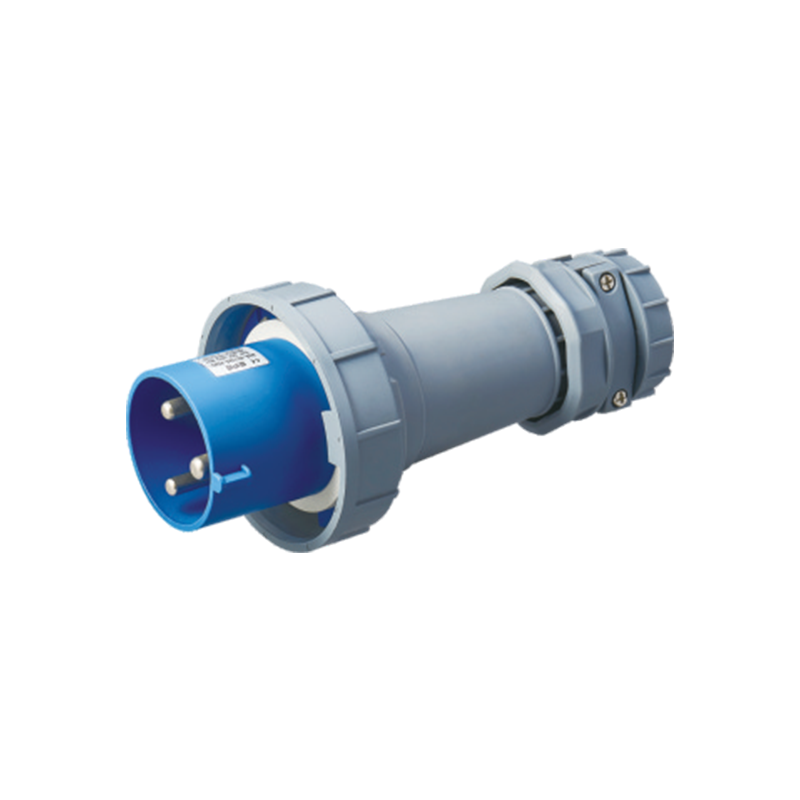
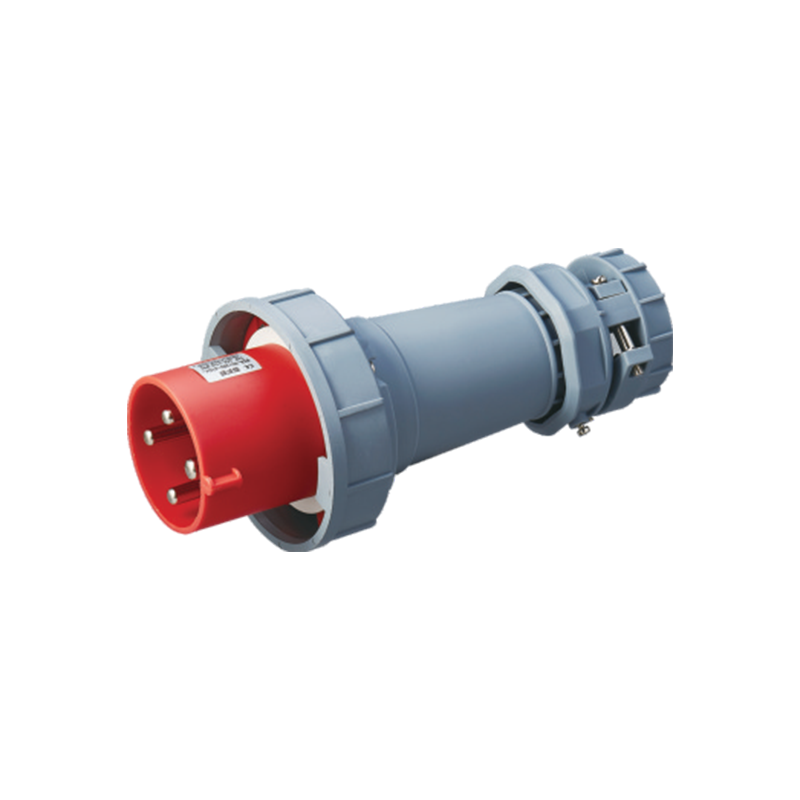
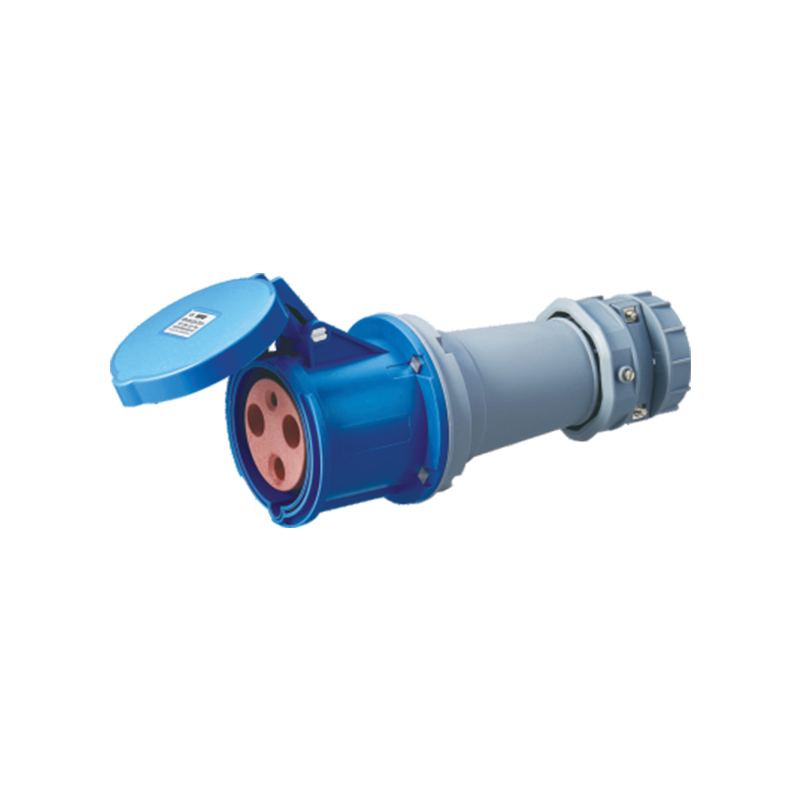
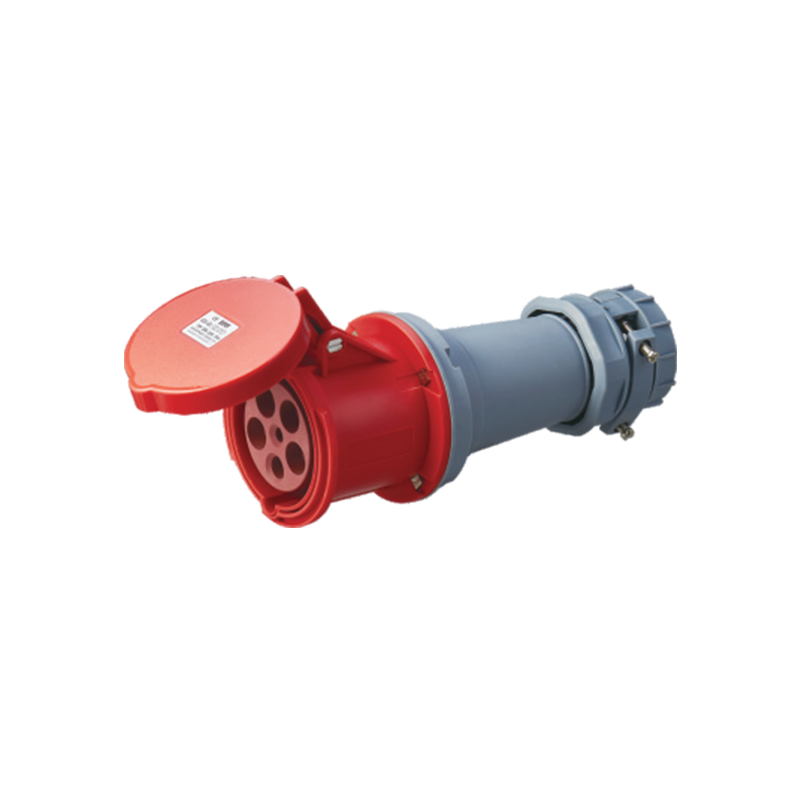
A Waterproof Industrial Plug is one of those small items people glance over until something fails — then everyone notices. Put bluntly: a bad or poorly chosen plug leads to downtime, safety headaches, and unplanned maintenance budgets. Choose wisely, install carefully, and maintain it regularly, and that same tiny component will quietly protect equipment, people, and production schedules.
Why waterproof plugs matter more than you think
You may think "it's just a plug," but in harsh environments, a plug is the first line of defense. Water, dust, and chemicals make electrical contacts unreliable. The result? Tripped circuits, intermittent faults, or in worst cases, fires or equipment damage.
Three reasons these plugs deserve attention:
- Safety — Wet or corroded contacts can short and cause sparks. That's dangerous around flammable atmospheres.
- Reliability — A sealed connector maintains contact integrity so motors, controls, and instrumentation run without hiccups.
- Cost control — Replacing a failed connector — and any collateral damage — is cheaper when you pick the right part first.
Think of industrial plugs as insurance. Cheap plugs give you cheap insurance. Properly specified plugs yield predictable performance. That's the difference between reactive firefighting and steady operations.
Real-world scenarios where waterproof plugs save the day
A few short, practical stories:
- At a small food processing plant, splash from cleaning cycles caused several sensor failures. Swapping to IP67-rated plugs cut reactive maintenance calls by half.
- On a coastal pump station, standard connectors corroded within months. Changing to marine-grade plugs with proper gaskets extended service life and prevented salt-induced outages.
- During a winter build, anti-icing heaters failed intermittently because the plug insulation became brittle at low temperatures. Cold-rated plugs fixed the issue.
You see a pattern: the environment dictates the failure mode. Match plug selection to the site, and you avoid a lot of grief.
How to choose the right waterproof industrial plug — practical checklist
Below is a practical buying checklist you can hand to procurement or your electrical tech. Don't buy blind.
Voltage & current rating
- Match the plug's rating to the application. Don't underspec.
- If you have variable frequency drives or sensitive electronics, verify compatibility (harmonic currents, inrush current handling).
Material and corrosion resistance
- For salty or chemical environments, stainless or polymer housings with corrosion-resistant contacts are advisable.
- If metals are used, ensure they're protected (e.g., plated contacts, sealed housings).
Temperature range
- Indoor ambient vs outdoor extremes: pick plugs rated for the coldest and hottest expected temps.
- Some plastics get brittle in low temps; some seals lose elasticity with heat.
Mating cycles and mechanical robustness
- How often will the plug be disconnected? Some designs tolerate hundreds more mating cycles than others.
- Look at mechanical strain relief and locking mechanism quality.
Cable gland and sealing system
- The sealing between cable and plug must match cable diameter and jacket type.
- Proper glands prevent water wicking along conductors.
Certification and standards
- Don't assume a product meets your local rules without documentation.
Ease of maintenance and spare parts
- Can you replace the gasket or insert in the field? Are spare contacts available? These matter for uptime.
If procurement asks for a spec sheet, include these items and ask vendors to confirm each point.
Installation tips that save time and drama
Getting the right plug is half the job. Installing it properly is the other half.
Prep and inspection
- Inspect cable jackets and conductors before assembly. Clean, dry conductors make better seals.
- Measure cable OD and confirm it matches the gland spec. Don't stretch the seal or use a too-small cable.
Torque and mechanical fit
- Follow the manufacturer's torque settings for screws and gland nuts. Over-torquing crushes seals; under-torquing loosens them.
- Use a calibrated torque driver when possible.
Routing and strain relief
- Avoid routing cables near sharp edges or hot pipes. Use protective conduit if necessary.
- Provide service loops or slack to prevent tension on the plug.
Orientation and drainage
- Orient plugs so moisture drains away from the mating face when possible. If the plug is vertical, route the cable exit so the gland faces down.
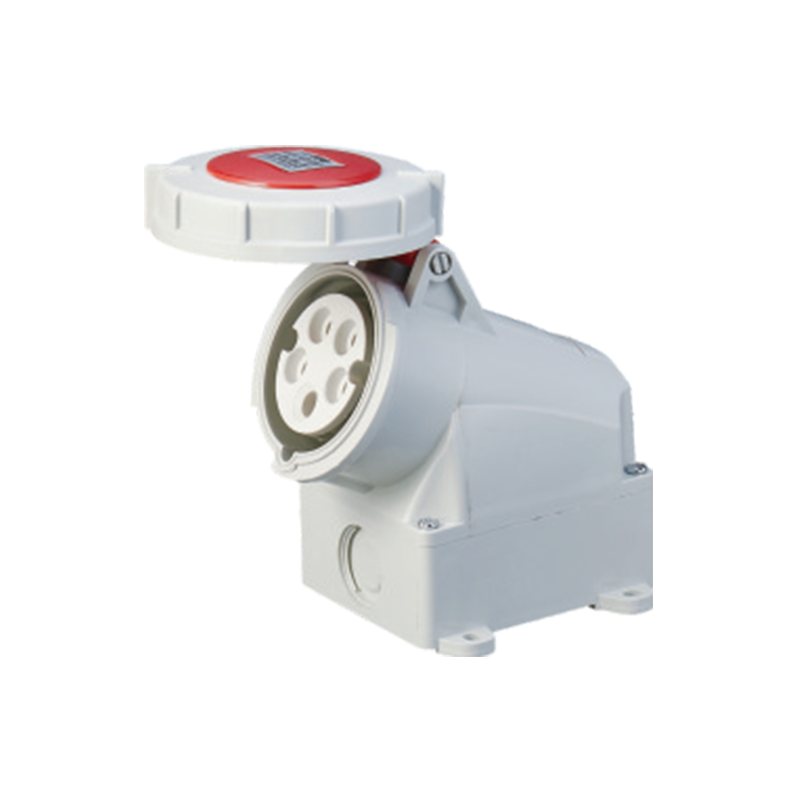
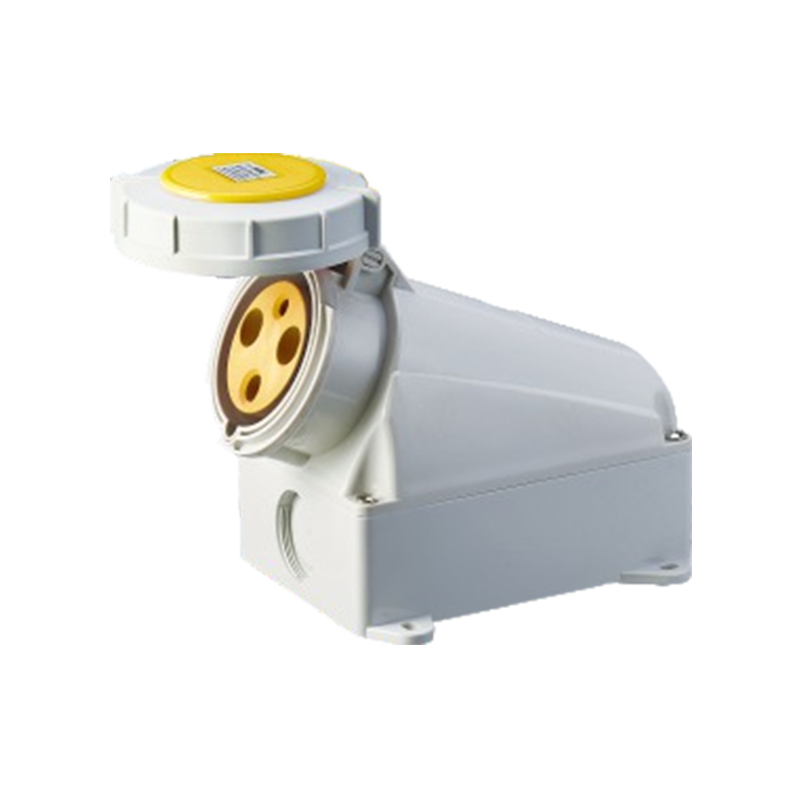
- For mounted sockets, ensure weep holes or designed drainage paths are not blocked.
Locking and secondary retention
- Use mechanical locking or tethering where accidental unplugging would be dangerous.
- For outdoor or vibration-prone applications, a secondary retaining clip or safety strap is cheap insurance.
Quick note: When you run into tight spaces, don't improvise with sealants; use the correct gasket and tighten to spec. Sealants interfere with designed compression and age poorly.
Maintenance routines that actually work (simple schedules)
Most failures are preventable. A couple of focused checks avoids 80% of issues.
Daily / Shift visual
- Look for loose plugs, signs of water ingress, frayed cables, or cracked housings.
- Check that locking clips and strain reliefs are in place.
Weekly
- Inspect contact faces with the plug disconnected — look for corrosion, discoloration, pitting.
- Wipe down surfaces and check gland nuts for snugness.
Monthly
- Torque check on gland nuts and mounting screws.
- Remove and inspect gaskets; replace if flattened, cracked, or hardened.
- Exercise connectors (mate/unmate) if their use frequency is low — occasional movement keeps seals from freezing to mating surfaces.
Annual
- Replace gaskets and seals as a matter of routine if the environment is aggressive.
- Check wiring integrity and use a megger or insulation resistance test on critical circuits.
Keep a maintenance log. Even short notes — date, item checked, any parts replaced — help spot trends and justify preventative budgets.
Common failure modes and quick fixes
Here's the field guide: if you see this, try that.
Symptom: Intermittent power, especially after rain
- Likely cause: degraded sealing or condensation.
- Quick fix: dry the plug, inspect gaskets, reseal/replace gasket if needed. For temporary measure, use a waterproof cover until proper parts arrive.
Symptom: Corrosion on contacts
- Likely cause: salt, chemical exposure, or poor material choice.
- Quick fix: replace contacts with properly plated versions and fit a better housing. Short-term: clean contacts with approved contact cleaner and reassemble with fresh gaskets.
Symptom: Overheating at plug interface
- Likely cause: loose contacts, high resistance joint, or undersized connector.
- Quick fix: stop operation, allow cooling, tighten to spec, measure resistance. If resistance remains high, replace contact insert.
Symptom: Plug won't mate smoothly
- Likely cause: misalignment, foreign object, or hardened gasket.
- Quick fix: inspect for debris, align properly, replace gasket if it's stuck or deformed.
Symptom: Cracked housing or brittle plastic
- Likely cause: UV, extreme cold, or poor material choice.
- Quick fix: replace with material rated for your conditions (UV-stabilized polymer or metal housing).
If a failure is recurring, don't keep patching. Investigate the environment and spec the product to the real condition.
Special topics: washdown, marine, and hazardous atmospheres
Washdown environments
- Stainless housings and food-grade seals are worth the investment.
- Route wiring to avoid pooling water and use raised mounting where possible.
Marine/coastal installations
- Salt is brutal. Use marine-grade stainless (316 or better) or polymer housings with sacrificial zinc protection where appropriate.
- Consider sacrificial anodes and isolate dissimilar metals to avoid galvanic corrosion.
Hazardous locations
- Only use plugs certified for the gas/vapor group and temperature class.
- Installation must follow coded practices — don't improvise. Consult an authority or certified installer.
Buying strategy and lifecycle cost thinking
People often buy on price. That's fine until costs from downtime, replacements, and labor are counted. Think lifecycle cost: initial purchase + installation + maintenance + replacement + downtime risk.
A practical approach:
- List failure costs from past incidents. How much did a connector failure cost you in lost production?
- Estimate maintenance savings from better components. If a better plug halves failures, multiply saved downtime hours by your operating cost.
- Check spare parts and vendor support. A cheap plug from an unreliable vendor often means long lead times for spares. That's a hidden cost.
If you manage multiple sites, standardize on a family of plugs and keep a small spares kit per site: a few gaskets, a contact insert, and a gland. This small kit reduces emergency procurement feel.
Vendor questions to ask (don't accept vague answers)
When you talk to suppliers, ask these:
- What's the expected mating cycles for this model?
- Can I get material traceability (if we need it)?
- What are the spare part lead times?
- Do you offer on-site training or installation support?
- Can we test one unit in our environment for a short trial?
If a supplier hesitates or says "we don't have data," treat that as a red flag.
Small checklist you can print and hand to the electrician
- Match plug IP/NEMA rating to environment (washdown, immersion, outdoor).
- Verify voltage/current rating and surge/inrush handling.
- Confirm material resistance for salt/chemicals/UV.
- Route cable to avoid heat and sharp edges; add strain relief.
- Torque gland nuts to spec; mark and log.
- Schedule visual check weekly and full inspection monthly.
- Keep a spare gasket, one spare insert, and one spare locking clip onsite.
The plug that keeps working is worth the effort
You can think of a waterproof industrial plug as a small investment that pays in reduced disruption. The right choice isn't glamorous, but it's practical: match the spec to the site, install per instructions, and maintain it on a schedule. Do that and you'll spend less time chases, fewer evenings scrambling for spares, and more time running a predictable operation.
