
 English
 Español
 中文简体
中文简体
Address: No. 199, Weiwu Road, Yueqing Economic Development Zone, Zhejiang Province, China.
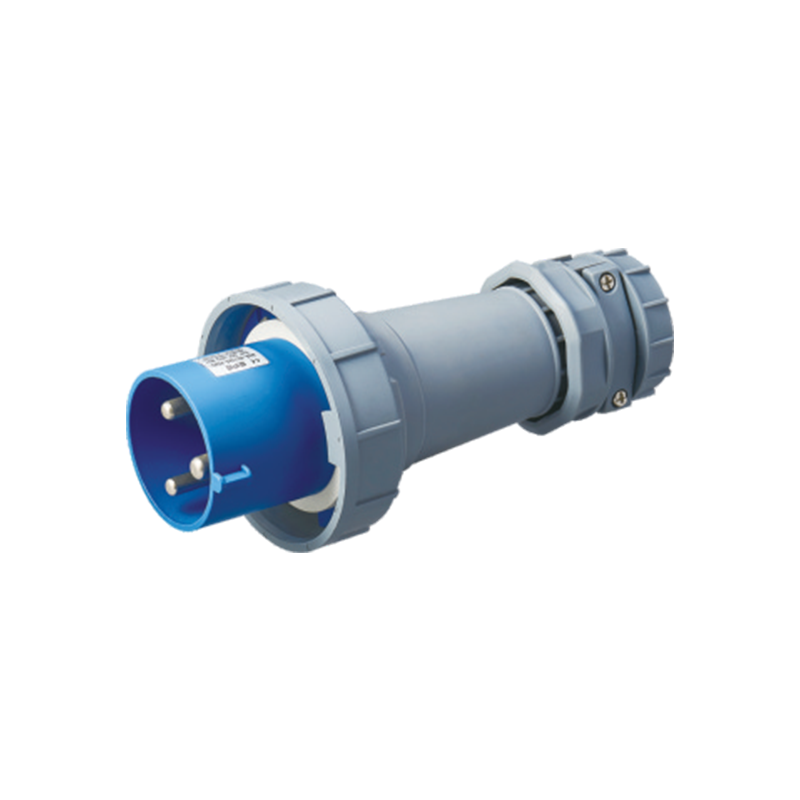
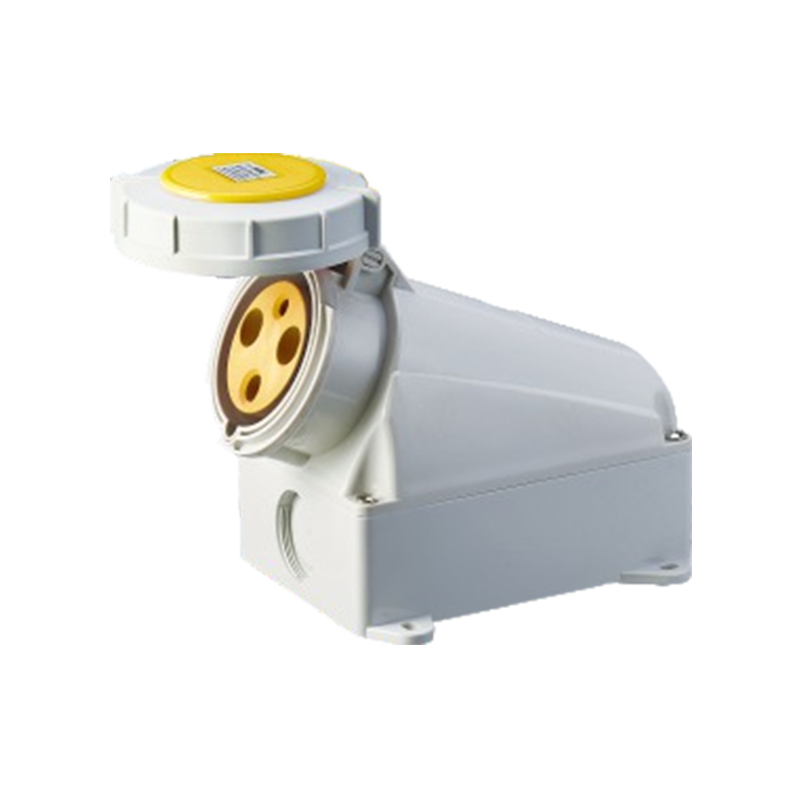
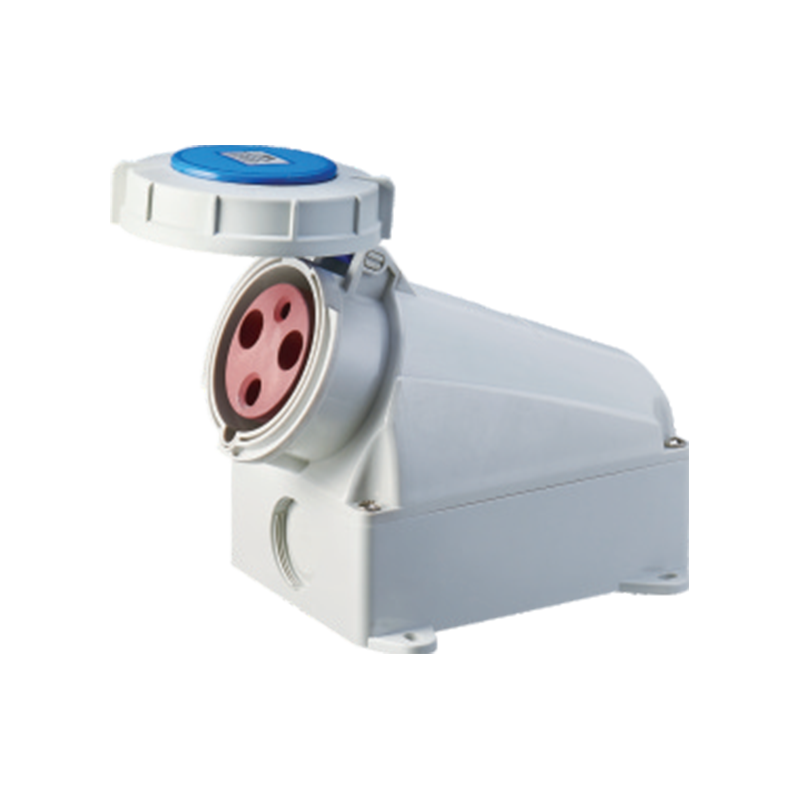
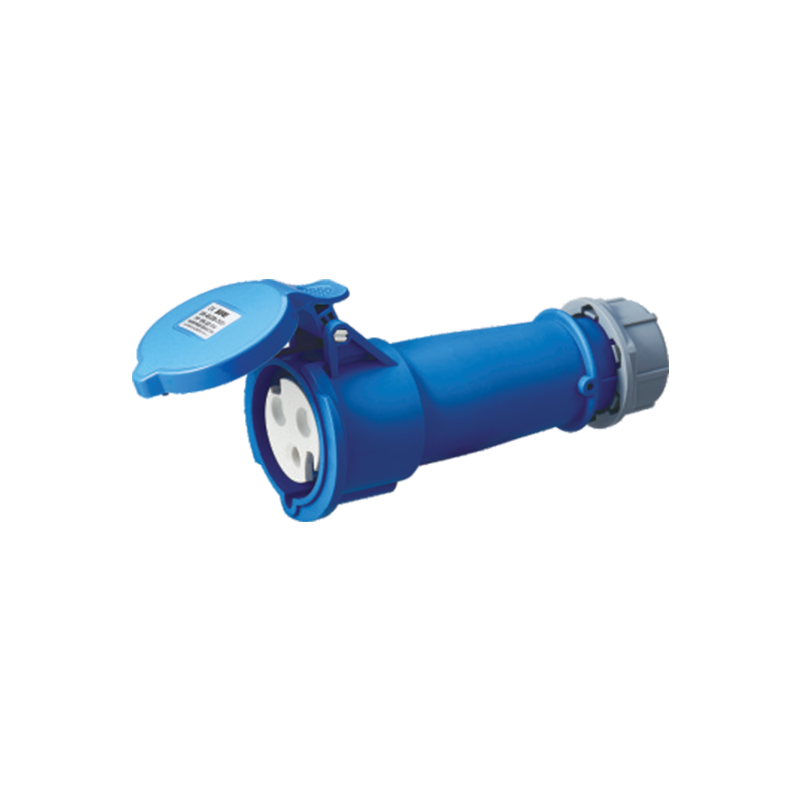
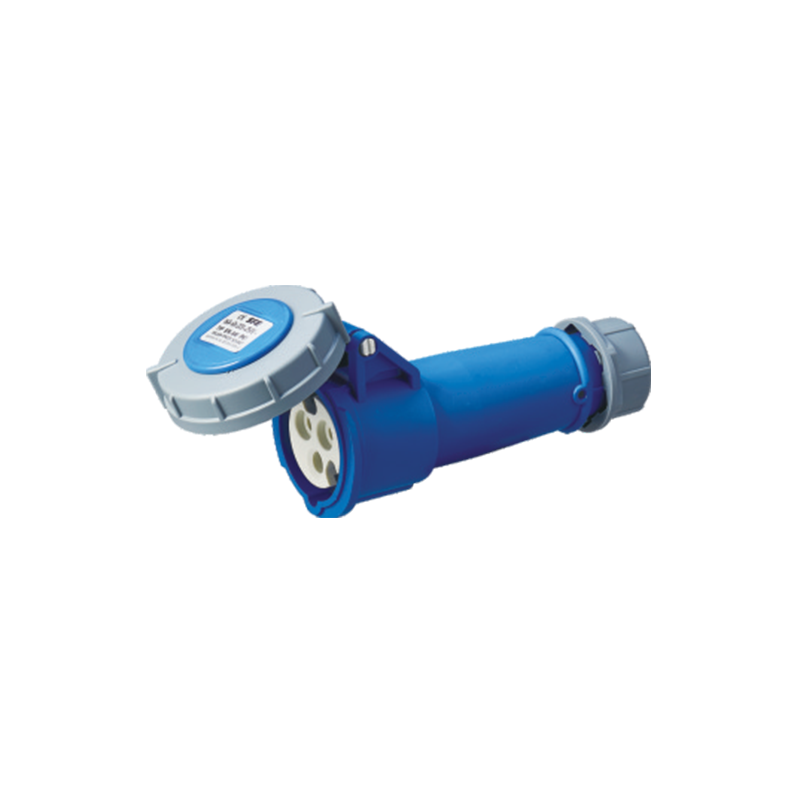
In many work places, electrical power does not come from common household outlets. It comes from connectors made for higher power and tougher conditions. The Waterproof Industrial Plug and the 230v Industrial Plug are used every day in normal operations. They are used where machines need steady power and where the plugs cannot avoid wetness, dust, or physical movement. These plugs are not only for special factories. They are found in many regular tasks that support daily industrial and commercial work.
Knowing where and why a 230v industrial plug is used makes its purpose clearer. It is not just about technical details. It also helps users choose the right plug for their real working conditions. They do not need to guess based on general ideas.
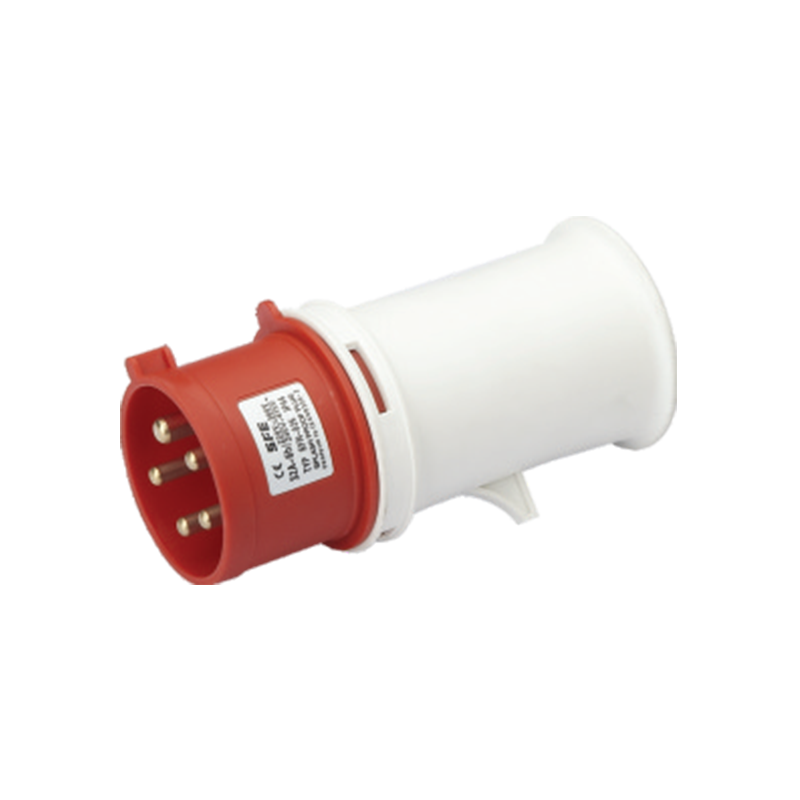
Manufacturing Workshops and Production Areas
Manufacturing workshops are a very common place for 230v industrial plugs. Machines like small presses, conveyor belts, mixers, and helper tools often run on single-phase 230v power.
In these places, plugs are often connected and disconnected. This happens when changing equipment, doing maintenance, or rearranging the floor. The plugs face oil mist, metal dust, and regular cleaning. So, resisting moisture becomes a real need. It is not an extra feature.
A waterproof industrial plug helps here. It keeps electrical parts separate even when the surrounding area is not perfectly clean or dry. This is especially important in shared workshops. Many machines there use the same power system.
Warehouses and Logistics Buildings
Warehouses and shipping centers use electric equipment all day. Charging points for electric pallet jacks, conveyor systems, packing machines, and dock equipment often use 230v connections.
These places usually have changing temperatures. Condensation happens with the seasons. Goods move often. Plugs may be near loading doors where rain or damp air can reach them.
For these jobs, a 230v industrial plug is chosen for a simple reason. It can keep connections stable with normal handling and environmental changes. Waterproof designs help deal with accidental moisture during daily work.
Construction Sites and Temporary Setups
Construction sites are busy places. Power connections there are temporary, moved often, and left outside. Tools like concrete mixers, cutting saws, site lights, and temporary offices usually need 230v power.
Daily use on sites brings dust, rain, mud, and bumps. Plugs might be pulled on the ground, stepped on, or connected in dirty conditions.
A waterproof industrial plug is common here. It lowers the chance of connection problems from weather and dirt. The goal is not to remove all risk. The goal is to give a better, more controlled connection for daily work that needs steady power.
Farms and Outdoor Equipment
On farms, 230v industrial plugs are used with watering systems, grain handlers, feed machines, and repair tools. These often work outside or under roofs that are not fully closed. Moisture and dirt are normal.
Daily farm work can have morning dew, water from hoses, or changing weather. Electrical connections must handle this. They should not need constant fixing.
Waterproof industrial plugs are used for these routine jobs. They power pumps or service tools where there is no access to a fully enclosed electrical room.
Food Processing and Kitchen Areas
Food processing areas focus on cleanliness and daily washing. Equipment like mixers, slicers, packing machines, and conveyors often use 230v power.
Daily cleaning brings water and soap into the area. Electrical connections here must handle repeated wetness. It is not just occasional splashing.
Here, a waterproof industrial plug helps keep electrical parts separate from moisture during cleaning. Its use supports daily production without needing to unplug things often or add extra covers.
Commercial Buildings and Repair Work
Outside of factories, many office buildings use 230v industrial plugs for maintenance. Floor scrubbers, portable air conditioners, and temporary power setups often use this voltage.
Maintenance workers connect equipment in basements, parking garages, or service hallways. These places are often damp and have poor air flow. They are not extreme places, but they have steady, low-level moisture.
A 230v industrial plug gives a standard connection for these daily jobs. It offers predictable use and simple installation.
Event Spaces and Temporary Power
Event halls, show spaces, and outdoor markets often use temporary power systems. These are built and taken down regularly. Lights, sound gear, food appliances, and support systems may use 230v power.
Daily setup and pack-up increase wear and tear. Plugs can get misaligned or exposed to weather. Outdoor events add rain and temperature changes.
Waterproof industrial plugs are often used here. They support being plugged and unplugged many times. They also handle accidental moisture during the daily running of an event
Repair Shops and Service Centers
Repair shops and service garages use power tools, vehicle lifts, air compressors, and cleaning equipment every day. These places mix mechanical work with electrical systems.
Oil, cleaning fluids, and temperature changes are normal. Plugs might be near workbenches or in floor outlets where dirt is more likely.
Using a 230v industrial plug for these daily jobs gives a better connection than a normal home plug. This is especially true where equipment is moved or changed often.
From manufacturing to farm work, the 230v Industrial Plug is a daily tool. Its value comes from reliable performance in ordinary, demanding conditions. The Waterproof Industrial Plug design specifically tackles the ever-present challenge of moisture. This makes it a practical choice across many different daily applications. It provides a safe and steady link for power where people work every day.
