
 English
 Español
 中文简体
中文简体

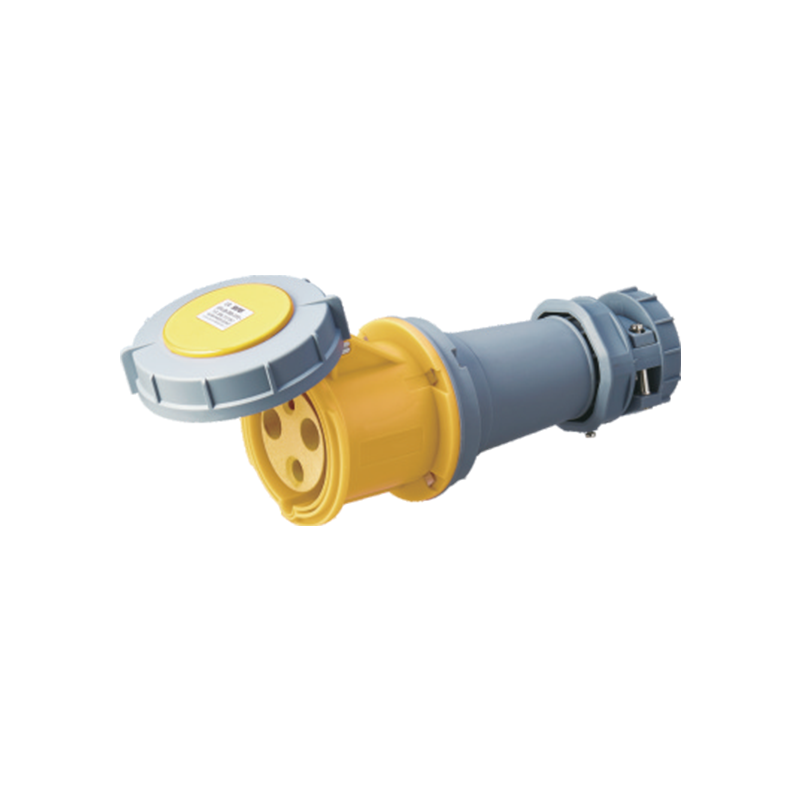
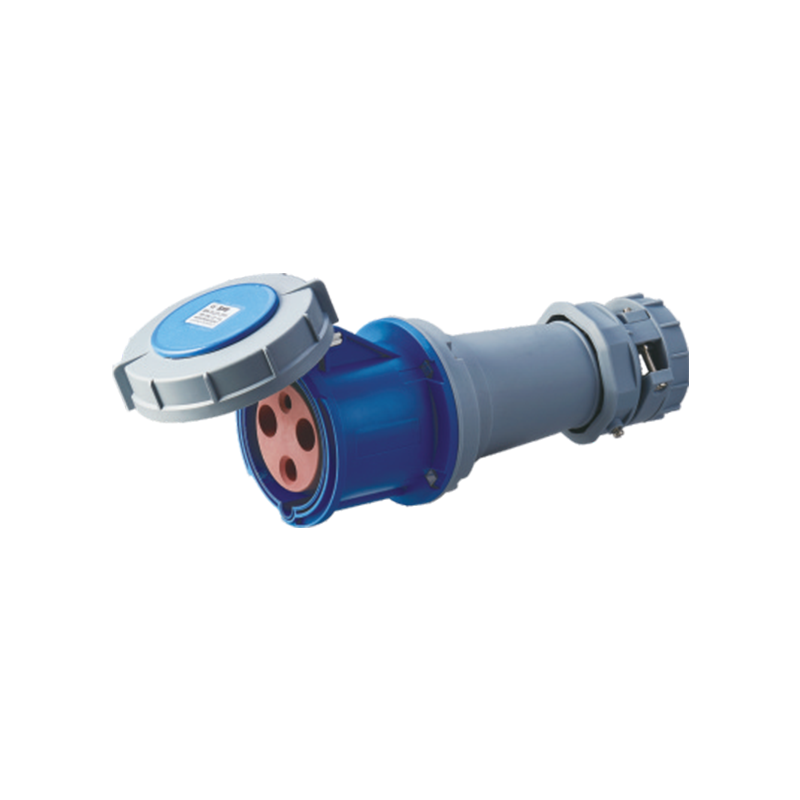
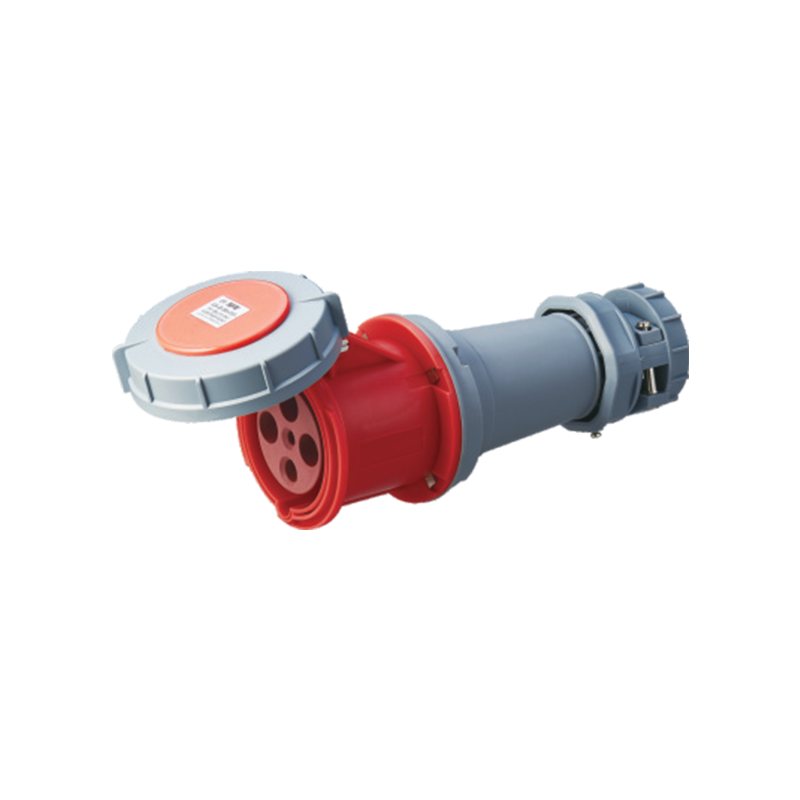
Address: No. 199, Weiwu Road, Yueqing Economic Development Zone, Zhejiang Province, China.
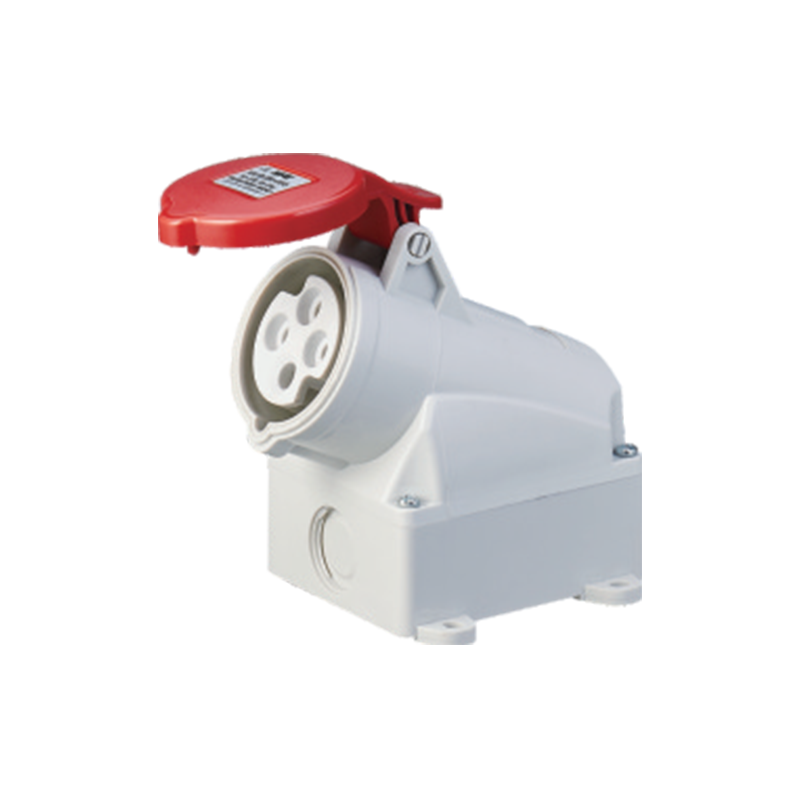
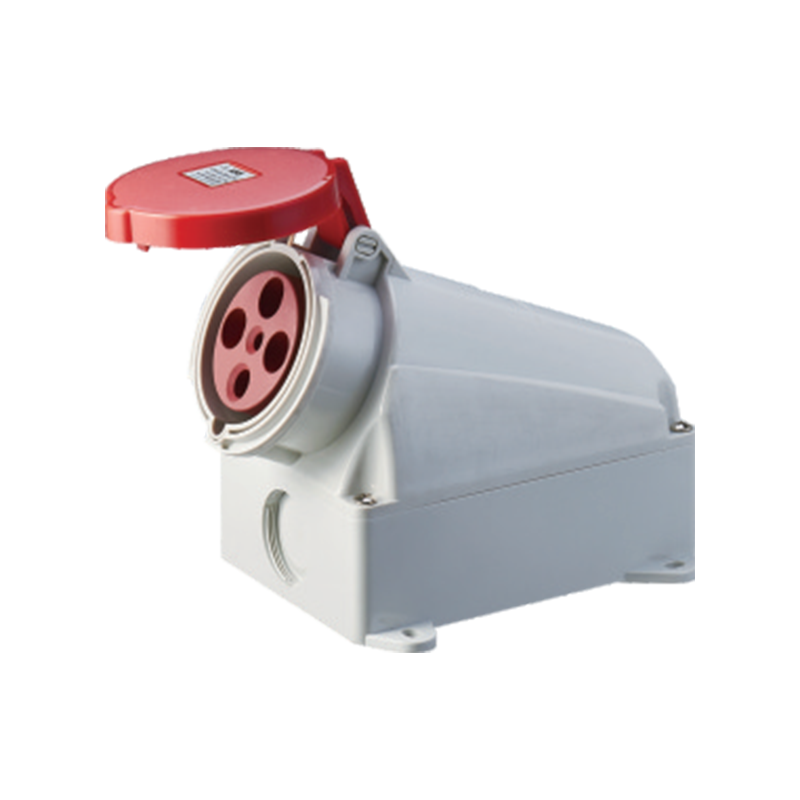
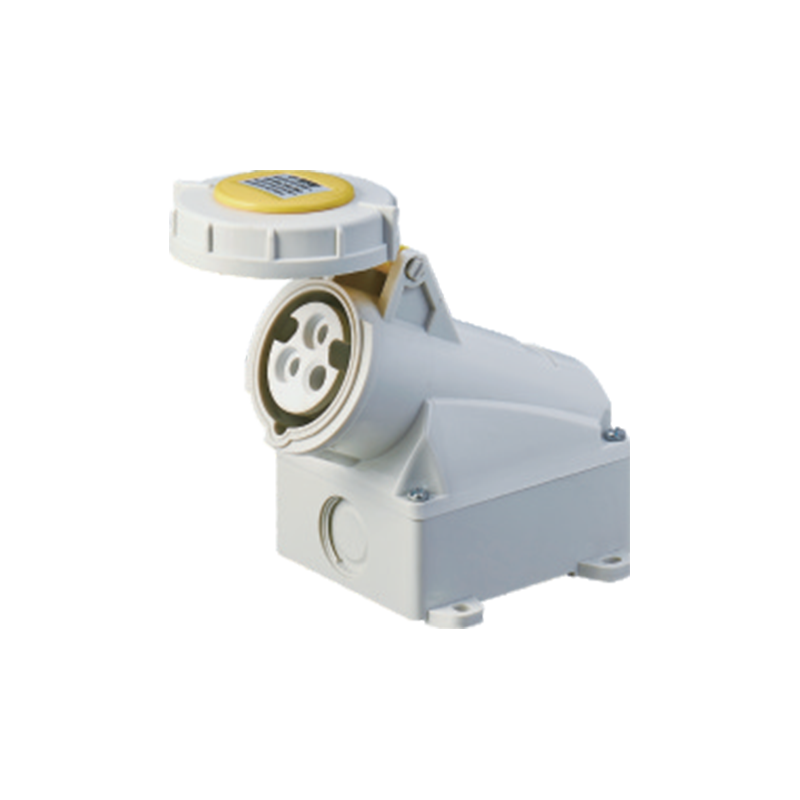
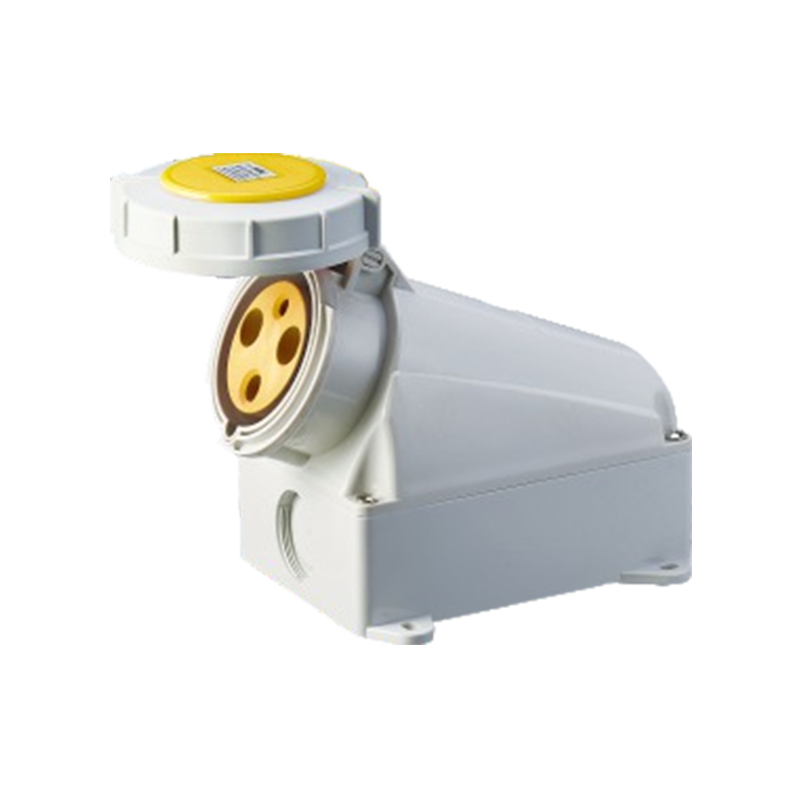
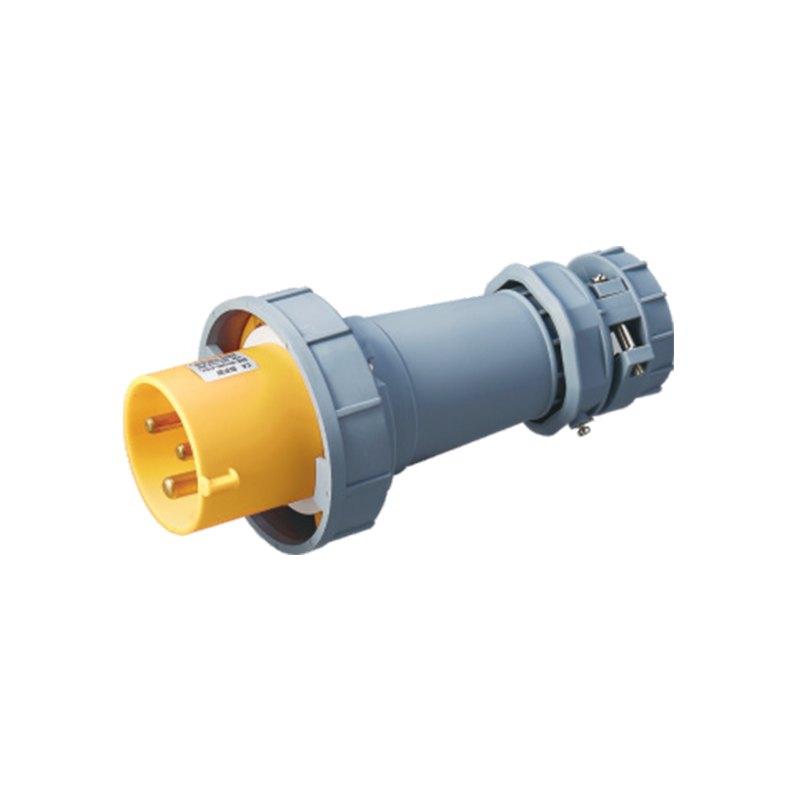
Daily machine use needs steady power. People often look at different plugs and sockets before choosing. An Industrial Connector used with a 3-Pin Plug Socket is common in workshops and for portable machines. Knowing when this choice is better helps people decide well and avoid problems that could stop a machine from working right.
Situations Needing Stable Grounding
A 3-pin setup has a ground pin. This helps control electricity when a machine's power need goes up and down. Some machines have metal frames, moving parts, or lots of vibration. These machines need stable grounding for a steady electrical path.
If equipment starts and stops often or has power surges, grounding keeps the current flow predictable. A two-pin connector does not have a ground wire. A grounded 3-pin setup reduces problems from sudden current changes. Industrial Connectors made for steady current work well here. This makes the 3-pin type good for tools whose load changes during the day.
Machines Used in Active, Moving Places
Machines in workshops, temporary sites, or outdoors often move. The machine itself might move, or workers might handle the cables. A 3-Pin Plug Socket has three contact points. This balance helps keep the connection good even if the cable shifts.
Industrial Connectors often have locks or latches. These make the link even more stable. Together with a 3-pin socket, the connection stays firm during movement. This setup is good for hand-held tools, mobile equipment, and machines that get moved often while running.
Machines with Medium Power Needs
Some machinery does not need very high power. It works in a middle range that fits standard 3-pin connections. Examples are small cutters, bench-top machines, test equipment, portable pumps, and medium workshop tools.
A 3-pin setup can support these power levels well. The connector is not overloaded. Industrial Connectors used with these sockets keep a stable link through daily use. If a machine does not need extra wires for signals or more power paths, the simple 3-pin grounded design is an advantage.
Where Safety During Power Spikes is Important
Even machines with steady use can have sudden power spikes. This happens when a motor starts or meets resistance. A 3-Pin Plug Socket is often picked because its ground wire helps manage these spikes safely.
For equipment that switches between low load and active work like cutting or drilling, the ground gives predictable performance. Industrial Connectors used here add more contact stability. They lower the risk of a loose connection during a load change. People who need their equipment to stay steady during these shifts usually prefer the 3-pin type.
Use in Dirty or Damp Areas
The work place can make a 3-pin socket a good choice. Workshops with sawdust, metal dust, or moisture can dirty the contacts. Many 3-pin socket housings have insulation and protection. This helps keep dirt and water out.
Industrial Connectors often have sealed housings that match these sockets. For machines in woodshops, construction sites, or damp outdoor areas, the 3-pin type helps keep contact performance consistent. It is not for fully waterproof needs, but it is good for moderate environmental protection.
Need for Quick, Easy Connections Every Day
Many workers like a system that is fast to connect. Machines moved between stations, used outdoors, or shared by different people need quick plug-in.
The shape of a 3-pin socket makes alignment easy. The ground pin helps guide the plug into the right spot. Industrial Connectors with these sockets give clear feedback when plugged in fully. For rental tools, portable equipment, or machines used in different shifts, this daily convenience is a practical benefit.
Machines Without Complex Wiring Needs
Some industrial machines need many power lines or data wires in one plug. For those, a connector with many pins is better. But many machines just need one power circuit with a ground.
A 3-Pin Plug Socket fits equipment that only needs reliable power, not extra signals. Examples are compressors, grinders, mixers, and mid-size cutters. Industrial Connectors for these uses keep strong contact without the complexity of many pins.
Keeping Cable Care Simple
Cable routing and maintenance is easier with a simple 3-pin grounded design. Machines that need regular cable checks or changes benefit from a simple, clear connector.
The 3-pin setup allows for a fast visual check. Industrial Connectors with clear housings make it easy to see wear or damage. When maintenance staff must check cables quickly, this design saves time and reduces mistakes during busy work.
Machines in Training or Shared Spaces
Training areas need equipment that is safe and easy to use. A 3-pin socket is a familiar design with predictable results. This helps new users avoid errors.
Industrial Connectors made for this socket give secure contact and firm locking. This makes the system good for schools, training workshops, demo labs, and shared work areas where users may not be experts.
Machines Needing a Clean Electrical Ground
Some machines have sensitive parts like sensors or speed controls. These parts need a stable ground to work right. The machine may not use high power, but it needs a clear ground to prevent odd behavior.
A grounded 3-pin setup, plus a well-made Industrial Connector, provides this consistency. It is suitable for equipment where electrical noise or a bad ground could upset the control system.
