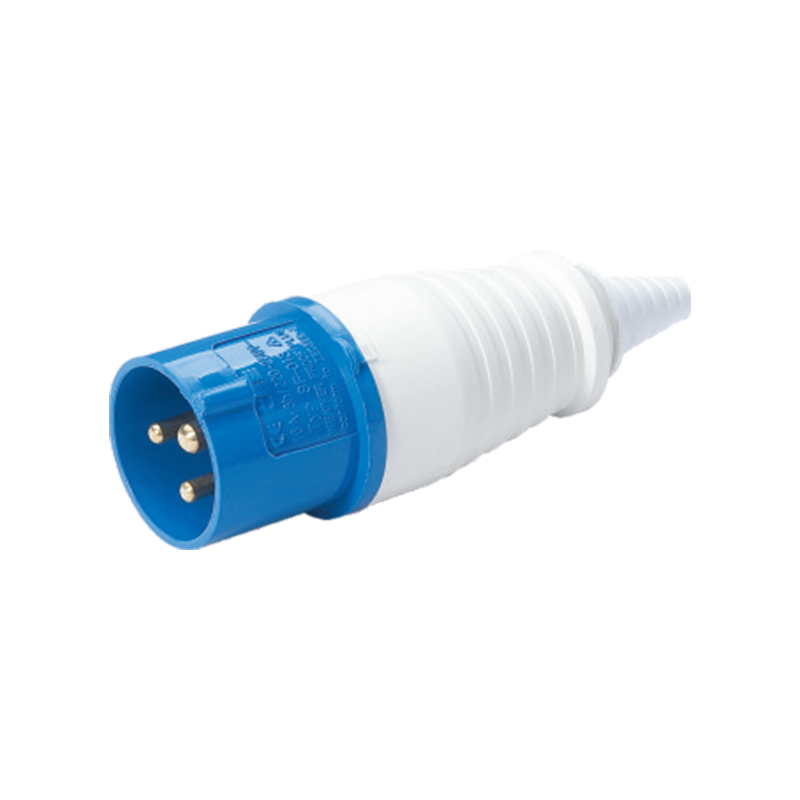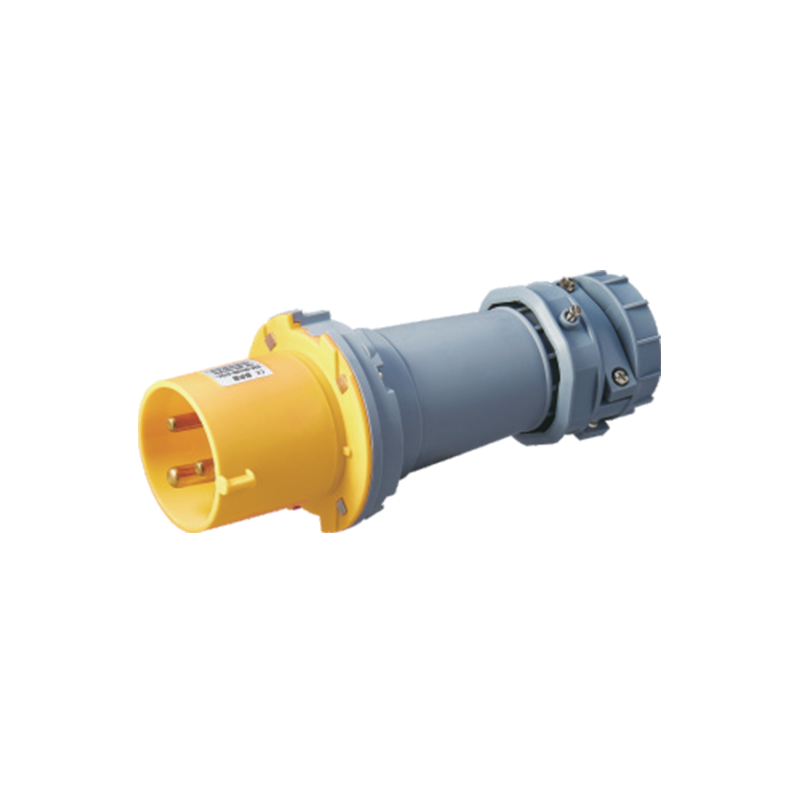
A low-voltage industrial plug carries 24V, 48V, or 110V into equipment, control panels, and tool connections. The voltag...
READ MORE
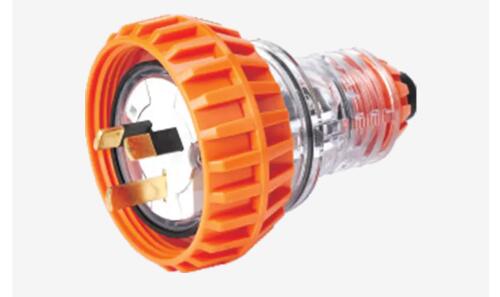

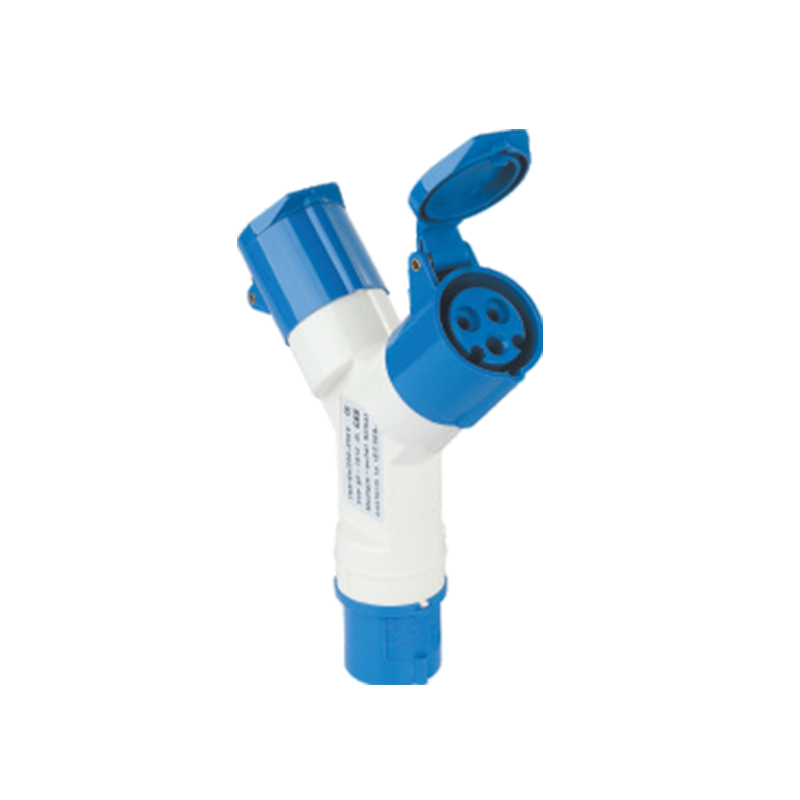
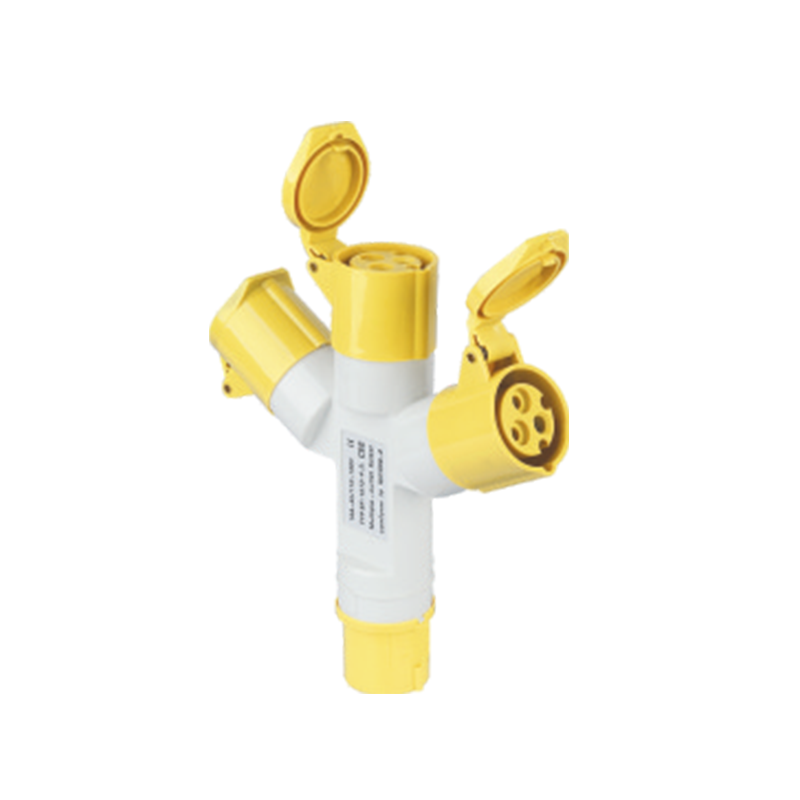
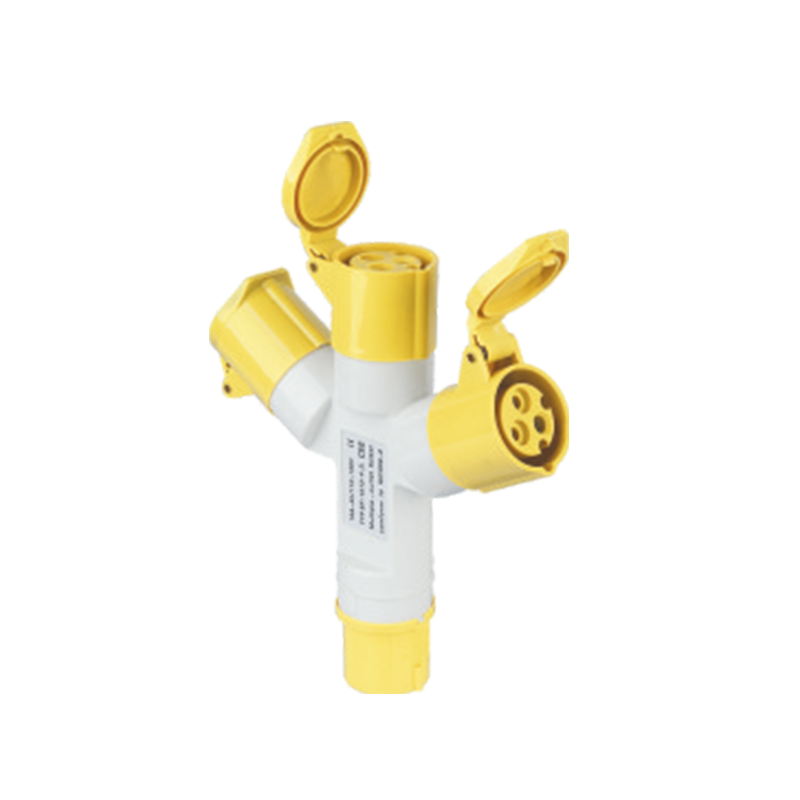
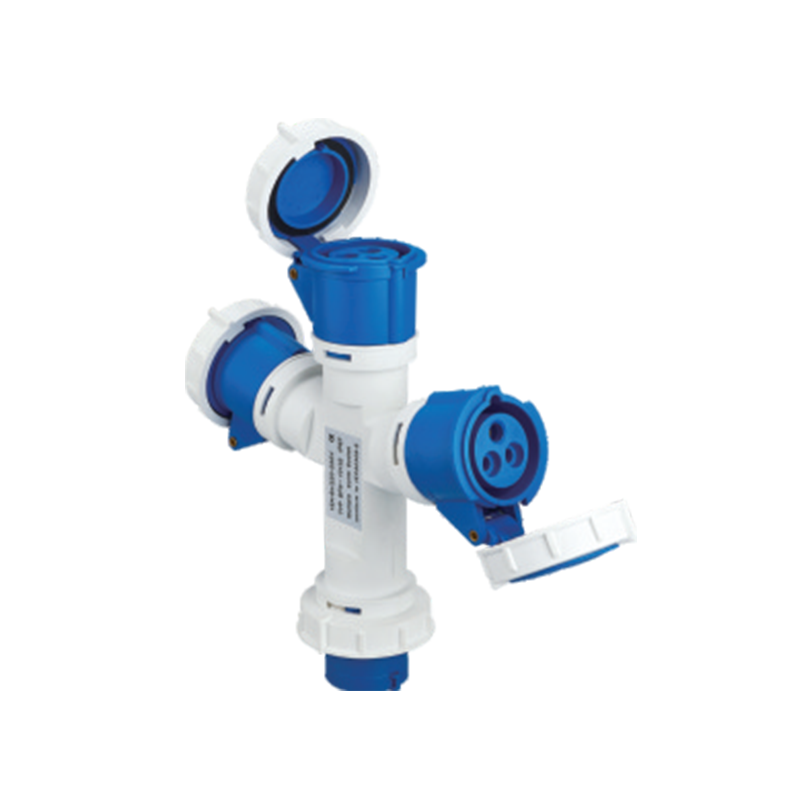
| Code: | SF-1012-4 |
| Input: | 110V 2P+E |
| Output: | 16A 110V 2P+E |
| Protection degree: | IP44 |
| Color: | Yellow |
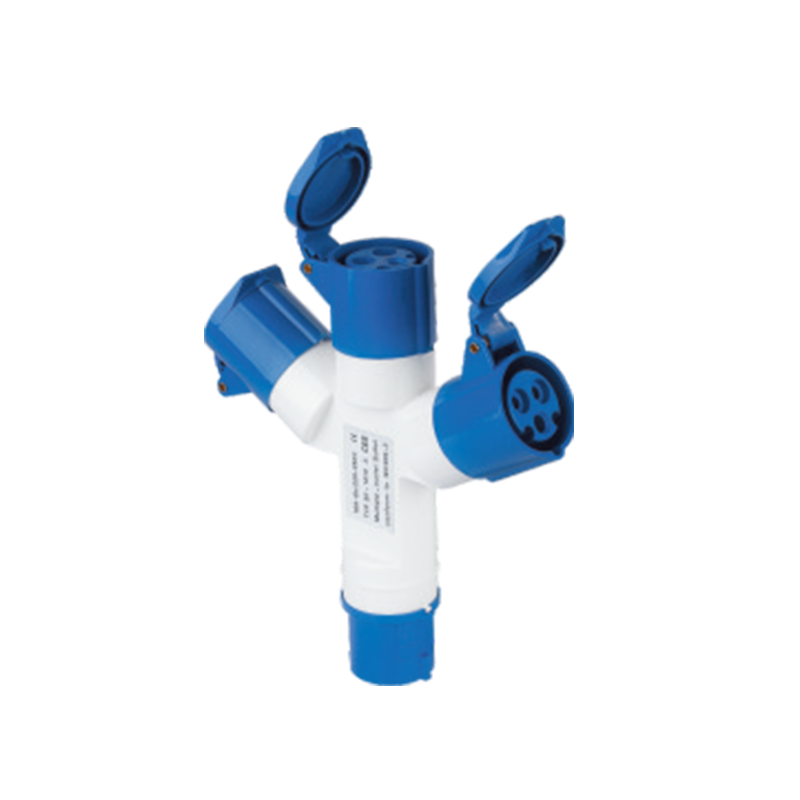
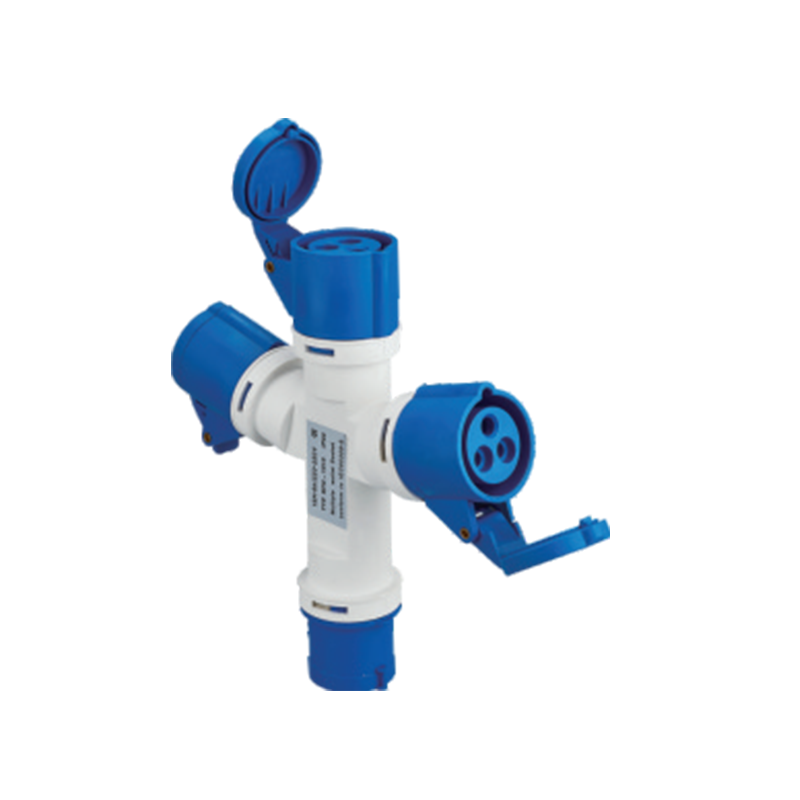
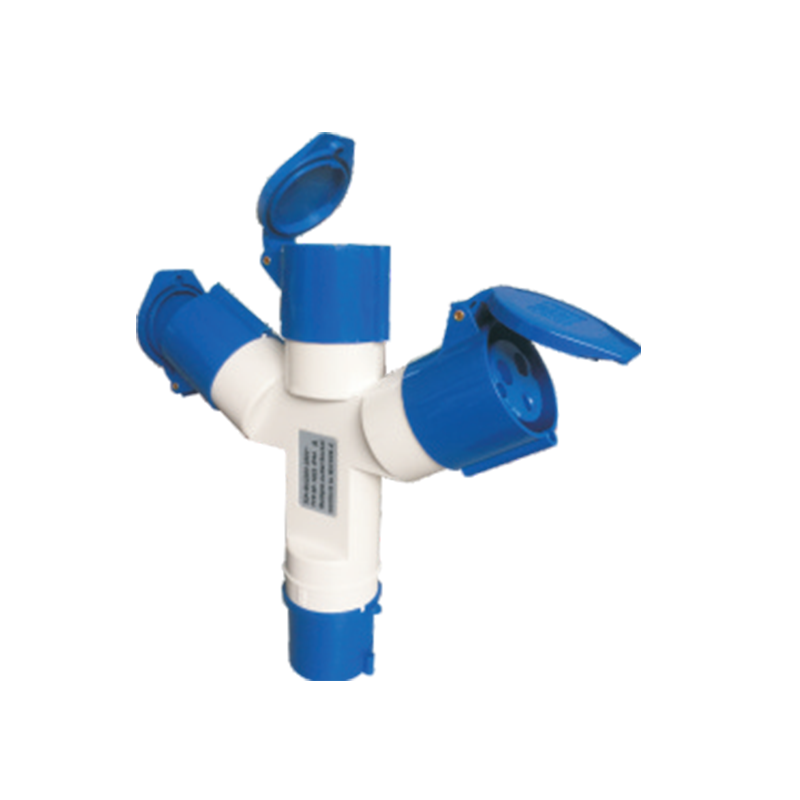
| Code: | SF-1012 |
| Input: | 220V 2P+E |
| Output: | 16A 220V 2P+E |
| Protection degree: | IP44 |
| Color: | Blue |
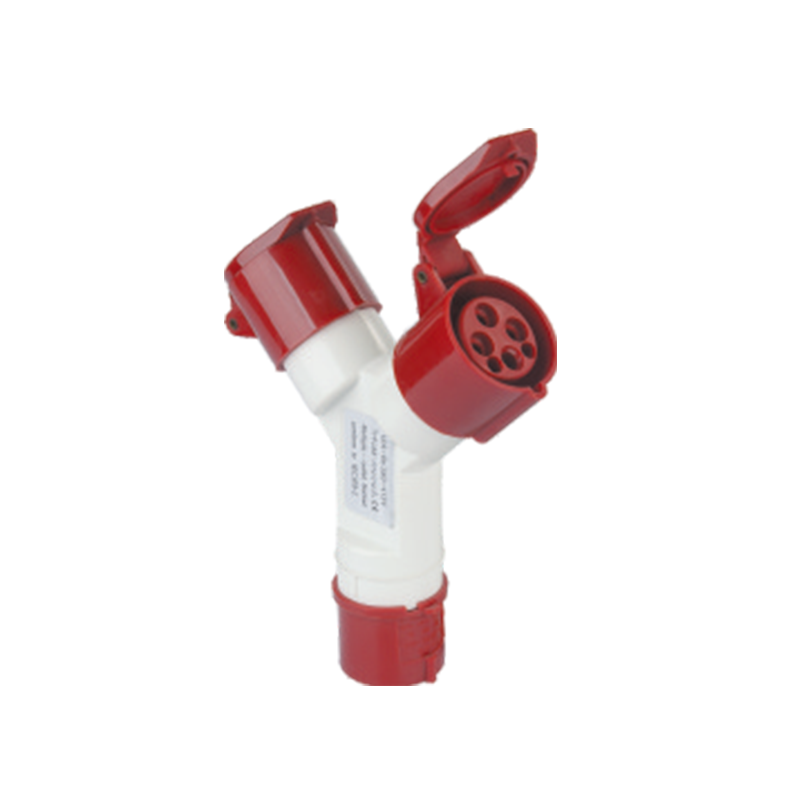
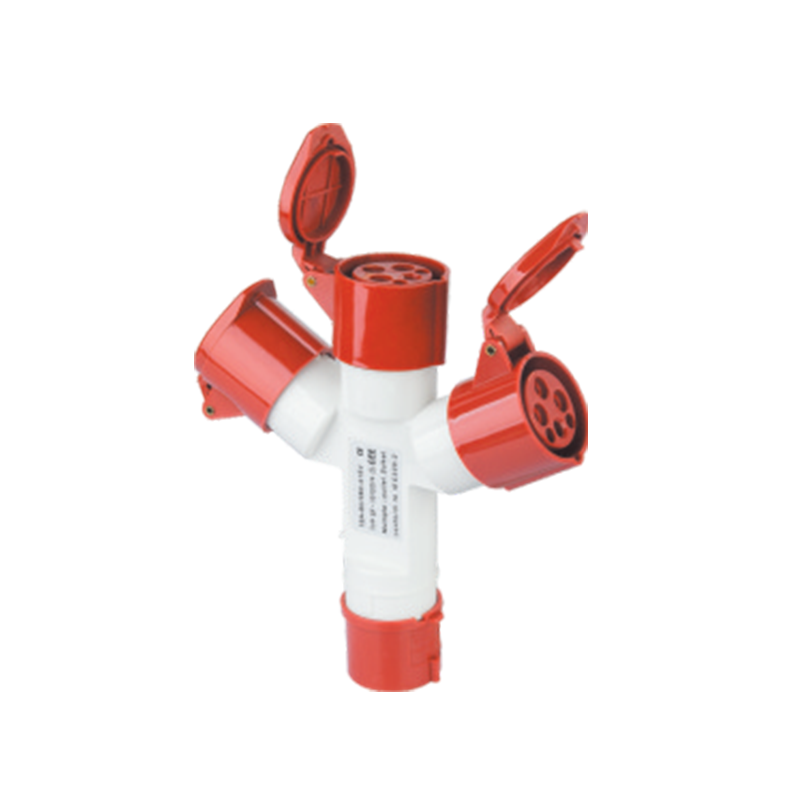
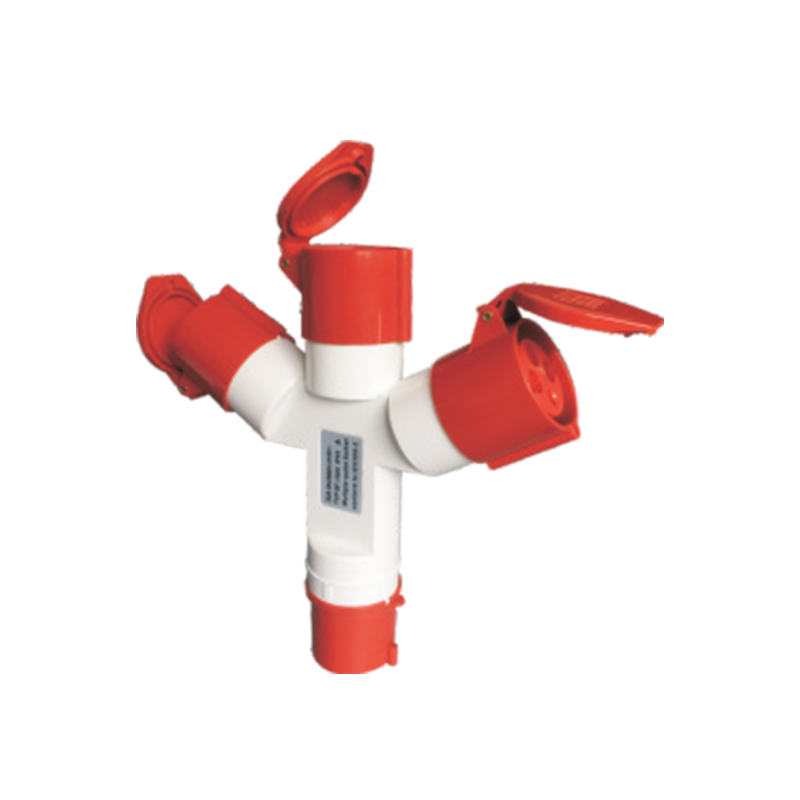
| Code: | SF-1012/4 |
| Input: | 380V 3P+E |
| Output: | 16A 380V 3P+E |
| Protection degree: | IP44 |
| Color: | Red |
| Code: | SF-1013-4 |
| Input: | 110V 2P+E |
| Output: | 16A 110V 2P+E |
| Protection degree: | IP44 |
| Color: | Yellow |
| Code: | SF-1013 |
| Input: | 220V 2P+E |
| Output: | 16A 220V 2P+E |
| Protection degree: | IP44 |
| Color: | Blue |
| Code: | SF-1014/214 |
| Input: | 380V 3P+E |
| Output: | 16A 380V 3P+E |
| Protection degree: | IP44 |
| Color: | Red |
| Code: | SFN-1013-4 |
| Input: | 110V 2P+E |
| Output: | 16A 110V 2P+E |
| Protection degree: | IP44 |
| Color: | Yellow |
| Code: | SFN-1013 |
| Input: | 220V 2P+E |
| Output: | 16A 220V 2P+E |
| Protection degree: | IP44 |
| Color: | Blue |
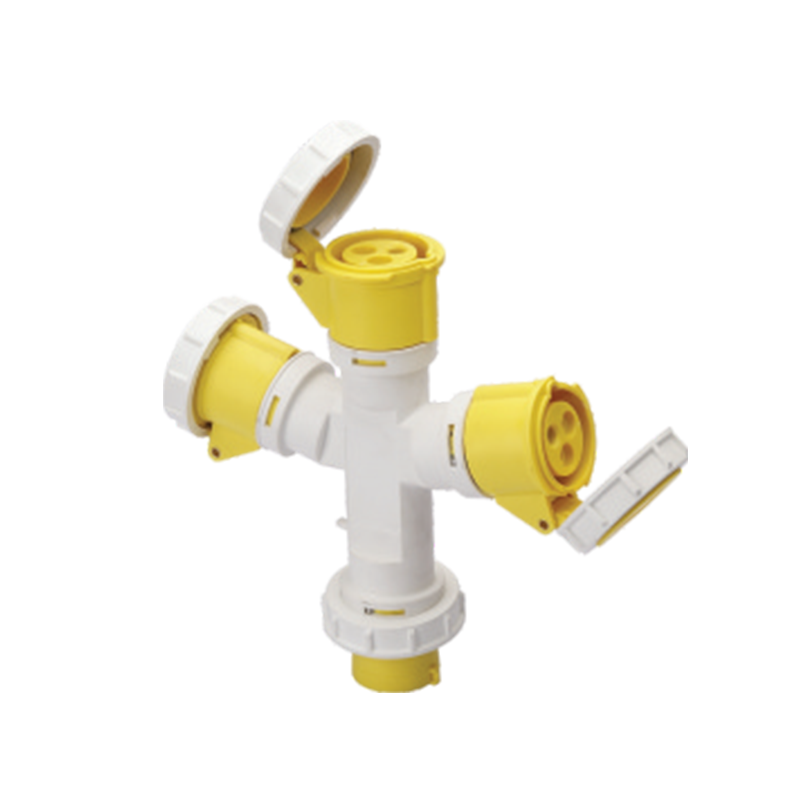
| Code: | SFN-10132-4 |
| Input: | 110V 2P+E |
| Output: | 16A 110V 2P+E |
| Protection degree: | IP67 |
| Color: | Yellow |
| Code: | SFN-10132 |
| Input: | 220V 2P+E |
| Output: | 16A 220V 2P+E |
| Protection degree: | IP67 |
| Color: | Blue |
| Code: | SF-1023 |
| Input: | 220V 2P+E |
| Output: | 32A 220V 2P+E |
| Protection degree: | IP44 |
| Color: | Blue |
| Code: | SF-1024/224 |
| Input: | 380V 3P+E |
| Output: | 32A 380V 3P+E |
| Protection degree: | IP44 |
| Color: | Red |
A low-voltage industrial plug carries 24V, 48V, or 110V into equipment, control panels, and tool connections. The voltag...
READ MORE
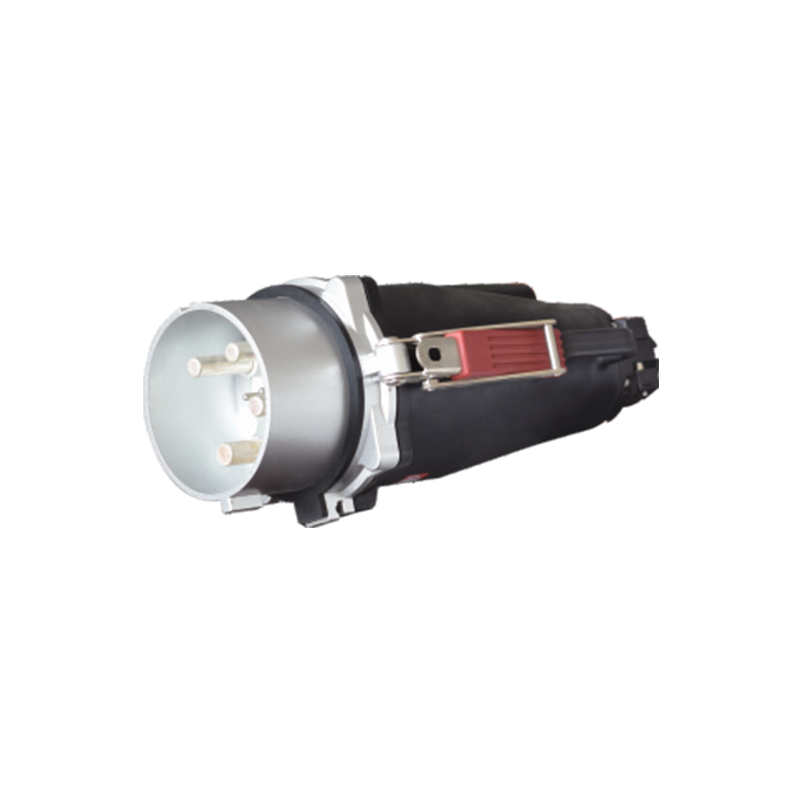
Two hundred amps is not a load you cycle on and off. It runs continuously. Generator output panels. Temporary power dist...
READ MORE
Low voltage does not mean low hazard. A 24V control circuit. A 48V battery bank connection. A 110V site safety supply. T...
READ MORE
Sixty-three amps is not a light load. That current runs distribution boards, stage lighting rigs, construction site tran...
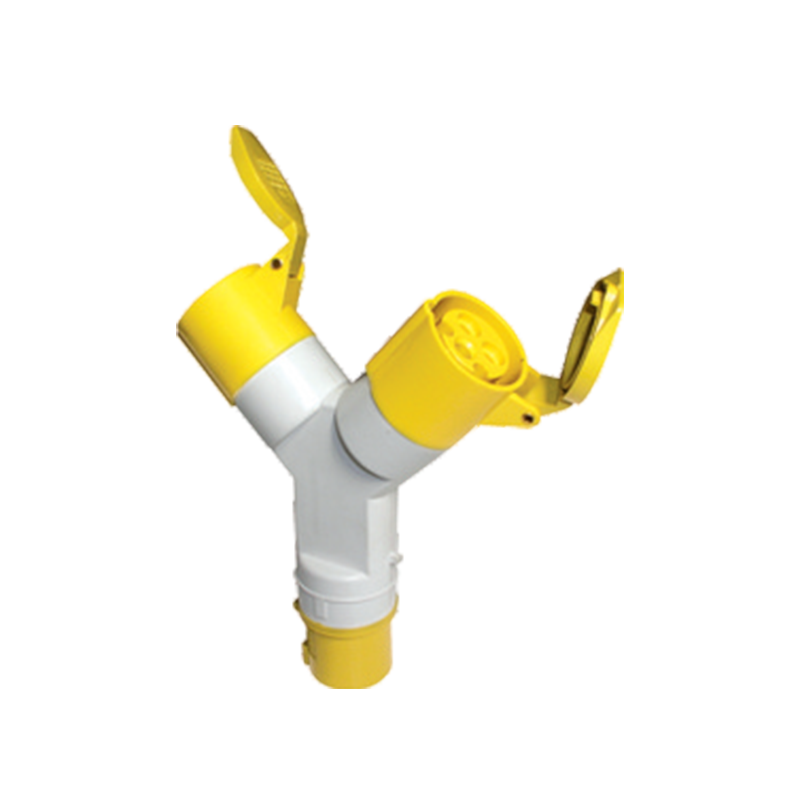
READ MOREOn industrial sites, the socket is rarely "just a socket." It's a decision point that affects downtime, maintenance speed, and operator safety. A well-chosen Multifunctional Industrial Socket can simplify power access across mixed equipment, while a properly specified Single Phase Industrial Socket keeps everyday loads stable and predictable.
What "Multifunctional" Really Means (and why it matters)
In practice, "multifunctional" usually refers to a socket solution that supports more than one real installation need, such as:
The advantage is operational: you reduce the number of different outlets you must stock, maintain, and train people to use correctly—especially in facilities with rotating equipment and temporary setups.
Single-Phase Industrial Sockets: where they fit best
Single-phase power is common for many day-to-day loads, such as:
A Single Phase Industrial Socket becomes "industrial-grade" when it's selected and installed to match the load profile, duty cycle, and environmental exposure—not just the plug shape.
Key Selection Checks (the ones engineers actually use)
When comparing industrial sockets, these checkpoints prevent most site problems: