
 English
 Español
 中文简体
中文简体
Address: No. 199, Weiwu Road, Yueqing Economic Development Zone, Zhejiang Province, China.
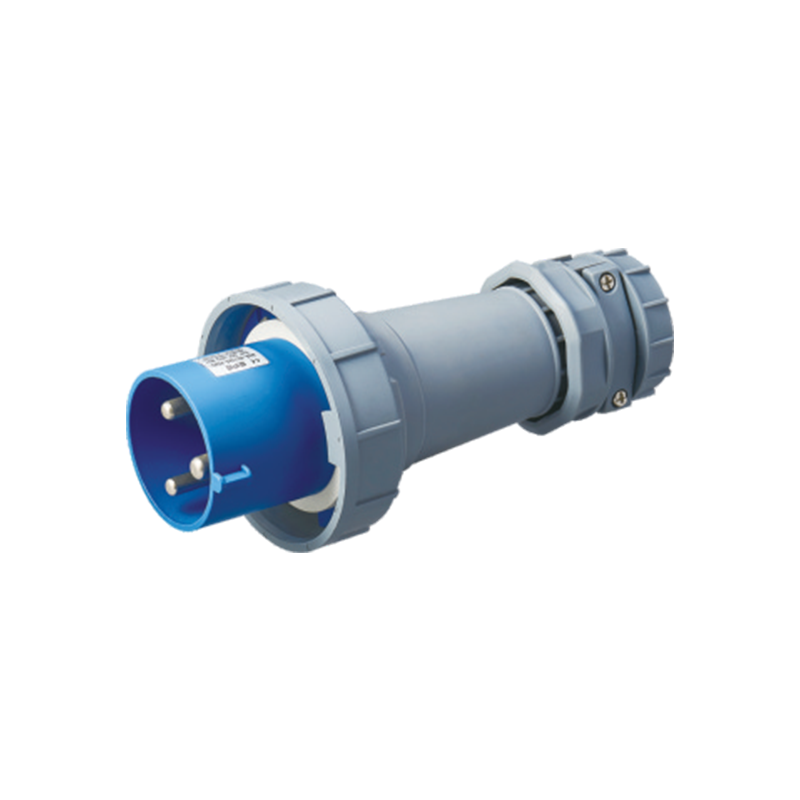
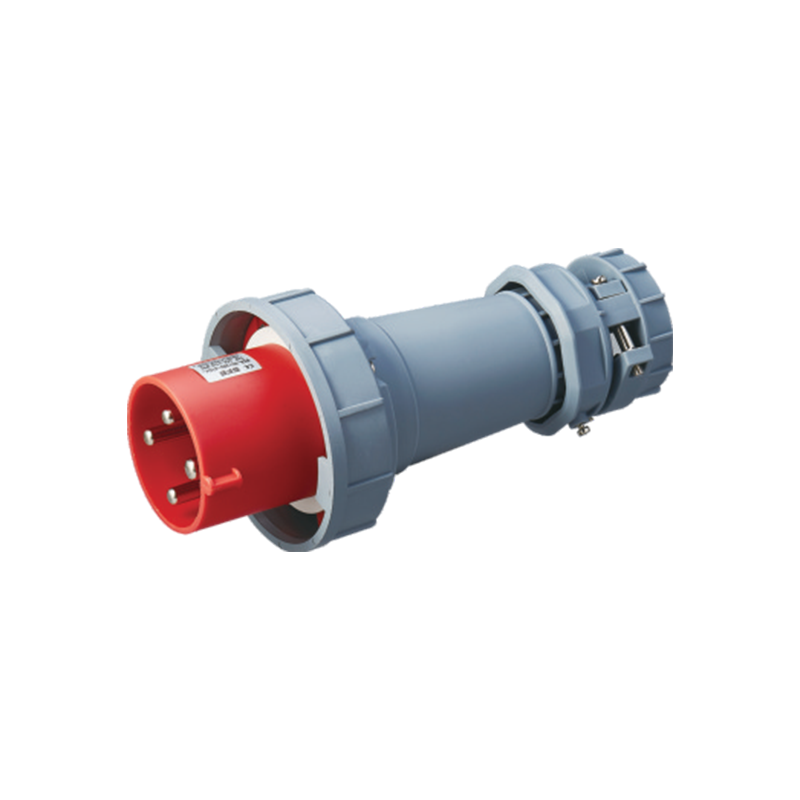
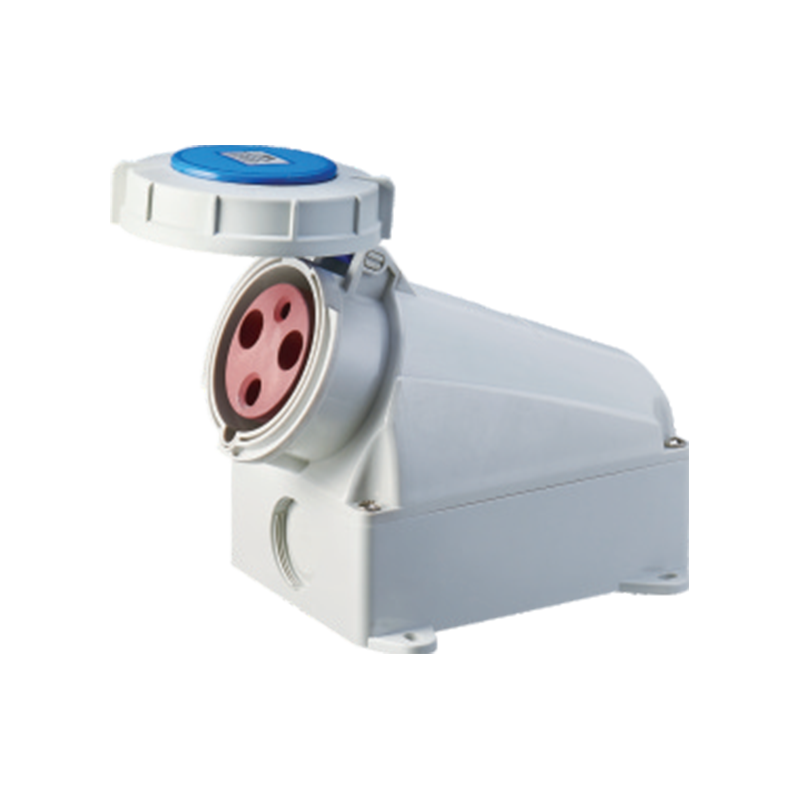
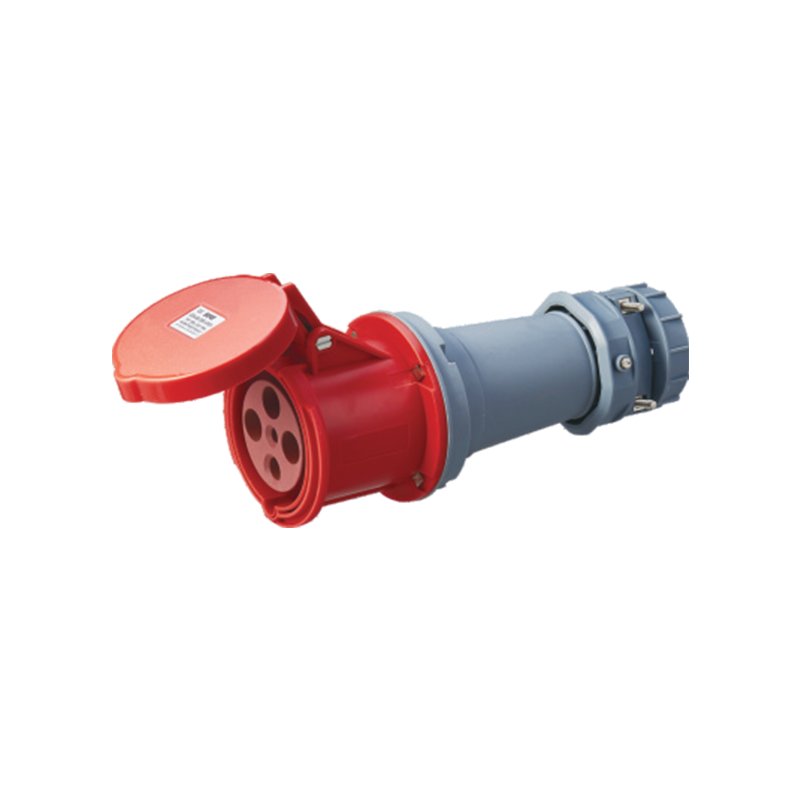
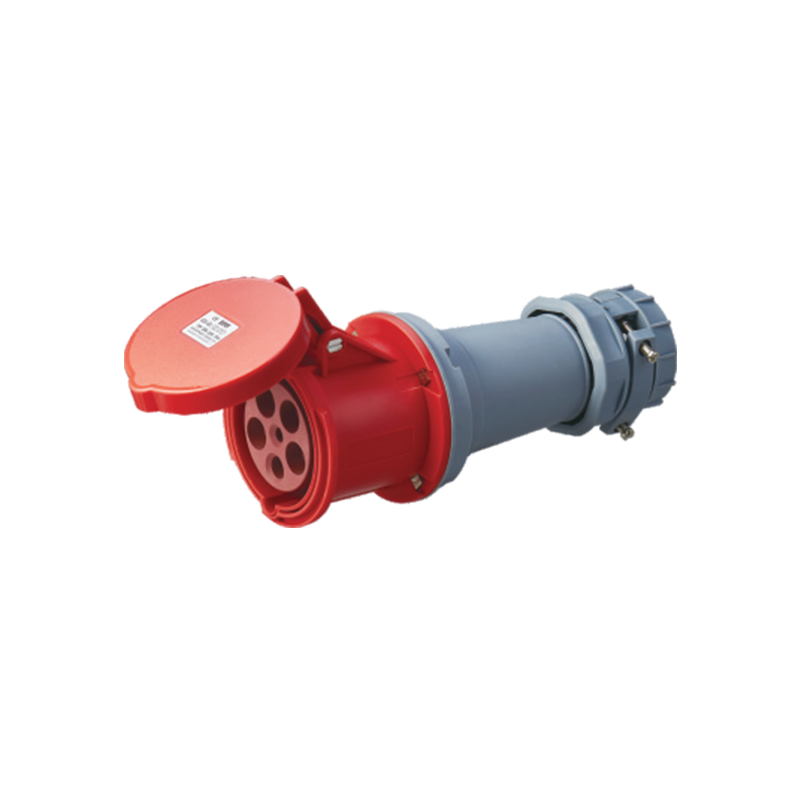
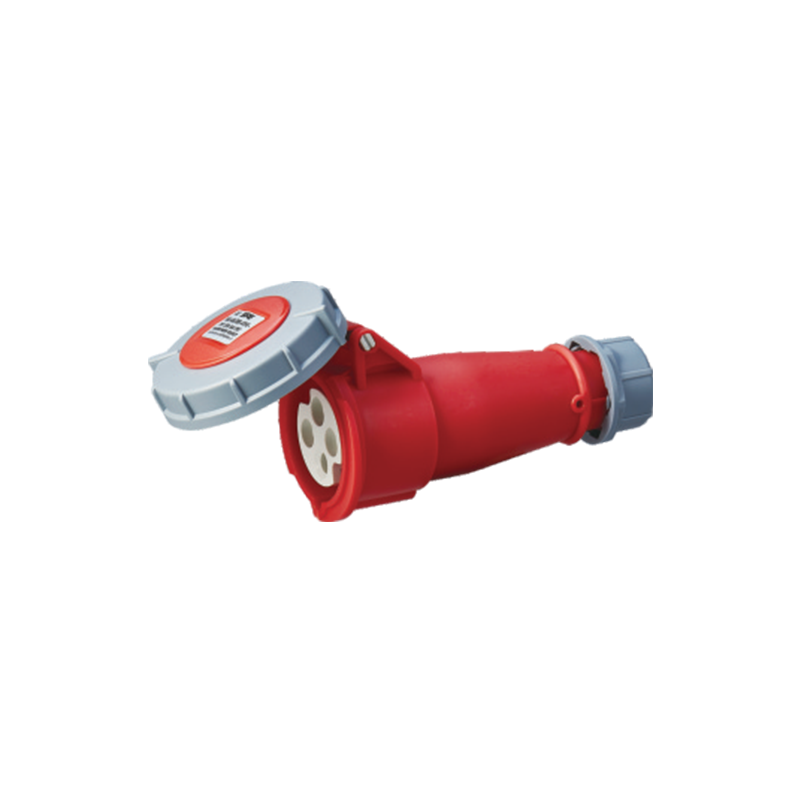
Sixty-three amps is not a light load. That current runs distribution boards, stage lighting rigs, construction site transformers, and generator hookups. A plug that fails at 63A does not flicker. It melts. A 63A Industrial Plug Manufacturer builds connectors that handle full rated current shift after shift, outdoors, in dust and rain, without the housing softening or the contacts burning.
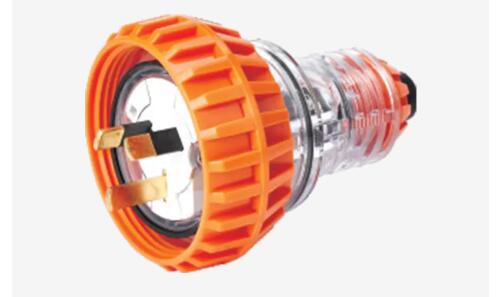
The Contact That Carries the Load
Pins carry five times the current of a standard 16A connector. Everything depends on how those pins are made and how they sit in the socket. A 63A Industrial Plug Manufacturer machines contacts from brass or copper alloy, not stamped sheet metal. Silver or nickel plating prevents oxidation that builds resistance over time. The socket sleeve grips the pin under spring tension that has to hold through heating and cooling cycles without relaxing. A contact that runs within temperature limits at full load stays stable for years. One that climbs past the limit softens the plastic around it and starts a failure loop that feeds itself until something melts.
The Housing Nobody Thinks About Until It Fails
Current heats the contacts, and the contacts heat the housing. A 63A Industrial Plug Manufacturer using glass fiber reinforced PBT or PA6 builds housings that hold their shape at temperature. Standard nylon softens, the pins shift, and the connection degrades. The cable entry matters just as much. A heavy rubber cable pulls down on the plug body constantly. A properly sized gland with strain relief keeps that tension off the screw terminals. Terminals under mechanical load work loose and arc.
Where Water and Dust Do Their Damage
These connectors sit outside, get rained on, and get handled by workers wearing gloves in the dark. IP67 handles temporary submersion. IP44 works under a shelter but fails in a flooded cable trench. A 63A Industrial Plug Manufacturer supplies gaskets that seal and housing screws that compress them evenly. The locking ring takes abuse too. A ring that wears loose after a few hundred mating cycles creates intermittent connections that arc and burn contacts. Field failures trace back to locks that felt fine on day one and gave up by month six.
Here is what a reliable 63A industrial plug needs:
- Brass or copper alloy contacts with silver or nickel plating
- Glass-reinforced housing rated for full-load operating temperature
- Cable gland sized to the conductor with integrated strain relief
- IP rating matched to the actual installation environment
Why Spec Sheets Matter More Than Photos
A 63A Industrial Plug Manufacturer should provide temperature rise data at rated current, the heat deflection temperature of the housing material, and the IP test certificate. A connector that runs ten degrees hotter at the contact than a competitor's equivalent is building toward a failure you cannot see yet. Spare parts tell the rest of the story. Gaskets dry out. Locking rings wear. Cable glands get lost. A manufacturer that stocks these parts and ships them without a full connector purchase keeps installations running instead of waiting for a replacement unit.
A 63A industrial plug is simple on paper. Brass pins inside a plastic housing. But every amp passes through that contact interface without margin for error. Choose a 63A Industrial Plug Manufacturer that specs the metal, the plastic, and the seals honestly. The connection holds or it melts. There is no middle ground.
