
 English
 Español
 中文简体
中文简体

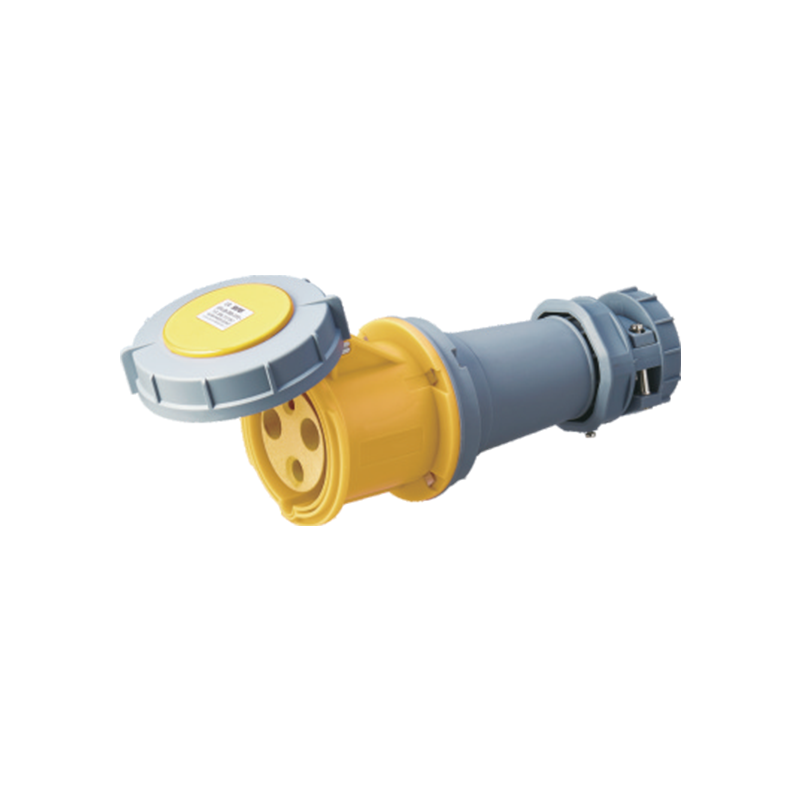
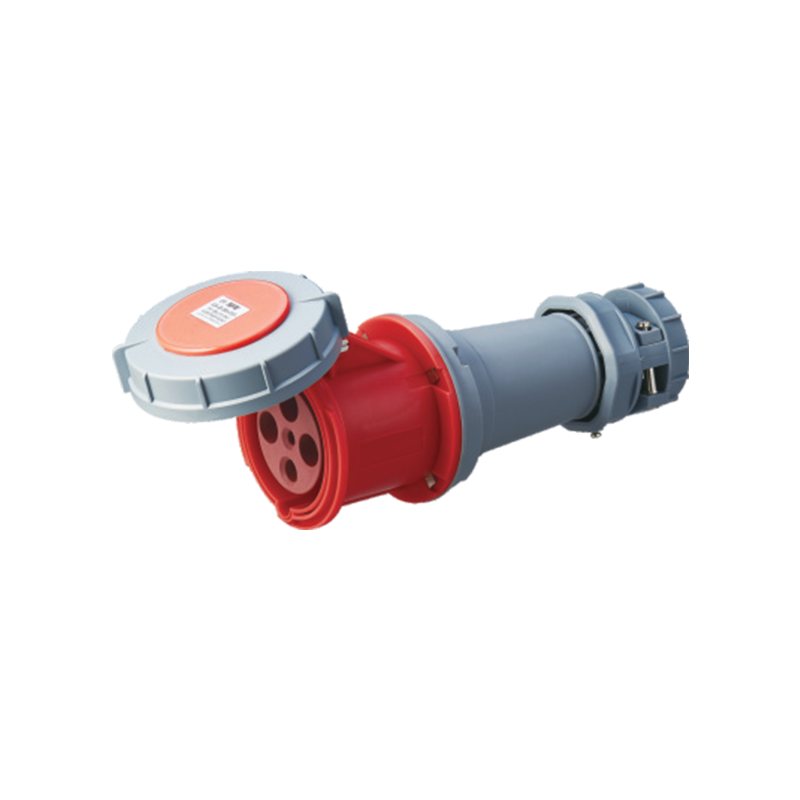
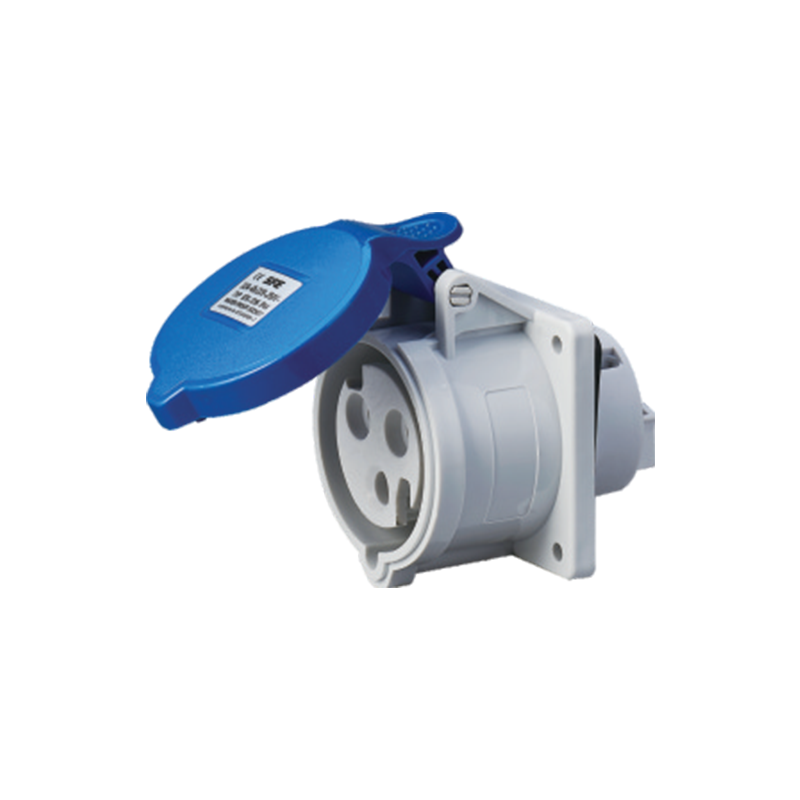
Address: No. 199, Weiwu Road, Yueqing Economic Development Zone, Zhejiang Province, China.
Two hundred amps is not a load you cycle on and off. It runs continuously. Generator output panels. Temporary power distribution for stadium events. Ship-to-shore connections. Mining equipment supply lines. At 200 amps, a plug does not get to have a bad day. It either holds or it takes the whole system down with it. A High-Performance 200A Industrial Power Plug is not just a bigger version of a 63A connector. The physics change. The heat dissipation requirements change. The mechanical forces on the cable entry change. What worked at lower amperage gets dangerous at this level.
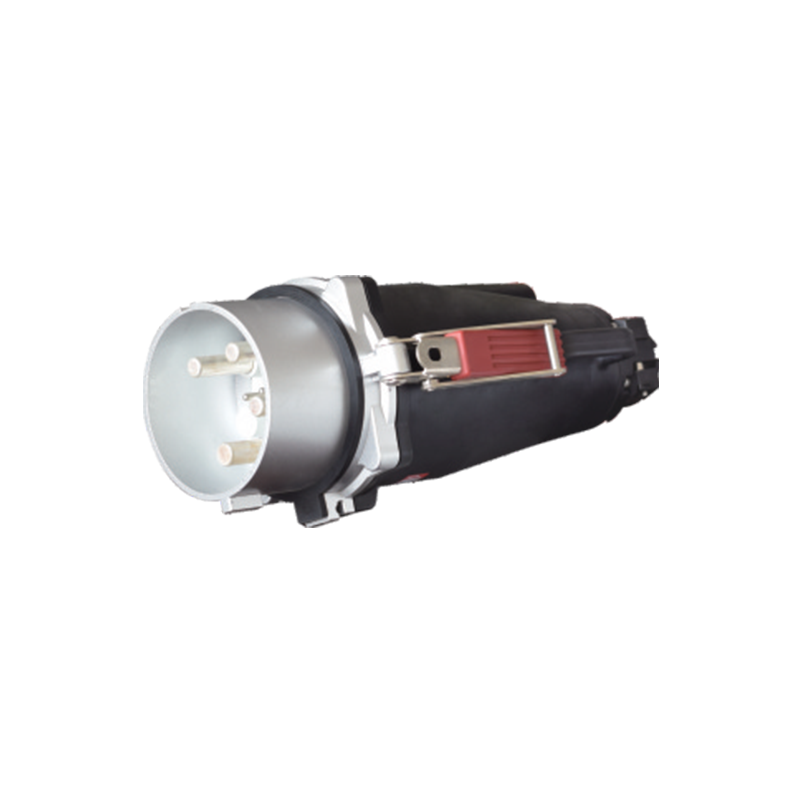
Contact Design Where Temperature Rise Is the Only Metric That Counts
At 200 amps, contact resistance stops being a specification and starts being a thermal problem with real consequences. A contact that runs five degrees too hot softens the housing material around it. The pin shifts. The grip in the socket relaxes. Resistance climbs a little more. The cycle accelerates.
A High-Performance 200A Industrial Power Plug uses solid machined brass or copper alloy pins with diameters that give enough surface area to keep current density low. Split-pin designs with internal spring reinforcement maintain contact pressure even as the metal expands and contracts. Silver plating on the mating surfaces is standard at this amperage. Nickel alone cannot handle the thermal cycling without building oxide layers that increase resistance over time.
Temperature rise testing at 200A is not a formality. The difference between a plug that runs at 45 degrees above ambient at full load and one that runs at 55 degrees is the difference between a connector that lasts a decade and one that burns out in two years. A High-Performance 200A Industrial Power Plug manufacturer publishes those curves, and the buyer who ignores them inherits the failure.
The Housing Has to Handle More Than Just Impact
The plastic around a 200A contact set lives a hard life. It absorbs conducted heat from the pins. It deals with radiant heat from nearby switchgear. It sits outdoors under direct sun where the starting temperature is already high before any current flows. Glass-reinforced PBT or thermoset materials with heat deflection temperatures above 200 degrees Celsius are the baseline. Anything less is guessing.
The cable entry on a 200A plug is a structural problem. The conductor alone weighs several kilograms. It pulls down on the plug body with constant force. A High-Performance 200A Industrial Power Plug includes a cable gland that clamps the outer jacket and transfers mechanical load to the housing, not the terminals. The terminals themselves need to be designed for lug connections with bolts that take a torque wrench, not a screwdriver. A loose terminal at 200A does not cause a flicker. It causes a fire.
Where 200A Plugs Sit in the Field
Temporary power for large events runs through 200A distribution boards. The main feed from the generator plugs into a panel-mounted inlet, and the show runs on that single connection. A High-Performance 200A Industrial Power Plug that fails during a concert or a broadcast is not something you swap out in five minutes. The stakes are the entire production.
Mining and heavy industry use 200A plugs on trailing cables for mobile equipment. Draglines. Pumps. Conveyor drives. The plug gets driven over. It sits in mud. It gets unplugged and replugged by operators who are tired and working in the dark. The locking ring has to engage with authority. The housing has to shrug off impacts that would crack an industrial 63A plug. A High-Performance 200A Industrial Power Plug built for these environments carries an IP rating that is verified, not claimed.
Marina shore power and ship-to-shore connections run 200A through salt air and constant moisture. The silver plating on the contacts fights corrosion that would eat unplated brass in months. The gaskets have to stay flexible through UV exposure and temperature swings. A High-Performance 200A Industrial Power Plug specified for marine use comes with material certificates that confirm the elastomers are seawater-resistant.
Here is what a 200A plug has to get right that a lower-amperage connector can sometimes get away with:
- Solid machined contacts with split-pin spring reinforcement and silver plating
- Housing material rated for continuous heat exposure above 200 degrees Celsius
- Cable gland and strain relief built for the weight of 200A conductor
- Verified temperature rise data at full rated current, not a sample test from years ago
- IP rating backed by test reports for the actual gasket and seal configuration
What Happens When the Spec Sheet Is All You Have
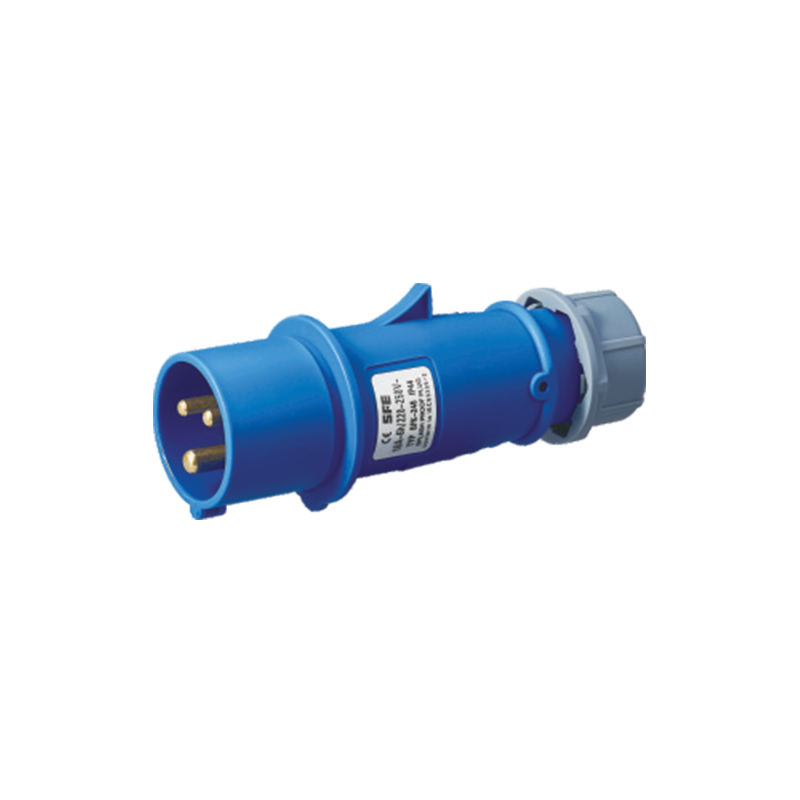
A photo of a 200A plug tells you the color. The datasheet tells you whether it will survive. A High-Performance 200A Industrial Power Plug manufacturer that provides heat deflection temperature of the housing compound, temperature rise at the contact interface under full load, and the IP test certificate is giving the buyer what they need to make an engineering decision. A manufacturer that hides behind "200A rated" with no supporting data is betting the buyer will not ask.
Spare parts are not optional at this current level. Contacts wear. Gaskets age. Locking rings get damaged. A High-Performance 200A Industrial Power Plug from a manufacturer that stocks replacement contact sets, seal kits, and locking rings keeps an installation running for years instead of forcing a full connector replacement when one component fails. That matters when the plug is on a generator inlet box that serves a hospital or a data center.
A 200A industrial plug is not a commodity. The forces are bigger. The heat is bigger. The cost of failure is bigger. Choose a High-Performance 200A Industrial Power Plug manufacturer that treats it that way, with published data, machined contacts, and a housing that holds its shape when the current is flowing and the sun is beating down. The connection holds or the operation stops. There is no backup plug.
