
 English
 Español
 中文简体
中文简体

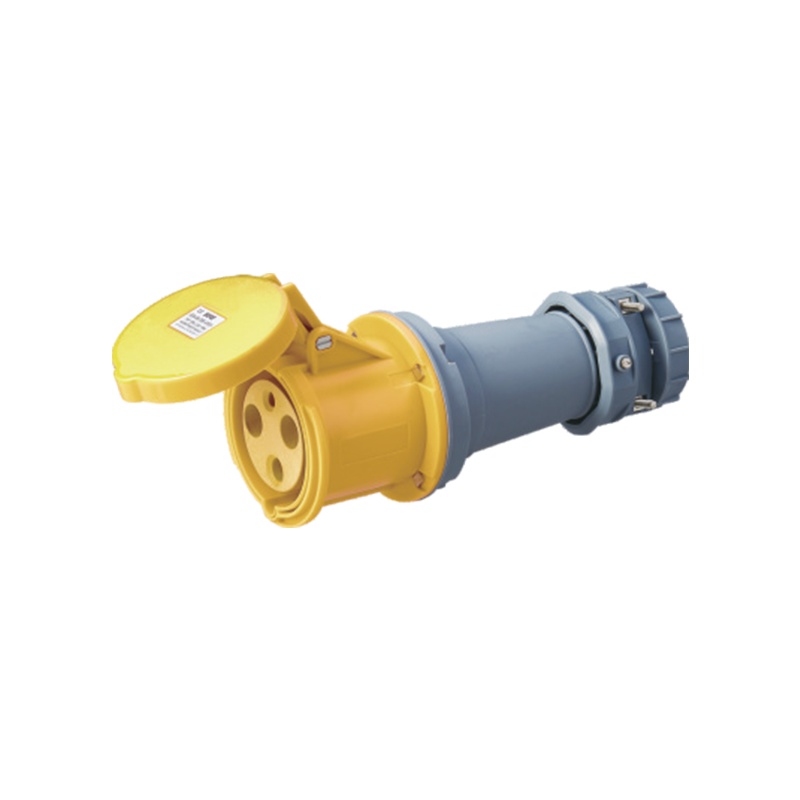
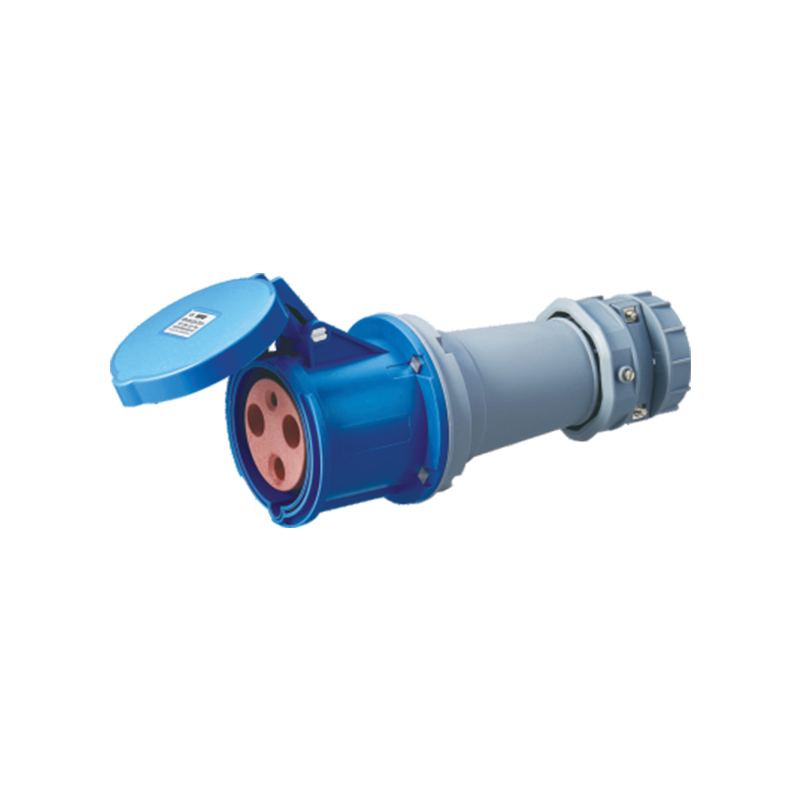
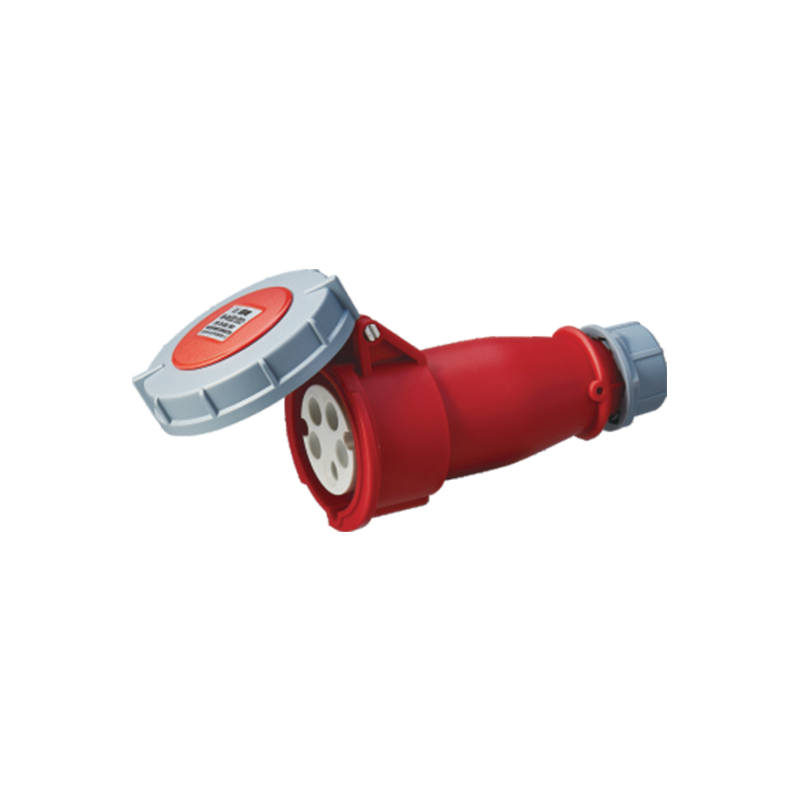
Address: No. 199, Weiwu Road, Yueqing Economic Development Zone, Zhejiang Province, China.
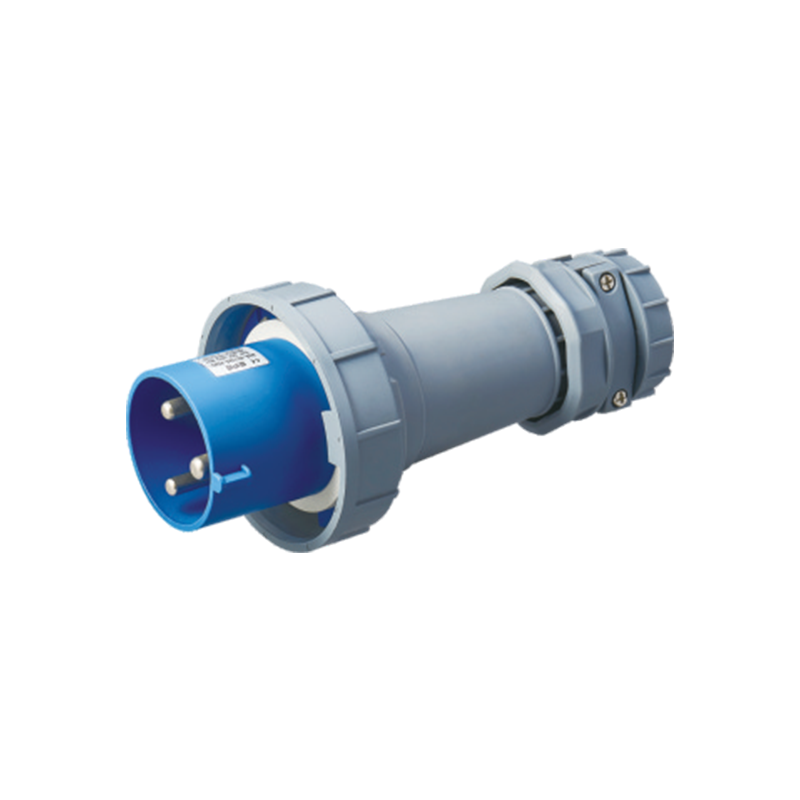
A low-voltage industrial plug carries 24V, 48V, or 110V into equipment, control panels, and tool connections. The voltage is lower than mains, but the consequences of failure are just as real. A loose pin causes arcing and heat. A poor seal lets moisture in and starts corrosion. A misaligned keyway lets a worker plug a device into the wrong power source. A low-voltage industrial plug exists to make the connection deliberate, secure, and resistant to the environment. For machine builders, panel shops, and industrial maintenance teams, the plug is a small part with a big responsibility.
Why the Keying Matters
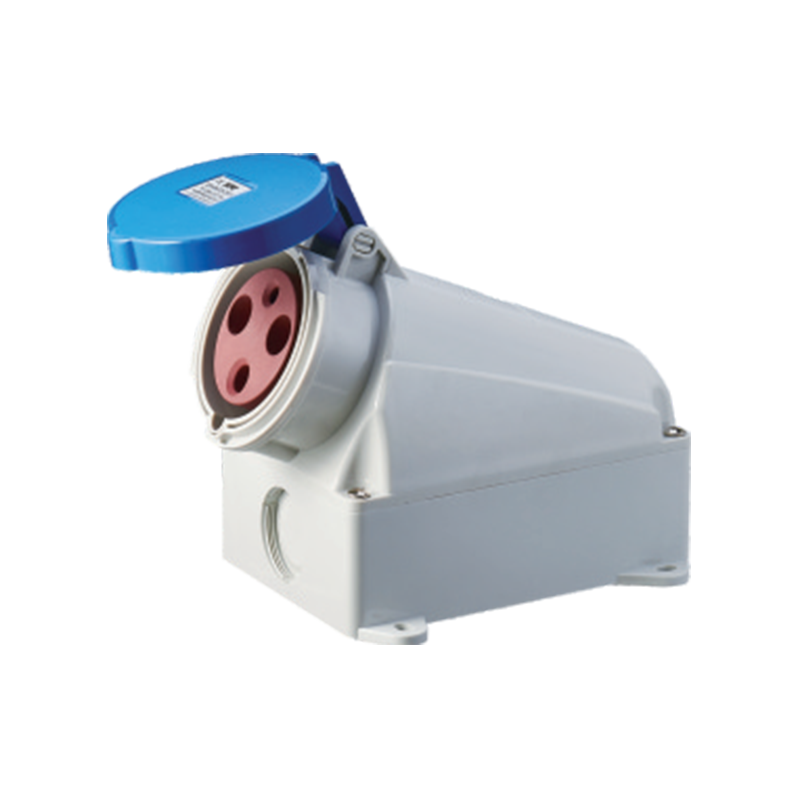
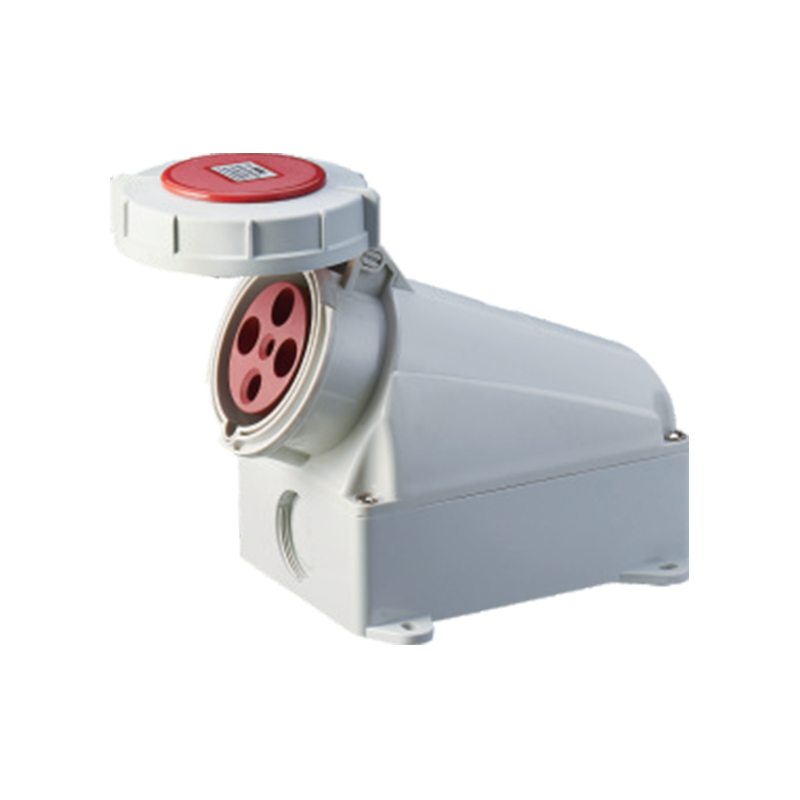
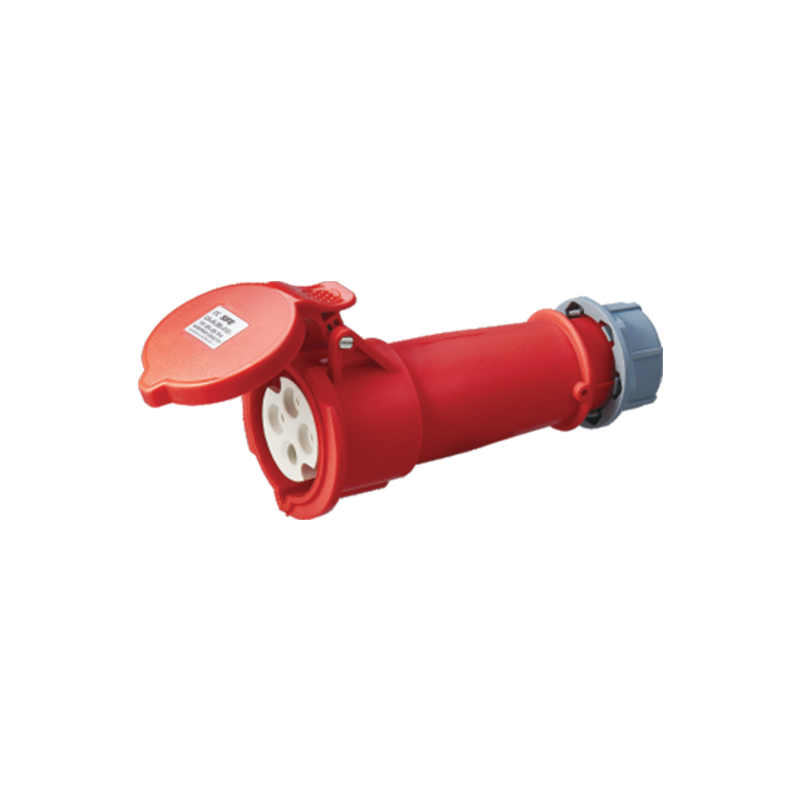
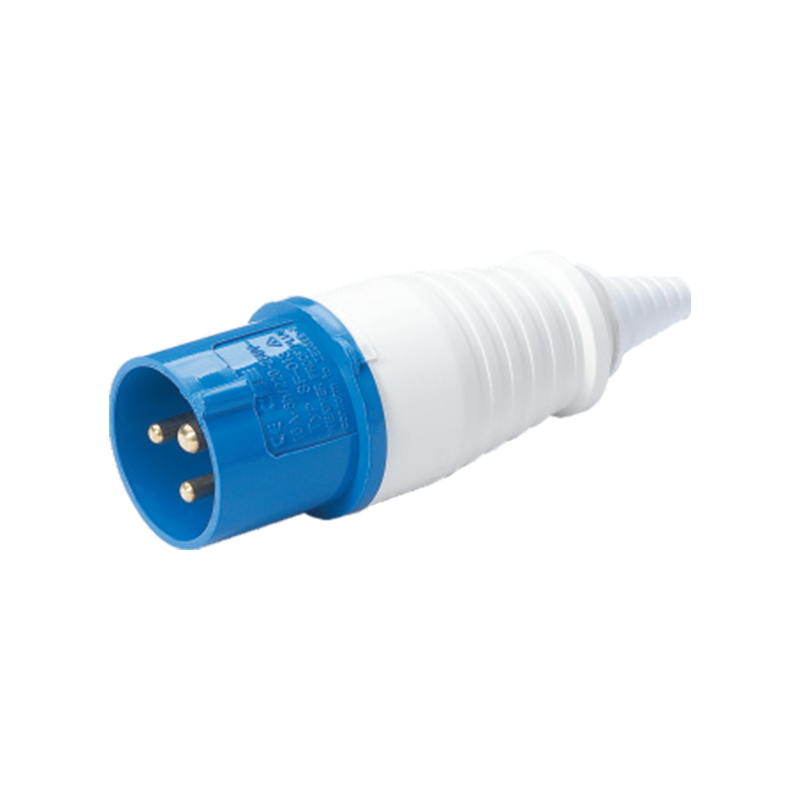
The plug and socket fit together only one way. The keyway, the pin arrangement, the shell shape, all of it prevents mismating. A 24V plug cannot be forced into a 110V socket. That protection matters when a control circuit and a tool supply sit side by side on the same panel. A low-voltage industrial plug with the keying molded into the shell removes the possibility of a wiring mistake.
The pin count matches the circuit. Three pins for single-phase plus earth. Four or five pins for polyphase or control circuits with multiple conductors. A low-voltage industrial plug with the right pin count carries the load without overloading a single contact. The pins are brass or copper alloy with silver or nickel plating to resist oxidation.
The voltage and current ratings are molded into the plug body. A 24V, 16A plug is not the same as a 48V, 32A plug. The markings have to be visible and permanent. A low-voltage industrial plug with clear markings lets the maintenance tech identify the correct replacement without looking at the drawings.
The Materials That Survive the Shop Floor
Industrial plugs get dropped, kicked, dragged, and splashed. The body has to absorb impact without cracking. A low-voltage industrial plug uses glass-reinforced nylon or a similar engineering plastic. The material resists impact, oil, and cleaning chemicals.
The cable entry is the stress point. The cable gets pulled, twisted, and snagged on machinery. A low-voltage industrial plug with a proper cable gland and strain relief keeps the tension off the terminals. The gland clamps the outer jacket and transfers the pulling force to the body.
The contacts have to stay seated. Vibration from nearby machinery works terminals loose. A low-voltage industrial plug with screw terminals that accept ferrules, or cage clamp terminals, holds the wire under vibration. The manufacturer provides the correct torque spec.
Here is what a low-voltage industrial plug needs to deliver:
- Keying that prevents mismating with different voltages
- Pin count and ratings molded into the body
- Glass-reinforced nylon body that survives impact
- Cable gland with strain relief
- Terminals that hold under vibration
- Plated contacts that resist oxidation
Where the Plugs Sit in the System
Machine tools use low-voltage plugs for control circuits, limit switches, and sensor arrays. The plug connects the sensor to the control cabinet. When a plug fails, the machine stops. A low-voltage industrial plug with secure locking keeps the circuit closed.
Battery systems and charging carts use low-voltage plugs for the DC output. The plug and socket have to handle the current and survive repeated mating cycles. A low-voltage industrial plug rated for the cycle count outlasts the equipment.
Stage lighting and event production use low-voltage plugs for control lines and low-voltage lighting. The plugs get plugged and unplugged constantly, often in the dark, by hands that are in a hurry. A low-voltage industrial plug with a positive lock and a clear alignment mark mates correctly every time.
What Fails on a Cheap Plug
The body cracks at the cable entry because the material was too brittle. A low-voltage industrial plug with a reinforced entry and the right plastic grade survives the drop. The terminals loosen under vibration and the connection arcs. The contact heats up, the plastic melts, and the plug is scrap. Quality terminals and proper torque prevent this.
The keying wears down and the plug fits into the wrong socket. The molded keyway should not degrade with repeated mating. A low-voltage industrial plug with a well-designed keying system stays distinct.
The plating wears off the pins and corrosion starts. The connection resistance climbs. The plug runs hot. A low-voltage industrial plug with proper plating thickness on the contacts avoids this slow failure.
A low-voltage industrial plug is a simple object: a body, some pins, a gland. But it sits at the exact point where the fixed wiring ends and the equipment begins. That transition point is where connections fail. Choose a plug with deliberate keying, a body that survives the floor, and terminals that stay tight. The circuit closes and the line keeps running. That is what the plug is there to do.
