
 English
 Español
 中文简体
中文简体

Address: No. 199, Weiwu Road, Yueqing Economic Development Zone, Zhejiang Province, China.
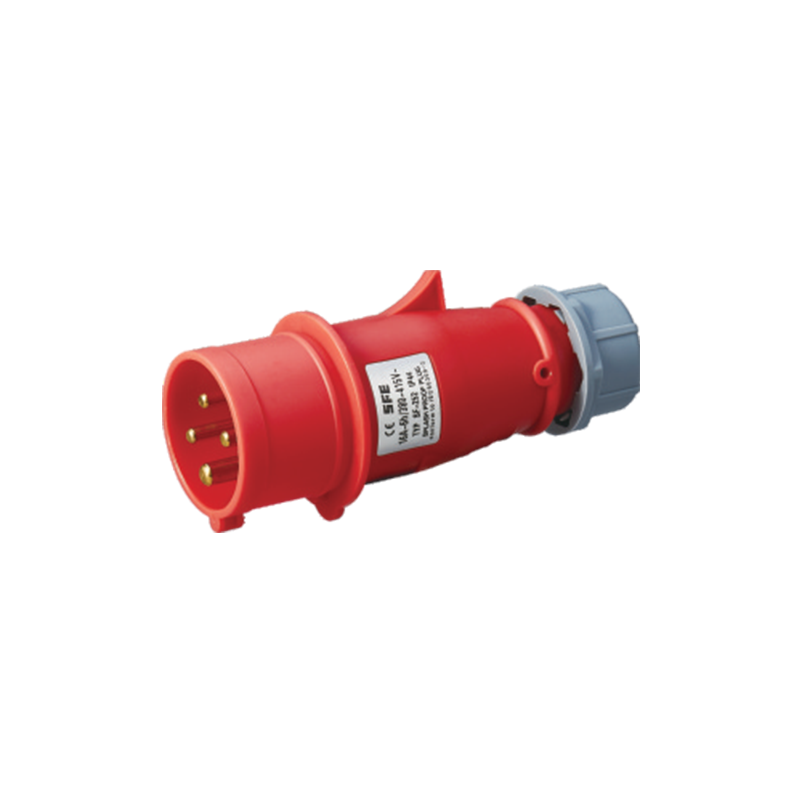
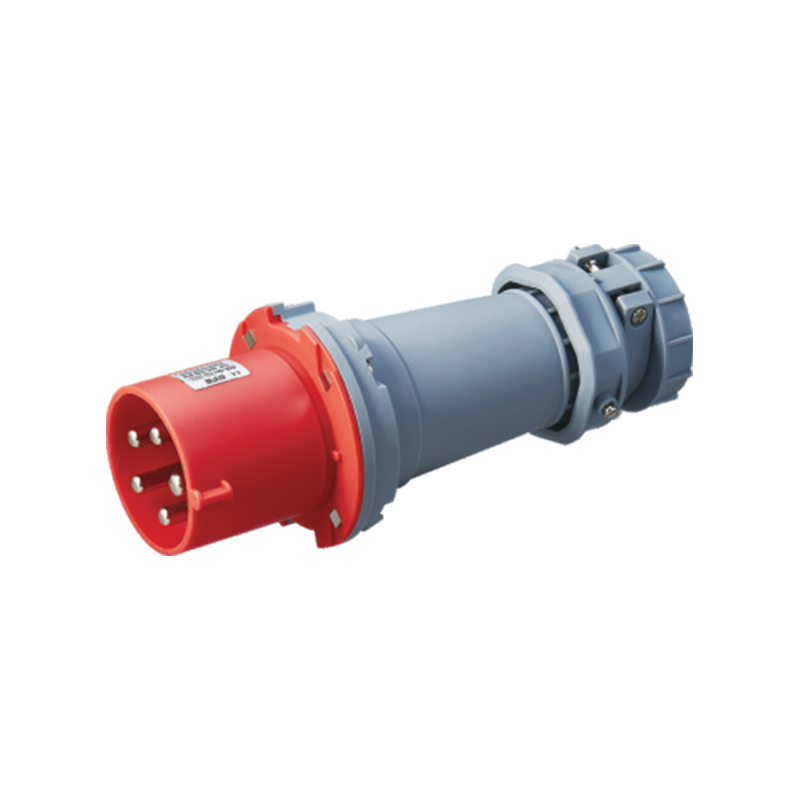
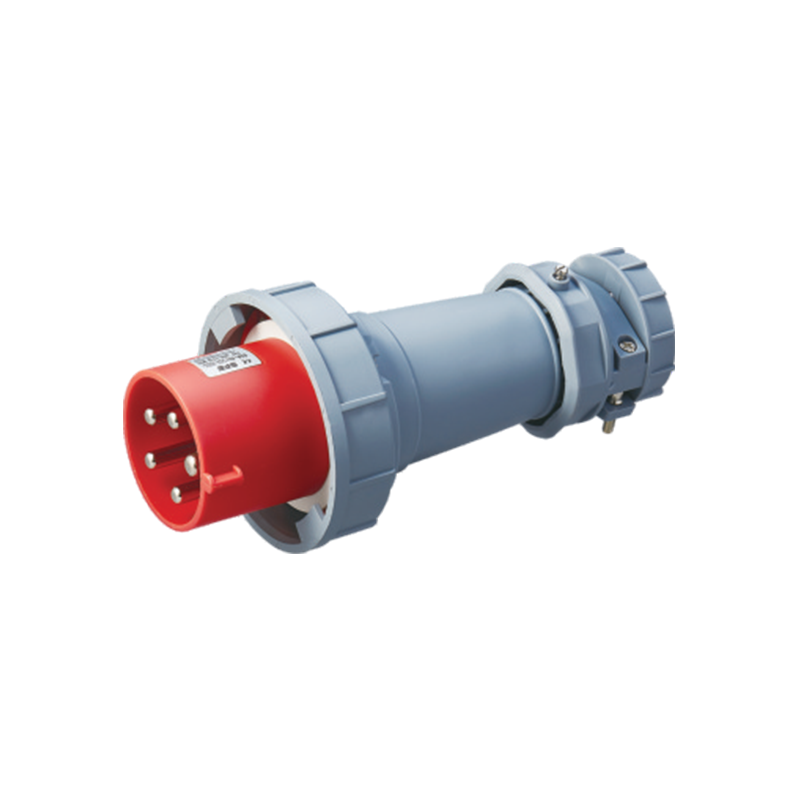
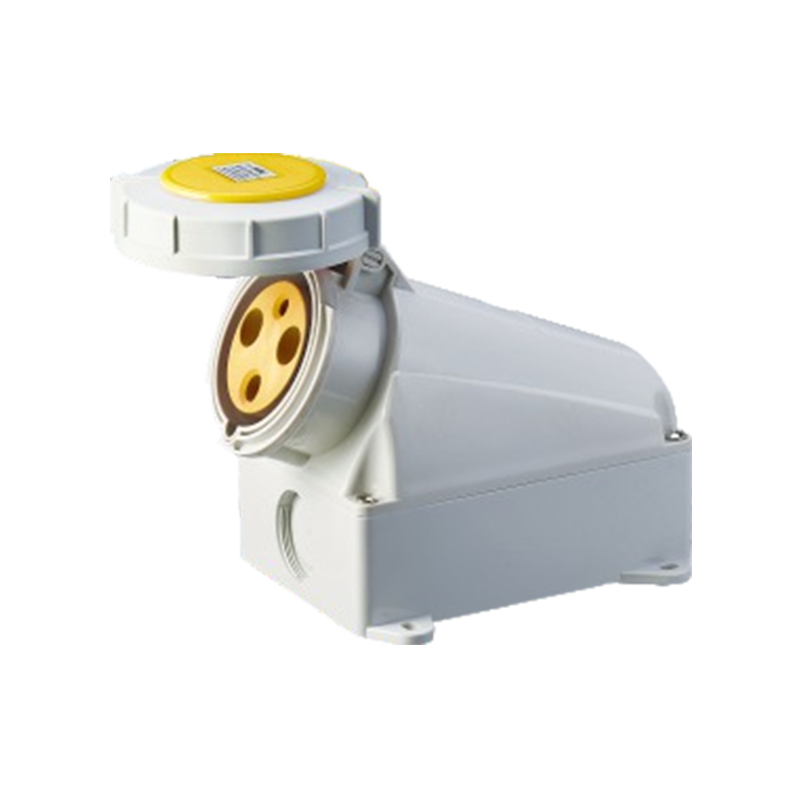
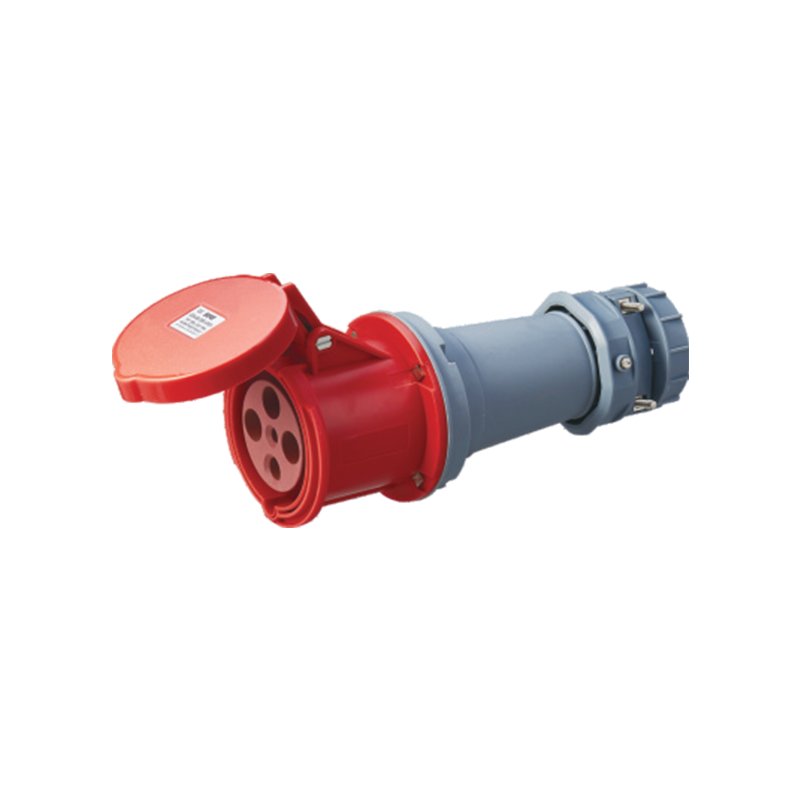
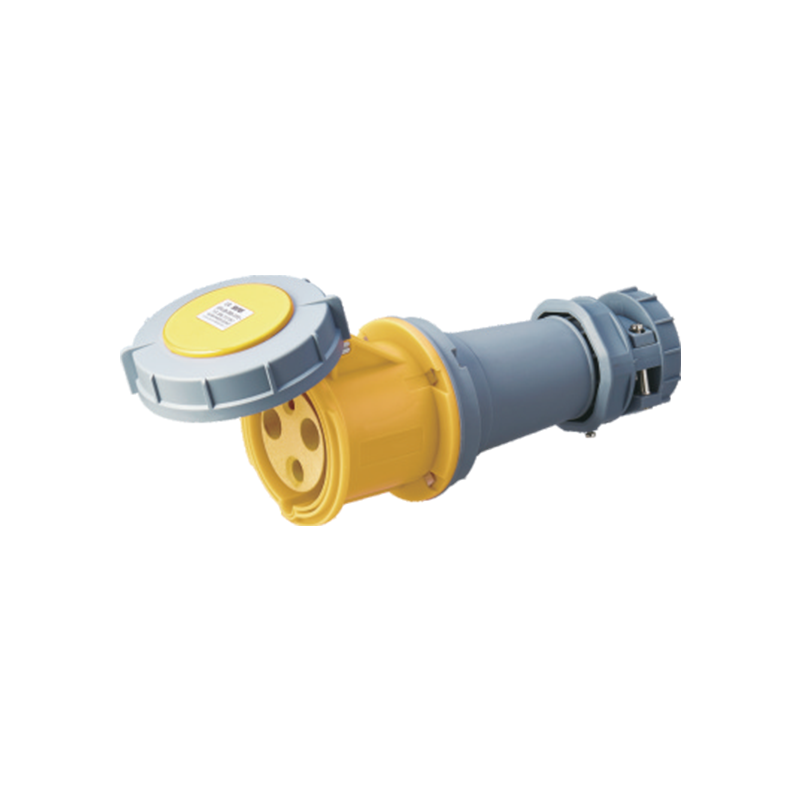
Industrial power is not always clean or stable. Voltage varies by building, by generator, by line. A wide range strong voltage industrial plug is built for that reality. It accepts a broad voltage band, holds the connection under heavy load, and survives conditions that make standard plugs fail. The housing is tough. The contacts are heavy. The cable entry takes thick conductors. For heavy machinery, generator feeds, and industrial distribution, the plug is the last link between supply and load.

Contacts You Can Feel the Weight Of
The pins are solid brass or copper alloy, machined, not stamped. The surface is silver or nickel plated. The plating prevents oxidation and keeps contact resistance low over thousands of mating cycles. A wide range strong voltage industrial plug with heavy contacts stays cool under full load. A stamped contact heats up. A thin plating wears through.
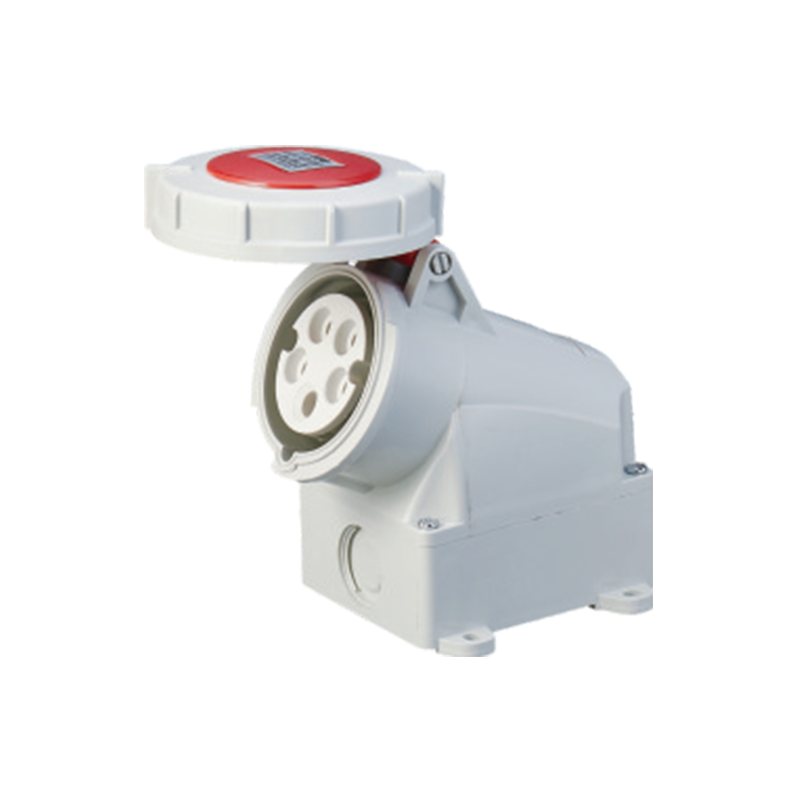
The socket side uses a spring sleeve or split pin that maintains grip. The spring has to hold its tension through heating and cooling cycles. A wide range strong voltage industrial plug with a properly tempered contact spring keeps the connection tight after years of service.
The terminal side takes thick conductors. Industrial cable for high current is heavy and stiff. The terminal has to accept the conductor and clamp it without damage. Cage clamp or screw terminals sized for the full conductor range make the installer's job straightforward.
One Plug, a Wide Voltage Band
A standard plug is rated for a narrow band. A wide range plug is designed to run safely across a much broader span, often 110V to 400V or higher. The insulation, clearances, and contact spacing are all built to the high voltage in the range. A wide range strong voltage industrial plug can be connected to different supplies without changing the plug.
The keying still prevents mismating. The earth position and pin arrangement ensure the plug only fits the socket it belongs to. But within the rated range, the plug handles the variation. A wide range strong voltage industrial plug with a broad rating gives the user flexibility in plants where voltage changes between buildings or between generators.
Here is what a wide range strong voltage industrial plug needs to deliver:
- Solid brass or copper alloy contacts with plating
- Contact springs that maintain grip through thermal cycles
- Broad voltage rating with insulation built for the high value
- Cage clamp or screw terminals sized for heavy conductors
- Glass-reinforced nylon body for impact and chemical resistance
- Locking mechanism that holds under vibration
The Body That Takes the Hits
The housing is glass-reinforced nylon or a similar engineering polymer. It resists impact, oil, and cleaning chemicals. A wide range strong voltage industrial plug dropped onto concrete keeps working. The body is also the insulation system. Creepage and clearance distances are designed for the high voltage in the range.
The cable gland at the entry is sized for heavy cable. The gland clamps the outer sheath and transfers pulling force to the housing, not the terminals. A wide range strong voltage industrial plug with proper strain relief prevents tension from loosening the connections.
The locking mechanism keeps the plug in the socket. Vibration, cable pull, and accidental kicks can separate an unlocked plug. A locking ring or screw-lock collar stays mated until the operator releases it.
Generators, Mining, Heavy Machinery
Heavy machinery moves between sites with different supply voltages. The same machine might run on 220V in one plant and 380V in another. A wide range strong voltage industrial plug handles both without changing hardware. Generator distribution boards use these plugs because the generator output may sag or spike under load changes. The plug has to hold through the variation. Mining and quarry equipment runs on trailing cables that flex and drag. The plug at the end takes constant movement and the occasional crush.
The Pin That Overheated
The contacts overheat because the pin diameter was too small for the current. The plastic around the pins softens. The plug deforms. A wide range strong voltage industrial plug with contacts sized for the full rated load avoids this. The housing cracks at the cable entry because the gland was too small. The installer forced it. A properly sized entry and gland accept the specified cable without a fight. The locking ring loosens from vibration and the plug works apart. The connection arcs and the equipment drops out. A positive lock stays mated.
A wide range strong voltage industrial plug carries the power that runs the plant. The voltage varies. The load is heavy. The environment is rough. Choose a plug with contacts that stay cool, a body that stays intact, and a lock that stays engaged. The power flows and the connection holds. That is the entire job.
