Selecting 200A–630A Plugs for Industrial Power: What Prevents Heat, Downtime, and Unsafe Disconnects
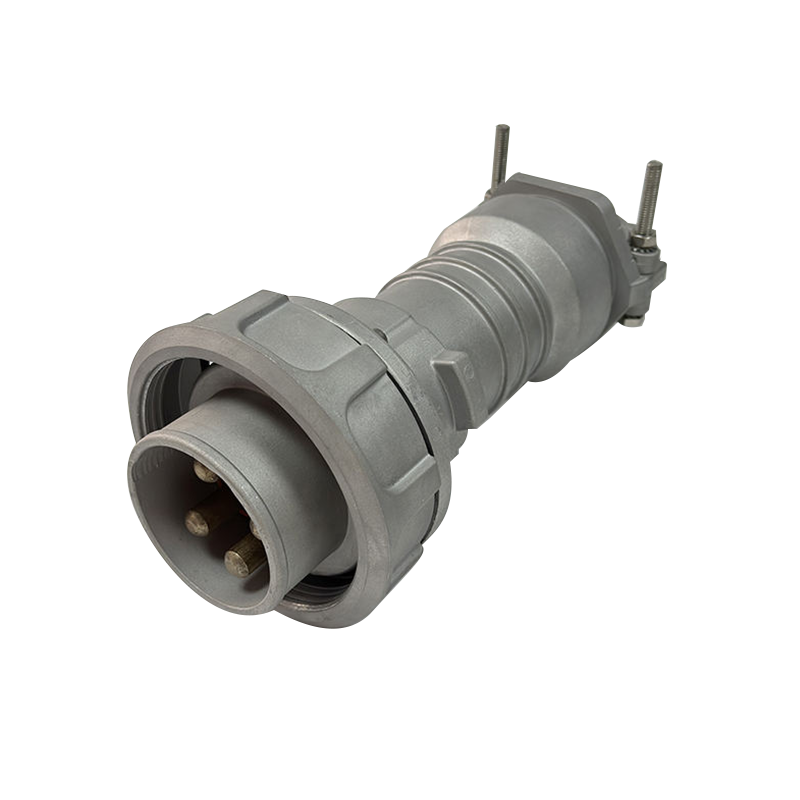
High-current connections are unforgiving: small issues in contact quality or retention can turn into heat buildup, nuisance shutdowns, or dangerous interruptions. When specifying 200A-630A Plugs, the goal is simple—deliver stable current transfer repeatedly, in real environments where dust, vibration, rain, and rushed changeovers are normal.
Where 200A–630A plugs are commonly used (and why selection matters)
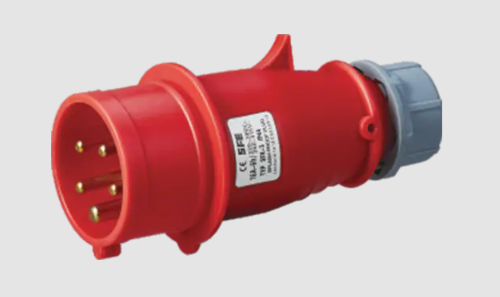
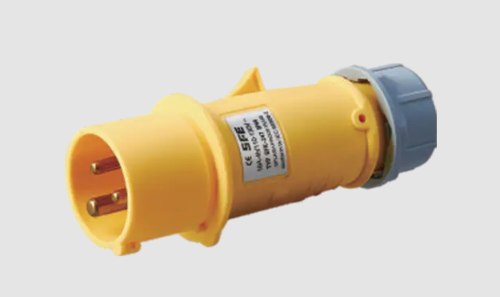
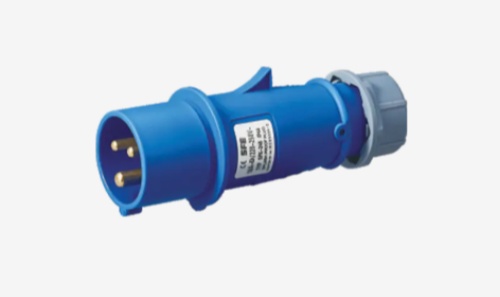
In procurement and field use, a high-current Industrial Power Plug is often chosen for:
- large motors, compressors, pumps, and industrial heaters
- generator outputs and temporary site power systems
- construction distribution boards and equipment yards
- outdoor operations where connectors see weather and rough handling
These applications punish weak retention and inconsistent assembly—so the plug must be treated as a reliability component, not just a commodity part.
The practical checklist engineers use in the field
1) Contact performance
Once you're above 200A, heat is often created by small contact issues rather than the load itself. Better designs typically focus on:
- stable contact force and well-defined mating surfaces
- conductive parts built to tolerate frequent coupling cycles
- repeatable manufacturing that keeps electrical performance consistent from lot to lot
2) Retention and locking (preventing the most common site failure)
On construction and industrial sites, unexpected power loss is frequently caused by a connector getting bumped, pulled, or vibrated loose. Secure locking helps to:
- resist cable strain and vibration during operation
- keep the connection intact while equipment is repositioned
- reduce nuisance stops during long shifts and continuous runs
3) Durability for harsh environments (because "industrial" often means outdoors)
If the plug will live in the real world—dust, rain, impacts—evaluate it for:
- resistance to drops, knocks, and tool contact
- housing materials that hold up under UV and temperature swings
- design details that limit dust and moisture entry at joints and interfaces
4) IEC 60309-style conventions (easier standardization and sourcing)
Choosing products aligned with IEC 60309 practices usually makes operations smoother by enabling:
- simpler standardization across projects and teams
- more predictable spares management and quicker replacements
- clearer inspection expectations when multiple regions or contractors are involved
Sizing and configuration: avoiding costly mismatches
When buyers compare 200A-630A Plugs, the risk isn't only "undersized current." It's also mismatched configuration that forces adapters or unsafe workarounds. Good sourcing practice is to confirm:
- required current rating range and duty cycle (continuous vs intermittent)
- pin arrangement/polarization to prevent mis-mating
- cable entry direction and strain relief needs for the installation space
- site conditions (indoor, outdoor, washdown, dust-heavy zones)
Done right, you reduce rework, speed up commissioning, and keep the connection "boringly reliable.
Common mistakes that lead to service calls (and how to prevent them)
- Choosing by current only: retention, environment, and duty cycle often cause failures first.Ignoring cable pull and handling: weak strain relief turns into loosening over time.
- Overcomplicating spares: mixing too many variants increases downtime when replacements are needed.
Standardize where possible, and prioritize designs that stay mechanically secure after repeated use.

 English
 Español
 中文简体
中文简体