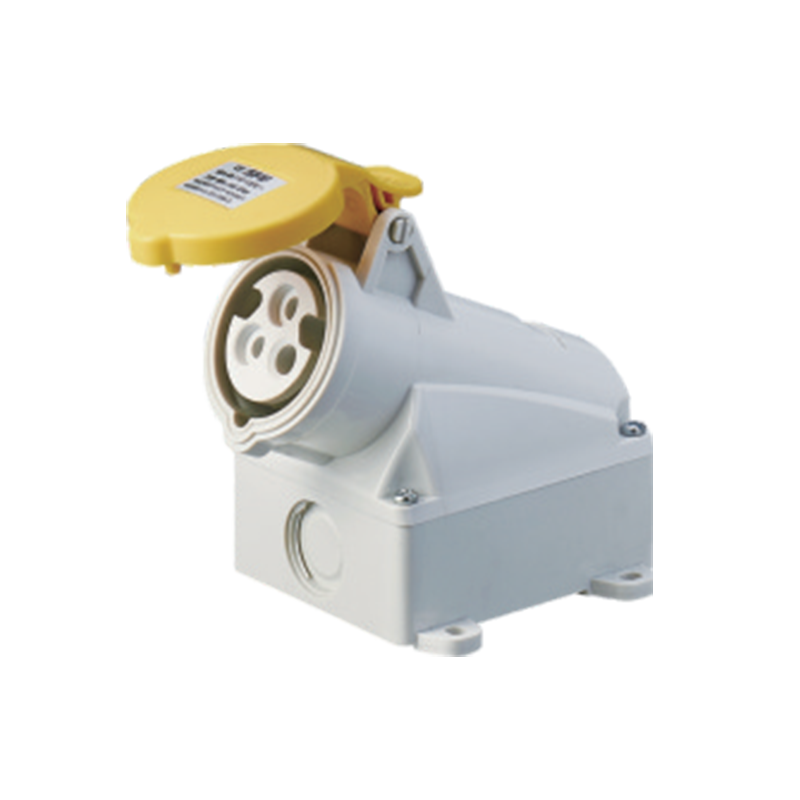
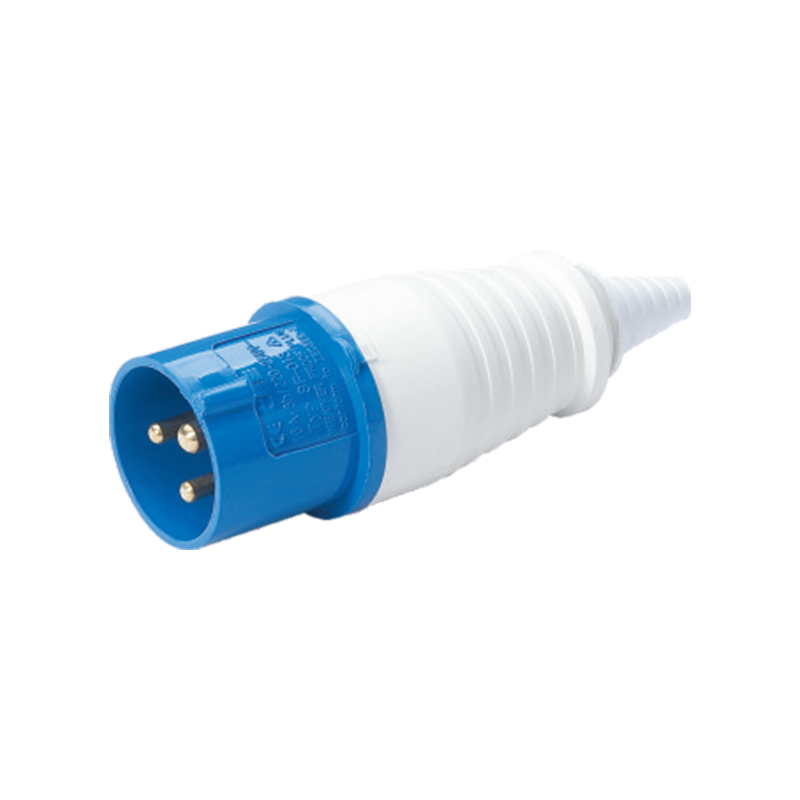
Choosing a Panel-Mounted Straight Socket: 3 Pin vs 4 Pin vs 5 Pin, IP44 vs IP67, and What "Wide Voltage" Really Means
A panel-mounted socket is often the "front door" of an electrical enclosure. If it's underspecified, you'll see heat, loose terminations, water ingress, and field repairs that cost more than the connector ever did. When engineers search for a 3 Pin Industrial Socket, 4 Pin Industrial Socket, or Three-phase Industrial Socket, they're usually trying to confirm one thing: will this panel interface match the supply and survive the environment? Here's a selection framework that works well for OEM panels and industrial distribution boxes.
Pin count is a wiring decision, not a naming preference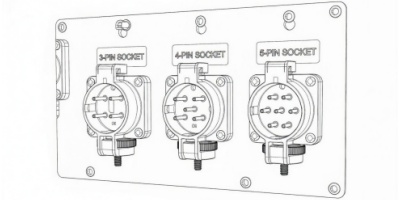
The fastest way to avoid misorders is to tie "pin count" to what conductors the equipment needs.
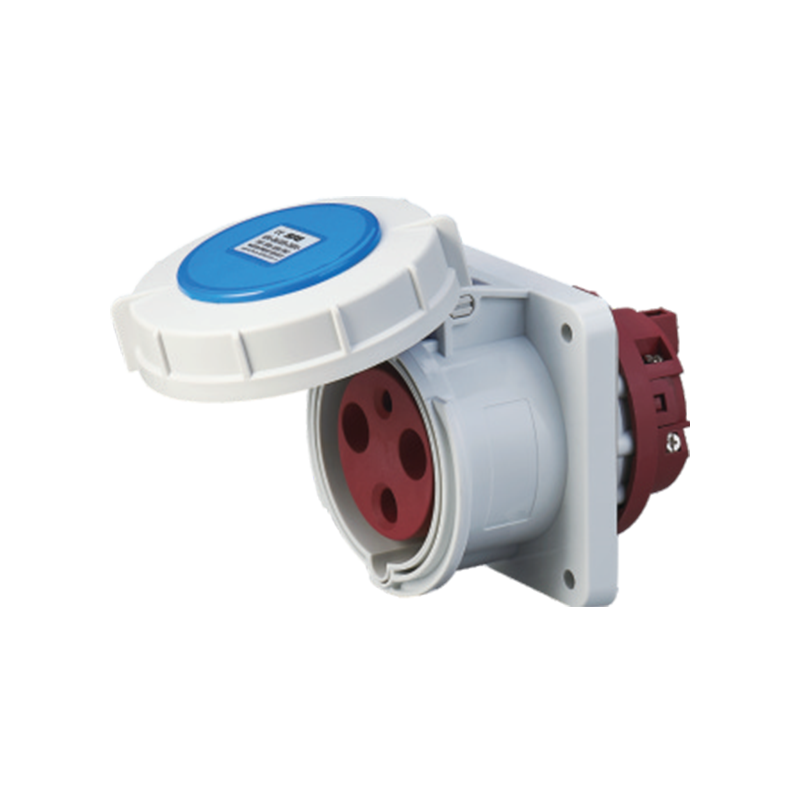
- 3 Pin Industrial Socket (2P+E): single‑phase + earth
- Common on 220–240V auxiliary circuits, tools, and general equipment feeds.
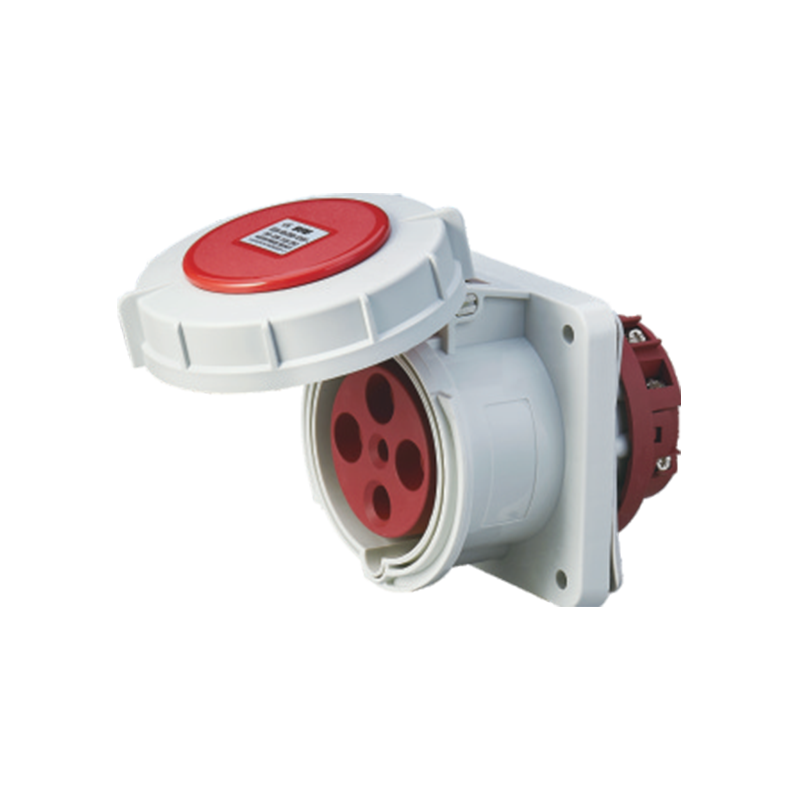
- 4 Pin Industrial Socket (3P+E): three‑phase + earth (no neutral)
- Often used when loads are purely three‑phase motors without a neutral requirement.
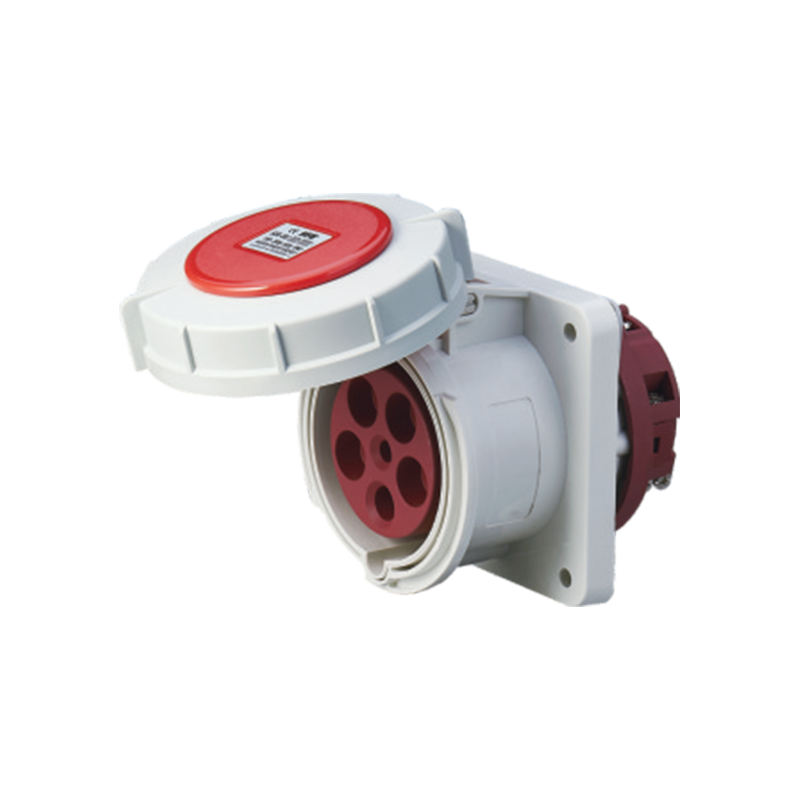
- 5 Pin (3P+N+E): three‑phase + neutral + earth
- Preferred when neutral is required for mixed loads, control power, or future flexibility.
If your panel may later power devices that need a neutral, choosing 5‑pin early can reduce retrofit work.
"Three-phase Industrial Socket" — confirm the system before you pick
Three‑phase isn't one universal setup. Confirm:
- Voltage range at the panel (e.g., 220–380V or 240–415V systems)
- Whether neutral is present/required (drives the 4‑pin vs 5‑pin decision)
- The current rating and duty cycle (continuous load vs intermittent)
This is why wide‑voltage, high‑current panel sockets are popular on mixed sites and export-oriented equipment.
IP44 vs IP67: choose based on exposure, not optimism 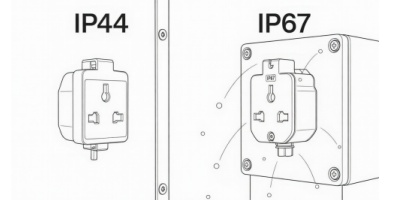
For panel interfaces, environmental protection is typically the difference between "works for years" and "fails after one season."
- IP44 fits indoor cabinets and sheltered installations with occasional splashes.
- IP67 fits outdoor panels, dusty plants, washdown zones, ports, and mining environments where sealing is non‑negotiable.
If maintenance teams regularly wipe down equipment or panels face wind-driven rain, IP67 reduces corrosion risk and intermittent faults.
Wide voltage compatibility: why it helps OEMs and export projects
A "wide voltage" panel socket can simplify BOM management when:
- The same machine ships to multiple regions
- Sites have both 380V-class and 415V-class supplies
- Contractors want fewer SKUs for temporary power distribution
It's not a substitute for correct protection devices, but it does reduce connector mismatch across mixed deployments.
Don't ignore cable cross-section and panel cutout planning
Two practical checks save time during assembly:
- Cable nominal cross-section area: match the terminal design to your conductor size to avoid crowded terminations and hot spots.
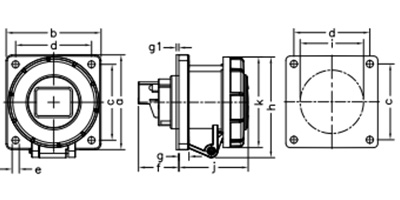
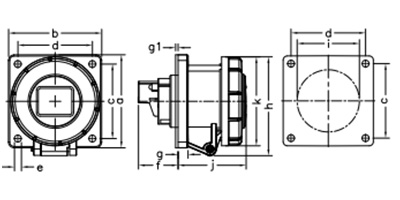
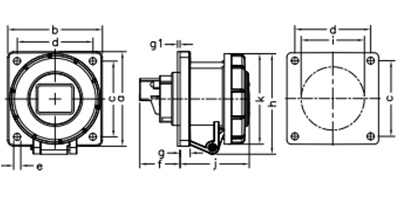
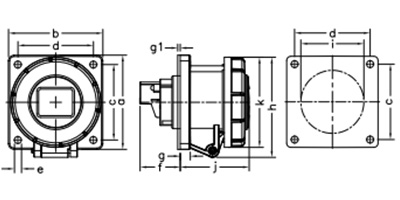
- Panel dimensions / cutouts: validate early so the socket seats correctly and maintains sealing performance.
This matters especially for higher-current builds where conductor stiffness and bend radius fight you inside the enclosure.
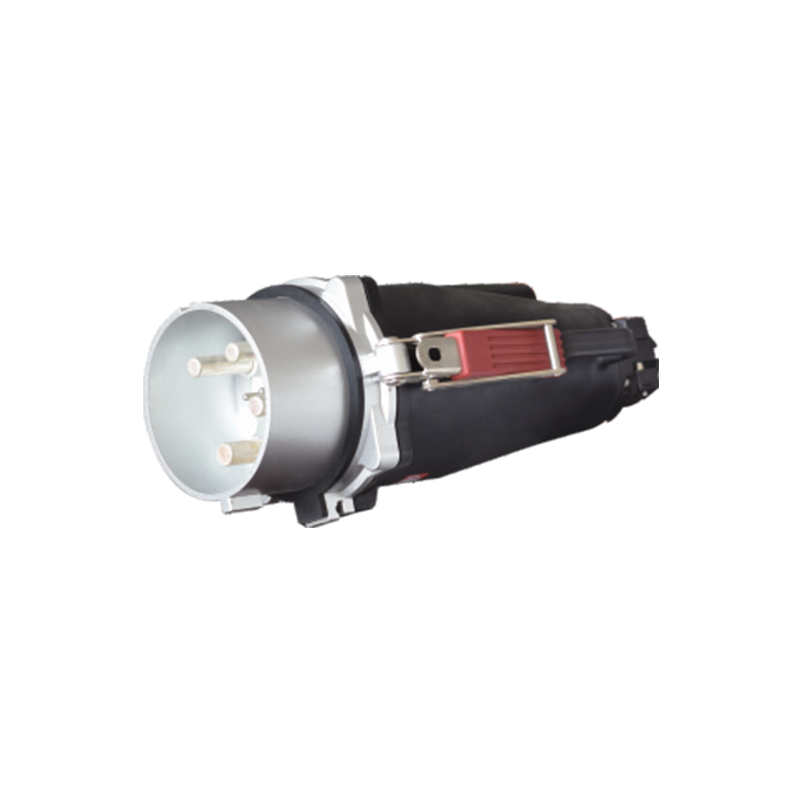
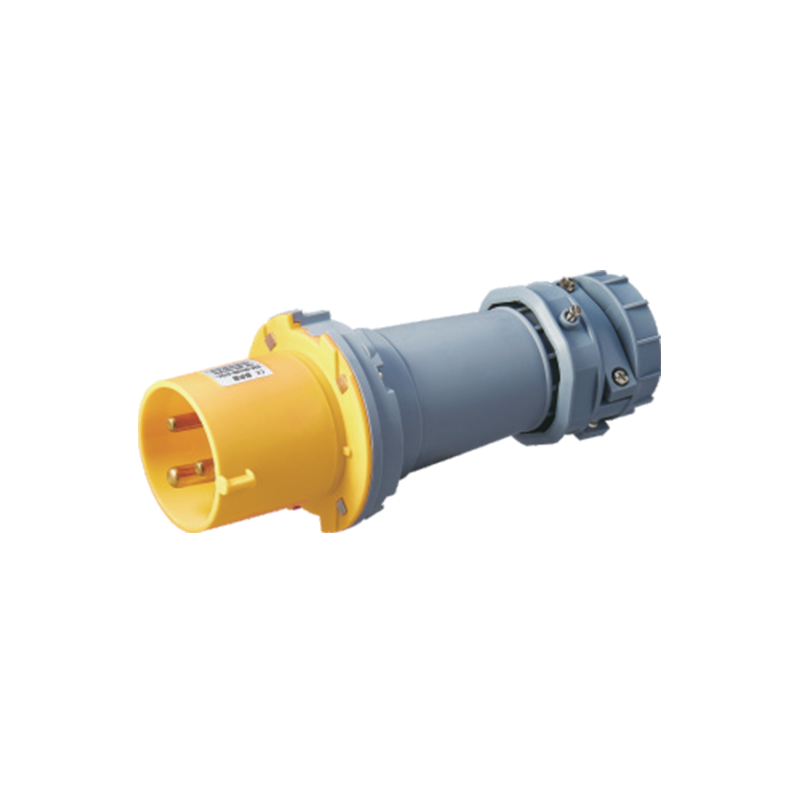
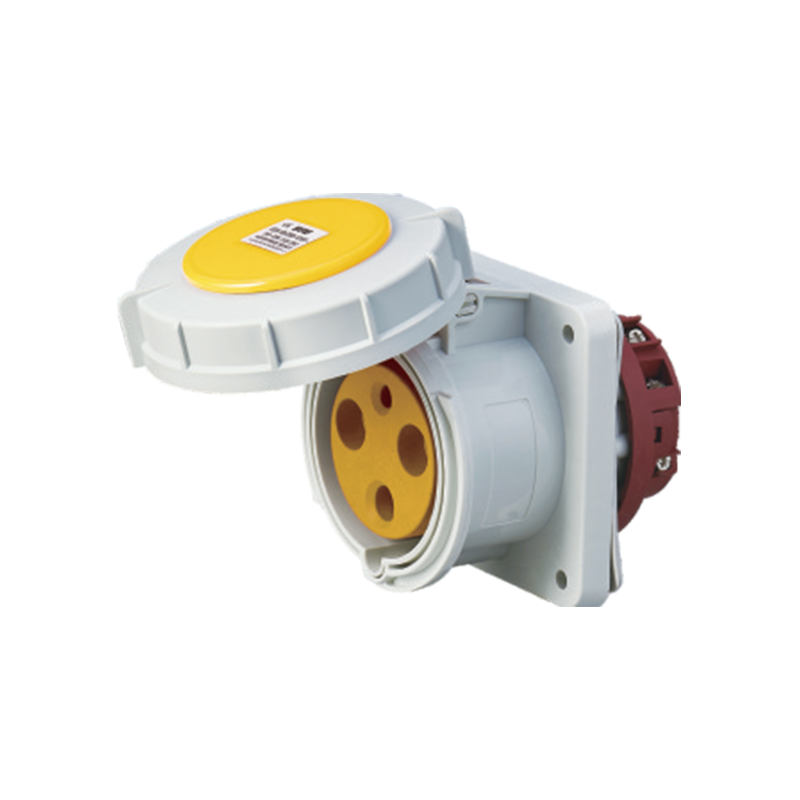
Selecting the right panel interface comes down to five checkpoints: phase system, pin count (3/4/5), current rating, IP protection, and installation fit. A Third Generation High-end Pannel Mounted Straight socket lineup that covers both IP44 nominal-voltage models and IP67 wide‑voltage high‑current options gives panel builders a clean way to standardize—while supporting everything from a 3 Pin Industrial Socket to a Three-phase Industrial Socket with 4 Pin Industrial Socket configurations where neutral isn't needed.

 English
 Español
 中文简体
中文简体