
 English
 Español
 中文简体
中文简体

Address: No. 199, Weiwu Road, Yueqing Economic Development Zone, Zhejiang Province, China.
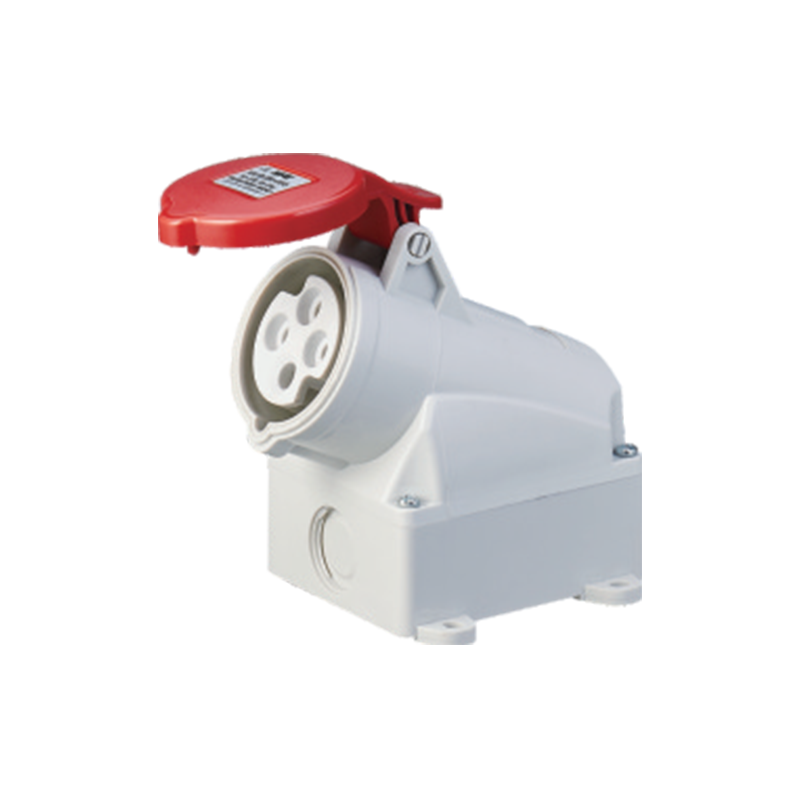
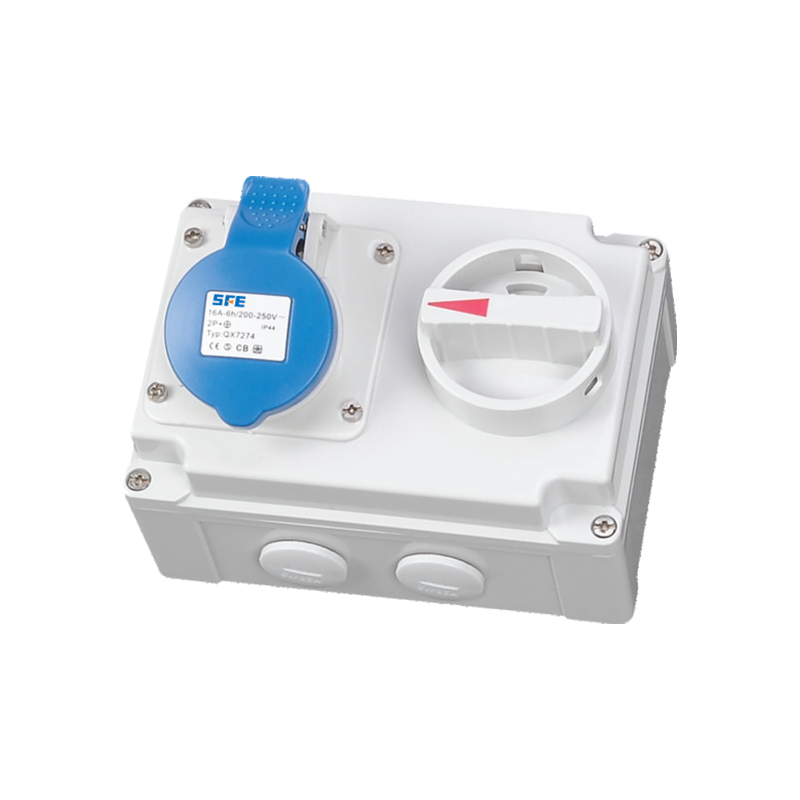
A standard socket accepts whatever plug fits. A mechanical interlocking socket accepts only the plug it is designed for, and only when it is safe to connect. The interlock is a mechanical gate, a rotating collar, or a switch that stays locked until the right plug is inserted and the power is off. It prevents mismating, prevents connection under load, and prevents someone pulling a live plug. For industrial panels, generator sets, and site distribution boards, the interlocking socket is the outlet that says no.
The Interlock That Controls the Connection
The interlock mechanism is built into the socket face. A cover or a collar blocks the plug entry. The right plug, inserted and rotated, releases the interlock. A mechanical interlocking socket with a properly designed mechanism cannot be forced with the wrong plug or the wrong angle.
The interlock also coordinates with the switch. On switched interlocks, the plug can only be inserted when the switch is off. The switch can only be turned on after the plug is fully seated. A mechanical interlocking socket with a switch interlock prevents connecting or disconnecting under load, which stops the arc that burns contacts and trips breakers.
The degree of protection depends on the design. Some interlocks only prevent mismating. Others add the switch coordination. A mechanical interlocking socket with full switch interlock is the standard for industrial power connections where safety is the priority.
The Keying and the Voltage
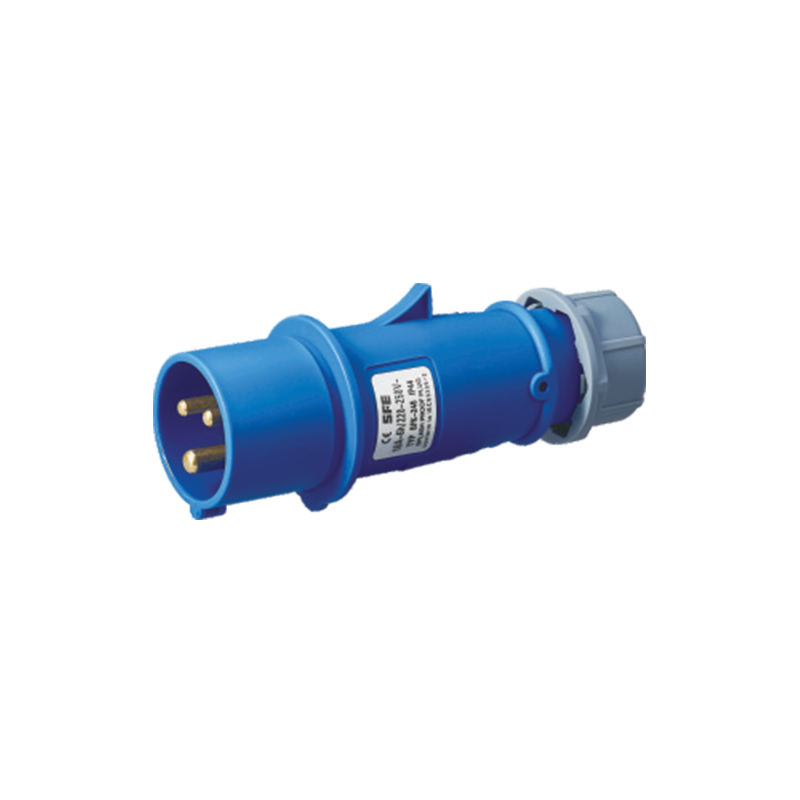
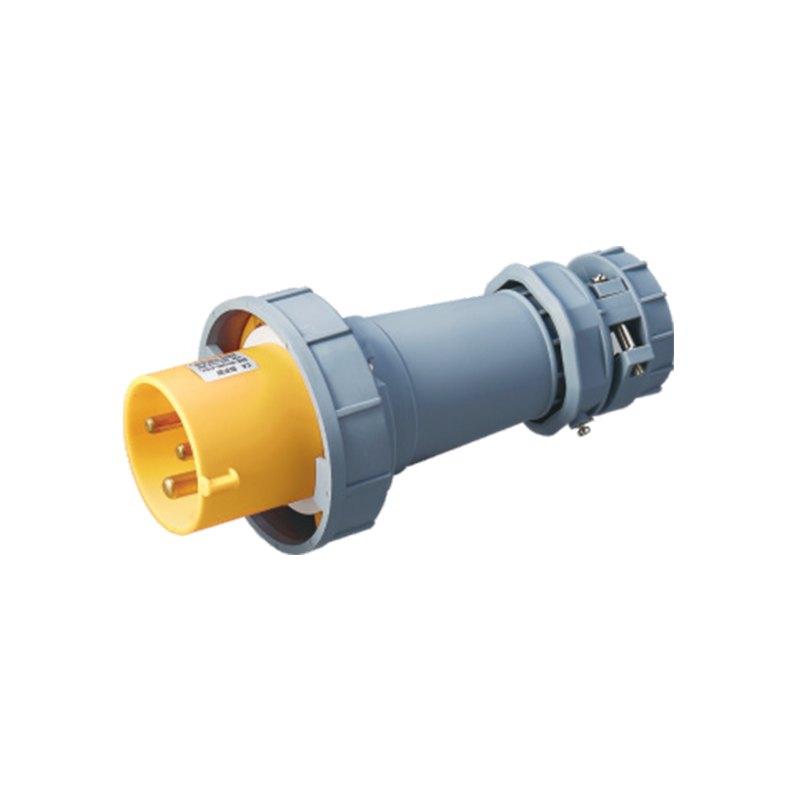
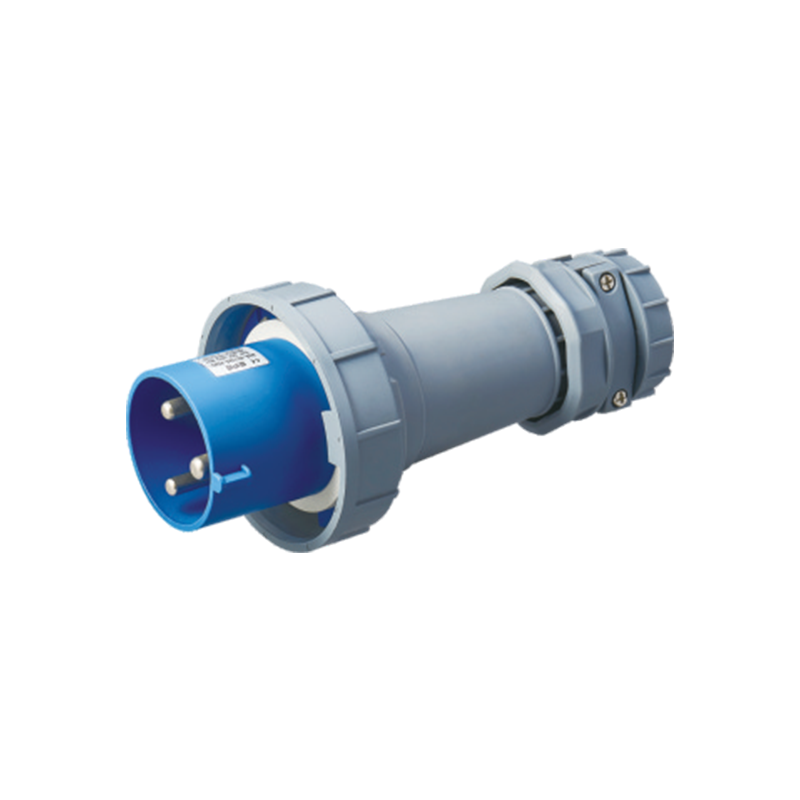
The plug and socket are keyed by the earth pin position, the pin arrangement, and the shell shape. A 110V plug cannot enter a 400V socket. A mechanical interlocking socket with the correct keying for its voltage rating rejects plugs of other voltages.
The pin count matches the circuit. Three pins for single phase plus earth. Five pins for three phase plus neutral and earth. A mechanical interlocking socket with the right pin configuration carries the load without overloading a single contact.
The contacts are brass with silver or nickel plating. The plating resists oxidation and keeps the contact resistance low. A mechanical interlocking socket with quality contacts stays cool at the rated current.
The Housing and the Environment
The housing is glass-reinforced nylon or a similar engineering polymer. It resists impact, oil, and cleaning chemicals. A mechanical interlocking socket mounted on a panel or a wall takes knocks and keeps working.
The IP rating tells the environmental protection. IP44 resists splashes. IP67 survives temporary immersion. A mechanical interlocking socket with the right IP rating for the installation, washdown area, outdoor site board, marine dock, stays sealed.
The cable entry is a gland or a knock-out. The gland seals around the cable and keeps the moisture and the dust out of the terminal area. A mechanical interlocking socket with a properly sized gland stays dry inside.
Here is what a mechanical interlocking socket needs to deliver:
- Mechanical interlock that rejects the wrong plug
- Switch coordination that prevents connection under load
- Keying and pin arrangement matched to the voltage
- Brass contacts with plating for stable resistance
- Impact-resistant housing with the right IP rating
- Cable gland sealing for the environment
The Panel, the Generator, and the Site Board
Industrial panels use interlocking sockets for the machine connections. The operator plugs in the machine only when the panel switch is off. A mechanical interlocking socket on a panel isolates the machine from the power until the connection is safe.
Generator sets use interlocking sockets for the output connections. The socket prevents connecting a load while the generator is running. A mechanical interlocking socket on a generator protects the alternator and the operator.
Site distribution boards use interlocking sockets for the tool outlets. The sockets are exposed to the weather and the rough handling of a construction site. A mechanical interlocking socket with a high IP rating survives the site.
The Interlock That Fails Open
A cheap interlock wears and the gate no longer blocks the wrong plug. The protection is gone. A mechanical interlocking socket with a robust interlock mechanism holds its function. The switch contacts burn because the interlock allowed connection under load. The switch coordination prevents it. The housing cracks at the cable entry because the material was too brittle. Quality polymer holds.
A mechanical interlocking socket is the outlet that says no when the connection is wrong or the power is on. The interlock blocks. The keying rejects. The switch coordinates. Choose a socket with a robust interlock, correct keying, and an enclosure for the environment. The connection will be safe and the power will stay controlled. That is the point.
