Big electrical systems need more than just big transformers and switchgear. They also need good connection parts like In...
READ MORE

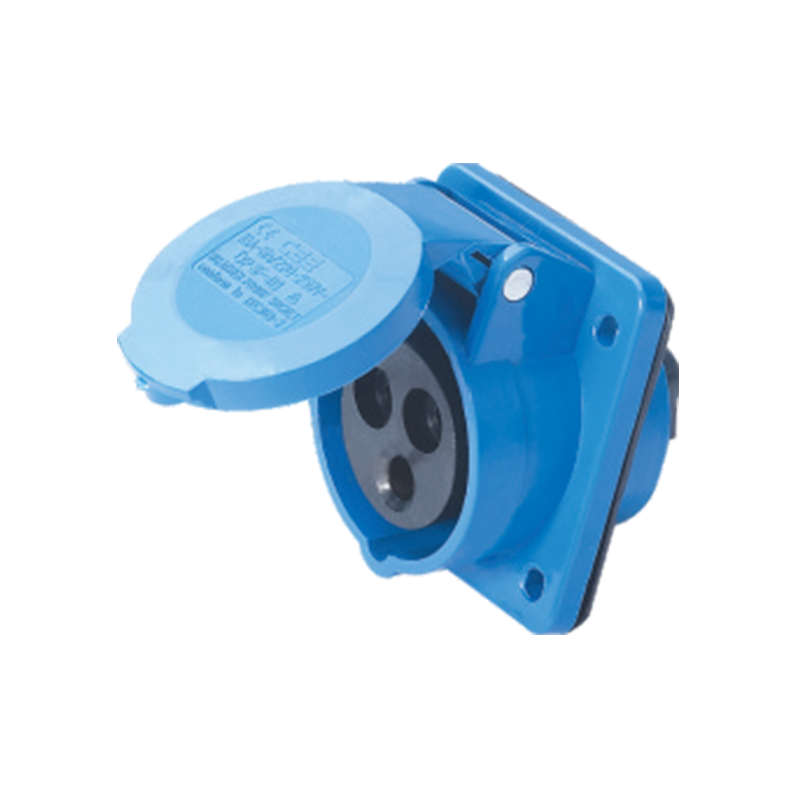
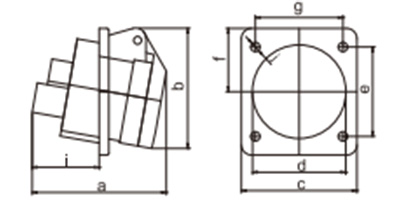
| Earth contact position | 4h | ||
| Rated current(A) | 16 | 32 | |
| Pole | 3 | ||
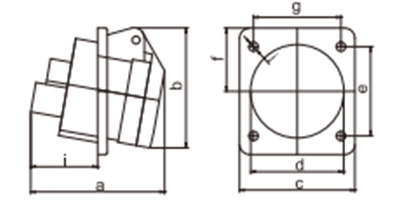
| Dimension(mm) | a | 73 | 87 |
| b | 70 | 91 | |
| c | 62 | 80 | |
| d | 54 | 73 | |
| e | 49 | 71 | |
| f | 33 | 42 | |
| g | 47 | 61 | |
| i | 36 | 44 | |
| j | 5 | 5 | |
| Cable nominal cross-section area(mm²) | 1-2.5 | 2.5-6 | |
| Current(A): | 16A. 32A |
| Voltage(V): | 110-130V~2P+E |
| Protection degree: | IP44 |

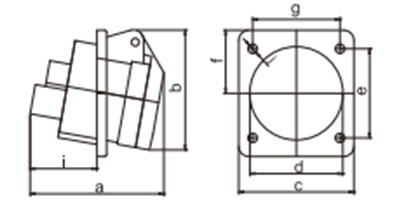
| Earth contact position | 6h | ||
| Rated current(A) | 16 | 32 | |
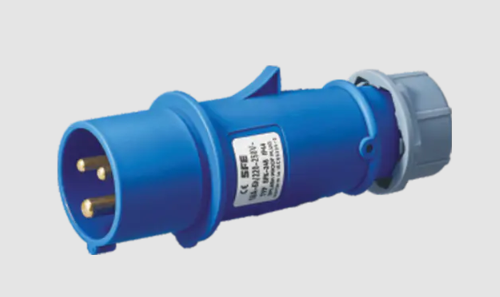
| Pole | 3 | ||
| Dimension(mm) | a | 73 | 87 |
| b | 70 | 91 | |
| c | 62 | 80 | |
| d | 54 | 73 | |
| e | 49 | 71 | |
| f | 33 | 42 | |
| g | 47 | 61 | |
| i | 36 | 44 | |
| j | 5 | 5 | |
| Cable nominal cross-section area(mm²) | 1-2.5 | 2.5-6 | |
| Current(A): | 16A. 32A |
| Voltage(V): | 220-240V~2P+E |
| Protection degree: | IP44 |

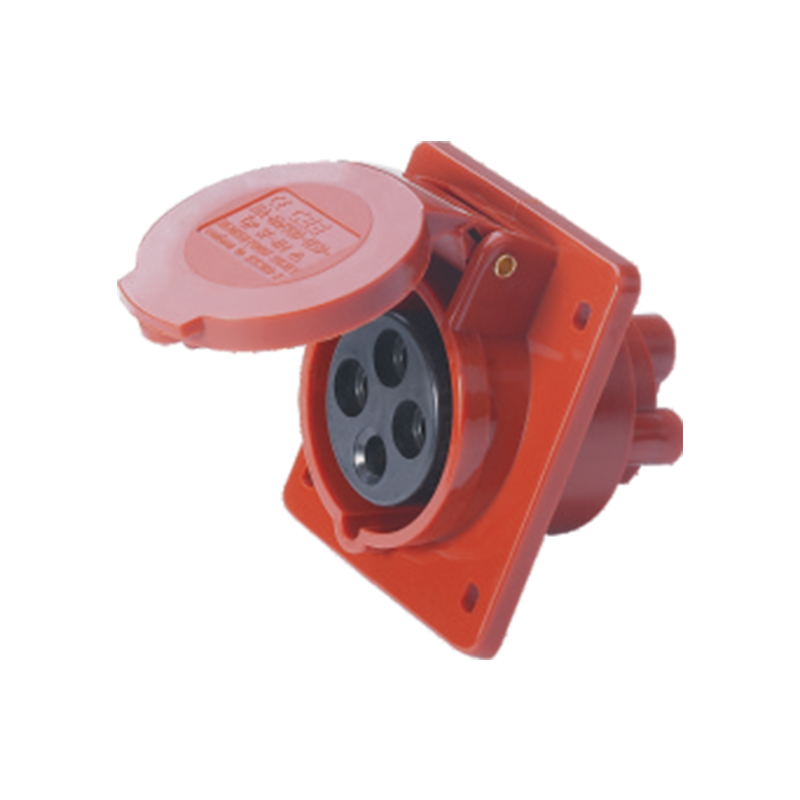
| Earth contact position | 6h | ||
| Rated current(A) | 16 | 32 | |
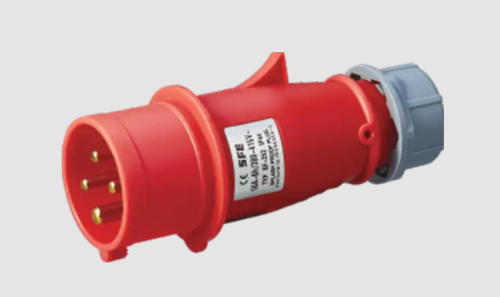
| Pole | 4 | ||
| Dimension(mm) | a | 80 | 87 |
| b | 78 | 91 | |
| c | 76 | 80 | |
| d | 61 | 73 | |
| e | 62 | 71 | |
| f | 42 | 42 | |
| g | 60 | 61 | |
| i | 44 | 44 | |
| j | 5 | 5 | |
| Cable nominal cross-section area(mm²) | 1-2.5 | 2.5-6 | |
| Current(A): | 16A. 32A |
| Voltage(V): | 380-415V~3P+E |
| Protection degree: | IP44 |

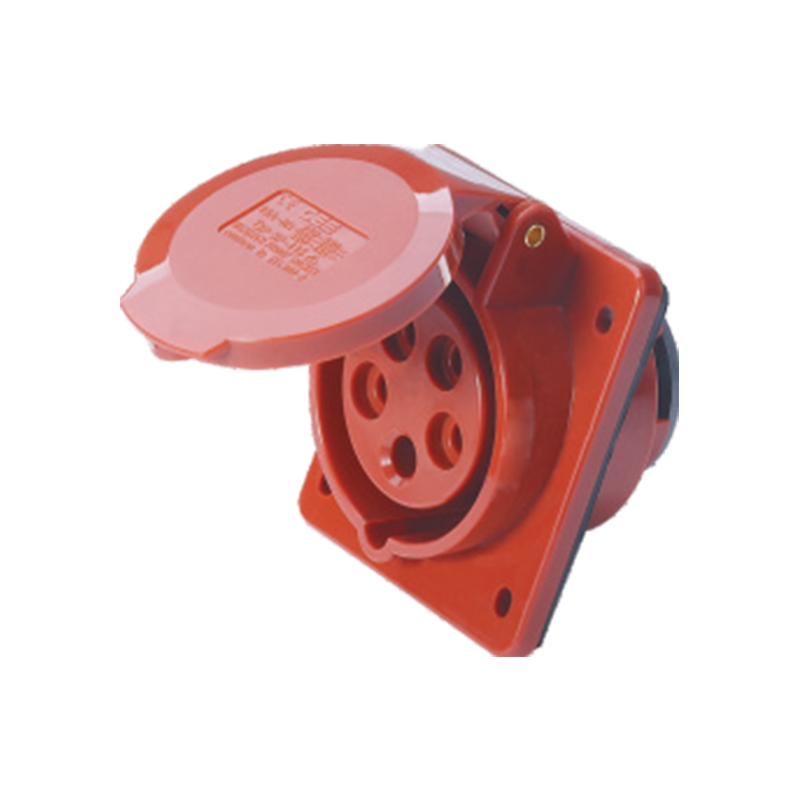
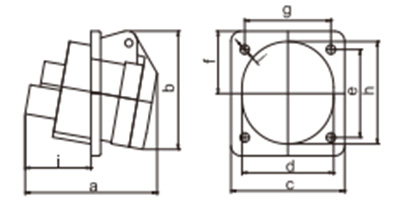
| Earth contact position | 6h | ||
| Rated current(A) | 16 | 32 | |
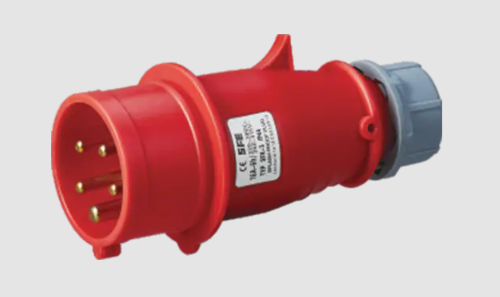
| Pole | 5 | ||
| Dimension(mm) | a | 79 | 87 |
| b | 86 | 94 | |
| c | 75 | 82 | |
| d | 68 | 72 | |
| e | 62 | 71 | |
| f | 37 | 43 | |
| g | 60 | 61 | |
| h | 68 | 80 | |
| i | 42 | 44 | |
| j | 5 | 5 | |
| Cable nominal cross-section area(mm²) | 1-2.5 | 2.5-6 | |
| Current(A): | 16A. 32A |
| Voltage(V): | 220-380V~/240-415V~3P+N+E |
| Protection degree: | IP44 |

Big electrical systems need more than just big transformers and switchgear. They also need good connection parts like In...
READ MORE
Production layouts change more frequently than before. Manufacturing lines are adjusted to accommodate new orders, tempo...
READ MORE
More and more places these days are using their own local power systems. Things like business parks, university campuses...
READ MORE
Small hardware decisions can ripple through a facility’s daily rhythm. Fixing power feed points where equipment routinel...
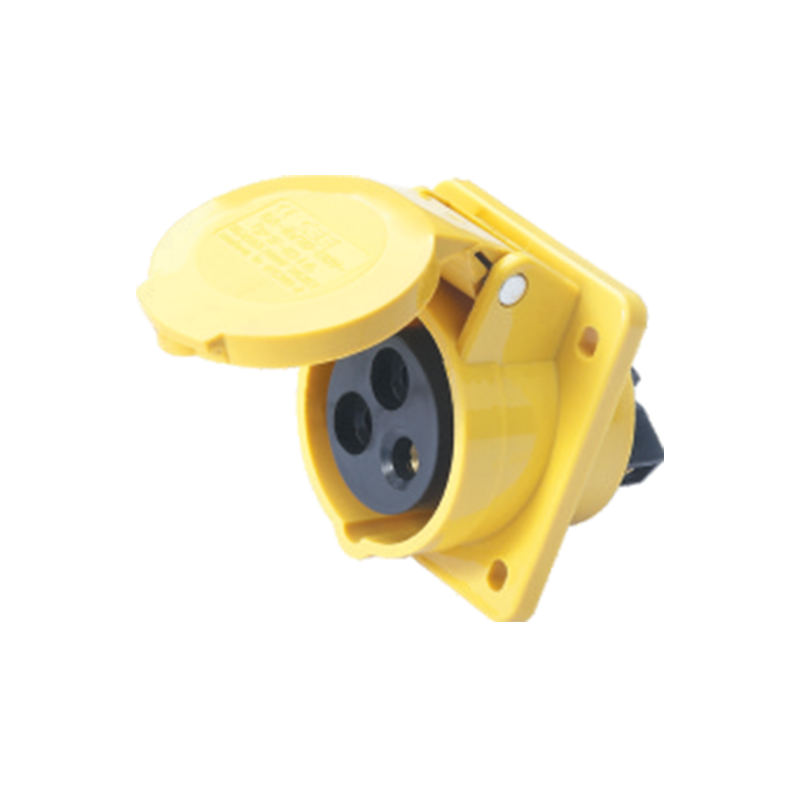
READ MOREChoosing an angled, panel-mounted socket is often less about "features" and more about preventing avoidable wiring issues. In compact cabinets, cable ducts, breakers, and terminals quickly consume depth. A First Generation Basic Panel Mounted Angle Socket addresses this by changing the cable exit path so conductors don't fight the enclosure during installation—or during service calls years later.
1) What an angled panel socket improves in real builds
In day-to-day panel work, the angle can translate into measurable assembly benefits:
For standard panels, those three points often matter more than premium add-ons.
2) Where a "basic" generation is usually the best fit
A first-generation, no-frills design is commonly selected when the goal is stable performance and repeatability:
3) Pre-spec checks that prevent installation surprises
Before locking in the part, verify a few practical items that affect build success:
If your project needs a dependable angled interface, repeatable installation, and simple maintenance—without overengineering—the First Generation Basic Panel Mounted Angle Socket is often the most efficient specification for industrial panels and compact enclosures.