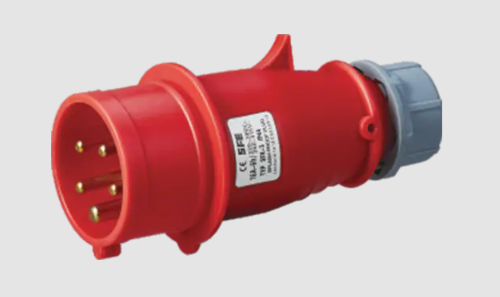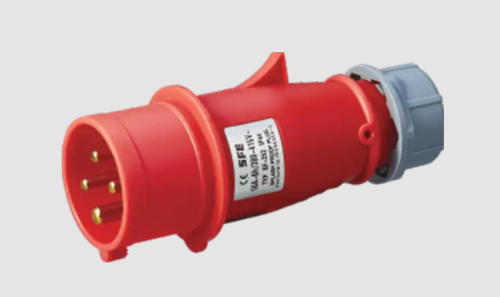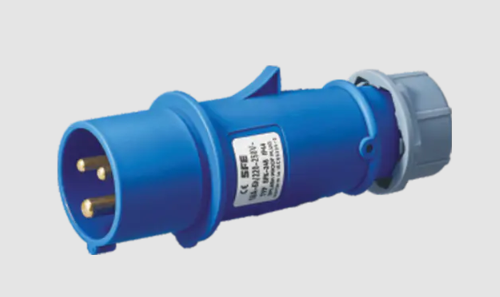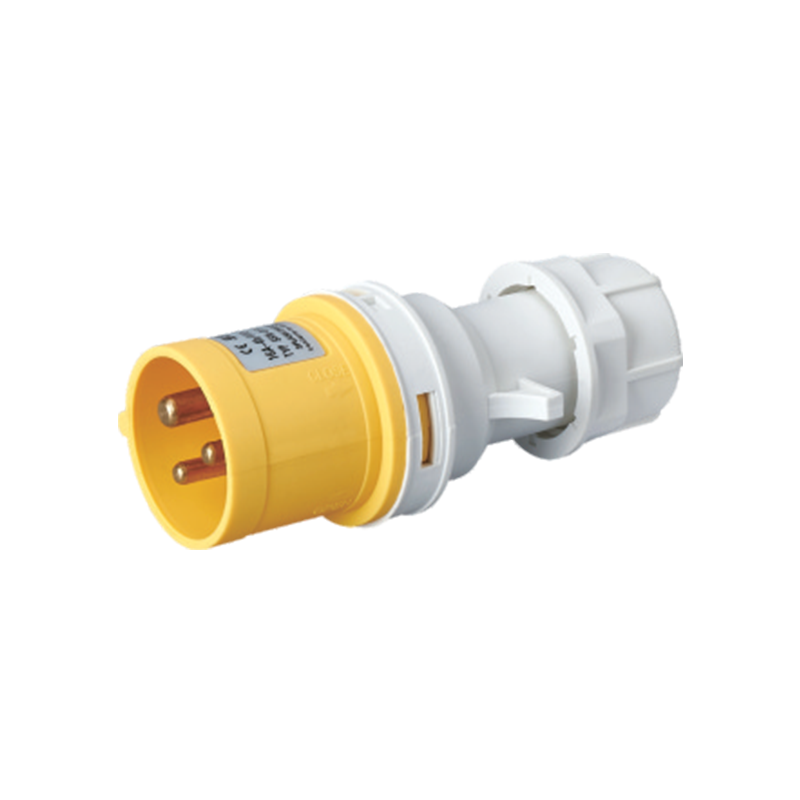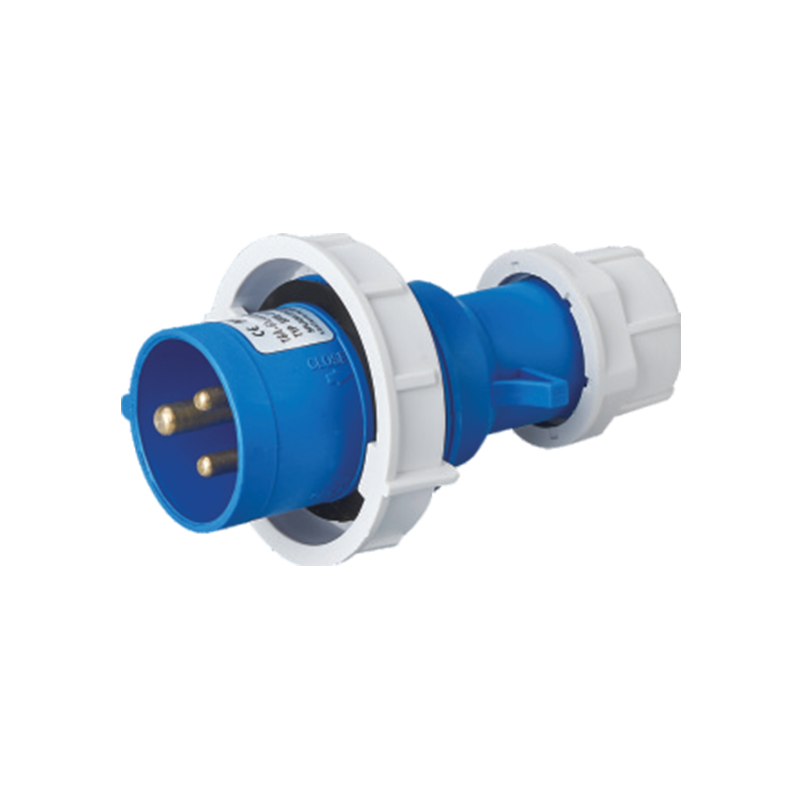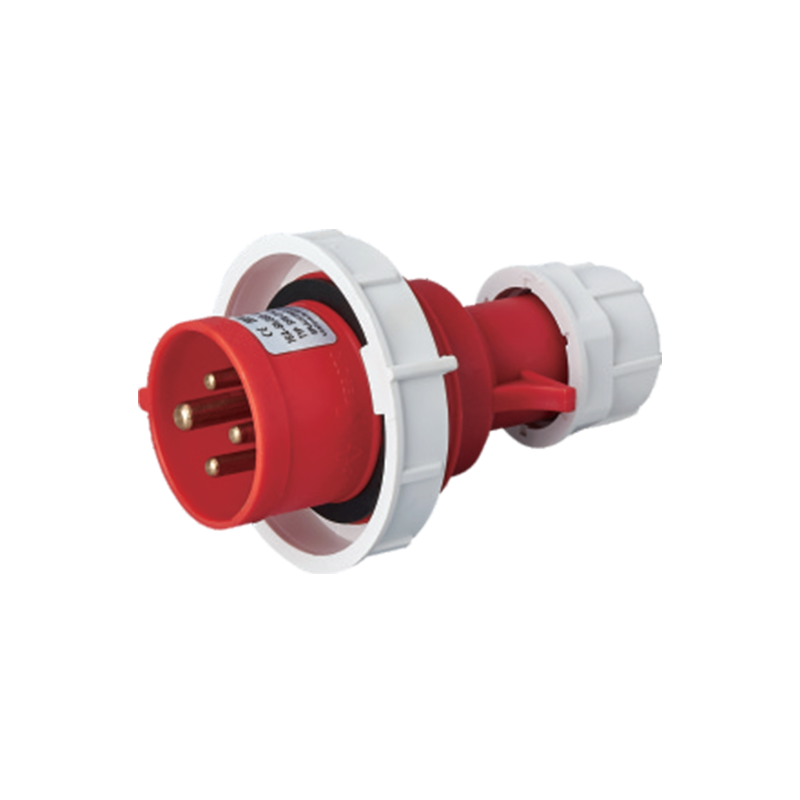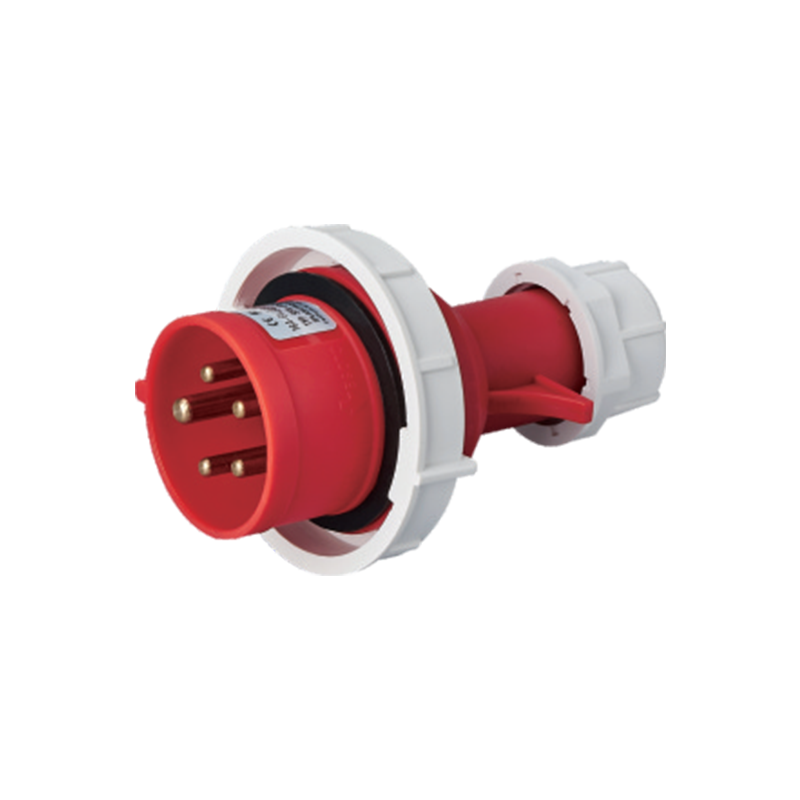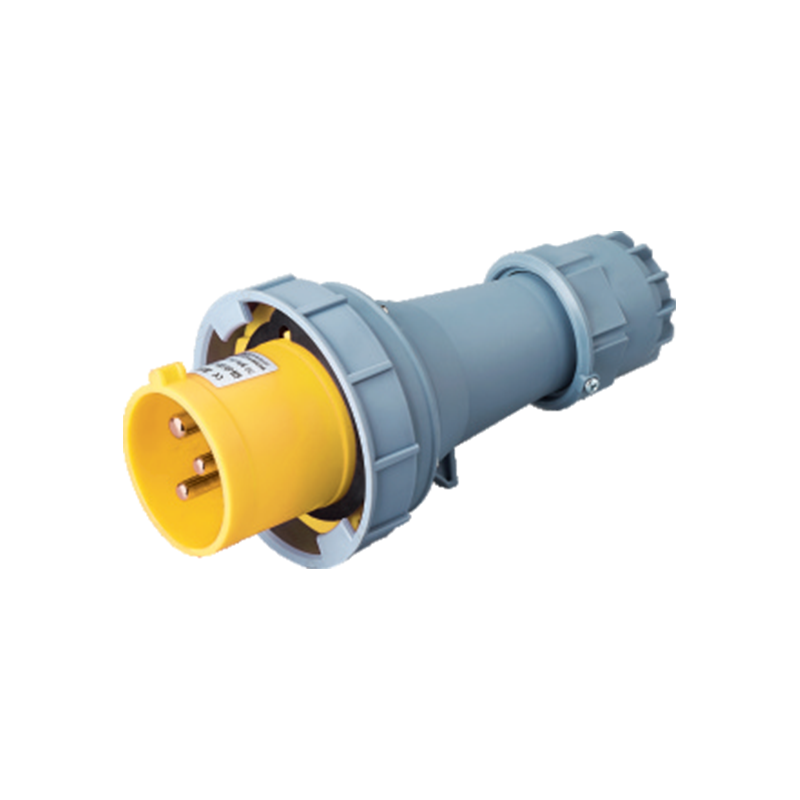
Big electrical systems need more than just big transformers and switchgear. They also need good connection parts like In...
READ MORE

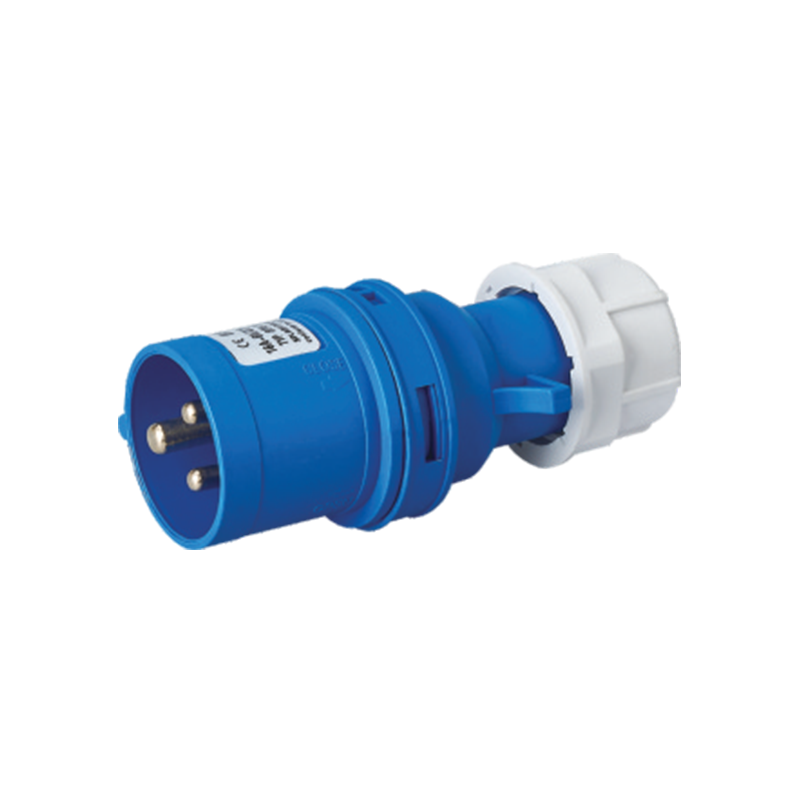
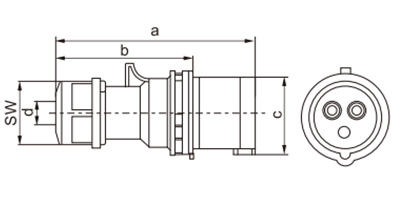
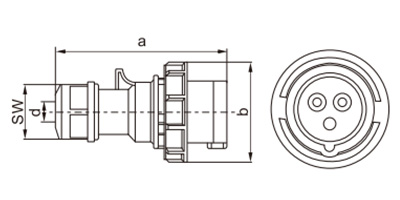
| Earth contact position | 4h | ||
| Rated current(A) | 16 | 32 | |
| Pole | 3 | ||
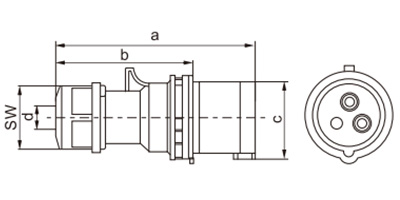
| Dimension(mm) | a | 118 | 146 |
| b | 82 | 100 | |
| c | 47 | 63 | |
| d | 6-15 | 10-20 | |
| sw | 38 | 50 | |
| Cable nominal cross-section area(mm²) | 1-2.5 | 2.5-6 | |
| Current(A): | 16A, 32A |
| Voltage(V): | 110-130V~2P+E |
| Protection degree: | IP44 |

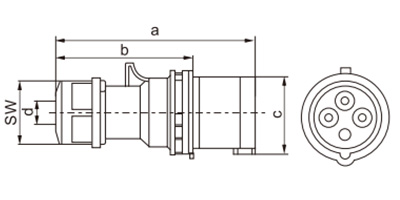
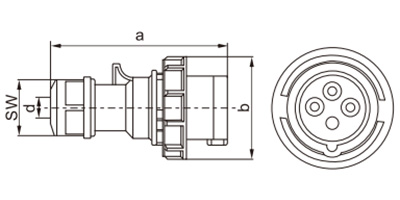
| Earth contact position | 6h | ||
| Rated current(A) | 16 | 32 | |
| Pole | 3 | ||
| Dimension(mm) | a | 118 | 146 |
| b | 82 | 100 | |
| c | 47 | 63 | |
| d | 6-15 | 10-20 | |
| sw | 38 | 50 | |
| Cable nominal cross-section area(mm²) | 1-2.5 | 2.5-6 | |
| Current(A): | 16A, 32A |
| Voltage(V): | 220-240V~2P+E |
| Protection degree: | IP44 |

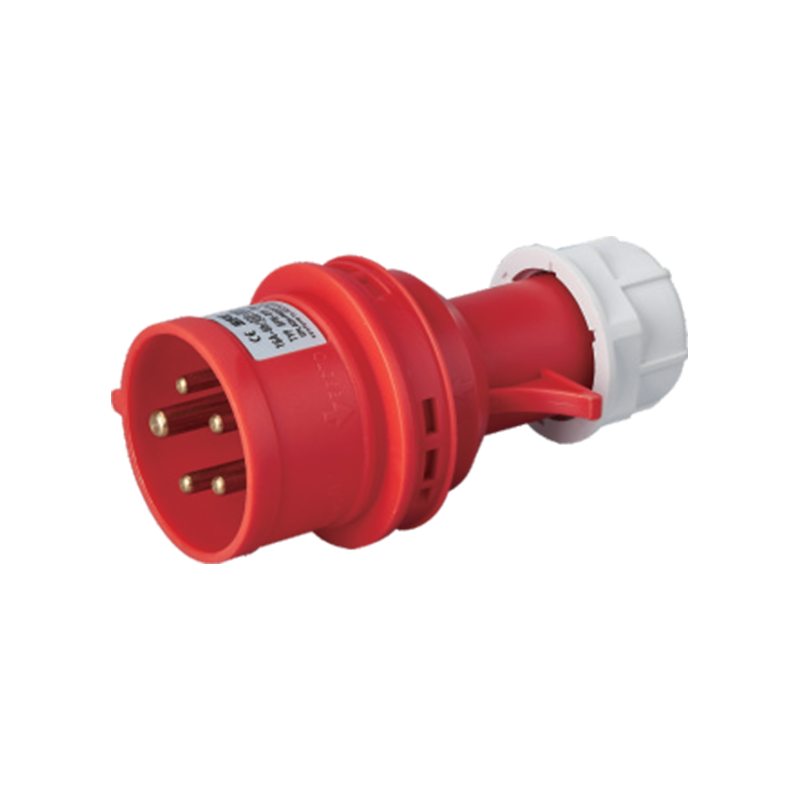
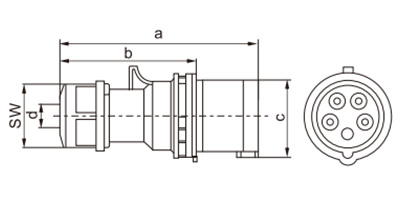
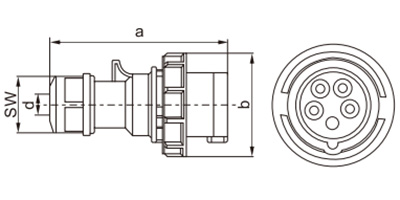
| Earth contact position | 6h | ||
| Rated current(A) | 16 | 32 | |
| Pole | 4 | ||
| Dimension(mm) | a | 124 | 146 |
| b | 88 | 100 | |
| c | 53 | 63 | |
| d | 6-15 | 10-20 | |
| sw | 38 | 50 | |
| Cable nominal cross-section area(mm²) | 1-2.5 | 2.5-6 | |
| Current(A): | 16A, 32A |
| Voltage(V): | 380-415V~3P+E |
| Protection degree: | IP44 |

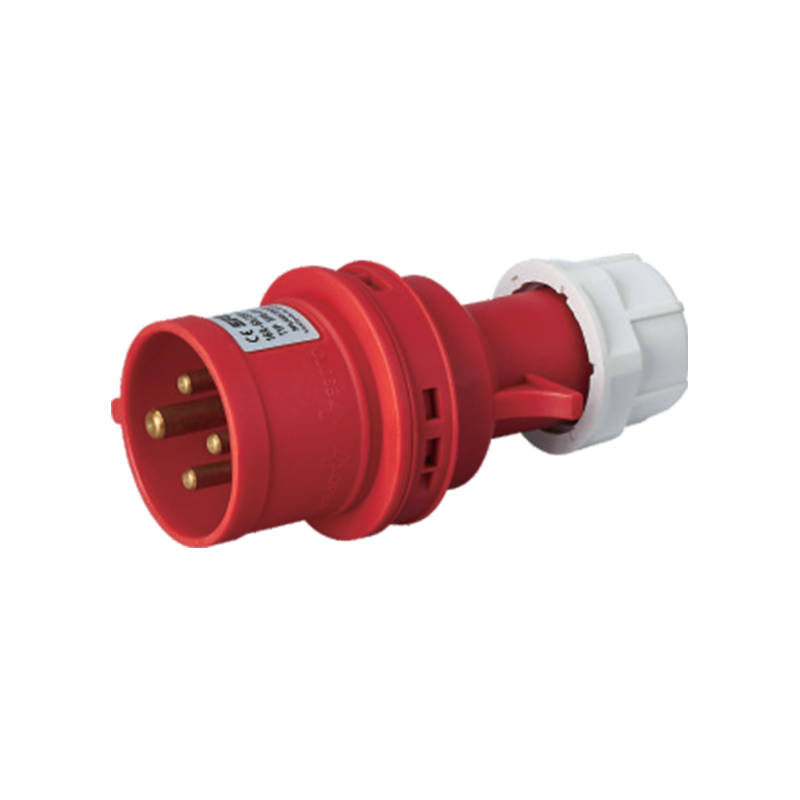
| Earth contact position | 6h | ||
| Rated current(A) | 16 | 32 | |
| Pole | 5 | ||
| Dimension(mm) | a | 131 | 152 |
| b | 95 | 106 | |
| c | 61 | 70 | |
| d | 8-16 | 10-20 | |
| sw | 42 | 50 | |
| Cable nominal cross-section area(mm²) | 1-2.5 | 2.5-6 | |
| Current(A): | 16A, 32A |
| Voltage(V): | 220-380V~/240-415V~3P+N+E |
| Protection degree: | IP44 |

| Earth contact position | 4h | ||
| Rated current(A) | 16 | 32 | |
| Pole | 3 | ||
| Dimension(mm) | a | 118 | 146 |
| b | 82 | 100 | |
| c | 47 | 63 | |
| d | 6-15 | 10-20 | |
| sw | 38 | 50 | |
| Cable nominal cross-section area(mm²) | 1-2.5 | 2.5-6 | |
| Current(A): | 16A, 32A |
| Voltage(V): | 110-130V~2P+E |
| Protection degree: | IP67 |

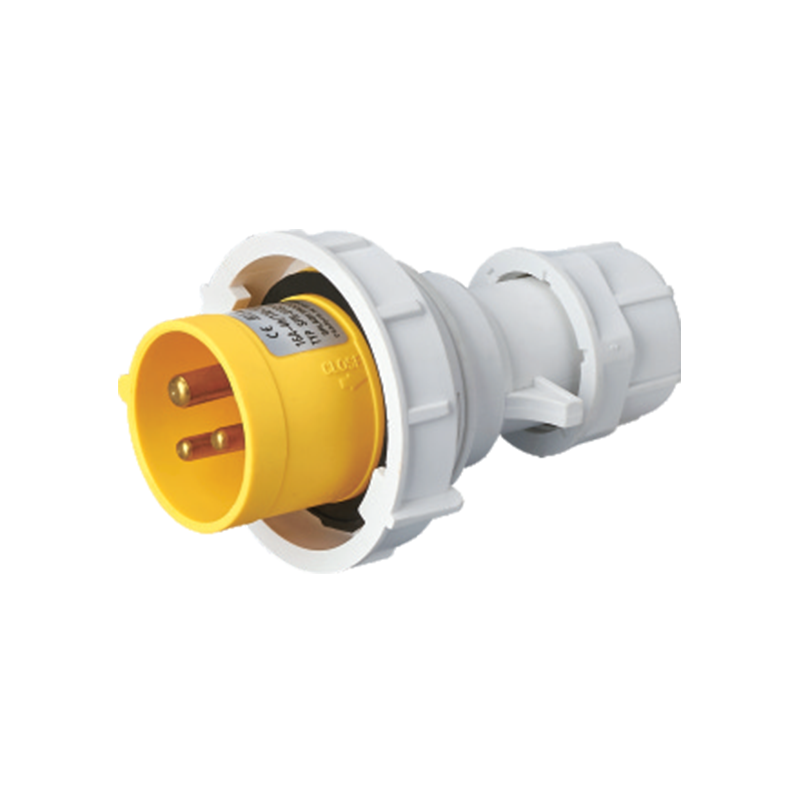
| Earth contact position | 6h | ||
| Rated current(A) | 16 | 32 | |
| Pole | 3 | ||
| Dimension(mm) | a | 118 | 146 |
| b | 82 | 100 | |
| d | 6-15 | 10-20 | |
| sw | 38 | 50 | |
| Cable nominal cross-section area(mm²) | 1-2.5 | 2.5-6 | |
| Current(A): | 16A, 32A |
| Voltage(V): | 220-240V~3P+E |
| Protection degree: | IP67 |

| Earth contact position | 6h | ||
| Rated current(A) | 16 | 32 | |
| Pole | 4 | ||
| Dimension(mm) | a | 118 | 146 |
| b | 79 | 93 | |
| d | 6-15 | 10-20 | |
| sw | 38 | 50 | |
| Cable nominal cross-section area(mm²) | 1-2.5 | 2.5-6 | |
| Current(A): | 16A, 32A |
| Voltage(V): | 380-415V~3P+E |
| Protection degree: | IP67 |

| Earth contact position | 6h | ||
| Rated current(A) | 16 | 32 | |
| Pole | 5 | ||
| Dimension(mm) | a | 131 | 152 |
| b | 87 | 100 | |
| d | 8-16 | 10-20 | |
| sw | 42 | 50 | |
| Cable nominal cross-section area(mm²) | 1-2.5 | 2.5-6 | |
| Current(A): | 16A, 32A |
| Voltage(V): | 220-380V~/240-415V~3P+N+E |
| Protection degree: | IP67 |

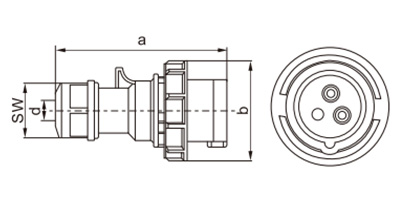
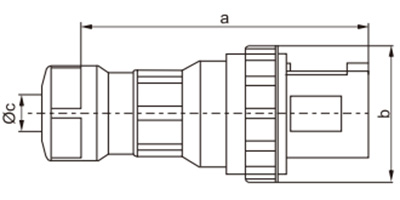
| Earth contact position | 4h | ||
| Rated current(A) | 63 | 125 | |
| Pole | 3 | ||
| Dimension(mm) | a | 240 | 295 |
| b | 115 | 126 | |
| c | 30 | 44.5 | |
| Cable nominal cross-section area(mm²) | 6-16 | 16-50 | |
| Current(A): | 63A, 125A |
| Voltage(V): | 220-250V~2P+E |
| Protection degree: | IP67 |

| Earth contact position | 6h | ||
| Rated current(A) | 63 | 125 | |
| Pole | 3 | ||
| Dimension(mm) | a | 240 | 295 |
| b | 115 | 126 | |
| c | 30 | 44.5 | |
| Cable nominal cross-section area(mm²) | 6-16 | 16-50 | |
| Current(A): | 63A, 125A |
| Voltage(V): | 220-250V~2P+E |
| Protection degree: | IP67 |

| Earth contact position | 6h | ||
| Rated current(A) | 63 | 125 | |
| Pole | 4 | ||
| Dimension(mm) | a | 240 | 295 |
| b | 115 | 126 | |
| c | 30 | 44.5 | |
| Cable nominal cross-section area(mm²) | 6-16 | 16-50 | |
| Current(A): | 63A, 125A |
| Voltage(V): | 220-380V~3P+N+E |
| Protection degree: | IP67 |

| Earth contact position | 6h | ||
| Rated current(A) | 63 | 125 | |
| Pole | 5 | ||
| Dimension(mm) | a | 240 | 295 |
| b | 115 | 126 | |
| c | 30 | 44.5 | |
| Cable nominal cross-section area(mm²) | 6-16 | 16-50 | |
| Current(A): | 63A, 125A |
| Voltage(V): | 220-380V~/240-415V~3P+N+E |
| Protection degree: | IP67 |

Big electrical systems need more than just big transformers and switchgear. They also need good connection parts like In...
READ MORE
Production layouts change more frequently than before. Manufacturing lines are adjusted to accommodate new orders, tempo...
READ MORE
More and more places these days are using their own local power systems. Things like business parks, university campuses...
READ MORE
Small hardware decisions can ripple through a facility’s daily rhythm. Fixing power feed points where equipment routinel...
READ MOREIndustrial plugs don't usually fail in a lab—they fail on muddy sites, in cold mornings, beside hot machinery, or during a rushed changeover. That's why the best upgrades are the ones that solve the "small" mistakes that cause big downtime: choosing the wrong connector, losing a dependable earth path, or using a housing that ages fast under heat and impact.
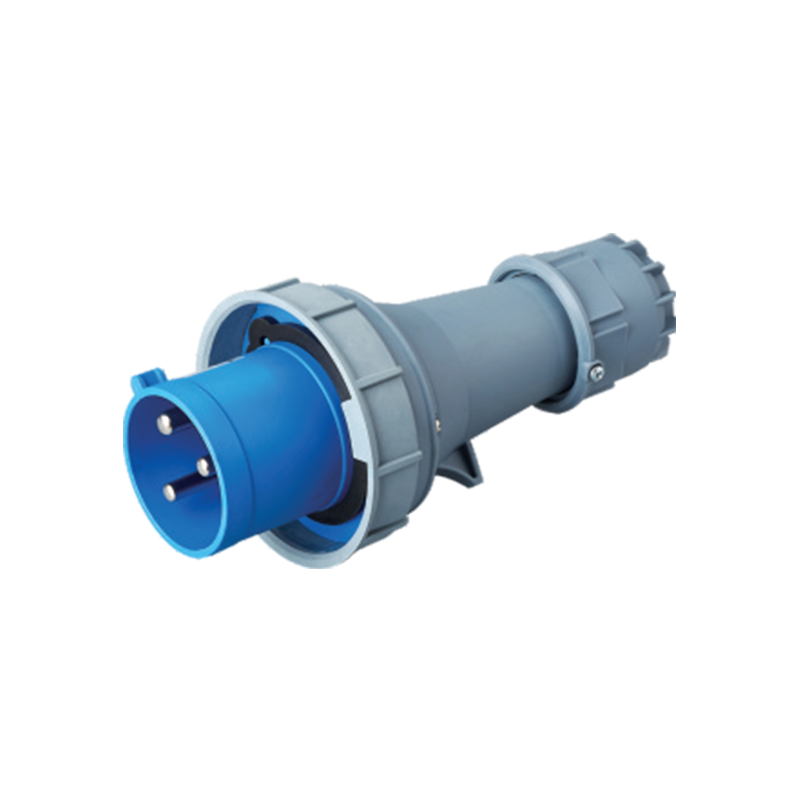
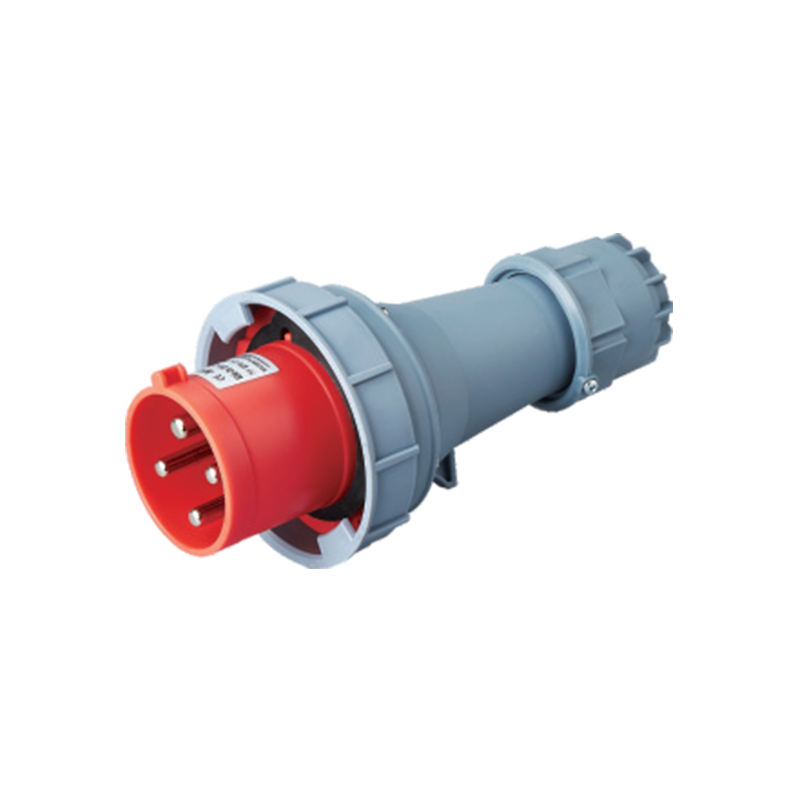
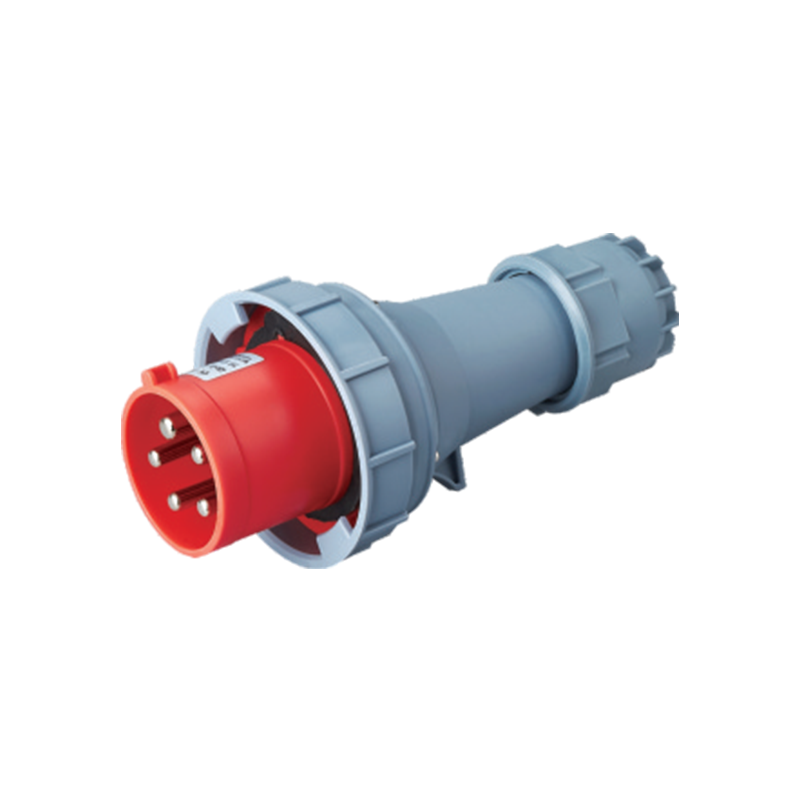
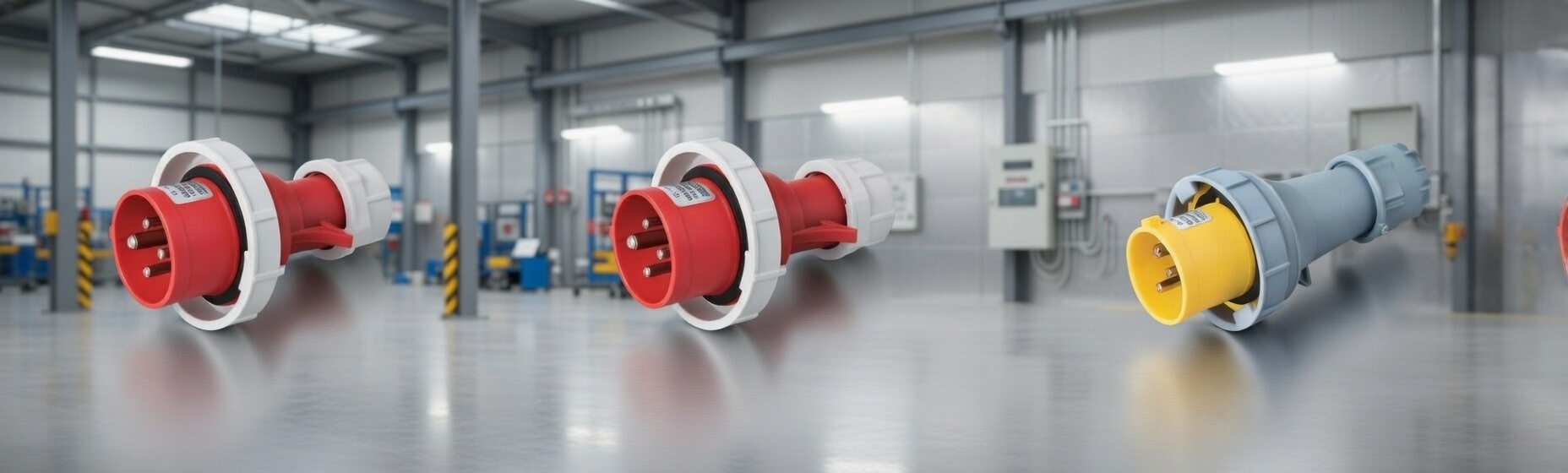
One of the most practical improvements is voltage coding you can recognize instantly. When multiple power sources are present, color cues reduce the odds of a hurried technician grabbing the wrong unit. This matters even more when a job uses a 110V Industrial Plug for temporary site power while nearby equipment runs at higher voltages—those moments are where preventable mismatches tend to happen.

Grounding is the next piece that separates a plug that "works" from one that supports consistent site safety. A dedicated earth pin is designed to keep protective earthing dependable through repeated mating cycles, vibration, and day‑to‑day handling. In industrial settings—where 220V Industrial Plug and 230V Industrial Plug configurations often supply fixed equipment—stable grounding isn't a nice feature; it's a baseline expectation for risk control and maintenance confidence.
Then there's the housing. A rugged nylon body engineered for heat resistance and flame retardancy helps the connector hold its shape and performance when exposed to thermal stress, sunlight, and rough handling. For buyers standardizing across regions and equipment ratings, that durability becomes important whether the application lands on a 240V Industrial Plug requirement or another common voltage class. In other words, the material choice quietly influences lifecycle cost: fewer cracked shells, fewer replacements, fewer “mystery faults” that only show up after months in the field.
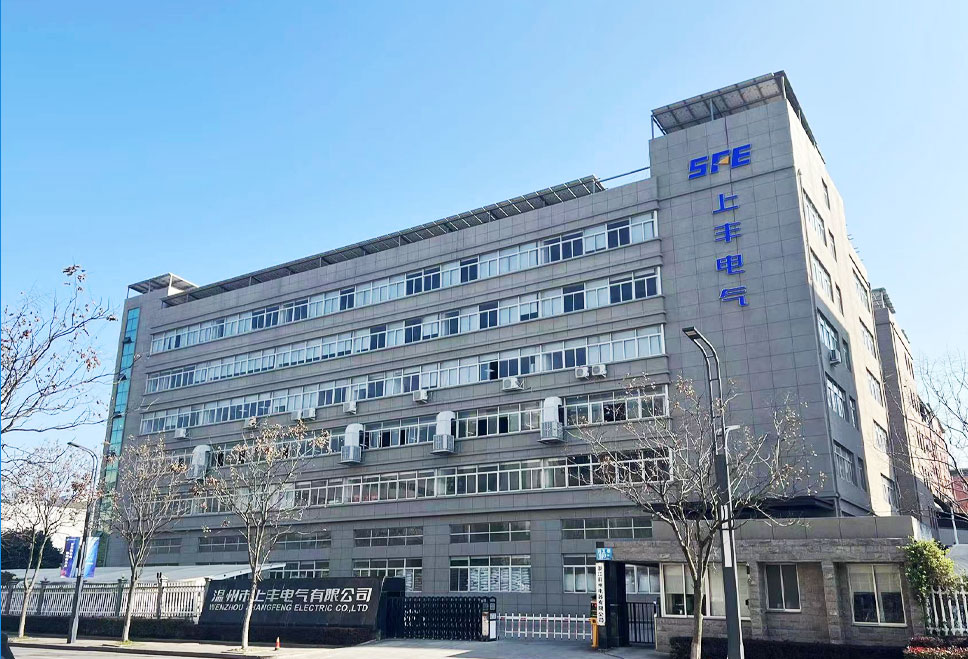
In procurement terms, the best decision is usually the one that stays predictable after thousands of connections: clear voltage identification, dependable earthing, protection suited to the environment, and supply that doesn't stall a project schedule. That's exactly the lane WENZHOU SHANGFENG ELECTRIC CO., LTD focuses on—building industrial plugs that are straightforward to specify, durable in the field, and supported by stable production, fast dispatch, and practical technical support when your team needs answers quickly.