
 English
 Español
 中文简体
中文简体

Address: No. 199, Weiwu Road, Yueqing Economic Development Zone, Zhejiang Province, China.
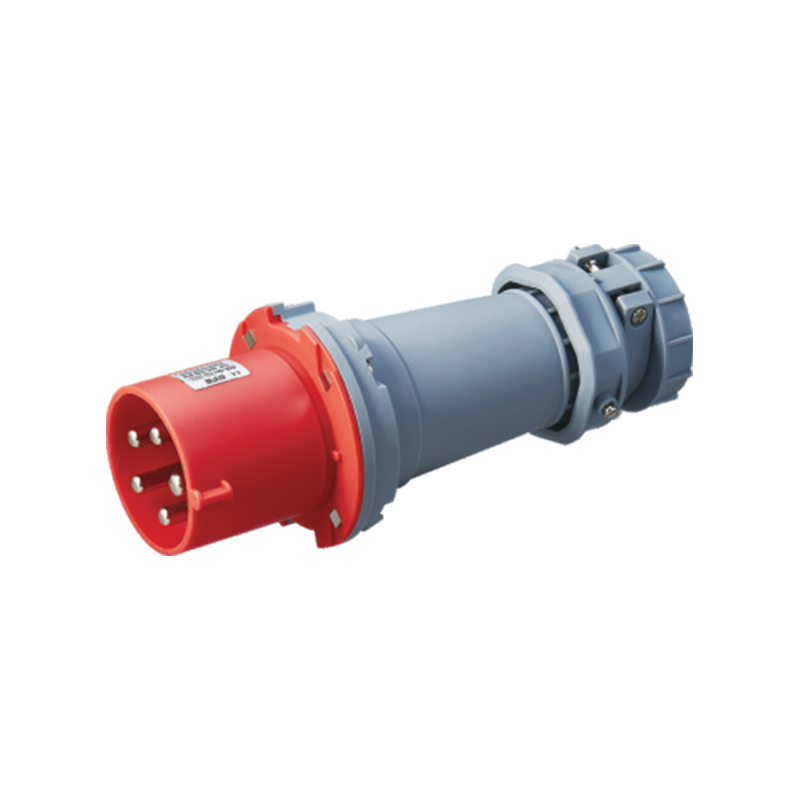
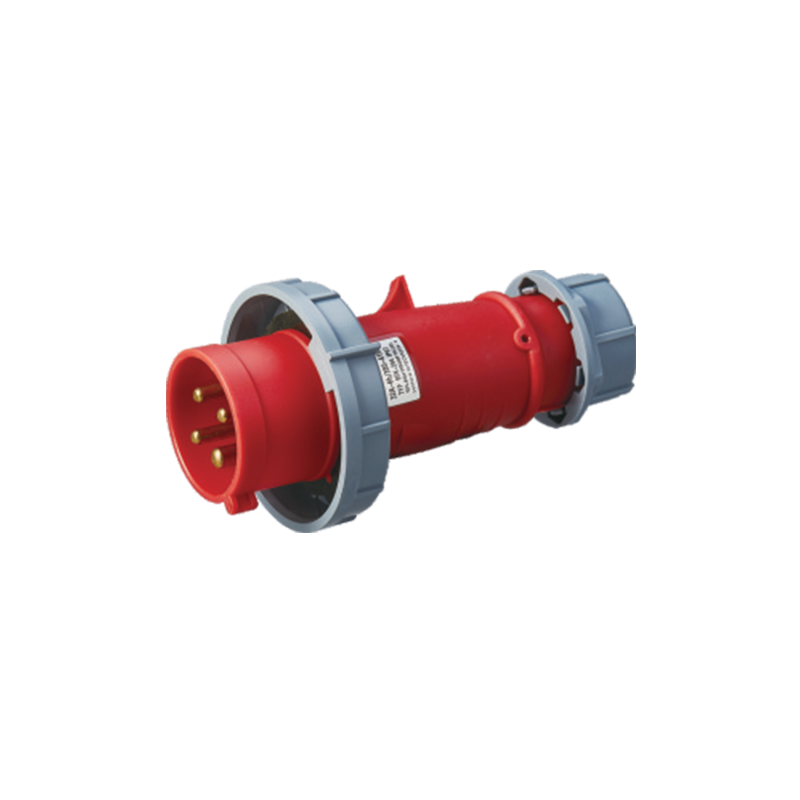
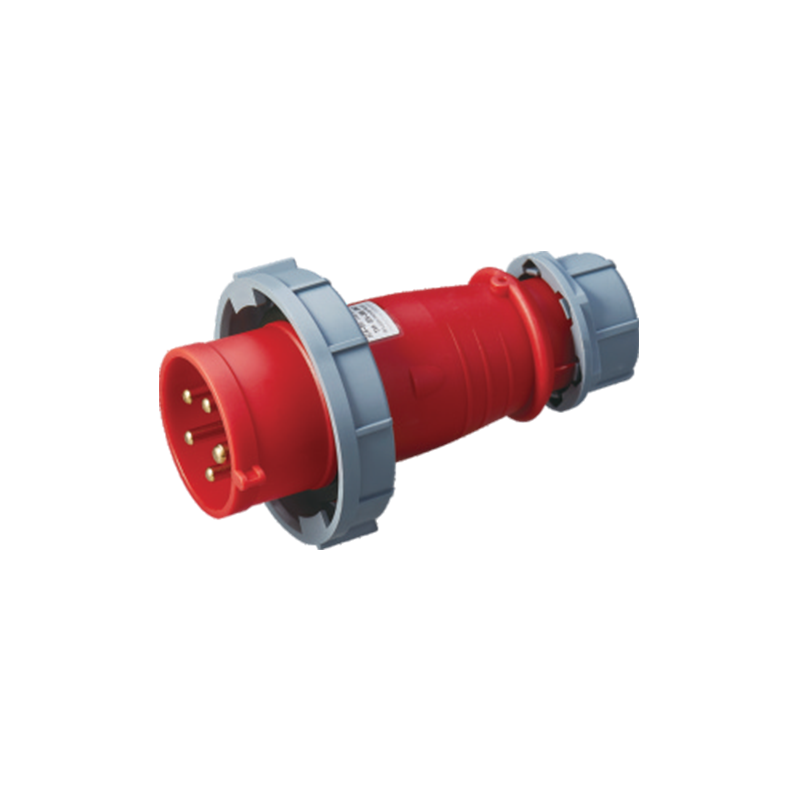
Power distribution is not the same in different industries. Temporary setups, fixed machines, moving equipment, and outdoor work all need different things from electrical connections. In these different places, industrial plugs and industrial sockets connect power sources to working equipment. Their job is not just to connect and disconnect. They affect how power systems handle changing layouts, weather, and daily work across industries.
People do not choose industrial sockets for just one job. They choose them because they work well in many situations. To know where they work well, we must look at their design, materials, and standards. We must see how these match real working conditions.
Manufacturing Facilities and Production Lines
Manufacturing plants have fixed machines and workstations that can move. Industrial sockets often give power to machines that might need to move during changes or repairs. In these places, a stable contact design and strong build help connectors keep the power on. This is true even with vibration and many connect-disconnect cycles.
Dust from machining, metal bits, or plastic dust can gather around power outlets. Industrial sockets with enclosed shapes and tight-fitting surfaces help keep dirt out of the contact areas. This helps them work well without needing constant cleaning or replacement. This is very useful in factories that run all day and night.
Construction Sites and Temporary Installations
Construction sites have their own problems. Power distribution is usually temporary. Layouts change often. Connectors face weather, dust, and physical hits. Industrial sockets work well here. They are made to be set up and taken down many times. They still keep good electrical contact.
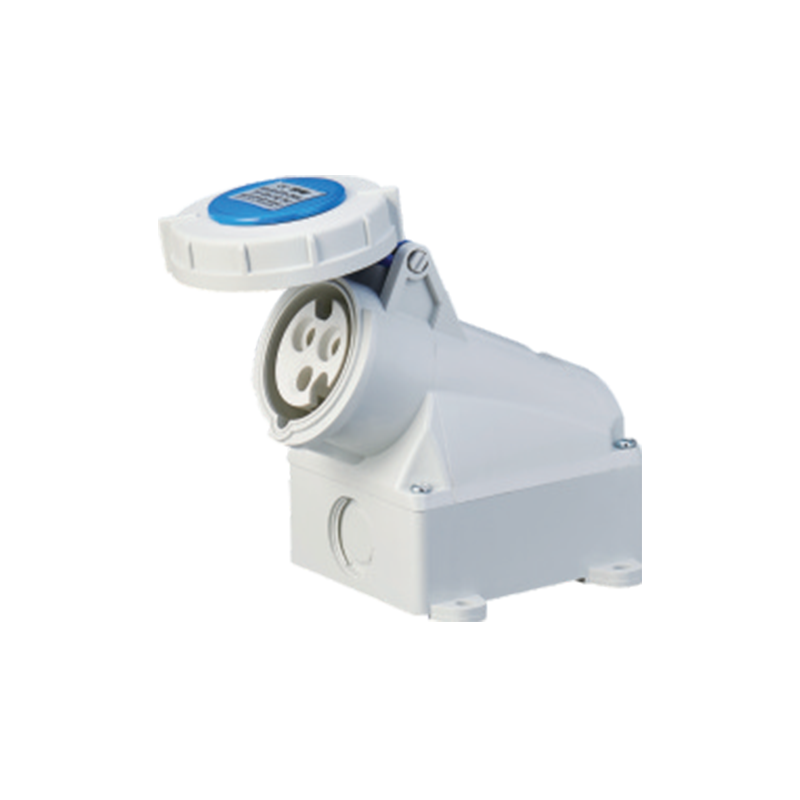
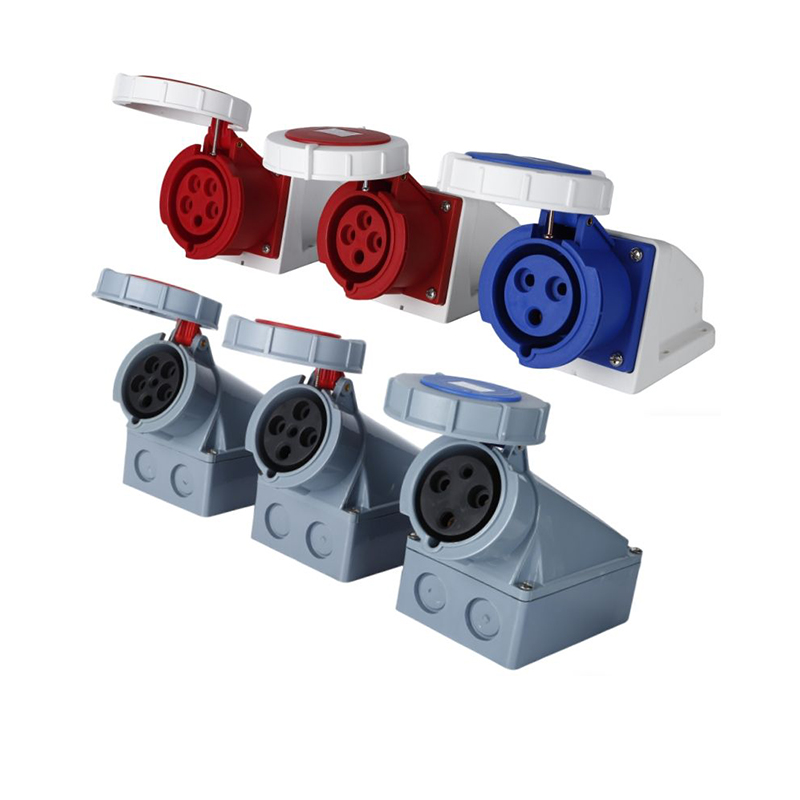
People often use surface-mounted sockets for temporary power boards. They use concealed designs inside distribution panels. Having different mounting choices lets electrical systems change as the site changes. Water and dust resistance helps during rain or in very dusty areas. These are common on active construction sites.
Warehousing and Logistics Centers
Warehouses and logistics centers use powered equipment like conveyors, charging stations, and sorting systems. Industrial sockets connect these systems. They also allow for future changes as storage layouts change.
In these places, connectors may not face heavy dust or water. But people use them often. Cables move and cause stress. Strong housings and secure locking mechanisms help keep the contact steady. This reduces problems from loose connections. Standard connectors also make equipment replacement easier. Compatible sockets can be used in different areas of the building.
Outdoor and Semi-Outdoor Industrial Areas
Some industrial work happens partly or fully outdoors. Examples are mining areas, ports, and material yards. Industrial sockets in these places must handle rain, humidity, and temperature changes. They must not lose their insulation performance.
People often choose connectors made from engineering plastics like Nylon PA66. These materials keep their shape in different weather. Seals where parts connect and where cables enter help keep moisture out during normal use. This lets power connections keep working even in bad weather.
Food Processing and Washdown Environments
Food and drink plants need regular cleaning with water and soap. Here, people choose industrial sockets that can handle frequent washdowns. The sockets must stay electrically safe.
Design features help. Smooth outside surfaces, sealed connections, and protective covers allow cleaning. They stop water from reaching the internal contacts. These connectors do not face hard physical hits like on a construction site. But resisting moisture and cleaning chemicals is very important. Designs that follow standards make sure sockets work with equipment in different processing areas.
Agricultural and Livestock Facilities
Farming work mixes outdoor weather with dust, moisture, and organic dirt. Power is needed for irrigation, feed processing, ventilation, and temporary tools. Industrial sockets work well here. They offer useful connection choices for both fixed and mobile equipment.
Dust from soil and feed, plus humidity, can harm electrical connections over time. Industrial sockets with good seals and strong materials help them work under these mixed conditions. Using standard connectors also lets people share equipment across different farm areas. They do not have to worry about compatibility.
Energy, Utilities, and Infrastructure Projects
Infrastructure projects like power stations, water plants, and utility sites use industrial sockets. They use them for permanent setups and temporary service connections. Here, long-term stability and following standards are very important.
People choose industrial sockets for infrastructure jobs because they fit into organized electrical systems. They also allow for maintenance access. Concealed and panel-mounted designs help with neat cable management. Standard connections work with testing gear and service tools from different sites.
Workshops, Maintenance Areas, and Service Bays
Maintenance workshops and service bays need flexible power for tools and testing equipment. Industrial sockets work well here. They support many connect-disconnect cycles and different power loads.
Sockets can be mounted on walls, columns, or portable units. This lets technicians get power where they need it. Durable contact systems keep a steady electrical connection even after much use. Standard designs let tools from different brands work without changes.
