
 English
 Español
 中文简体
中文简体

Address: No. 199, Weiwu Road, Yueqing Economic Development Zone, Zhejiang Province, China.
Single-phase power is everywhere. 230 volts. Enough for lights and computers. Industrial equipment needs more. Big motors and welders run on three-phase power. A three-phase industrial socket is the connection point. It looks different than a household outlet. Bigger. Tougher. More pins. It delivers higher voltage and more current. It also survives factory floors — dust, oil, and accidental hits from forklifts.
What a Three-Phase Industrial Socket Is and How It Differs from Single-Phase
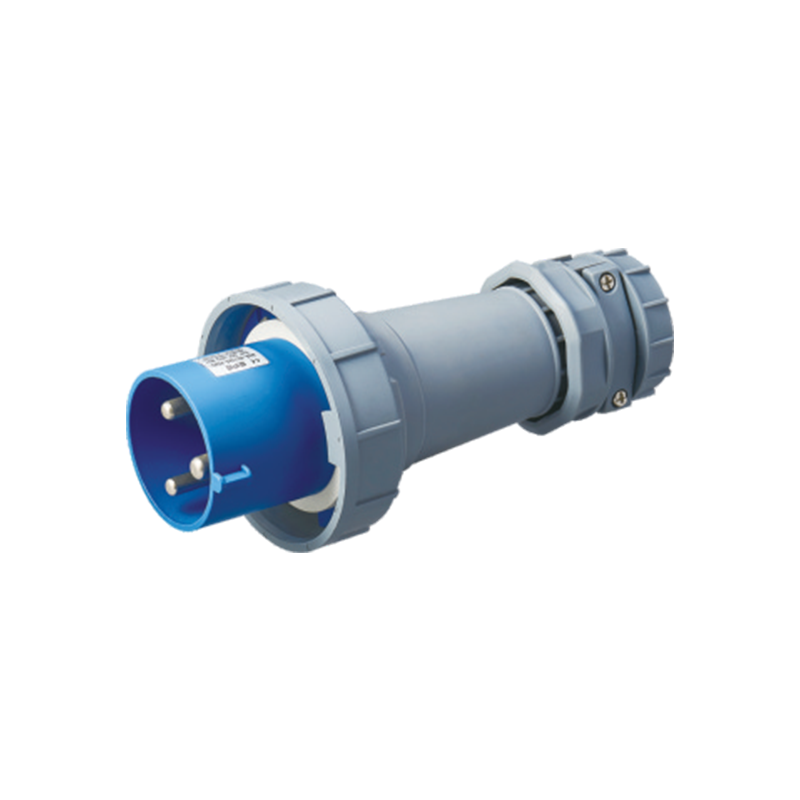
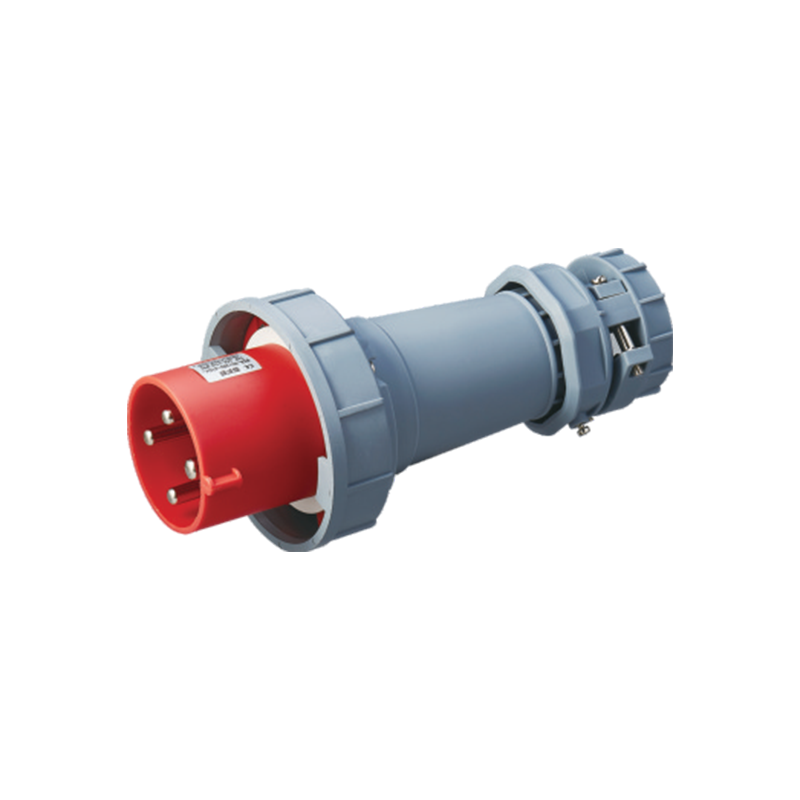
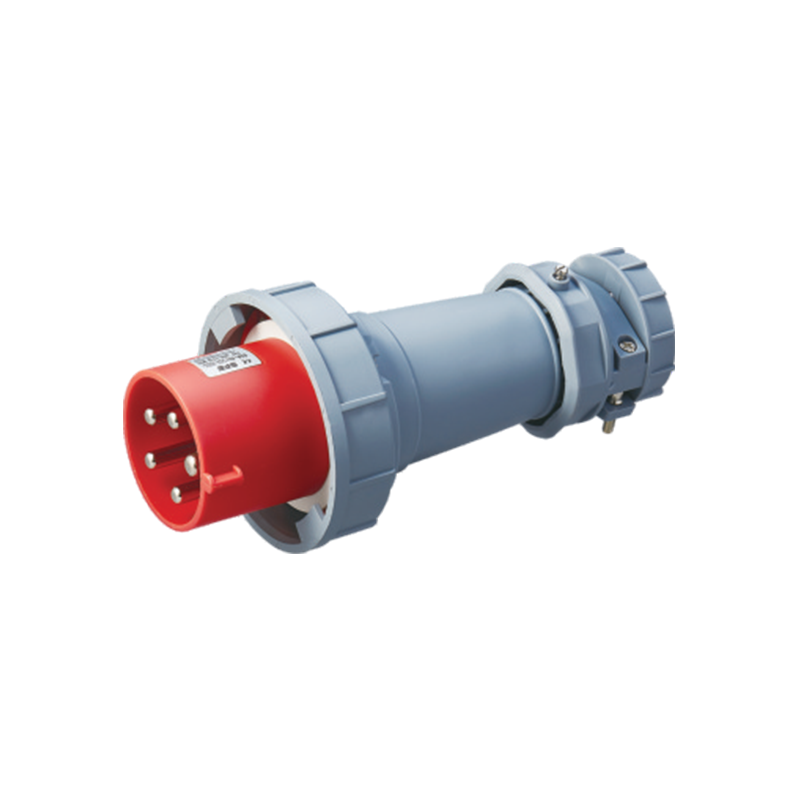
The socket has four or five pins instead of two or three
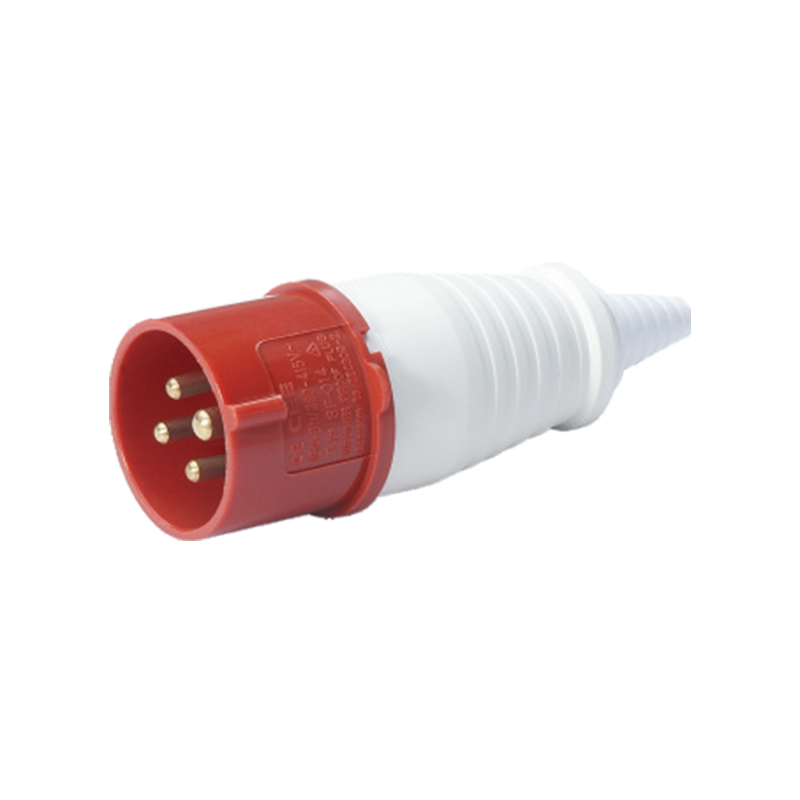
A household outlet has two or three pins. A three-phase industrial socket has four or five. Four pins for three phases plus ground. Five pins adds a neutral. The pins are larger and spaced wider. You cannot plug a single-phase plug into a three-phase socket. The design prevents mistakes.
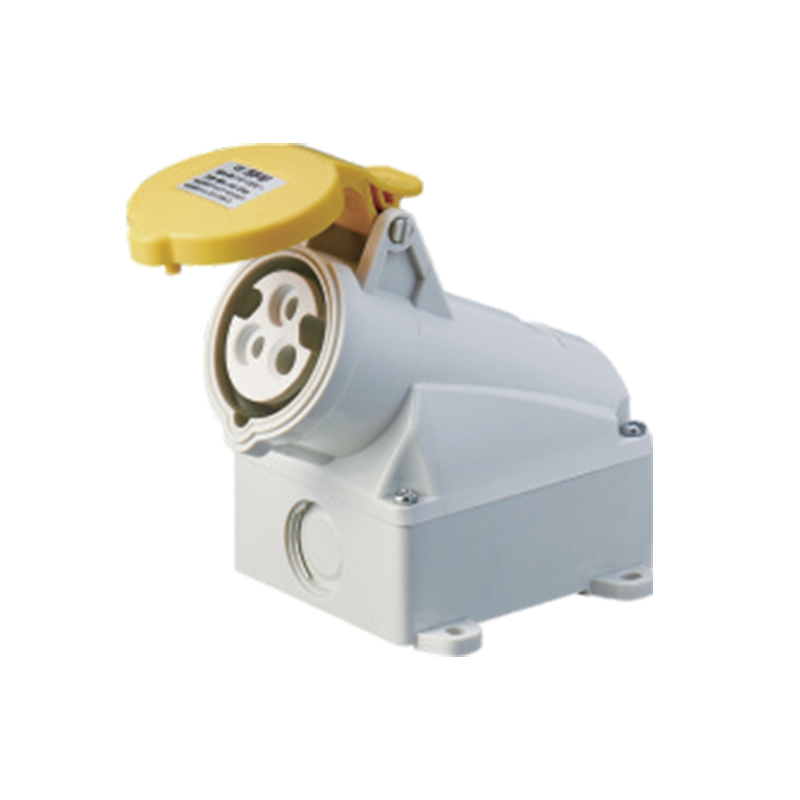
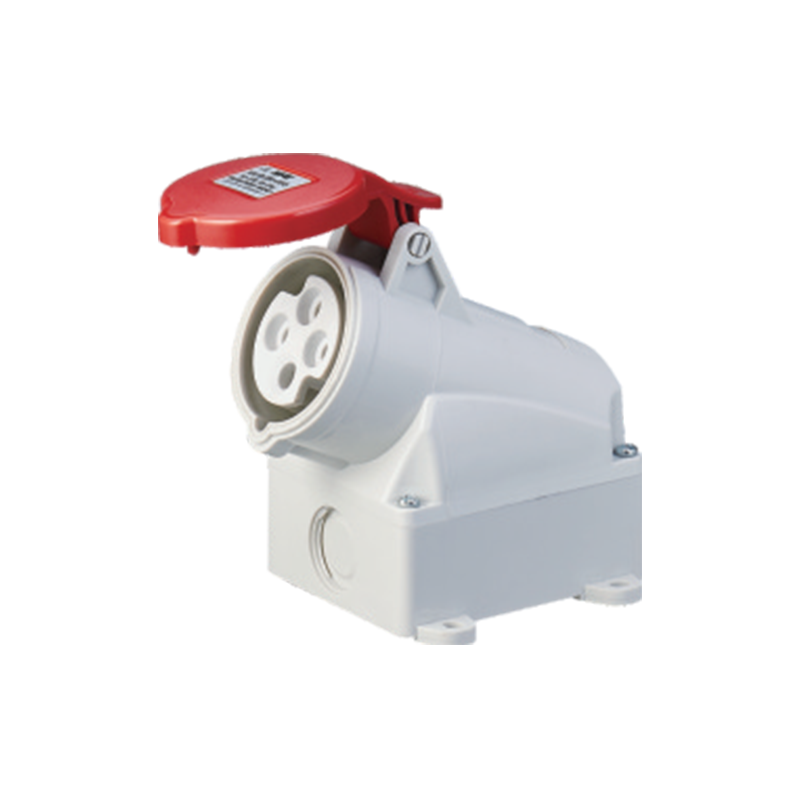
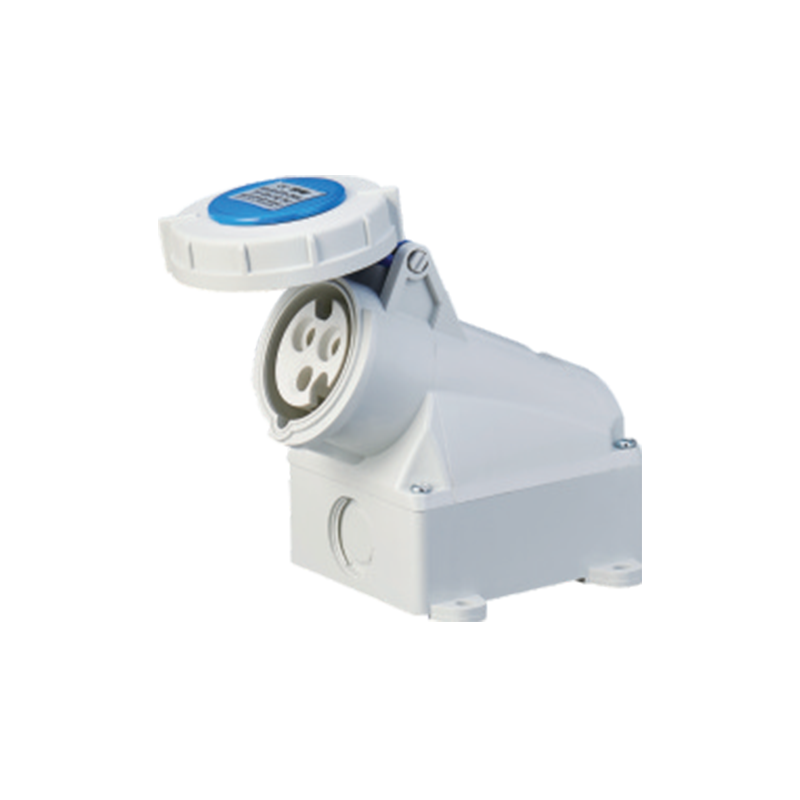
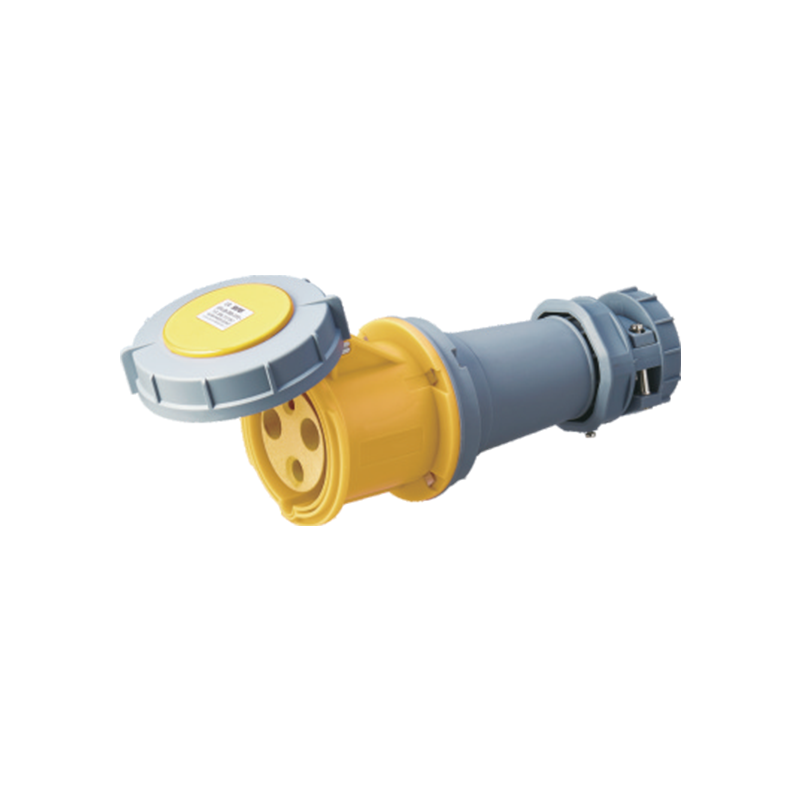
The socket body is color-coded. Red for 230 volts. Blue for 400 volts. Yellow for 110 volts on construction sites. The pins are brass or nickel-plated brass. They handle high currents without overheating.
The socket needs a locking mechanism to prevent accidental unplugging
Industrial equipment vibrates. If a plug vibrates loose, the machine stops. A three-phase industrial socket has a locking ring. The plug twists into the socket and locks. You cannot pull it straight out. You twist the ring to release.
Here is what a three-phase industrial socket needs for reliable connection:
- Locking ring that turns smoothly without binding
- Contacts that grip the plug pins with spring pressure
- Water and dust protection rated IP44 or higher
- Clear markings for phase identification (L1, L2, L3)
Where Three-Phase Industrial Sockets Get Used
Workshops connect portable equipment like welders and compressors
Welders move between workstations. Portable compressors roll where needed. A three-phase industrial socket lets you plug in a machine, use it, then move it. The socket is mounted on a wall or a portable power box.
Permanent machines also use plugs and sockets. When the machine needs service, unplug it. No need to call an electrician.
Outdoor events and construction sites need weatherproof sockets
Concert stages and construction sites run on generators. A three-phase industrial socket for outdoor use has a higher IP rating — IP67 or IP68. Dust-tight. Waterproof. You can leave it in the rain.
- IP44 — protected against splashing water
- IP54 — dust-protected and water jet protected
- IP67 — dust-tight and temporary immersion protected
What Makes a Good Three-Phase Industrial Socket
Contact material and spring tension affect current capacity
Loose contacts cause resistance. Resistance creates heat. Heat melts the socket. A three-phase industrial socket with weak springs fails over time. Good sockets use beryllium copper or phosphor bronze for contacts. Cheap sockets use brass. Brass loses tension when hot.
The housing needs to survive impacts and chemicals
A factory floor socket gets hit. Forklifts bump into it. Tools drop on it. Polyamide (nylon) is common. It resists impacts, oils, and solvents. Polycarbonate is cheaper but less impact-resistant.
- Polyamide — tough, chemical-resistant, good for heavy use
- Polycarbonate — clear, impact-resistant, less chemical-resistant
- Rubber — flexible, impact-absorbing, expensive
What Goes Wrong with Cheap Sockets
Contacts overheat and melt the socket body
Cheap sockets have undersized contacts. The contacts heat up under load. The heat melts the plastic housing. The socket is scrap. Overheating also happens when the plug is not fully inserted. The contact area is small. Current flows through a small spot. That spot gets hot.
The locking ring breaks from normal use
Cheap three-phase industrial socket products have a thin plastic ring. The ring cracks. The socket no longer locks. The plug vibrates loose. Better sockets have a reinforced ring with metal inserts at the stress points.
Cable entry needs proper strain relief
The cable enters the back of the socket. A three-phase industrial socket needs a strain relief gland. The gland clamps the cable. If the cable is pulled, the gland takes the force. Cheap sockets have a simple plastic screw. The screw loosens. The cable moves. The terminals loosen.
A three-phase industrial socket is a small part. But when it fails, the machine stops. A cheap socket saves a few dollars. A failed socket costs hours of downtime. Buy from a reputable manufacturer. Check the IP rating. Verify the contact material. Pay attention to the locking ring.
