
 English
 Español
 中文简体
中文简体

Address: No. 199, Weiwu Road, Yueqing Economic Development Zone, Zhejiang Province, China.
Standard plugs handle 10, 15, maybe 30 amps. But industrial equipment needs more. Welders. Large compressors. Temporary power distribution for events or construction. A 200A plug is in a different category. It is bigger than your hand. The pins are thicker than your finger. It carries enough current to power a small building. Connecting it requires care. A mistake here is not a tripped breaker. It is an arc flash.
What a 200A Plug Is and Where It Gets Used
The plug connects portable high-power equipment to a power source
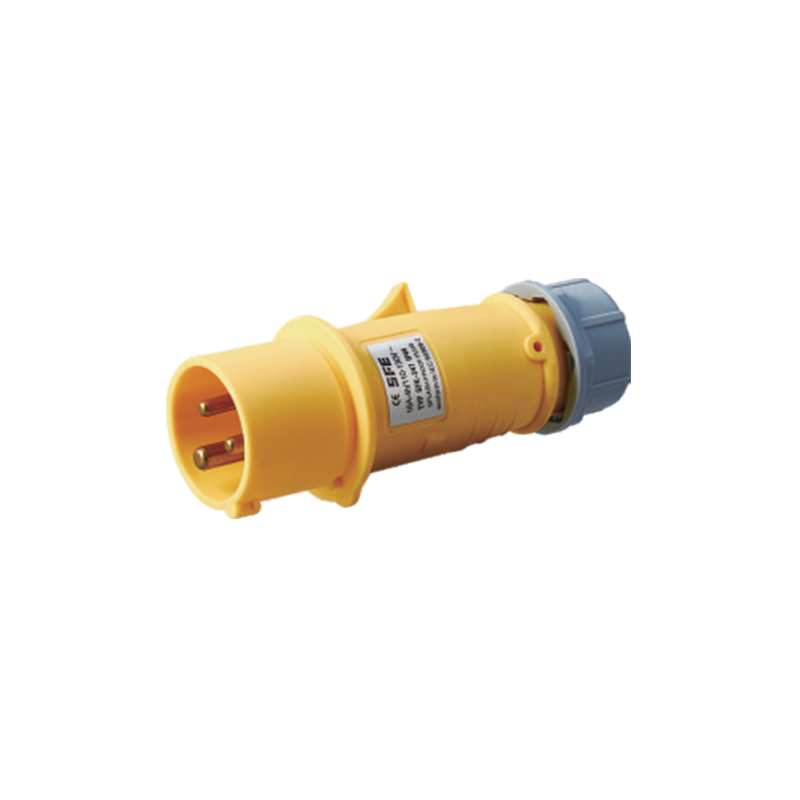
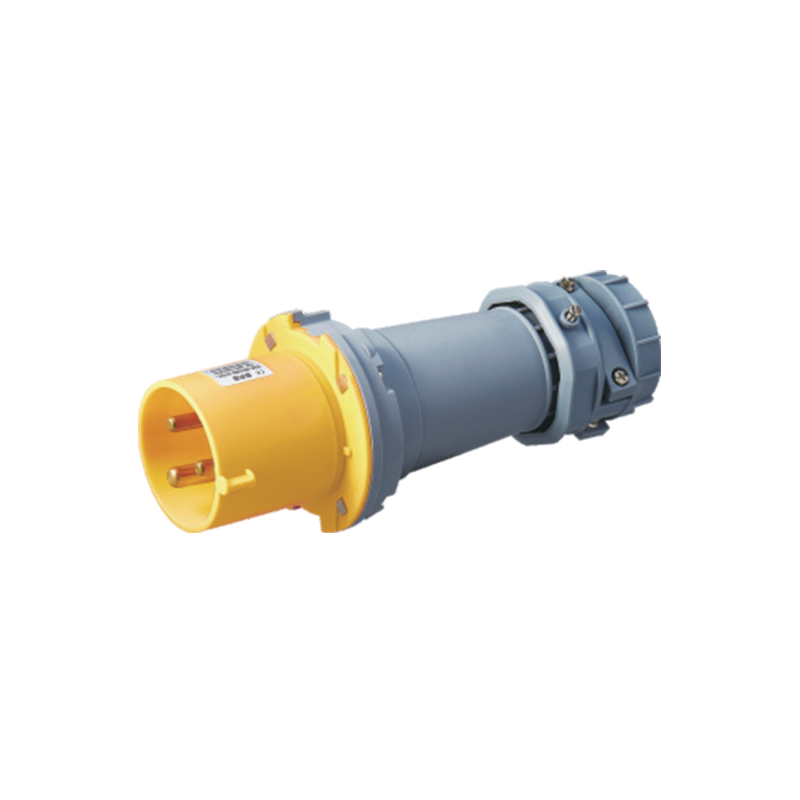
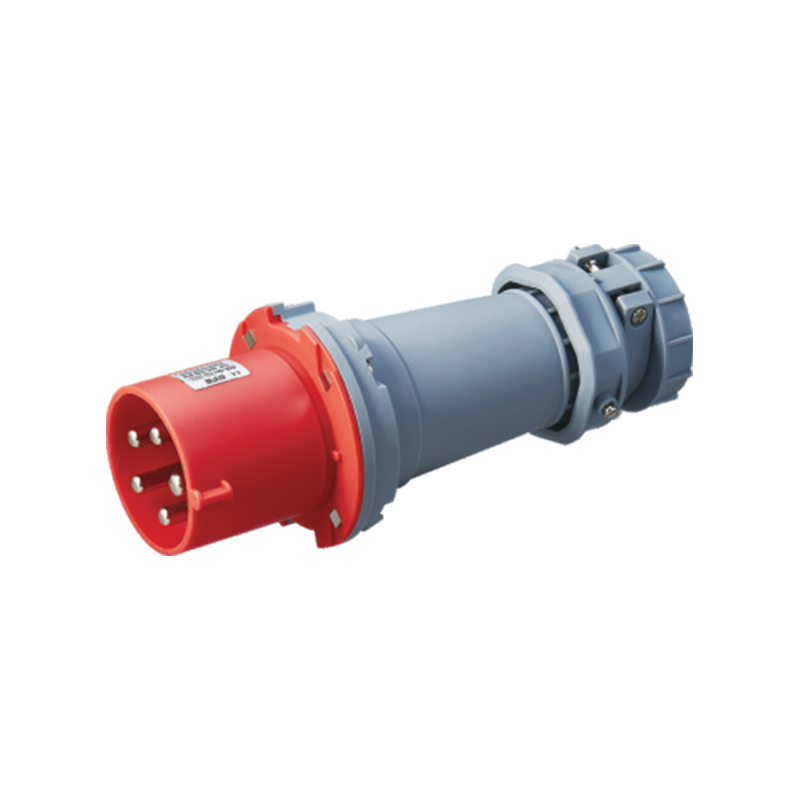
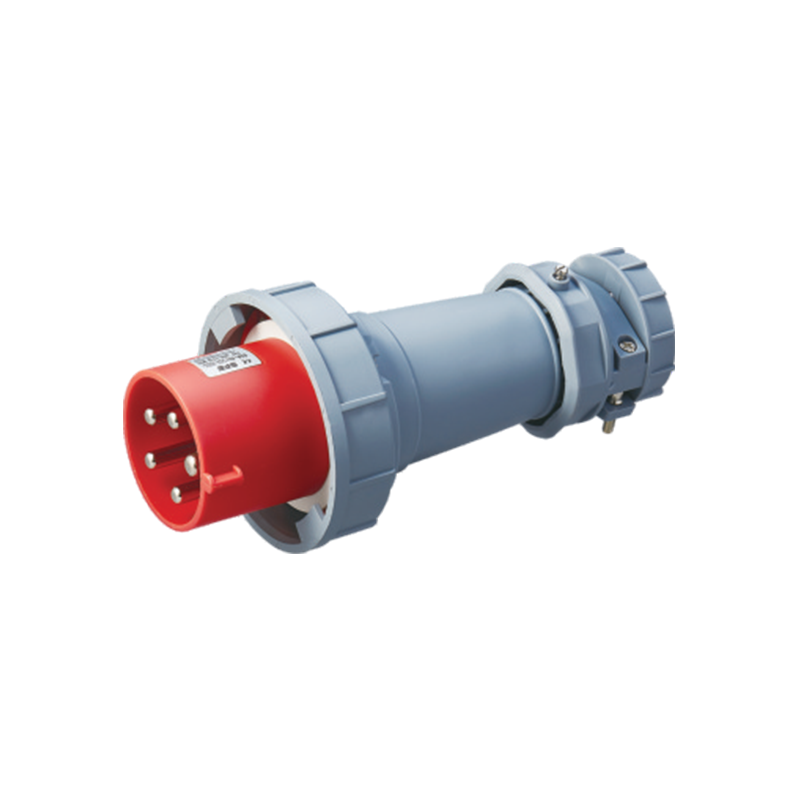
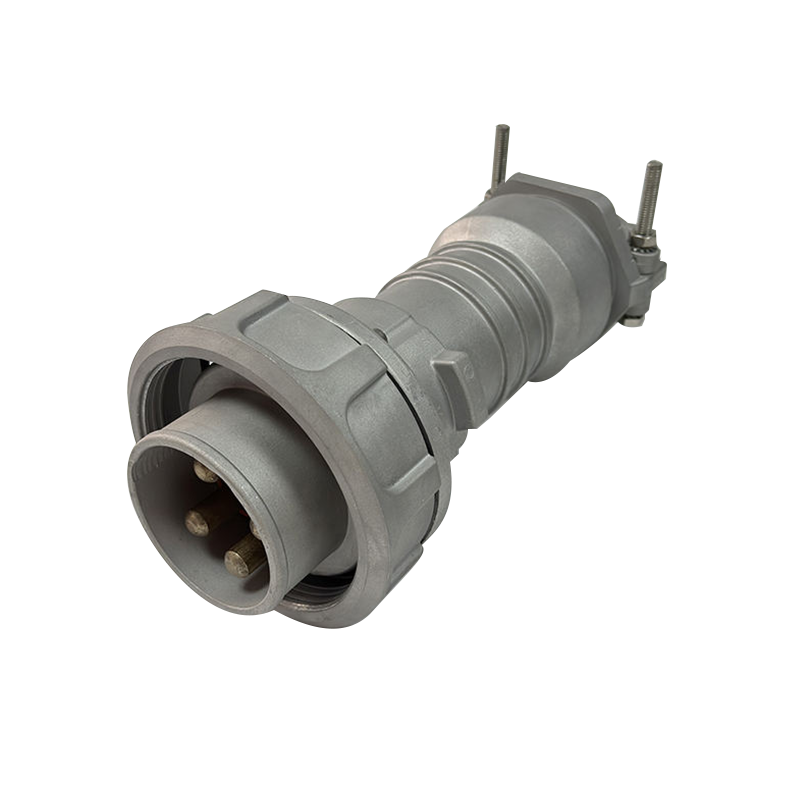
A 200A plug has three or four large pins. Three pins for single-phase — hot, neutral, ground. Four pins for three-phase — three hots plus ground. The pins are solid brass or copper. The housing is heavy-duty rubber or reinforced plastic. You do not plug this into a wall outlet. It connects to a matching 200A receptacle on a generator, distribution panel, or large machine.
The cable attached to a 200A plug is thick. Usually 2/0 or 3/0 AWG copper. The cable is heavy and stiff. Bending it takes effort.
Where you actually see a 200A plug
- Movie and concert stages — lighting and sound distribution
- Construction sites — temporary power for trailers and equipment
- Industrial plants — portable welders and large pumps
- Event power — carnival rides and food vendor distribution
How a 200A Plug Is Different from Smaller Plugs
The plug uses a cam-lock or twist-lock design for security
Smaller plugs rely on friction. Push it in. It stays. A 200A plug needs positive locking. The common design is cam-lock. Color-coded cams for each conductor. The plug pushes into the receptacle and twists. The cam expands inside the receptacle. It will not pull out.
Twist-lock designs are also used. The plug has a ring that screws onto the receptacle. The connection takes a few seconds longer but is very secure. A 200A plug that comes loose under load will arc. The arc melts metal. Dangerous.
Here is what a 200A plug needs for safe operation:
- Positive locking mechanism that cannot vibrate loose
- Color-coded housings for phase identification
- Strain relief that clamps the heavy cable securely
- Insulated grips for handling with gloves
The plug is designed for repeated connection cycles
A household plug gets plugged in and unplugged a few times per year. A 200A plug on a concert tour gets connected and disconnected daily. The contacts need to survive thousands of cycles. Cheap plugs use soft brass. The brass wears down. The connection gets loose.
Better plugs use hard-drawn copper or beryllium copper contacts. The contacts maintain spring tension after hundreds of connections. The plug still fits tight.
What Makes a Good 200A Plug
Contact surface area determines current capacity without overheating
A 200A plug needs large contact surfaces. Small contact points create resistance. Resistance creates heat. At 200 amps, heat is not a small problem. It will melt the plug housing. It will start a fire.
Good plugs have contact surfaces measured in square millimeters. The plug and receptacle mate along their full length. The connection area is large. Voltage drop across the connection is low.
Housing material needs to handle impact and heat
A 200A plug gets dropped on concrete. It gets stepped on. It gets dragged across gravel. The housing needs to survive. Rubber is common. It absorbs impact. It does not crack. It insulates well.
Fiberglass-reinforced polyester is another option. Stiffer than rubber. More chemical-resistant. But cracks if dropped on a hard surface at low temperature.
Here is how housing materials compare for a 200A plug:
- Rubber — impact-absorbing, flexible, good insulation, shows wear
- Fiberglass polyester — rigid, chemical-resistant, cracks under impact
- Polyamide — tough, good all-around, more expensive
Cable strain relief prevents wire breakage inside the plug
The heavy cable pulls on the connections inside the plug. A 200A plug needs a clamp that grips the cable jacket. Not just the conductors. The clamp transfers pulling force to the jacket, not to the terminals.
Cheap plugs use a simple screw clamp. The clamp loosens over time. The cable moves. The connections fatigue. The wire breaks inside the plug. The plug fails.
Good plugs use a split clamp or a wedge system. The clamp tightens evenly around the cable. It holds.
What Goes Wrong with Cheap 200A Plugs
Contacts overheat and the plug melts
The common failure is overheating. A cheap 200A plug has undersized contacts. The contacts heat up at full load. The heat transfers to the housing. The housing softens. The pins shift. The connection gets worse. More heat. The plug melts.
The only fix is replacement. A melted plug is scrap.
The locking mechanism fails and the plug pulls out under load
Cheap 200A plug products have weak locking rings or cam springs. The plug works fine for the first few connections. Then the locking mechanism loosens. The plug does not fully lock. Vibration or cable tension pulls it out.
If the plug pulls out while carrying 200 amps, an arc forms. The arc can burn the operator. It can melt the plug and receptacle. Expensive damage.
Insulation cracks in cold weather
Rubber gets stiff in cold temperatures. Cheap rubber compounds crack. A 200A plug used on a winter construction site cracks when dropped. The crack exposes live parts. The plug is unsafe.
Better plugs use rubber compounds formulated for low temperatures. The plug remains flexible at -20 degrees Celsius.
A 200A plug is not a consumer product. It is industrial equipment. The cost of a good plug is small compared to the cost of failure. A melted plug shuts down a job. An arc flash injures a worker. Buy from a manufacturer with a reputation for quality. Look for copper or beryllium copper contacts. Rubber housing with cold-weather formulation. A locking mechanism that engages positively. Your equipment and your workers depend on it.
