 English
 Español
 中文简体
中文简体


Address: No. 199, Weiwu Road, Yueqing Economic Development Zone, Zhejiang Province, China.
Standard wall outlets deliver single-phase power. Enough for lights and computers. Industrial equipment needs more. Motors, compressors, and welders run on three-phase power. A 3 phase industrial socket is the connection point. Bigger than a household outlet. Thicker pins. Tougher housing. It delivers higher voltage and more current. It also survives dust, oil, and accidental hits from forklifts.
The Physical Design That Separates Three-Phase from Ordinary Sockets
Four or five large pins in a color-coded housing
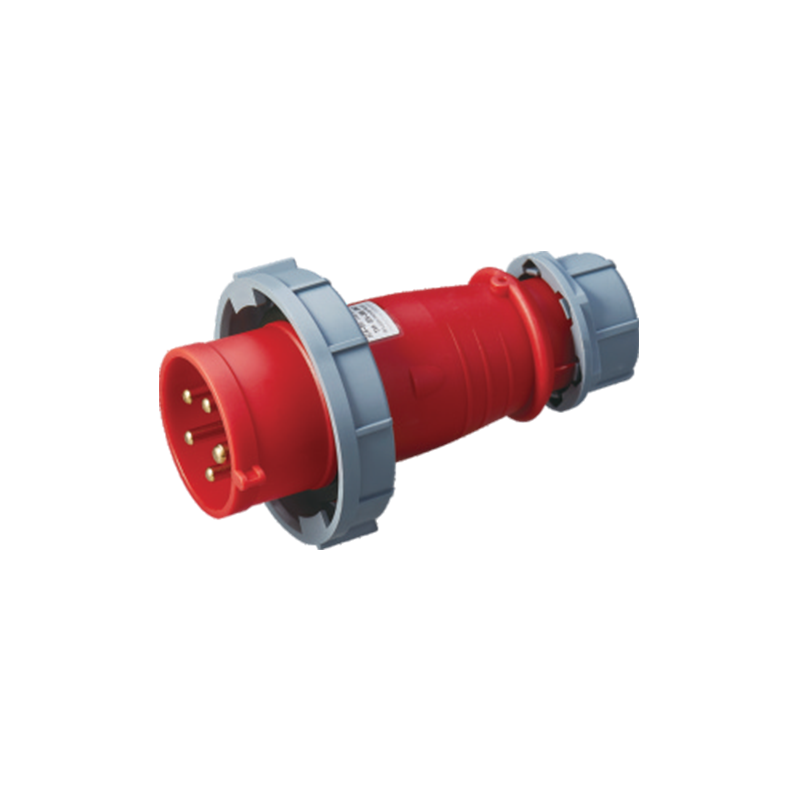
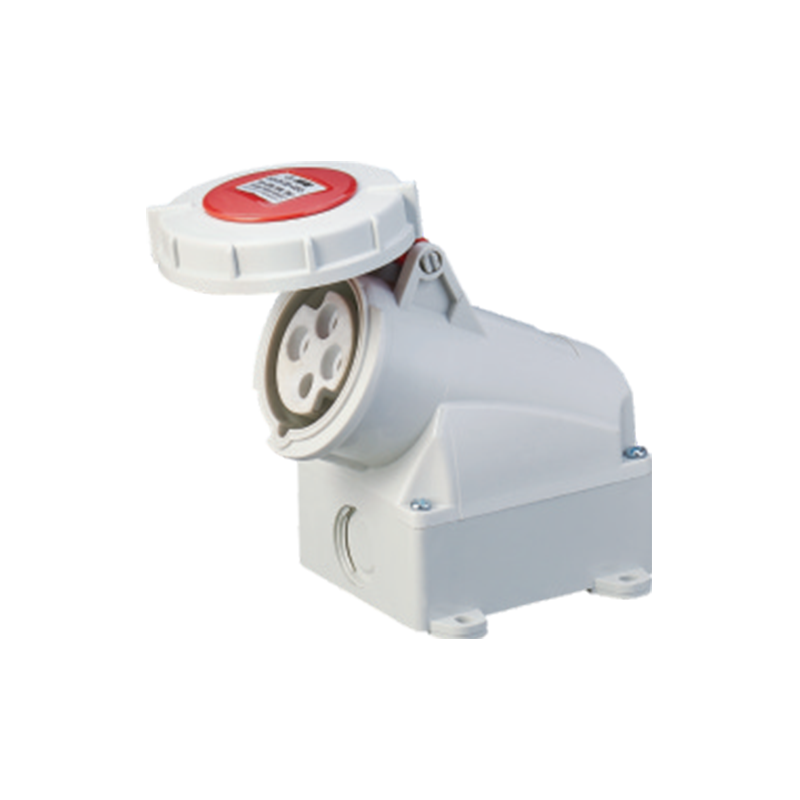
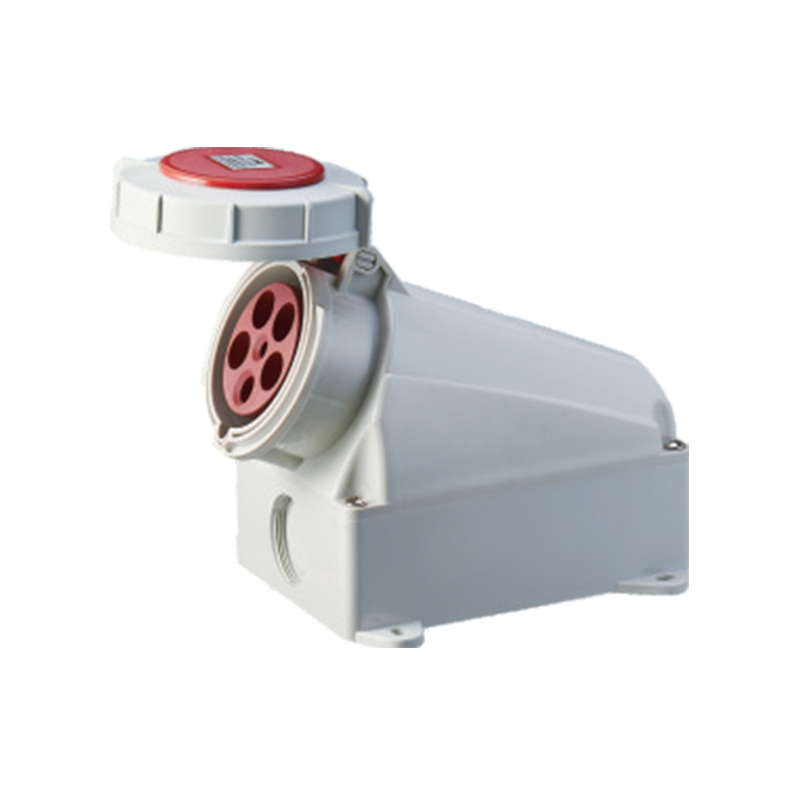
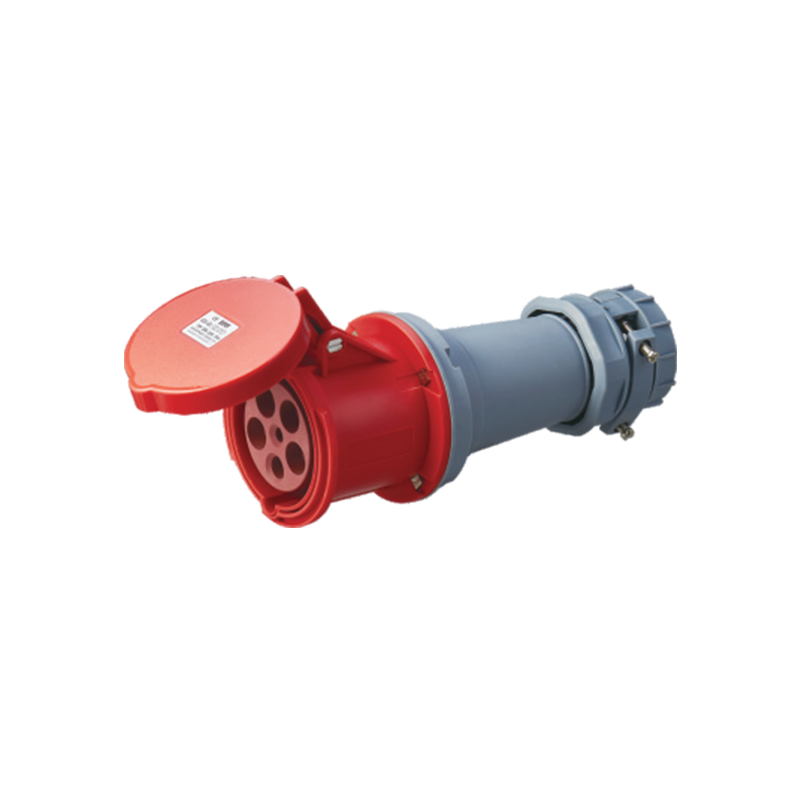
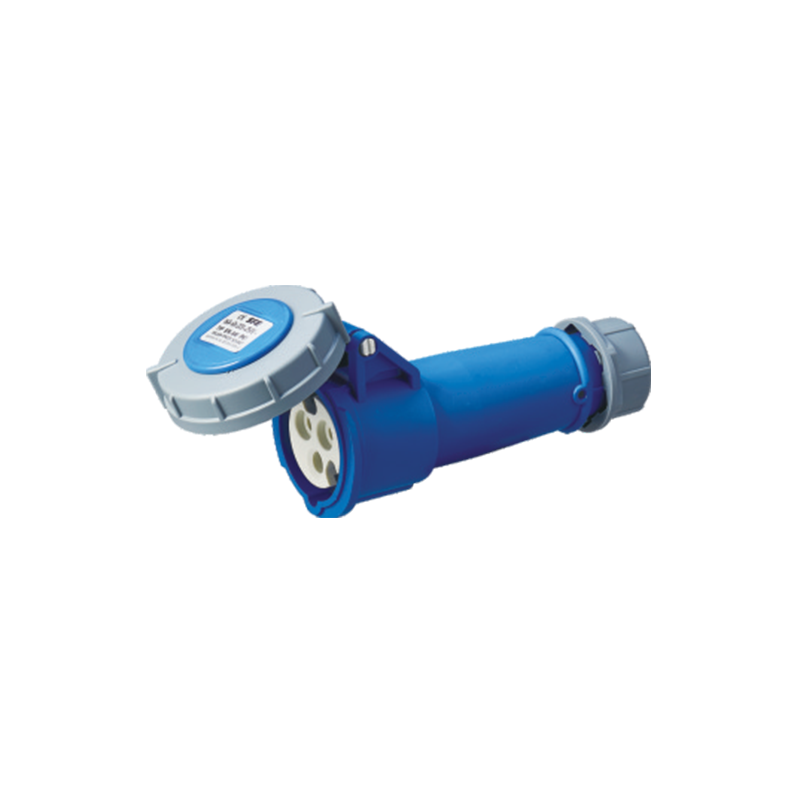
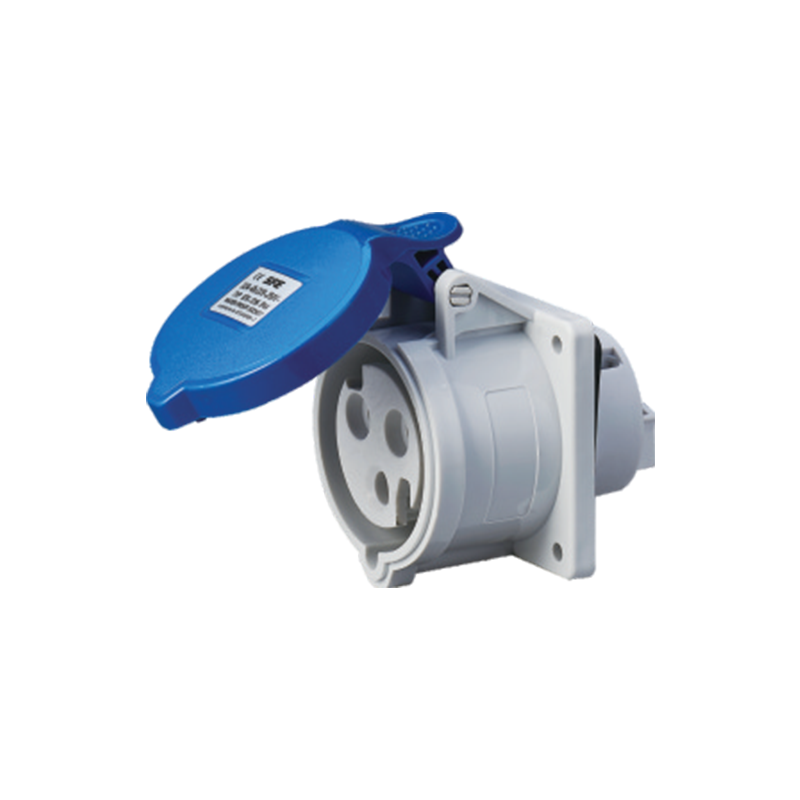
A household outlet has two or three small pins. A 3 phase industrial socket has four or five. Four pins for three phases plus ground. Five pins adds a neutral. The pins are larger and spaced wider. You cannot plug single-phase equipment into a three-phase socket. The design prevents dangerous mistakes.
The socket body is color-coded. Red for 230 volts. Blue for 400 volts. Yellow for 110 volts on construction sites. Anyone who works with industrial power knows the colors. No confusion.
A locking ring that prevents accidental disconnection
Industrial equipment vibrates. A loose plug shuts down the machine. A 3 phase industrial socket has a locking ring. The plug twists into the socket and locks. You cannot pull it straight out. You twist the ring to release.
Here is what the locking mechanism needs to do:
- Turn smoothly without binding or grinding
- Stay locked even when the cable gets yanked
- Work thousands of times without wearing out
- Give clear feedback when fully locked
Where You Find These Sockets on a Daily Basis
Workshops with portable welders and compressors
Welders move between workstations. Portable compressors roll where needed. A 3 phase industrial socket lets you plug in a machine, use it, then unplug and move it. No hardwiring. No electrician needed for every move.
Permanent machines also use them. When a large press or conveyor needs service, unplug it. Safe isolation without opening a panel.
Outdoor events and construction sites running on generators
Concert stages. Construction sites. Outdoor festivals. These places have no building power. Generators or temporary distribution panels provide the electricity. A 3 phase industrial socket at the event needs weather protection.
Outdoor sockets carry IP ratings:
- IP44 — fine for dry indoor use, small protection
- IP54 — dust-protected and handles rain
- IP67 — dust-tight and survives being in a puddle
Why Cheap Sockets Fail and How to Spot a Good One
Undersized contacts overheat and melt the housing
The common failure is overheating. A cheap 3 phase industrial socket has undersized contacts. The contacts heat up under full load. The heat melts the plastic housing. The socket is scrap.
Overheating also happens when the plug is not fully inserted. The plug sits partway in the socket. Contact area is small. Current flows through a tiny spot. That spot gets very hot. The socket melts around the plug.
Good sockets use beryllium copper or phosphor bronze for contacts. These materials hold their spring tension at high temperatures. Cheap sockets use brass. Brass loses tension when hot.
The locking ring cracks after a few months of use
The locking ring gets used every time someone plugs in or unplugs. On a busy job site, that could be dozens of times per day. A cheap 3 phase industrial socket has a thin plastic ring. The ring cracks. The socket no longer locks. The plug vibrates loose. The machine stops.
Better sockets use a reinforced ring with metal inserts at the stress points. The ring turns on ball bearings or a smooth bushing. The mechanism lasts for years.
Water gets inside even when the socket claims to be waterproof
Cheap 3 phase industrial socket products claim an IP67 rating. The rating was never tested. Water enters through the cable entry or around the locking ring. Corrosion starts on the contacts. The socket fails in a few months.
Good sockets have a rubber gasket at the cable entry. The gasket compresses around the cable when you tighten the gland. The locking ring has an O-ring seal. Water stays out.
The Cable Connection Problem Nobody Talks About
Strain relief that actually holds the heavy cable
The cable entering the back of a 3 phase industrial socket is thick. Often 4 to 10 square millimeters. Heavy and stiff. It pulls on the connections inside the socket. A good socket has a strain relief gland that clamps the cable jacket, not just the conductors.
Cheap sockets use a simple plastic screw. The screw loosens over time. The cable moves. The wire strands break inside the terminal. The connection fails.
Terminals that accept thick wire without damaging it
A 3 phase industrial socket for 16 amps accepts wire up to 2.5 square millimeters. A 32-amp socket needs 6 or 10 square millimeter wire. Putting large wire into a cheap terminal is difficult. The strands get crushed or cut.
Good sockets use cage-clamp terminals or screw terminals with pressure plates. The wire goes in clean. The connection stays tight.
A Small Part That Stops the Whole Job When It Fails
A 3 phase industrial socket costs maybe $30 to $60. Cheap ones cost half that. The difference is small. But when a cheap socket fails, the machine stops. An electrician comes out. The part gets replaced. The bill is hundreds of dollars. Buy the good socket. Check the contact material. Look for a solid locking ring. Make sure the IP rating is real. Your production line depends on it.