
 English
 Español
 中文简体
中文简体
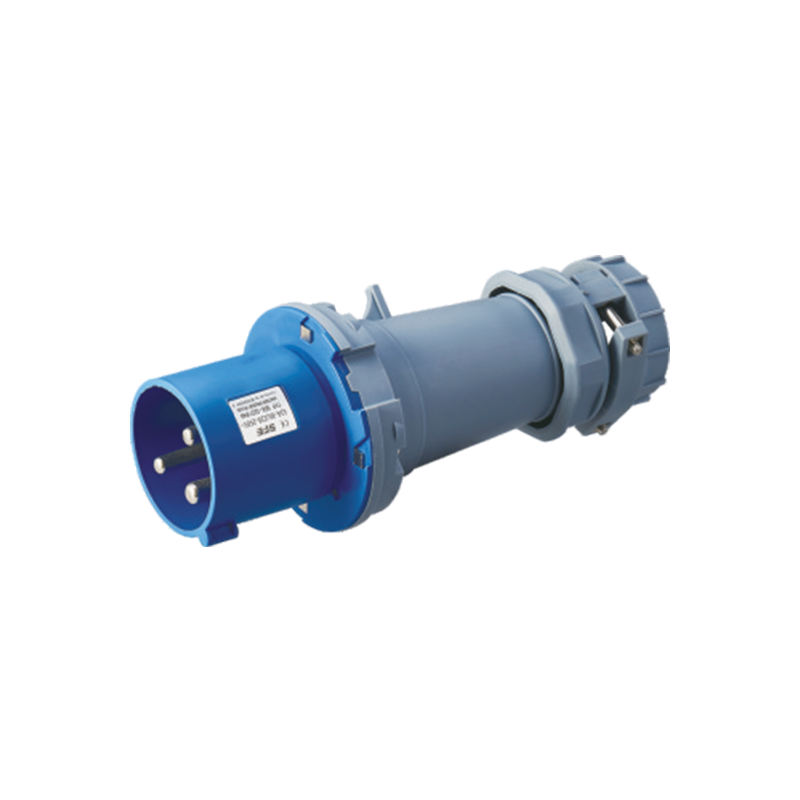

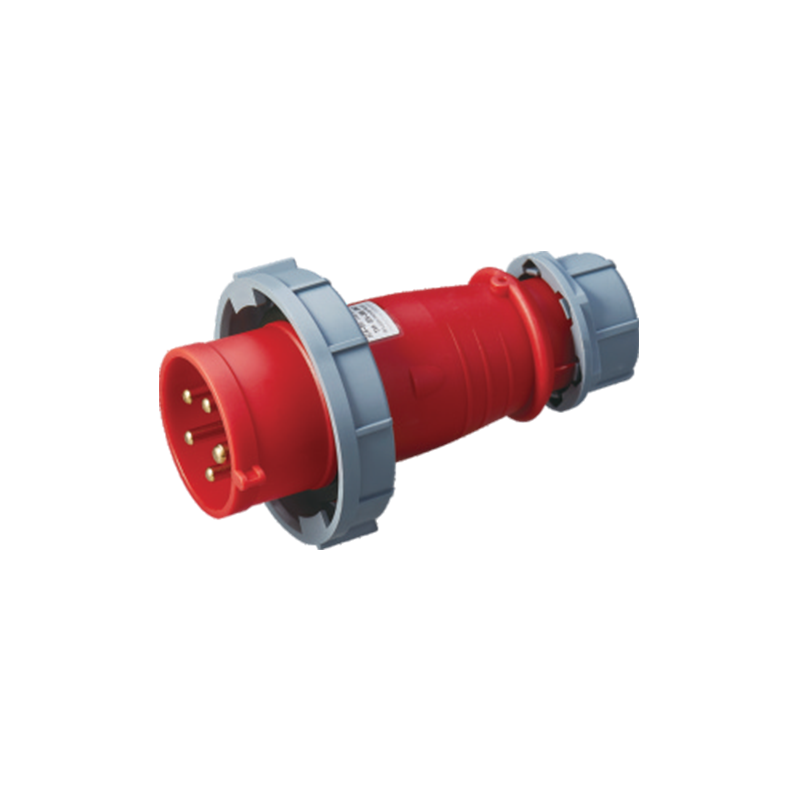
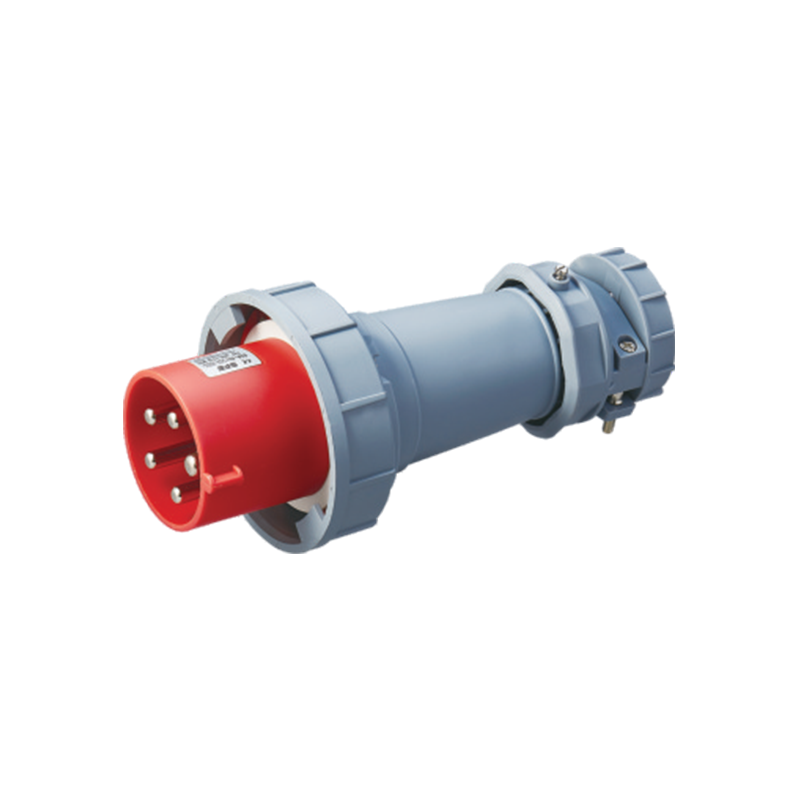
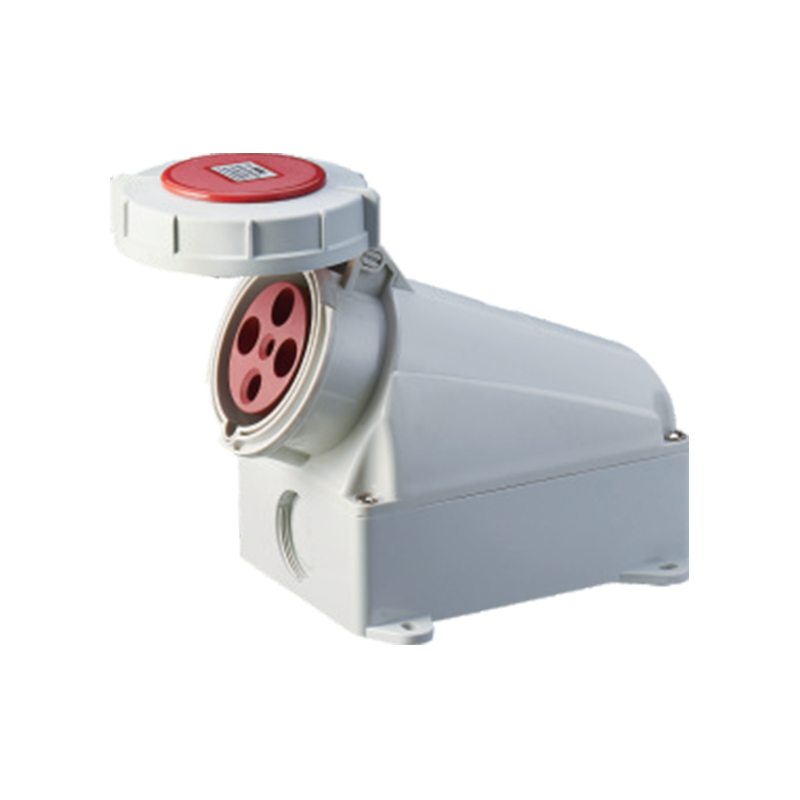
Address: No. 199, Weiwu Road, Yueqing Economic Development Zone, Zhejiang Province, China.
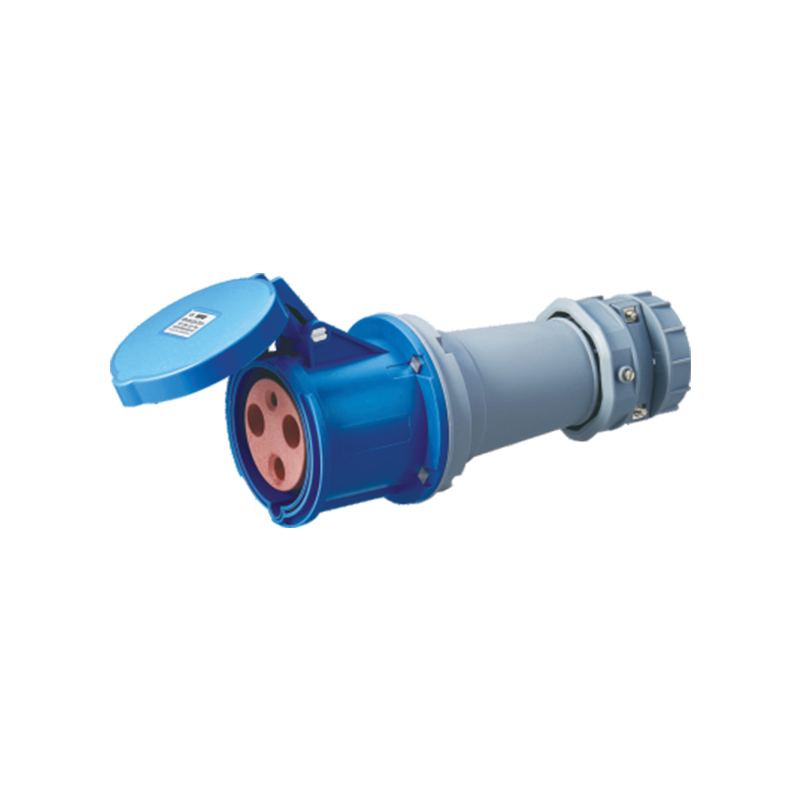
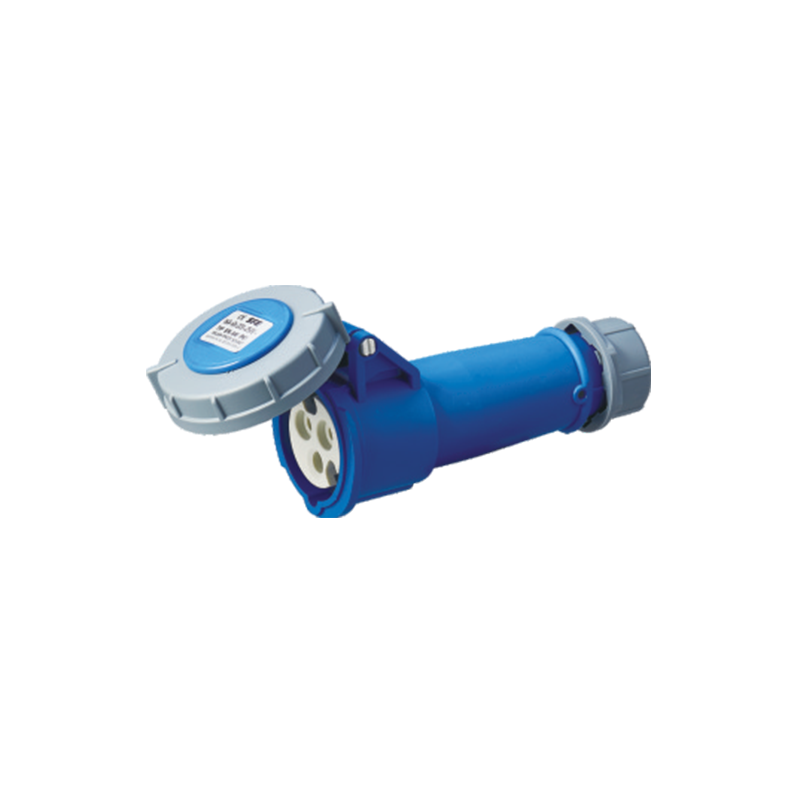
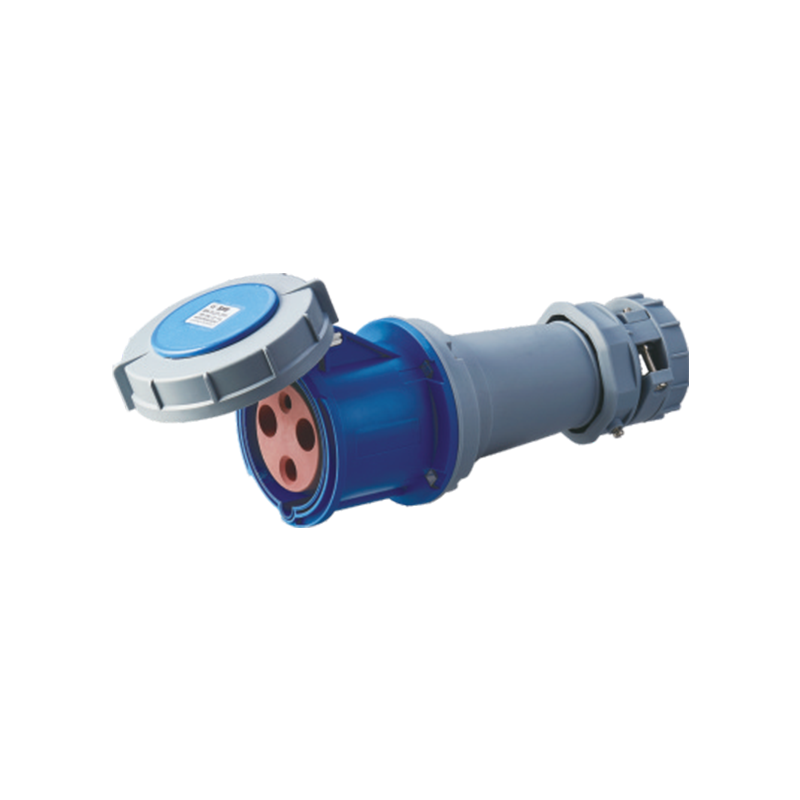
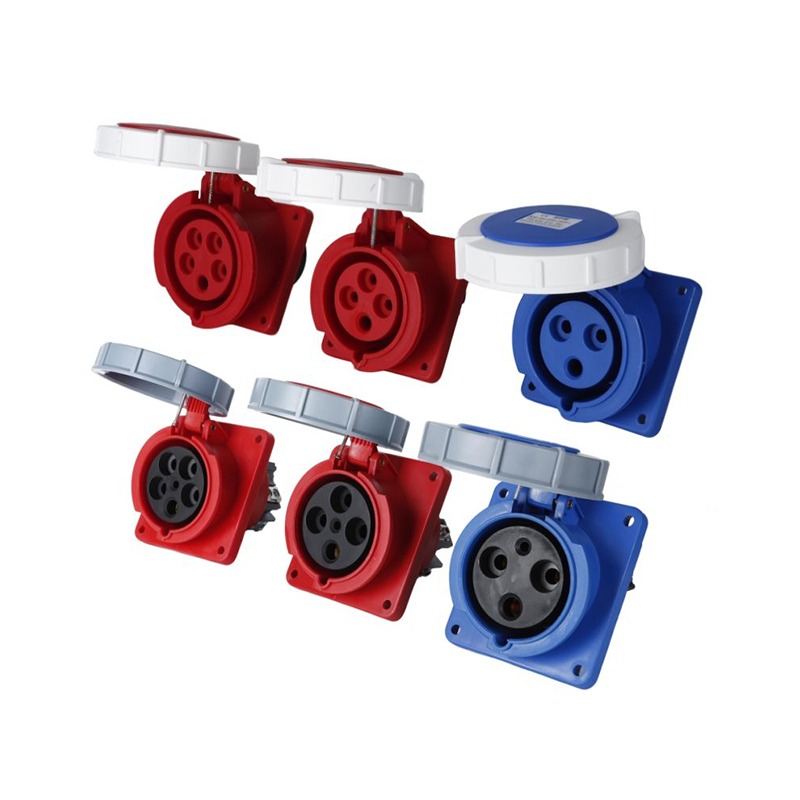
Hard work places put a lot of pressure on electrical systems. This is true for mines, factories, shipyards, and outdoor job sites. Machines run near water, dust, shaking, and hot or cold weather. A 200A Plug is often used in these places because it can handle high power. It also lets you connect, move, or fix machines without changing the whole wire setup. Industrial Plugs for tough conditions now have stronger insulation, stronger shells, and better connections. These changes help the plugs work for a long time on industrial job sites.
Why Tough Workplaces Make Wiring Hard
Industrial wiring systems deal with more than just power. In mines, workshops, shipyards, food plants, and outdoor sites, plugs must keep working even with bad weather, dirt, and moving equipment.
Dust is a big problem. Tiny bits of dirt can get into a plug that is not sealed well. The dust sits around the metal contact points. Over time, this hurts the power flow. In metal shops or cement plants, dust and wetness mix together. This mix can wear down the electrical parts even faster.
Shaking is another big problem. Machines like air compressors, pumps, rock crushers, and generators move and shake all the time when they run. This shaking can make a plug come loose. It can also make small gaps between the metal contacts. Even a tiny loose spot inside a plug can make heat build up when a lot of power goes through it.
Hot and cold weather also affects wiring. Outdoor machines may sit in the hot sun during the day and get cold at night. In steel mills or chemical plants, the air around the machines is very hot. This heat can hurt the cable coating and the plug body. Plugs used in these places must handle changing temperatures without cracking, getting soft, or falling apart.
Temporary setups also cause problems. Factories that are growing, getting fixed, or moving machines often use temporary power. Old fixed wires make it hard to move machines. But plugs that come apart easily make installation and repair faster.
When power stops, it can hurt more than one machine. One bad plug can stop a conveyor belt, a cooling fan, a ventilation system, or a whole production line. Because so many machines are linked together, a stable plug is not a small thing. It is part of the whole work plan.
How Plug Design Has Changed for Tough Conditions
New Industrial Plugs are very different from old ones. Many new plugs are made for places where plugs get hit, get dirty, and get moved a lot.
One big change is the shell material. Many 200A Plug products now use strong plastic or heavy rubber. Old plugs had metal shells that could rust. The new materials do not rust as much. They also stop electricity from leaking out in wet or dusty places. The outside shape often helps the plug take a hit without breaking when workers move cables or machines.
The inside metal parts have also changed. Plugs for big power often use copper mix or coated contacts. These help the power flow well for many hours. Good contact pressure stops overheating from loose connections.
Here are some simple features now common on industrial plugs:
- A lock that stops the plug from pulling apart by accident.
- Sealed spots where the cable goes in, so water and dust stay out.
- Insulation that can handle hot and cold work conditions.
- A cable grip that stops the wire from pulling on the inside parts.
- Colored marks on the shell so you know which wire is which. This helps with repairs.
Another change is about fixing the plug. In some work places, changing a whole plug can stop production for too long. So some new plugs let you change just the broken contact, the rubber ring, or the cable grip. This saves time during regular fixes.
Being able to work with other plugs is also important. Standard plug sizes let machines from different brands connect to the same power box. This is very useful for rental machines, for repair shutdowns, and for factory systems that change often.
Simple Q&A About 200A Plug Systems and Industrial Wiring
What is a 200A Plug used for?
A 200A Plug is usually for big industrial machines like power generators, welders, water pumps, conveyor belts, air compressors, and temporary power boxes.
Why do people pick Industrial Plugs for tough places?
Industrial Plugs let you connect and disconnect power without tools. They can also handle shaking, dust, water, and changing weather. These are common on factory and mine sites.
Can Industrial Plugs be used outside?
Yes, many industrial plugs are made for outdoor use if you put them in the right. The seals and the shell material help keep rain and dirt out.
What makes an industrial plug get too hot?
Loose contacts, too much power, broken terminals, bad cable installation, or dirt inside can all cause overheating.
How often should you check big power plugs?
It depends on the workplace. Plugs that shake a lot, stay outside, or get moved often need more checks.
Are locks important for industrial plugs?
Yes, a lock helps stop the plug from coming apart when a machine moves, shakes, or pulls on the cable.
