
 English
 Español
 中文简体
中文简体


Address: No. 199, Weiwu Road, Yueqing Economic Development Zone, Zhejiang Province, China.
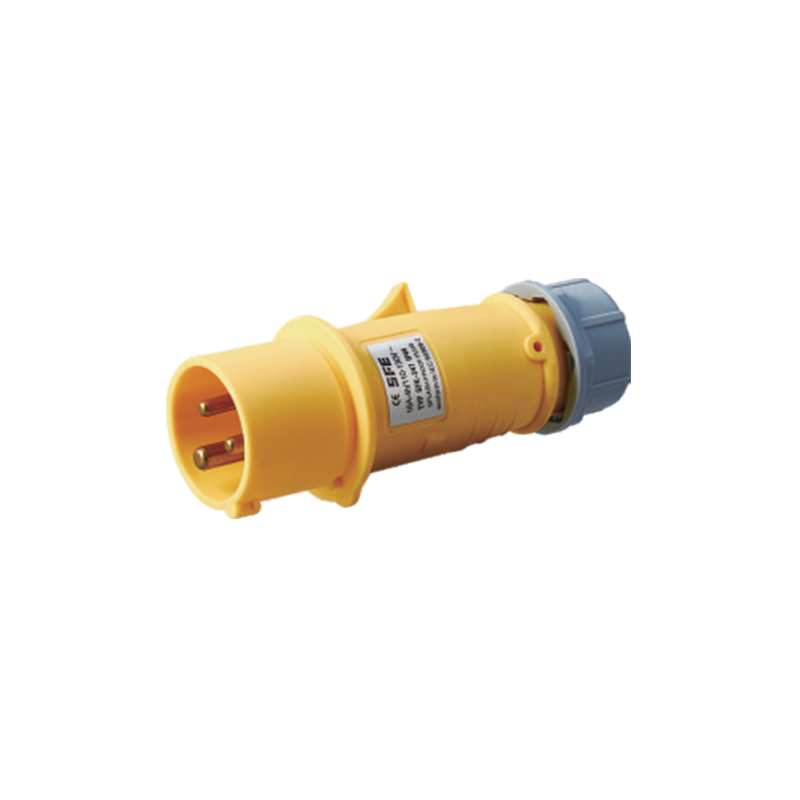
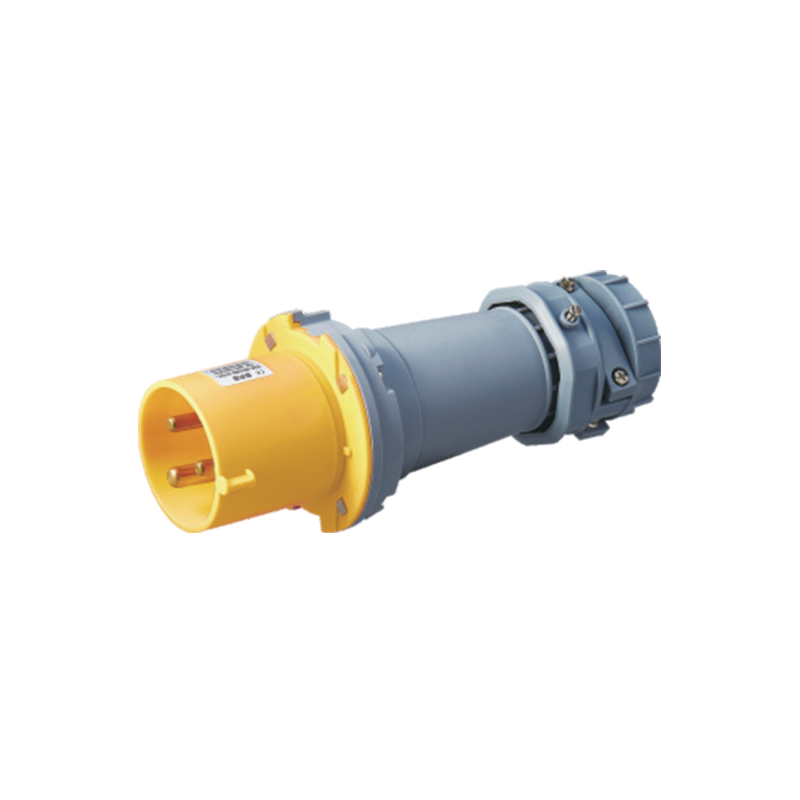
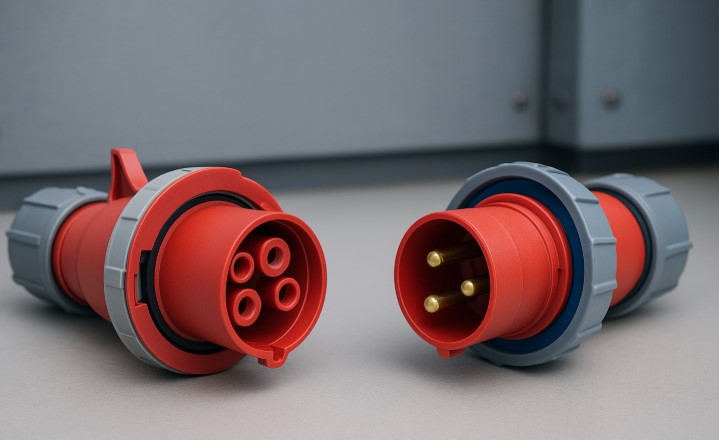
On temporary construction sites, workers need power fast. They need to move machines around. They also need to keep the power safe as the work area changes. Under these conditions, Industrial Plugs are very common. They let workers connect, move, and take down power systems without changing the wires for good. A 200A Plug is often used for big machines like tower cranes, welding units, concrete mixers, and temporary power boxes. These plugs help keep the power steady while the site works all day.
Temporary Construction Power Systems Change All the Time
Unlike fixed factory buildings, power on a construction site never stays the same. Machine locations change as the job moves from digging dirt to putting up walls and later to finishing work. Power cables may have to cross temporary roads. They may have to connect to machines that move around. They may also give power to many work areas at the same time. Because of this, construction teams need plugs that can change quickly. They do not want to rewire everything every time the site looks different.
Temporary power systems also face bad weather and rough conditions. Outdoor construction areas get dust, rain, shaking, mud, and hits from trucks or heavy tools. The plugs in these places must take a lot of plugging and unplugging. They must also keep the power flowing well for many hours of work.
Another problem comes from the job schedule. If a plug breaks or a cable is hard to change, work stops. Lifting stops. Lights go out. Ventilation stops. Concrete machines stop. On some jobs, even a short stop can mess up the timing between different crews working on different parts of the site.
Temporary networks also see different power loads. At the start of a job, the power need may be small. Later, the job needs more power for welding, lifting, or temporary heaters and coolers. A good plug system lets workers change the power layout without redoing the whole temporary electrical setup.
How Plug Designs Have Changed for Construction Sites
The plug systems used today are very different from old plugs on job sites. New Industrial Plugs have stronger bodies. They have better seals. They have safer ways to connect. These changes help them work better in outdoor construction.
Many 200A Plug products now use hard plastic or rubber with strong fibers inside. Old plugs had metal parts that could rust. The new materials do not rust as much. They also stop electricity from leaking out in wet or dusty places. The outside shell is often shaped to take a hit without breaking when cables move or machines shift.
Here are some common simple improvements on construction plugs:
- A lock that stops the plug from coming apart by accident.
- Sealed spots where the cable goes in, so dust and water stay out.
- Insulation that can take hot and cold weather for a long time.
- Inside parts made for many plug-in and pull-out cycles.
Colored marks on the shell so workers know which wire is which. This makes the job safer and easier to check.
Cable grip has also become important. On construction sites, cables get pulled, bent, and dragged over rough ground. Without a good grip, the cable pulls on the inside wires. This can make the plug loose or too hot.
Some new plug systems also let you fix only the broken part. In the past, if one small part wore out, you had to buy a whole new plug. Now, you can sometimes change just the contact pieces or the rubber seals. This saves time when you do regular fixes.
Why Big Plugs Are So Common on Construction Sites
Big construction jobs often need temporary power that can handle changing loads. High-current plugs like the 200A Plug are common because they work well with machines that need a big start-up push or run for many hours.
Tower cranes are a good example. These machines need steady power when they lift heavy things. On a tall building job, if the power stops, the crane cannot move materials. Temporary power boxes that use Industrial Plugs let workers move the crane or fix it without changing a lot of wires.
Concrete machines also pull a lot of power. Mixers, shakers, and pumps may run for a long time without a break when workers pour a floor or a wall. Plugs used in these spots must take many on-off cycles and also stand up to sun, rain, and dust.
Welding machines are another big use. Portable welders move often as the steel frame of a building grows. A plug that connects and disconnects fast makes cable work easy. It also helps workers set up faster between different job areas.
Temporary lights also need good plugs. Big road or bridge jobs often work at night. They use light towers that run off outdoor power boxes. Industrial Plugs help workers move the lights quickly as the work section changes.
