
 English
 Español
 中文简体
中文简体
Address: No. 199, Weiwu Road, Yueqing Economic Development Zone, Zhejiang Province, China.
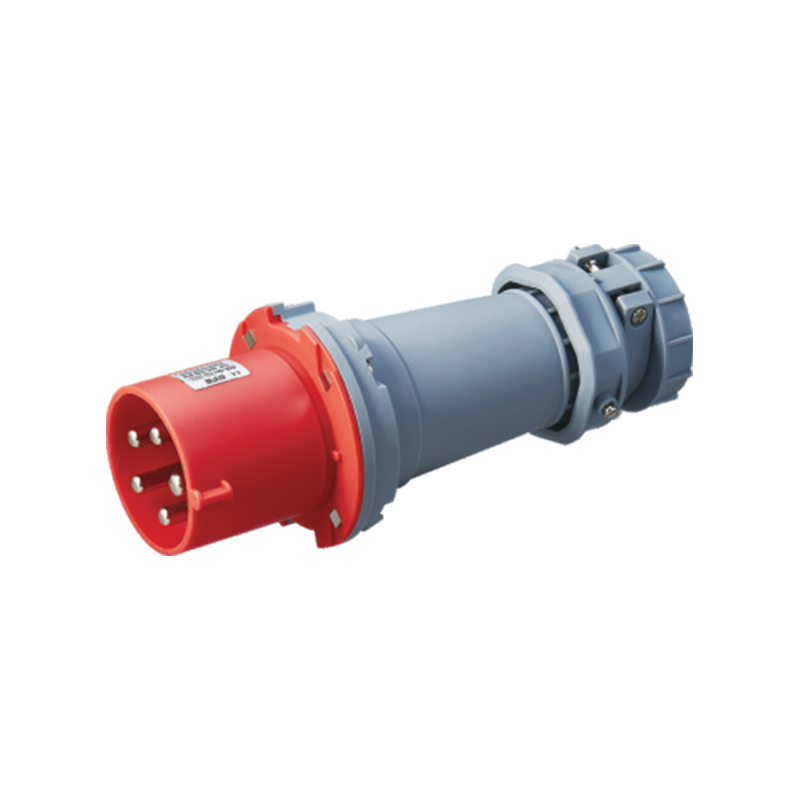
Outdoor power systems face a lot of trouble. They get wet. They get dusty. They shake a lot. The work conditions are not stable. Because of these problems, the connections often break. This is a big worry on construction sites, in mines, at ports, and in places that need temporary power. When a connection fails, machines stop. Work stops. So people need a good solution. A good 200A Plug can keep the power going. It also makes cable connections easier. It helps when you need to change a machine. Today, Industrial Plugs for outdoor use have stronger bodies. They have better parts inside for making contact. They also have safer locks. These changes help the plugs work every day, even when the site changes a lot.
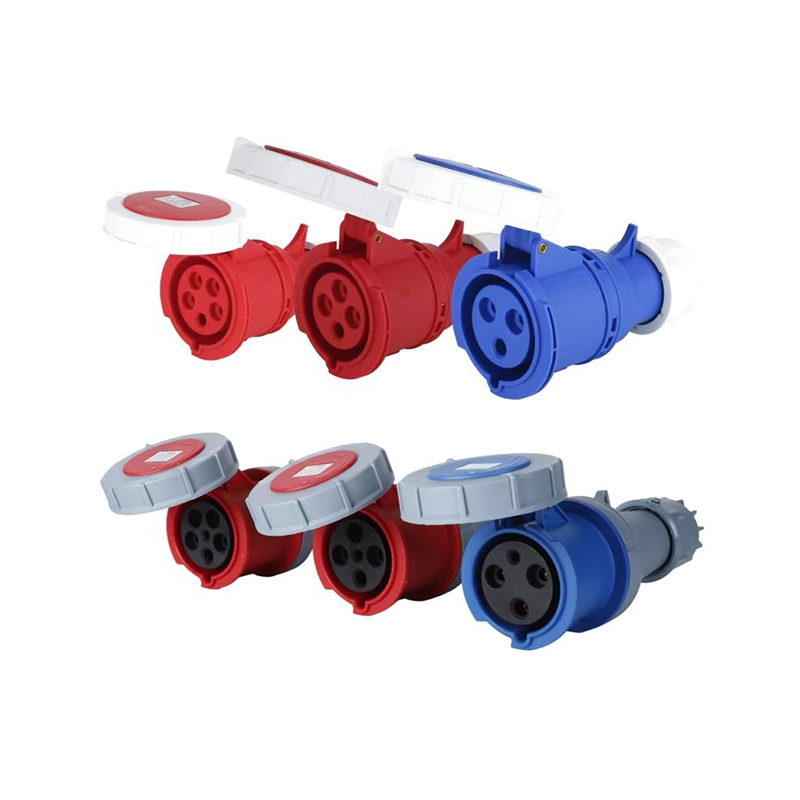
Why Outdoor Power Connections Break So Often
Power loss outside does not happen because of just one thing. On many job sites, work stops because the plug gets used too many times. People plug and unplug it again and again. The cable may pull on the plug. Rain can get inside. Dirt and dust get in. A machine may hit the plug by mistake. Old types of connections come loose over time. This happens a lot when power is set up for a short time. On those sites, people move equipment all the time. So the plugs get moved too.
Big electric current also makes the connection points weak. When a lot of power goes through a loose terminal, heat builds up around the contact. This heat can cause rust. It can make the power flow worse. Sometimes you can see burn marks on the plug. In many cases, the power source is fine. The real problem is the plug between the machine and the power box.
The weather and the work site also bring problems that are hard to stop. Construction jobs go on in the rain and the sun. At ports and docks, there is a lot of water and salt in the air all year. Farms and food plants let mud and oil get on the plugs. Mines have fine dust everywhere. When the conditions are this bad, the plug’s strength is not a small thing. It is part of the whole work plan.
A broken plug can stop more than one machine. On many job sites, one outdoor power box feeds many machines at the same time. If one plug fails for no reason, the machines near it also stop. Then the workers have to find the bad plug and change it. This can slow down loading. It can stop work for a long time. It can make the repair time much longer.
How New High-Current Plugs Are Built Differently
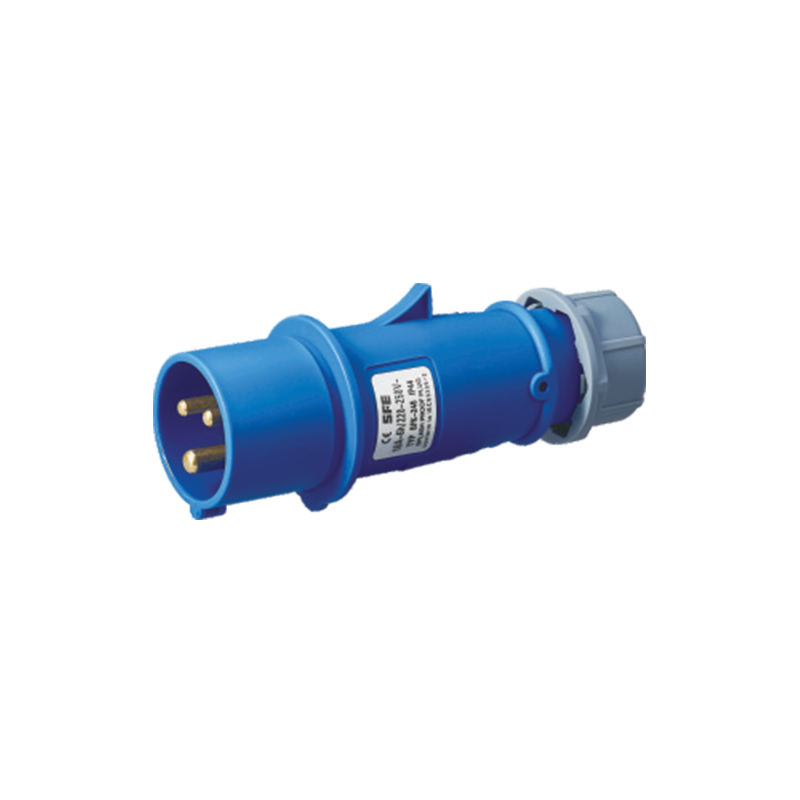
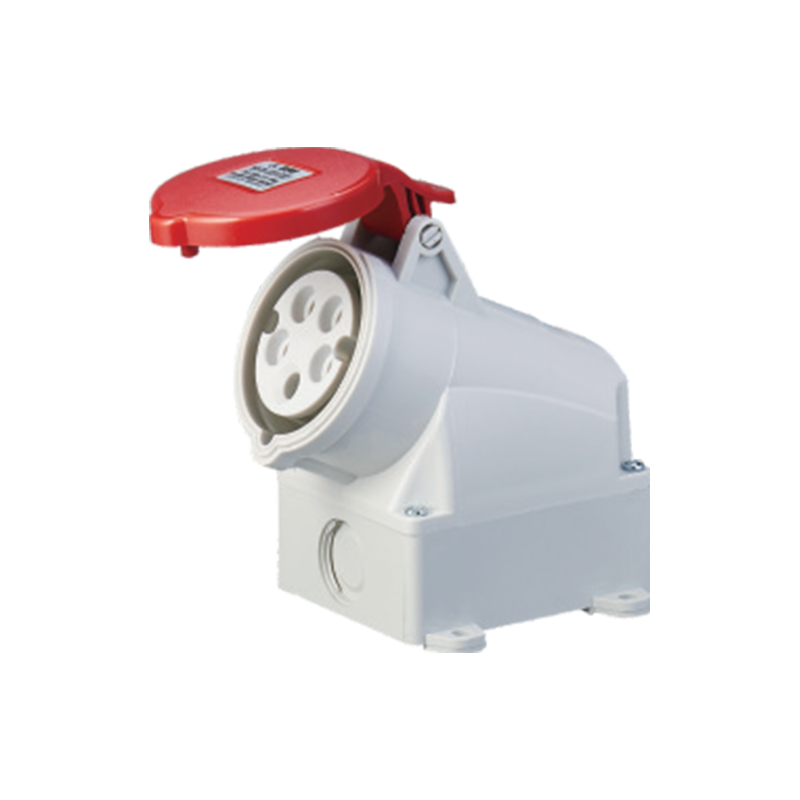
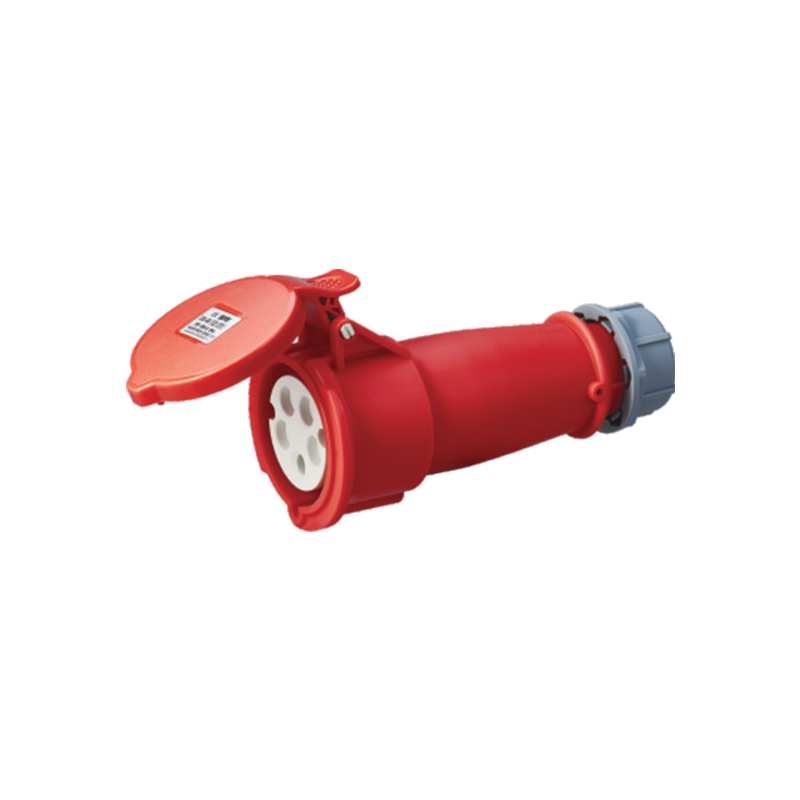
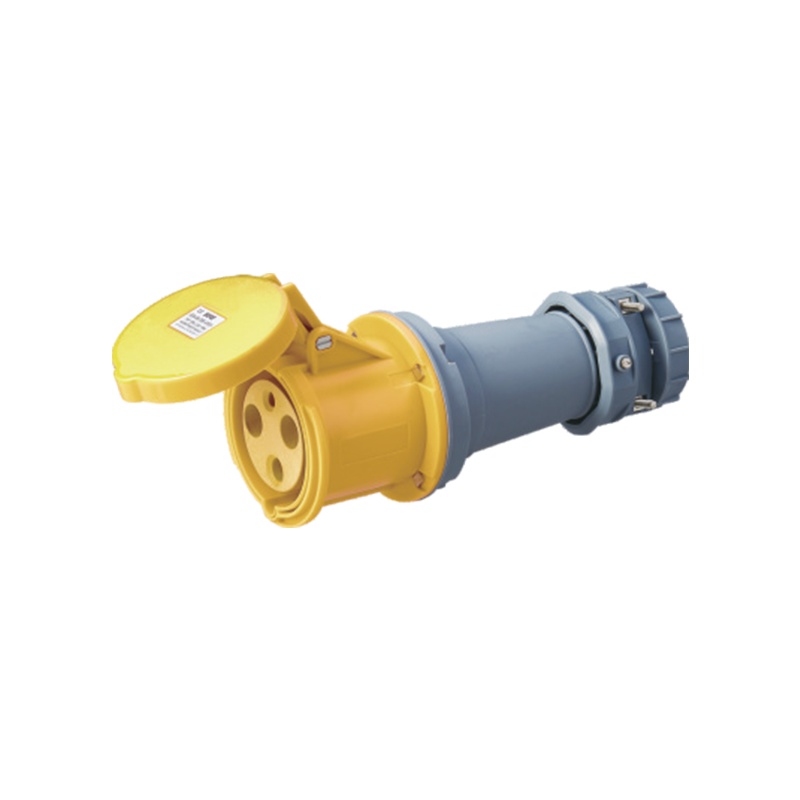
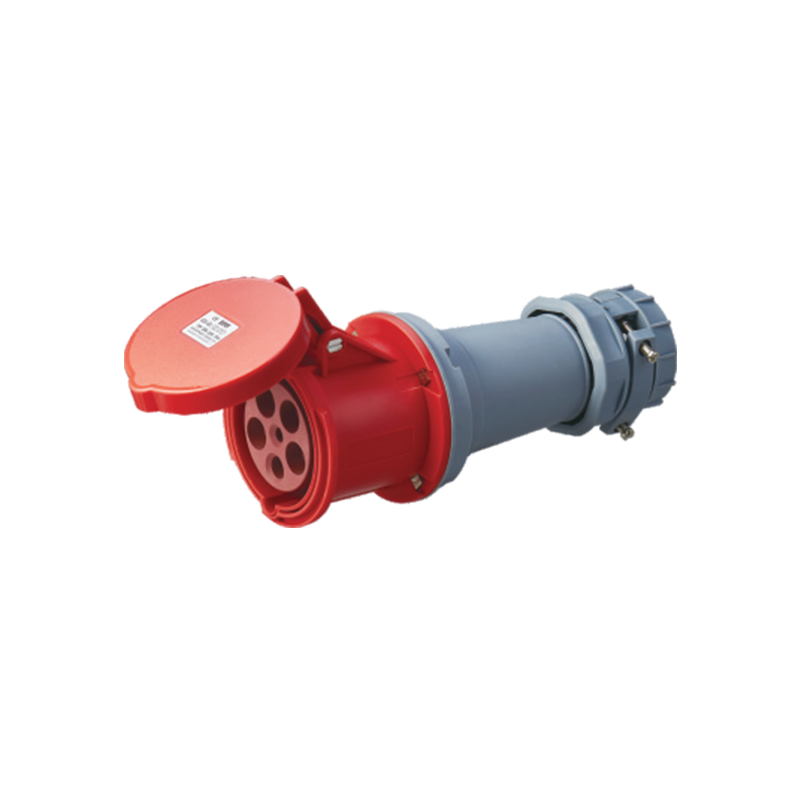
Plug makers have changed their designs to fix these real problems. Many new 200A Plug products have a strong plastic or rubber shell. This shell helps the plug take a hit without breaking. It also stops electricity from leaking out. Old plugs had metal bodies. Those could rust. The new materials do not rust as much. They are also lighter. So the workers in the field can handle them more easily.
The inside parts have changed a lot too. Some Industrial Plugs now have silver-coated or copper-alloy contacts. These let power flow better when the machine uses a lot of current for a long time. The parts push together with good pressure. This keeps the temperature down when the machine runs all day and all night.
Here are some common changes you see on outdoor plugs today:
- A lock that stops the plug from coming apart when things shake.
- Rubber rings that keep water and dust out near the cable.
- Insulation that can withstand hot and cold weather.
- A grip on the cable that stops it from pulling on the inside wires.
- A colored shell so you can see which wire is which. This makes the work safer.
Another good change is about fixing the plug. In the past, if one part wore out, you had to change the whole plug. Now, some plugs let you change only the contacts or the rubber seals. This saves time. It also costs less money for parts. This is very helpful for plugs used every day.
The rules for power systems also push makers to make plugs that work with old power boxes. Many outdoor systems now use the same plug size and the same power rating. So you can use the same plug on different machines from different brands. This is very useful for rental machines, for power at big shows, and for mobile workshops. On those sites, many devices share the same power plug.
Where People Use These Plugs Most Often
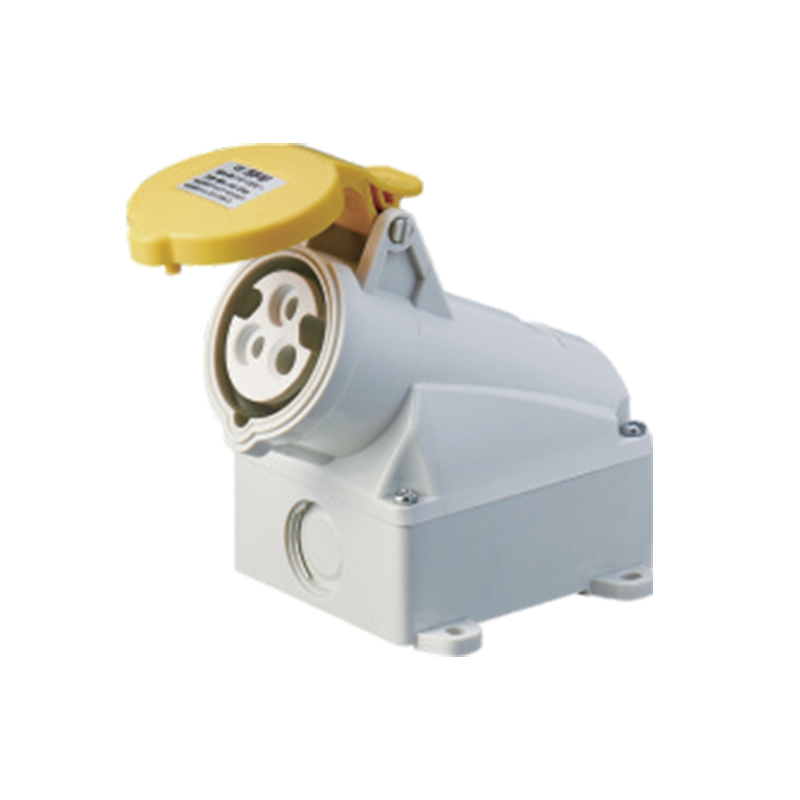
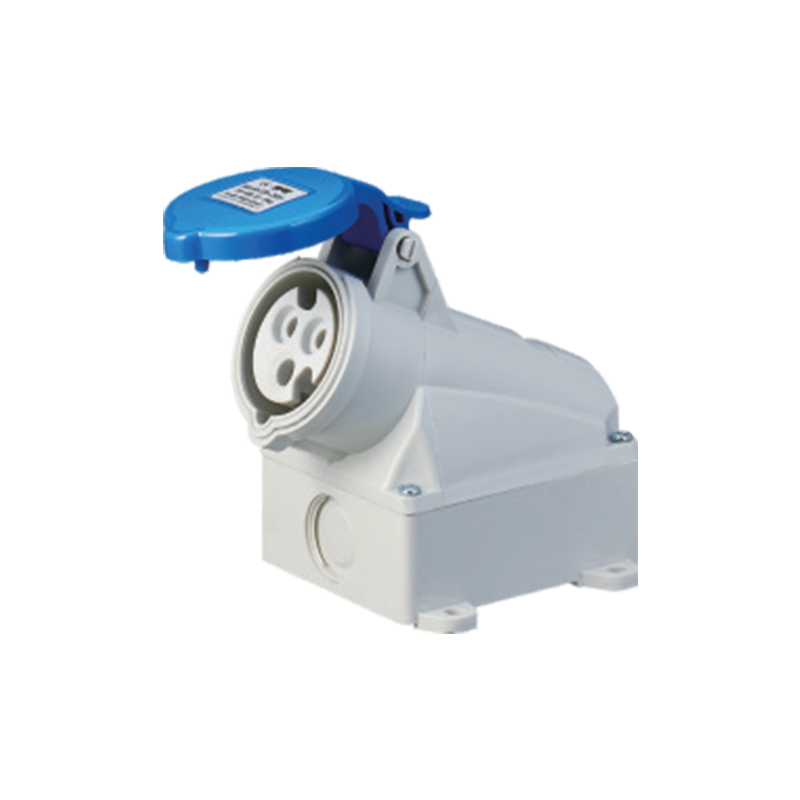
Outdoor power plugs are not just for big factories anymore. High-current Industrial Plugs are now common in many jobs that need power that can move, or that stay outside.
Construction sites use them all the time. Tower cranes need power. Welding machines need power. Portable air compressors need power. Lights need power. All these machines move to different spots as the building goes up. The workers need to plug and unplug fast. This helps them change the power setup without doing a lot of new wiring.
Ports and shipyards also need outdoor plugs. Ships take power from the shore. Cargo machines move boxes. Repair tools work near the water. The air is very wet. So the plug must keep electricity safe. At these places, a good plug means the ship's load and unload on time.
Mines have their own needs. Rock crushers move around. Drills move. Conveyor belts run for many hours. The ground is not flat. Dust is everywhere. So the plug must take a lot of force. It must also keep the power steady all day long.
Big outdoor events also use more plugs now. Concerts need power. Fairgrounds need power. Sports stadiums need power for lights and sound. Emergency teams need power fast. They put up the power system in one day. Then they take it down after the show. High-current plugs make the cables easy to manage. The workers can change things quickly.
Farms and food plants also use outdoor plugs more and more. Machines move with the seasons. The weather changes. So the power system must change too, without a big, permanent setup. The plugs help with that.
In all these places, a good 200A Plug and strong Industrial Plugs keep the power on. They stop for breaks. They save time. They make work easier for the people on the job.
