
 English
 Español
 中文简体
中文简体

Address: No. 199, Weiwu Road, Yueqing Economic Development Zone, Zhejiang Province, China.
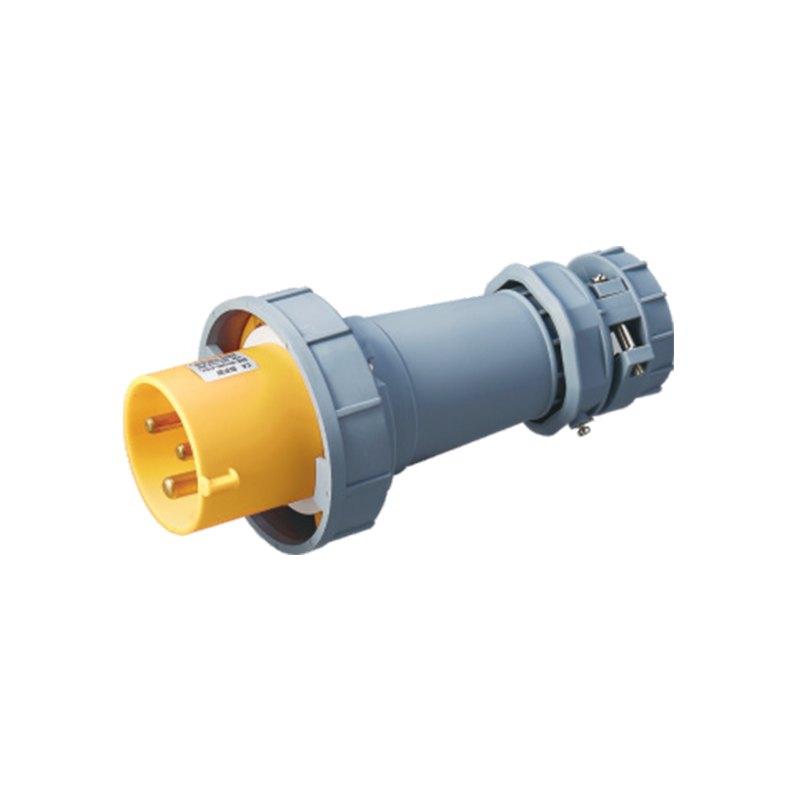
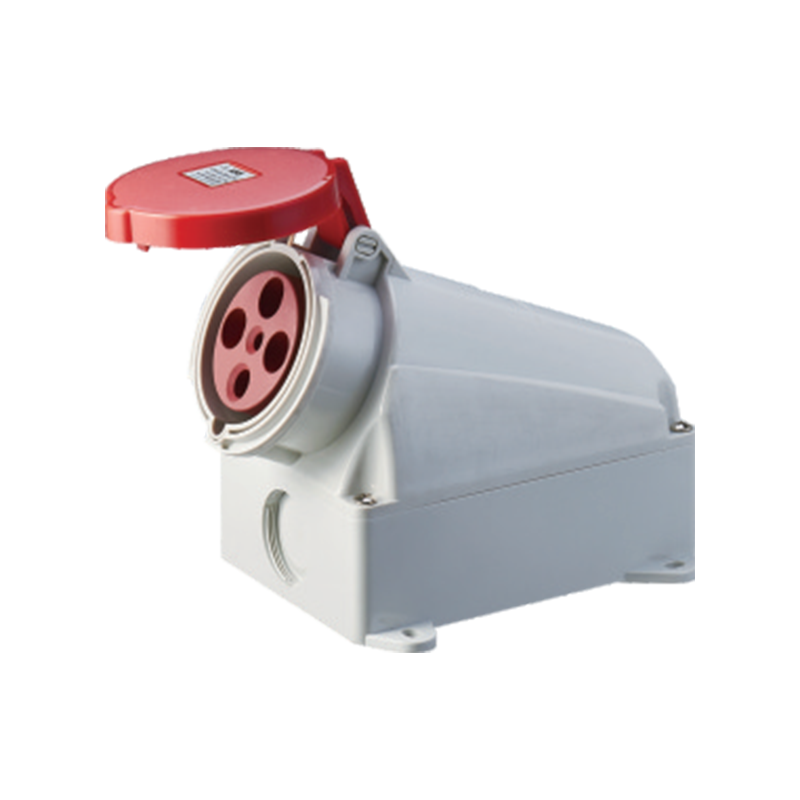
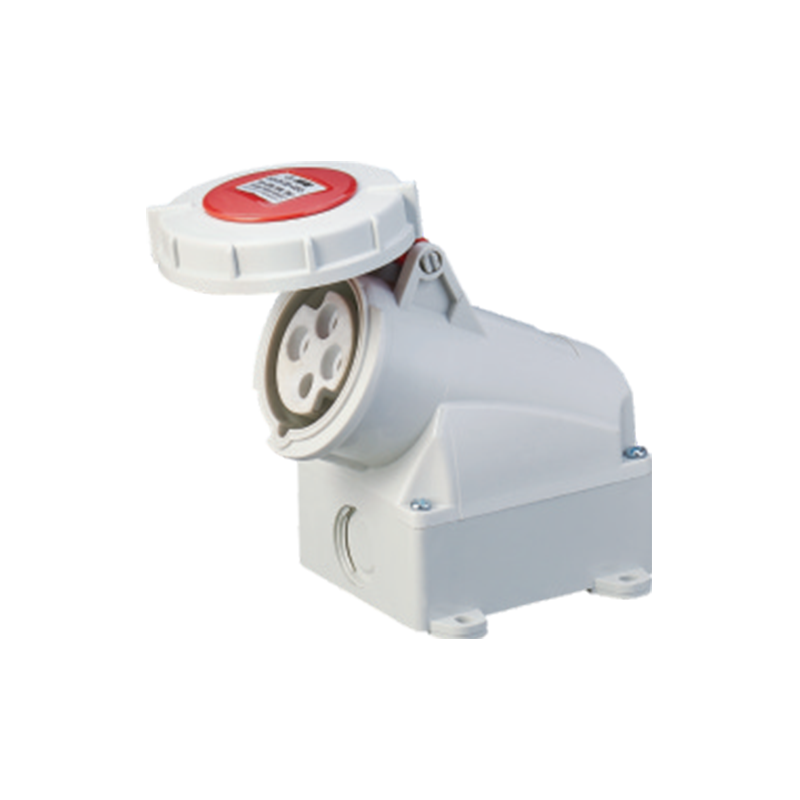
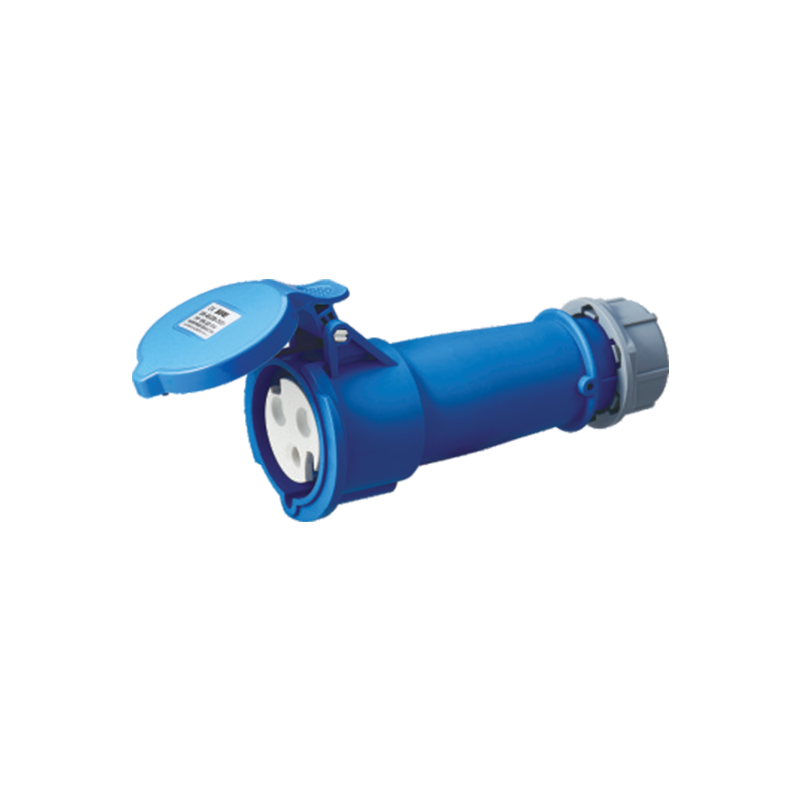
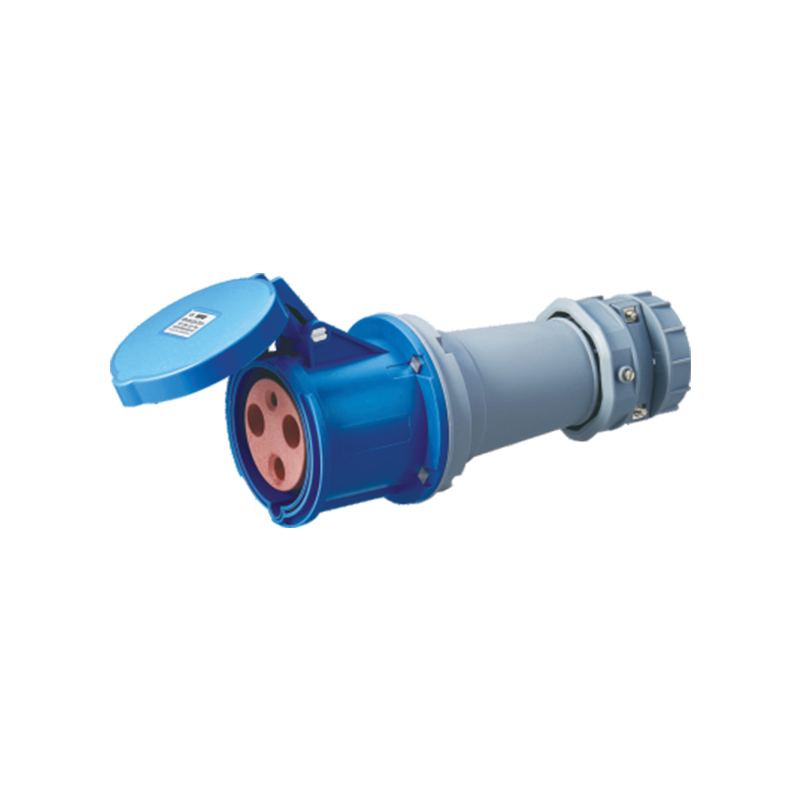
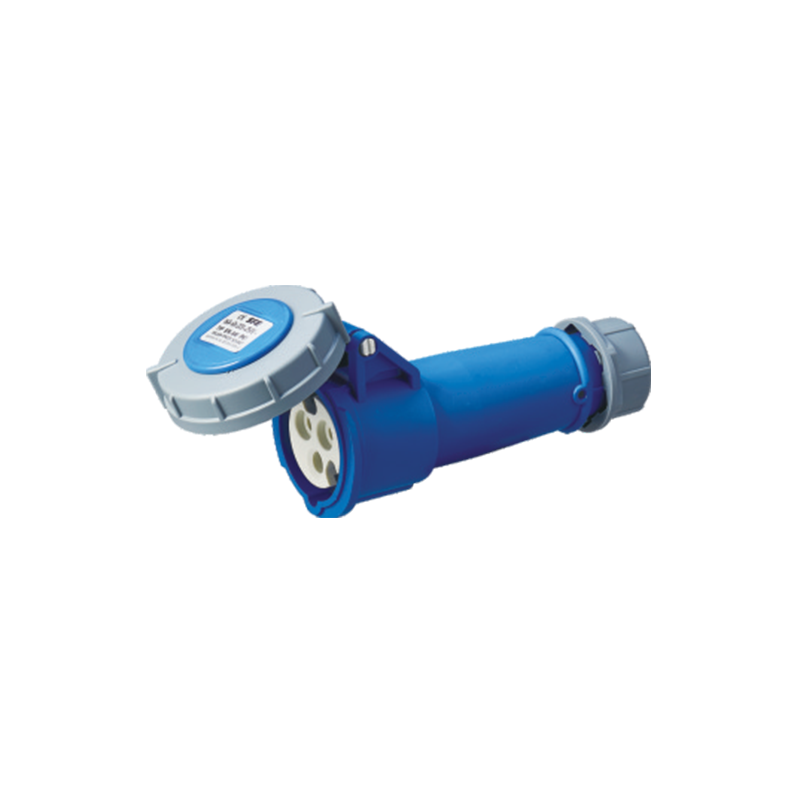
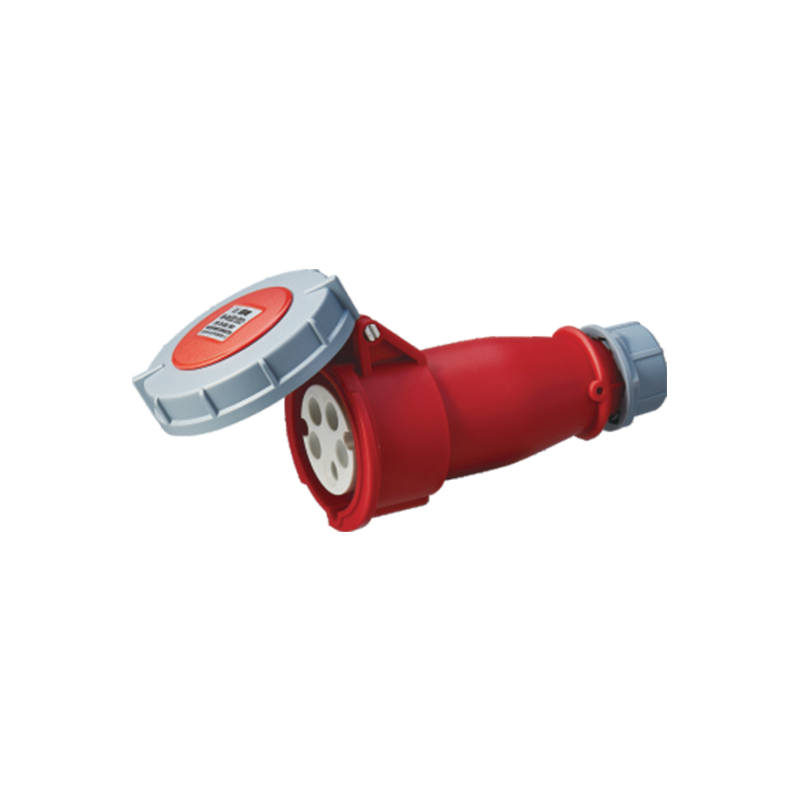
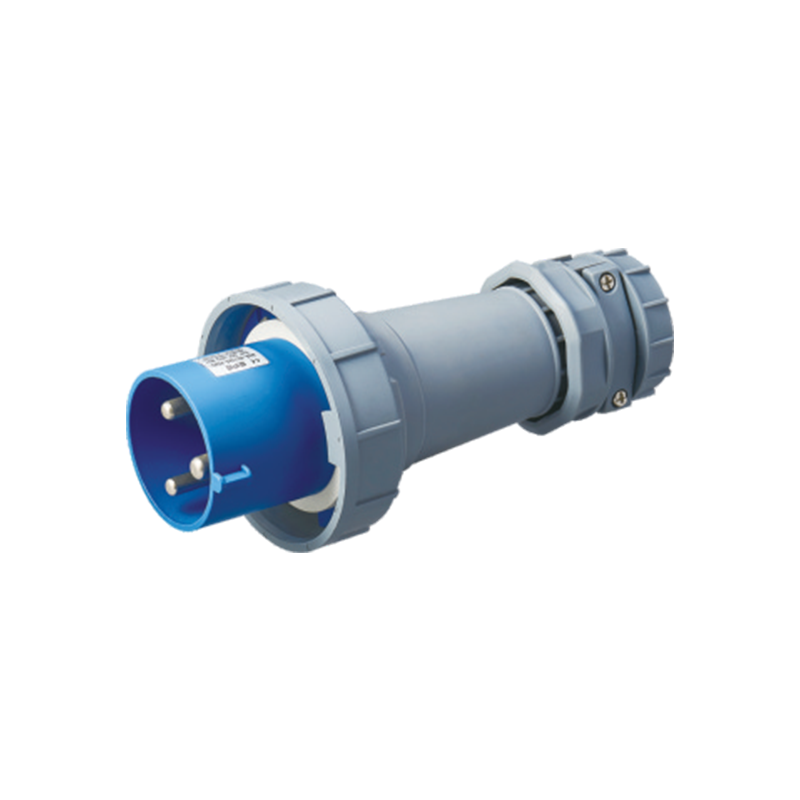
Field engineers who work with temporary power stations, battery trailers, and movable energy units need wiring systems that are stable and easy to put together. In many of these setups, a 200A Plug and other kinds of Industrial Plugs are used to make power distribution simpler between generators, storage systems, switch cabinets, and mobile equipment. Mobile energy systems are now more common on construction sites, emergency response jobs, outdoor events, and short-term industrial projects. So the speed of connecting power has become very important for getting work done fast, for keeping maintenance work low, and for staying safe on site.
Why Mobile Energy Projects Need Quick Power Connections
Temporary energy systems are not just diesel generators parked next to a construction area anymore. Many projects now also use battery storage units, solar charging systems, portable transformers, and hybrid power containers. These things often have to be moved from one place to another. This puts new pressure on the electrical connection systems. Why? Because cables are taken apart, packed up, moved, and then put back together many times.
Old wiring methods can slow down setup work. Technicians have to spend time finding the right terminals, tightening cable joints, and checking if the connections are loose after transport. Outside, things like dust, rain, shaking, and cable bending can also cause loose contacts or damaged wiring.
That is why plug-based industrial connection systems are often chosen for this work. They allow faster assembly. They also keep the electrical interfaces the same every time. Instead of building new terminal structures at each job site, workers can prepare matching cable systems ahead of time. Then they just plug them in and lock them.
For mobile power jobs that use more current than a normal home outlet, larger connectors like a 200A Plug are often used. These can handle higher electrical loads. And you do not need oversized hardwired terminal boxes at every connection point.
How Modern Industrial Plug Systems Have Changed
Industrial connector systems for mobile energy have grown from basic power plugs into more focused parts. Old plug designs mostly cared about carrying power and stopping shocks. Newer designs also think about transport conditions, easy maintenance, and being used in the field many times.
Here are some common changes in modern Industrial Plugs for mobile energy gear:
- The outer shells are made stronger. This helps reduce damage from pulling on cables or dropping the plug during transport.
- The locking parts are designed to stop movement caused by shaking from generators or moving trailers.
- The metal contacts are chosen to reduce overheating when high current runs through for a long time.
- Some plugs let you replace a damaged cable quickly without taking the whole plug apart.
- Weather-tight seals are used more often for outdoor temporary power jobs.
- Color-coded or keyed connectors help workers avoid plugging the wrong cables together when they have to work fast.
For bigger current needs, a 200A Plug may also have wider contact surfaces. This helps keep the current flow stable over many hours of work. That is very important for temporary energy systems. For example, at big events, during construction shifts, or when running emergency backup power, the connectors can stay under load for a long time.
Another change people notice is better planning for compatibility. Mobile energy providers often manage many pieces of gear at once, not just one unit. So if all the plugs use the same standard, maintenance is easier. And you need fewer spare parts for different projects.
Where These Connectors Are Often Used
Mobile energy systems show up in more kinds of work than many people think. Besides construction projects, temporary power is also used in logistics, outdoor infrastructure repair, disaster relief, mining, movie making, and renewable energy testing.
On construction sites, movable battery systems are often hooked up to temporary light towers, welding machines, water pumps, and charging stations for electric tools. Quick-connect Industrial Plugs cut down on setup delays when crews move gear between work zones.
For emergency response, mobile power trailers may be sent out after storms or power grid failures. Technicians often have to work under time pressure. Sometimes they work in low light or bad weather. Plug-based systems let them connect temporary power units faster than old hardwiring methods.
Large outdoor events also depend a lot on temporary energy systems. Concert stages, broadcast gear, refrigerated trucks, and food stands all need temporary power. The gear is set up and taken down in a short time. So standard connectors help crews organize power routing more easily.
Renewable energy testing is another growing area. Portable battery containers and mobile solar charging units often need temporary high-current connections during pilot runs or off-grid tests. In these cases, the connection systems must handle many changes in setup without causing too much downtime.
What Real Data Shows From Temporary Power Jobs
Project contractors who run temporary electrical systems often track setup time closely. If installation is slow, labor costs go up, and gear sits idle. In several mobile power projects reported by equipment integrators and temporary utility companies, switching from fixed terminal wiring to industrial plug systems made cable connections shorter during the setup phase.
Take temporary event power teams. They work with modular distribution systems. After they started using standard color-coded Industrial Plugs across all their generators, they had fewer cable identification errors. Maintenance teams also said plug replacement became easier. When a cable got damaged, they could swap it out without rebuilding the whole terminal assembly.
Battery trailer operators who work with higher-current charging systems also saw practical maintenance benefits from using detachable 200A Plug assemblies. Instead of disconnecting many internal cable points during service, technicians could isolate sections more quickly using the external connection system.
Another real-world factor is wear from transport. Mobile energy systems shake a lot when moved between sites. This is especially true on rough roads or construction paths. Plug systems with strong locking parts have shown fewer cases of accidental cable pull-out compared with loose temporary cable joints.
Exact performance numbers change depending on the load, the weather, and how well the installation is done. But field operators usually look at three measurable things when they choose industrial connector systems:
- How long does it take to connect during setup
- How easy it is to get to for maintenance
- How stable it stays after many transport trips
These three things affect buying choices more than how the plug looks or how big the shell is. For mobile energy systems that move around a lot, a good 200A Plug or a set of reliable Industrial Plugs can save hours of work each week. That means less downtime, lower labor costs, and safer operations on site.
