
 English
 Español
 中文简体
中文简体

Address: No. 199, Weiwu Road, Yueqing Economic Development Zone, Zhejiang Province, China.
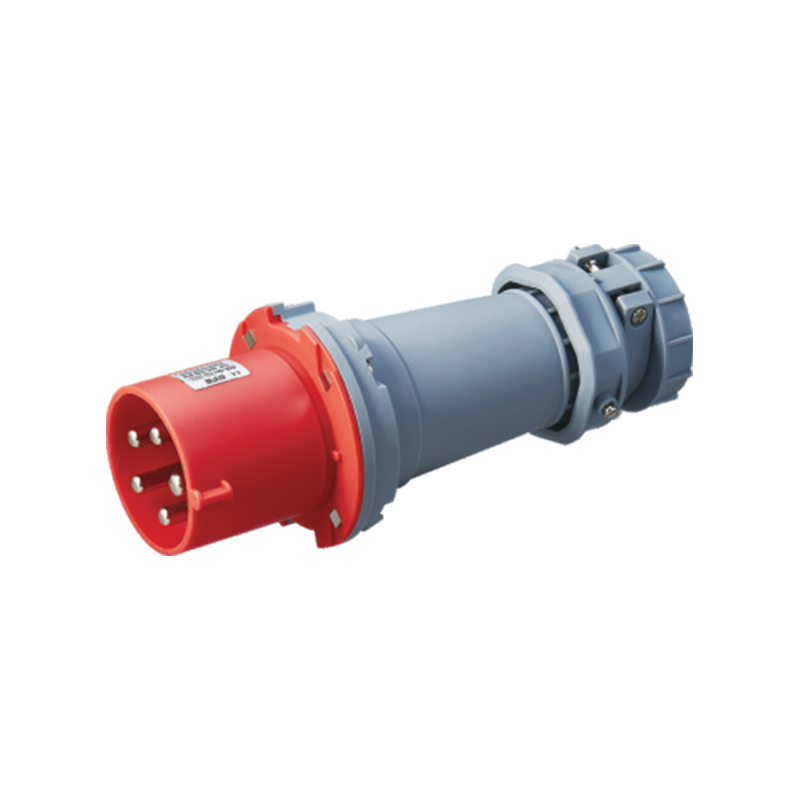
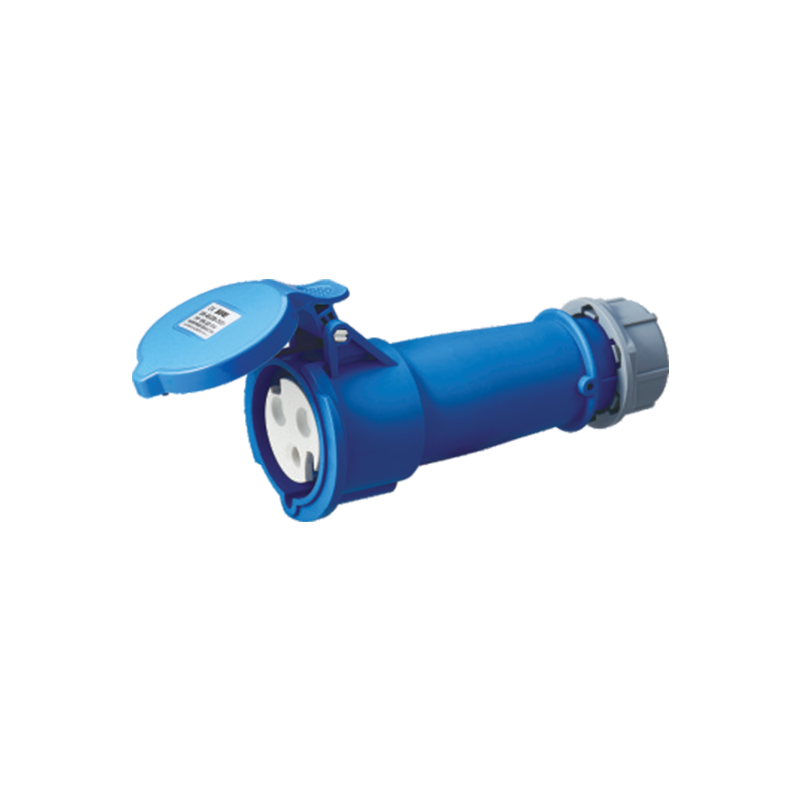
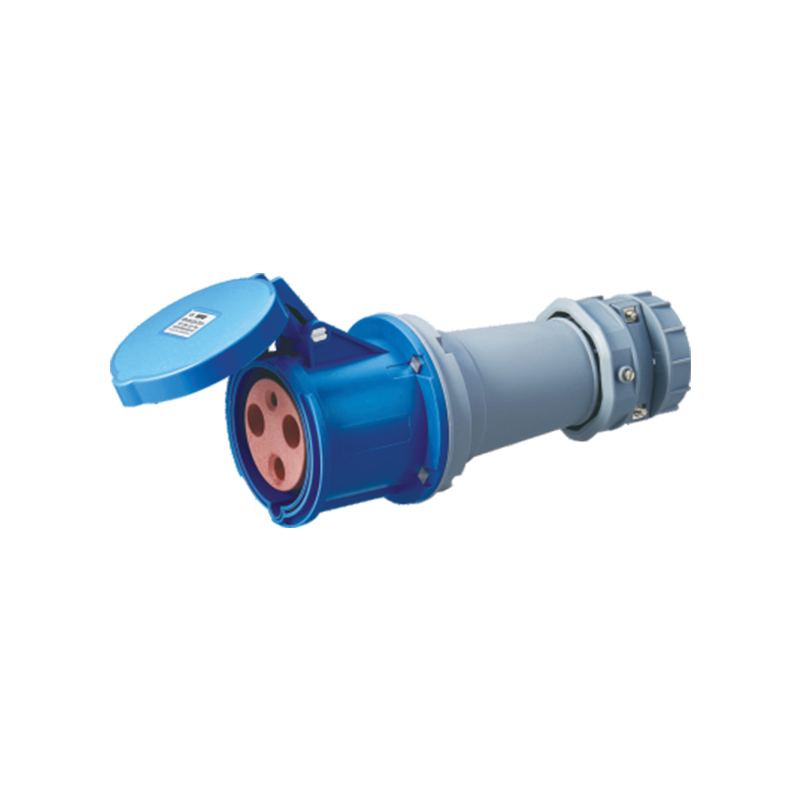
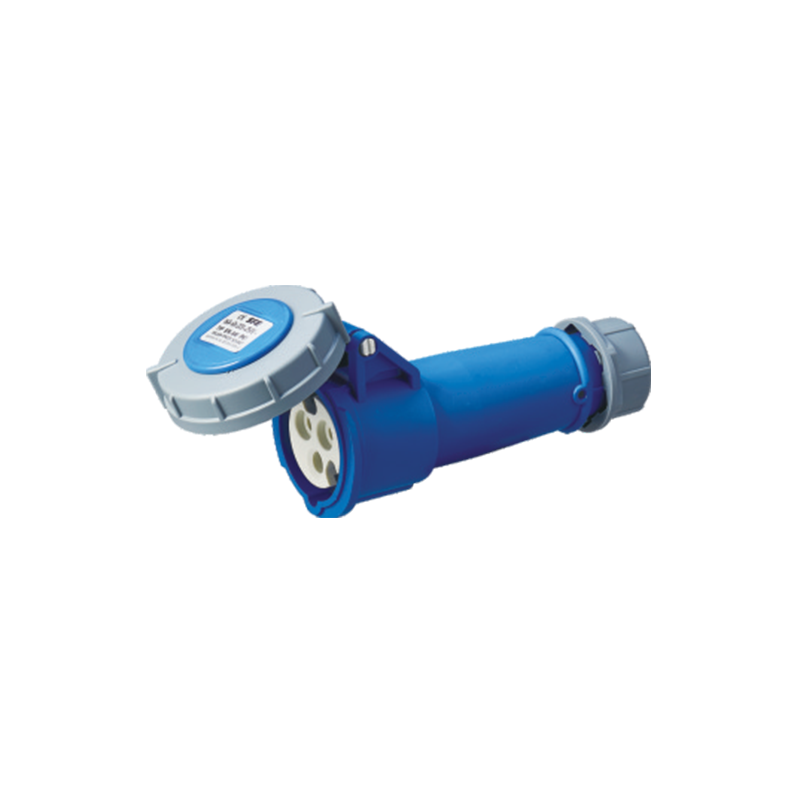
Choosing a Waterproof Industrial Plug for wet and dusty work environments is usually not a one-step decision. In real projects, this type of component is often used in places where conditions change throughout the day, such as construction zones, outdoor power setups, maintenance areas, workshops, and temporary industrial installations.
What looks like a simple connector on the surface actually plays a steady role in keeping power systems running without interruption. The challenge is that these environments are rarely stable. Water, dust, vibration, and frequent handling all show up in different ways.
Because of that, selection is less about product appearance and more about how it behaves once it is in real use.
Why Real Work Conditions Matter More Than Product Labels
On paper, many industrial plugs look similar. In practice, performance differences only become obvious after installation and daily use.
Wet and dusty environments create small but constant pressures on electrical connections:
- Water may appear during rain, cleaning, or humidity changes
- Dust can settle slowly in open or semi-open areas
- Equipment movement may loosen contact points over time
- Temperature shifts can slightly change material behavior
A Waterproof Industrial Plug is expected to handle these conditions, but long-term stability depends on how well it matches the actual environment rather than how it is described in general terms.
Instead of asking what the product is labeled as, it is more practical to understand how often the environment changes and how severe those changes are.
Work Sites Where Protection Becomes a Daily Requirement
Different job sites create different exposure patterns. Some environments only face occasional moisture, while others deal with continuous exposure.
Common working scenarios include:
- Outdoor lighting and temporary power distribution systems
- Construction projects with moving machinery and exposed wiring
- Agricultural processing zones where water and soil particles are common
- Industrial cleaning areas with regular washing routines
- Transportation hubs where dust and airflow are constant
Each situation places a slightly different type of stress on electrical connections. The role of a waterproof industrial plug is to reduce disruption caused by these environmental changes.
What Actually Defines a Practical Waterproof Industrial Plug
Instead of focusing on technical labels, it helps to look at how the plug behaves in real operation.
A practical design usually supports:
- Stable connection under repeated use
- Reduced risk of water entering contact areas
- Protection against dust accumulation in idle conditions
- Secure locking behavior during vibration or movement
- Smooth handling during installation and removal
These points are not isolated features. They work together as a system. If one part is weak, overall performance can be affected.
Common Misjudgments During Selection
In real procurement and site installation work, some misunderstandings appear quite often.
One common issue is assuming indoor-grade components can perform the same outdoors if exposure is occasional. Another is focusing only on shape or structure without considering long-term usage cycles.
Other frequent gaps include:
- Underestimating dust buildup in semi-covered areas
- Ignoring cable stress caused by movement
- Assuming short-term performance reflects long-term behavior
- Overlooking repeated connection and disconnection wear
These issues usually show up after installation rather than during selection.
Environmental Conditions That Change Performance Over Time
Wet and dusty sites are not all the same. Breaking them into conditions helps make selection more practical.
Moisture Exposure
Some locations deal with direct rain or water spray. Others only experience humidity changes. The difference affects sealing behavior over time.
Dust Levels
Fine dust behaves differently from heavy particles. In some environments, dust stays in the air longer and gradually enters connection points.
Temperature Changes
Outdoor systems often experience temperature shifts throughout the day, which can influence material flexibility and sealing stability.
Mechanical Stress
Vibration from machinery or frequent repositioning of equipment can slowly affect connection tightness.
Maintenance Access
Some sites allow regular inspection and cleaning, while others operate continuously with limited downtime.
Material Behavior in Real Industrial Use
Instead of focusing on specific material claims, it is more useful to observe how components behave during long-term use.
In actual applications, important factors include:
- Surface resistance to wear from repeated handling
- Stability under continuous environmental exposure
- Performance consistency after multiple connection cycles
- Behavior under dust or moisture accumulation
Industrial environments tend to expose weaknesses gradually rather than immediately. That is why long-term behavior matters more than initial impression.
Installation Quality Plays a Bigger Role Than Expected
Even a well-designed Waterproof Industrial Plug can perform poorly if installation is not done carefully.
Many issues found in the field are related to setup rather than product structure.
Common installation-related problems include:
- Cable tension pulling on the connection point
- Improper bending radius near terminals
- Loose mounting causing vibration movement
- Dust entering during installation process
- Lack of post-installation stability check
A careful installation process often improves performance more than expected.
Maintenance Habits That Support Stable Operation
Industrial environments are rarely clean or controlled. That means maintenance becomes part of normal operation.
Useful practices include:
- Periodic visual inspection of connection areas
- Cleaning dust from surrounding surfaces
- Checking for loosened fittings during operation cycles
- Observing changes in handling feel over time
- Making sure protective covers remain functional
These steps are simple but help reduce unexpected downtime.
Different Applications Require Different Focus Points
| Application Area | Main Challenge | What Matters in Selection |
|---|---|---|
| Outdoor lighting systems | Weather exposure | Stable sealing and long-term durability |
| Construction sites | Movement and dust | Secure locking and mechanical stability |
| Industrial workshops | Mixed conditions | Balance between flexibility and protection |
| Agricultural environments | Moisture and soil particles | Dust resistance and moisture control |
| Transport facilities | Continuous airflow and dust | Connection stability under frequent exposure |
Mistakes That Often Appear After Installation
Some issues only become visible after the system is already running.
One common problem is insufficient space planning, which limits cable movement and creates tension at the connection point. Another is ignoring dust accumulation in partially exposed installations.
Other typical issues include:
- Installing near high-vibration equipment without support
- Not planning for future layout changes
- Missing cleaning access during design stage
- Mixing incompatible connection types in one system
These are often design-stage oversights rather than product failures.
How Usage Frequency Influences Selection
Not all installations operate at the same rhythm.
Some systems remain connected for long periods with minimal adjustment. Others require frequent plugging, unplugging, or repositioning.
Higher usage frequency usually requires:
- Easier handling during operation
- Stable locking under repeated use
- Reduced wear during cycles
Lower frequency systems may focus more on long-term static stability.
Balancing Protection and Practical Handling
A well-designed industrial plug system usually finds a balance between protection and usability.
If the structure is too rigid, handling becomes inconvenient during frequent operations. If it is too flexible, stability may be affected in demanding environments.
The goal is to match the system with real working habits instead of ideal assumptions.
Practical Checklist Before Selection
Before choosing a Waterproof Industrial Plug, it helps to review a few key points:
- Level of water and dust exposure in the environment
- Frequency of connection and disconnection
- Cable movement or mechanical stress conditions
- Accessibility for maintenance and inspection
- Space limitations around installation area
- Expected long-term usage consistency
This kind of checklist helps avoid mismatches between expectation and real operation.
Long-Term View of Industrial Connections
In industrial environments, performance is not defined by how something works on day one, but how it behaves after months or years of use.
A stable connection system helps reduce interruptions, supports continuous workflow, and adapts better to changing site conditions.
When environment, usage pattern, and maintenance are considered together, selection becomes more practical and closer to real operational needs.
Selecting a Waterproof Industrial Plug for wet and dusty work sites is less about specifications and more about understanding real conditions.
Work environments are rarely stable, and that is exactly where design, installation, and usage habits come together. When these factors are aligned, the connection system becomes part of a steady workflow instead of a recurring concern.
