
 English
 Español
 中文简体
中文简体
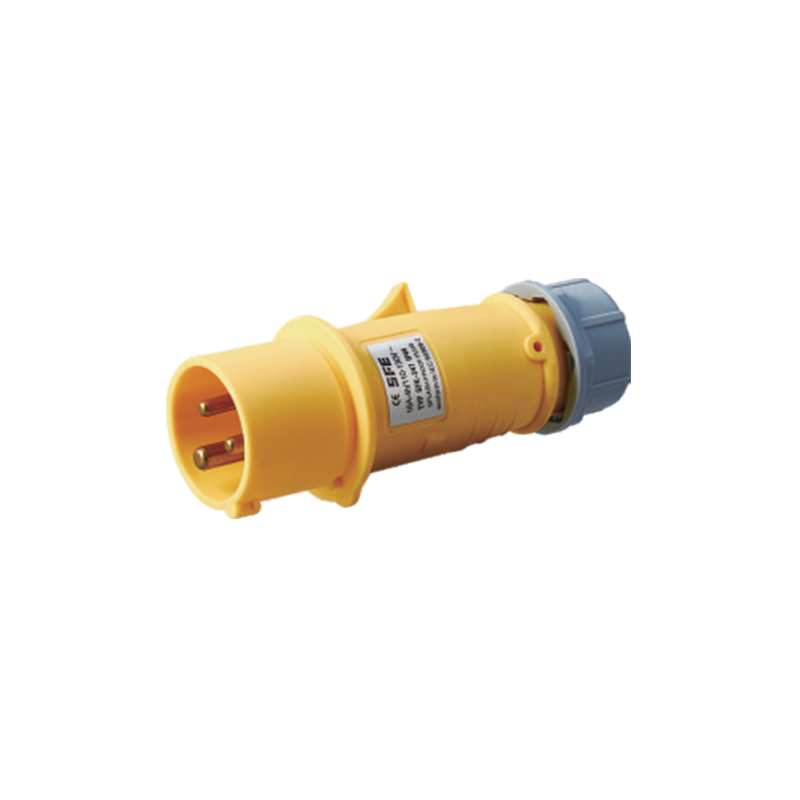
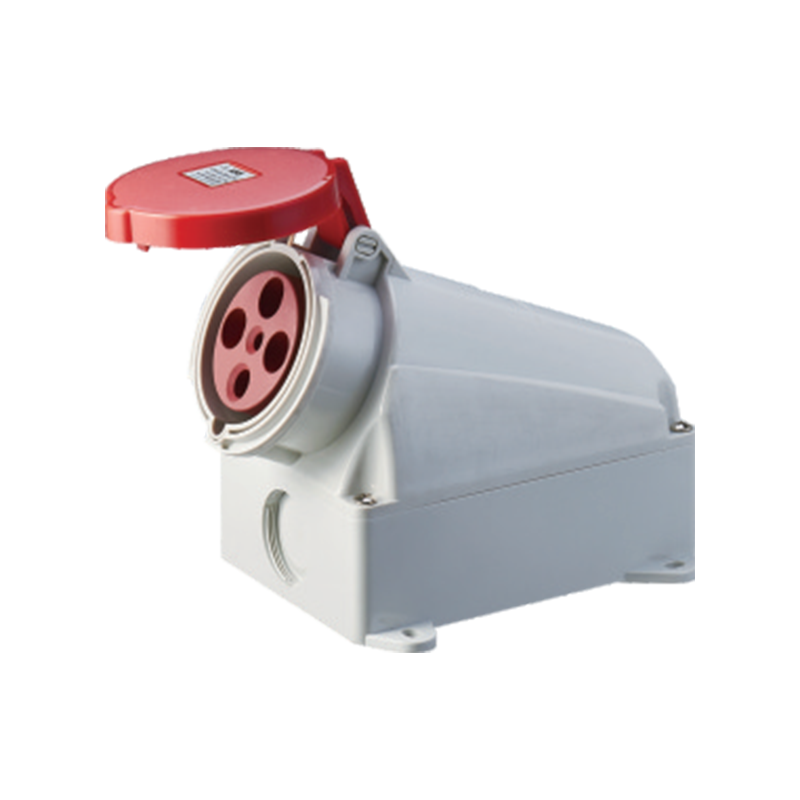
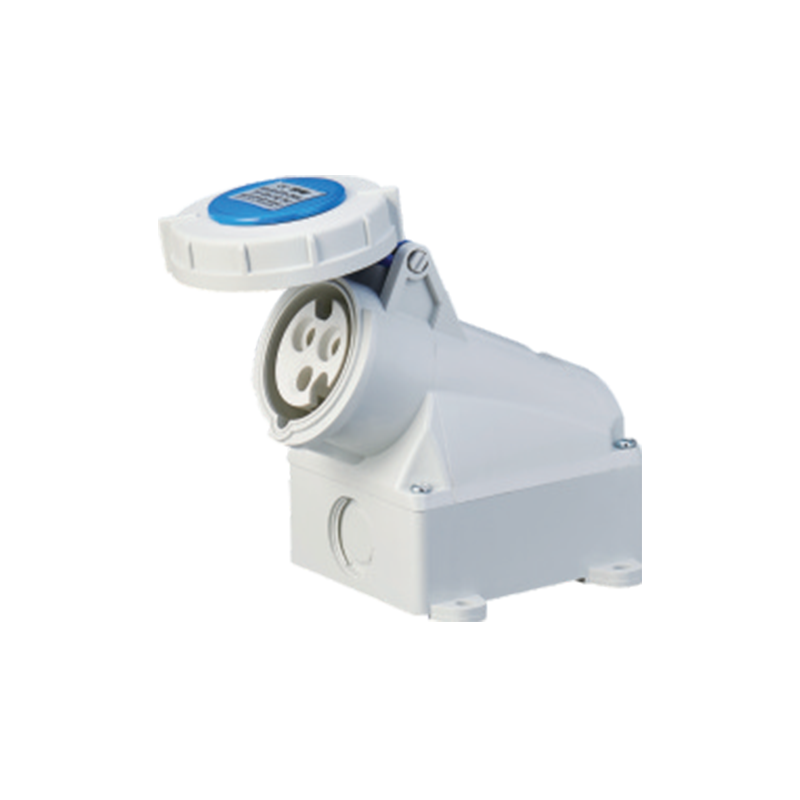
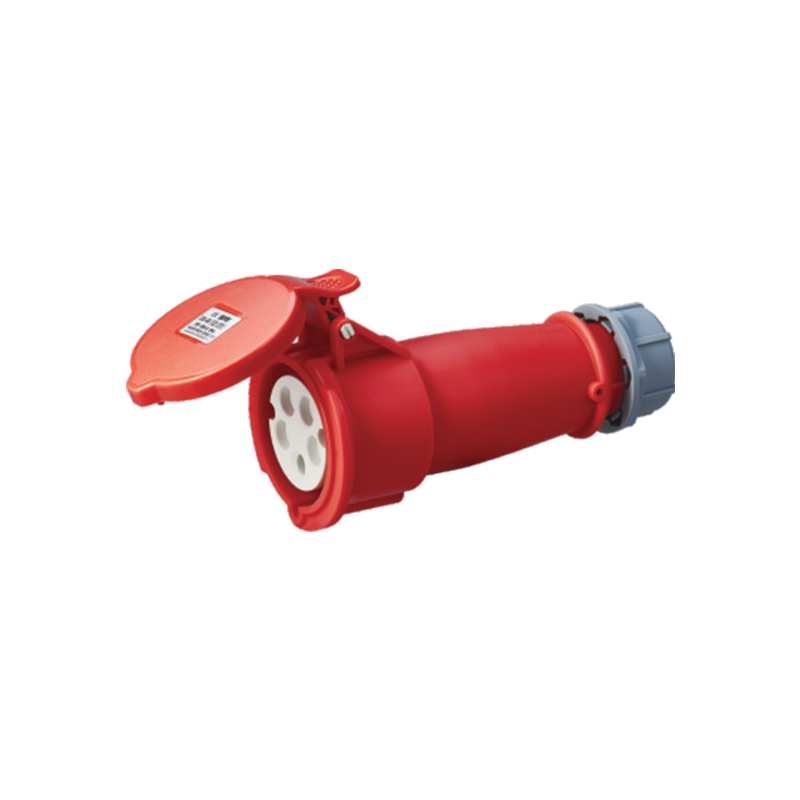
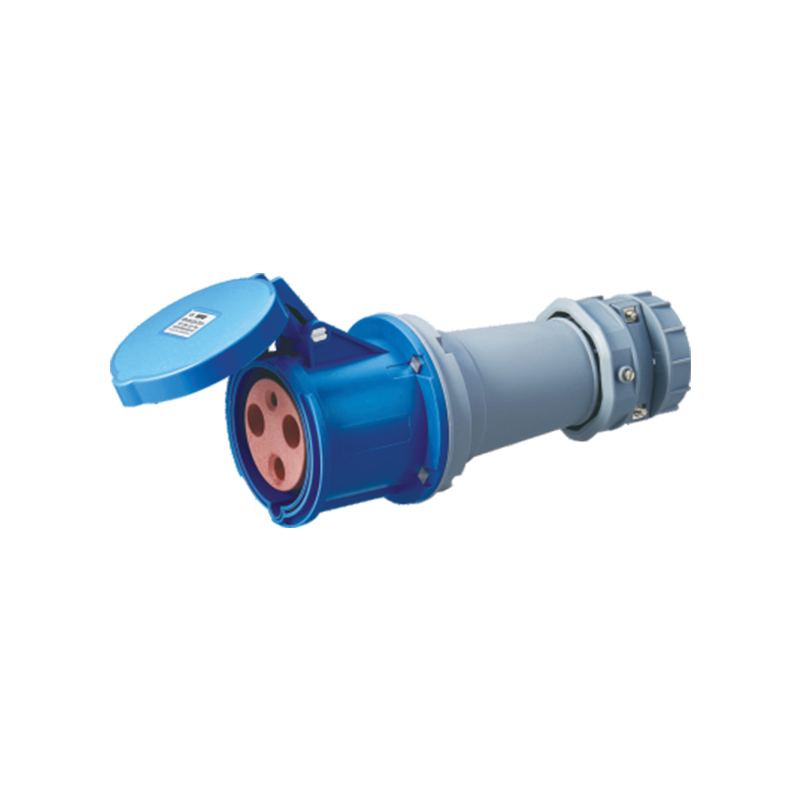
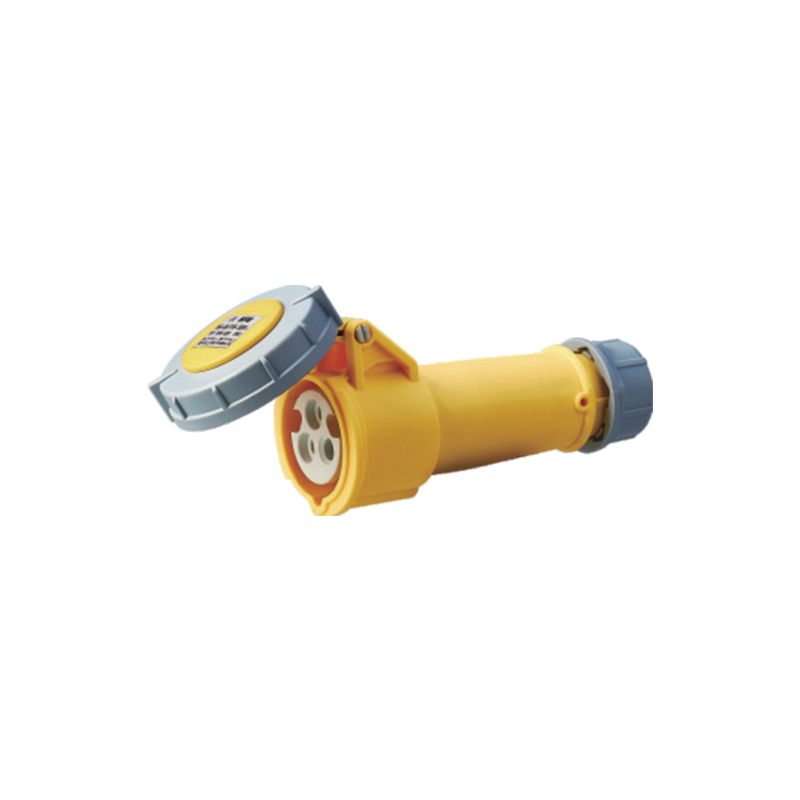
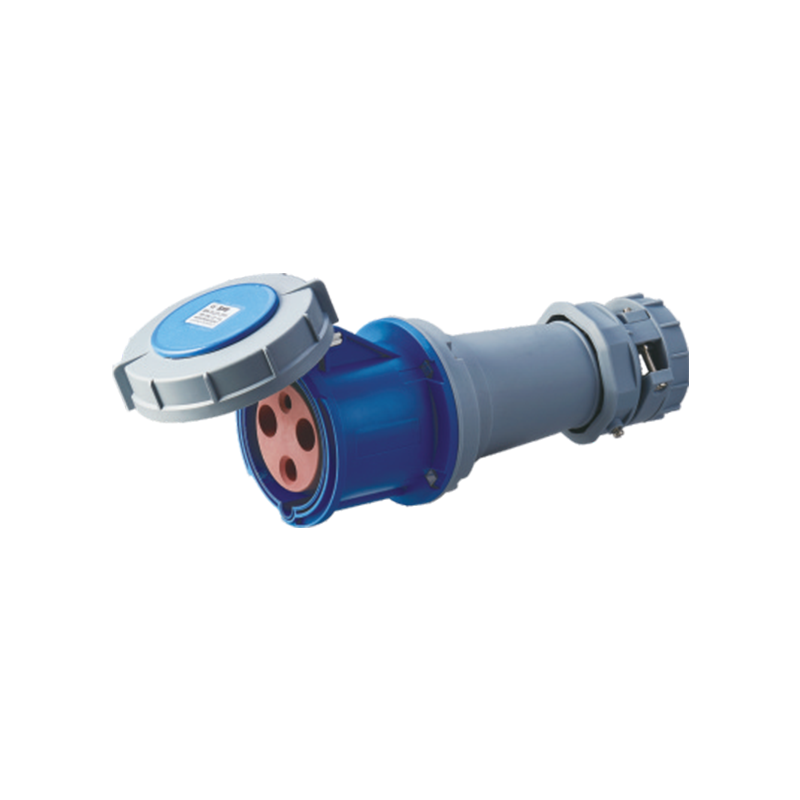
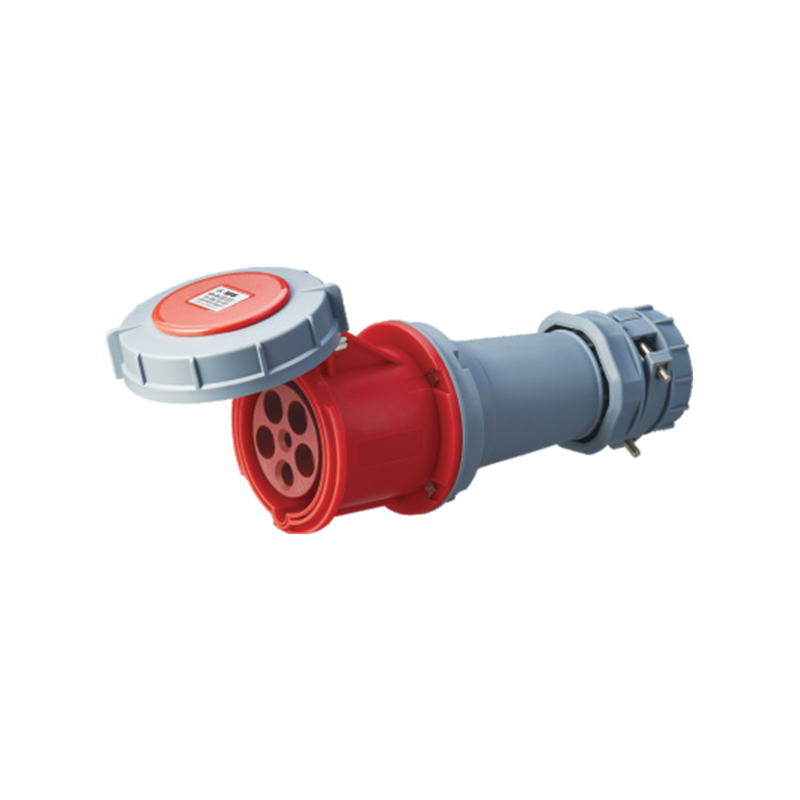
Address: No. 199, Weiwu Road, Yueqing Economic Development Zone, Zhejiang Province, China.
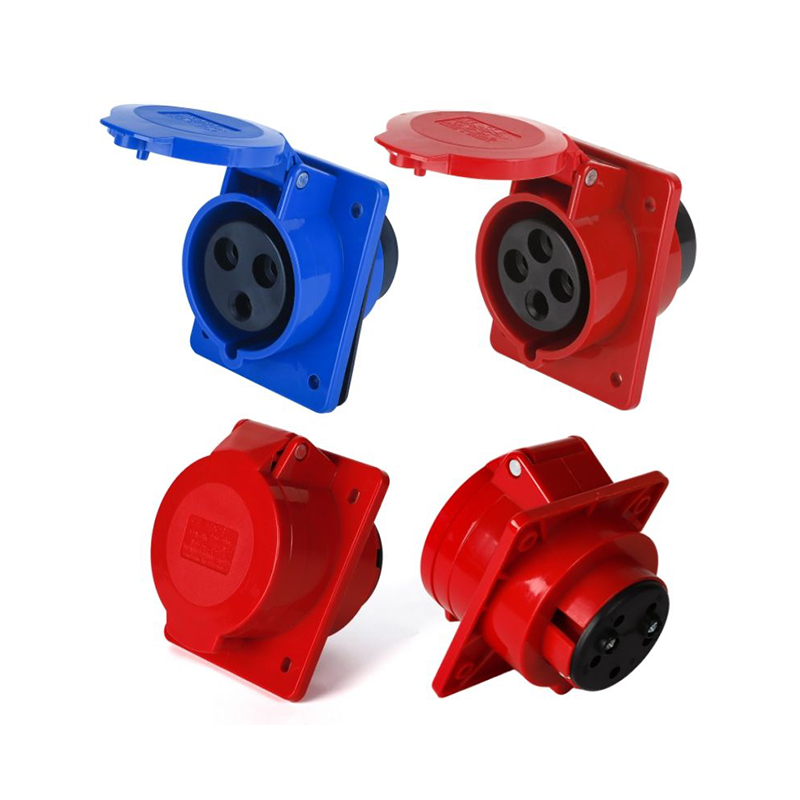
Upgrading industrial electrical setups often involves considering new socket configurations. Incorporating a Wall Mounted Industrial Socket alongside a 240V Industrial Socket can provide structured connections for equipment and improve workflow efficiency in a facility. Understanding the practical aspects of installation, maintenance, and safety ensures the system functions smoothly over time and supports ongoing operational needs.
Assessing Installation Requirements for Wall Mounted Industrial Sockets
Before introducing new socket systems, it is important to review the facility layout and determine locations for installation. Wall mounted sockets should be positioned where they are accessible for daily operations but do not interfere with movement or machinery. Key points to consider during planning include:
- Load Distribution: Evaluate the expected power demand for connected devices to ensure sockets are compatible with the equipment without overloading circuits.
- Environmental Conditions: Place sockets in areas protected from moisture, dust, and mechanical impact to maintain a safe and stable connection.
- Wiring Considerations: Confirm that wiring routes are organized to avoid tangling, pinching, or obstruction in high-traffic zones.
By addressing these factors, facilities can maintain consistent electrical performance while reducing the risk of interruptions or hazards.
Selecting Appropriate 240V Industrial Socket Units
Choosing the right 240V socket units involves matching the design and voltage specifications with the equipment requirements. Wall mounted sockets typically come with different mounting brackets, materials, and connection types. For practical application, consider the following:
A 240V socket should fit the electrical configuration of the machines it supports and comply with local regulations for industrial electrical installations. Using modular designs can facilitate future adjustments, whether adding additional machines or relocating existing equipment. Properly rated sockets reduce the likelihood of overheating or loose connections.
Integrating Sockets Into Existing Electrical Systems
Integration should focus on compatibility with current circuits, grounding, and safety systems. A systematic approach involves inspecting existing panels, verifying voltage levels, and ensuring protective devices such as circuit breakers are adequate for the additional load. For wall mounted units, secure mounting and proper insulation around connections are necessary to prevent accidental contact or damage during operation.
Routine Maintenance for Long-Term Functionality
Keeping socket systems functional over time requires a planned maintenance routine. Although industrial sockets are generally robust, wear and environmental factors can affect performance. Maintenance practices include:
- Periodic inspection for physical damage or discoloration
- Checking that screws and connectors remain tight
- Testing voltage output with a meter to confirm consistent supply
- Cleaning exposed surfaces to prevent dust accumulation
Regular attention to these elements can reduce unexpected disruptions and support continuous operation without relying on replacements sooner than necessary.
Safety Guidelines for Everyday Use
While installing industrial sockets, staff training and operational precautions are essential. Safety guidelines should include:
- Avoiding overload by connecting compatible devices only
- Disconnecting power before performing any maintenance
- Keeping liquids away from sockets
- Using protective covers when sockets are not in use
Educating employees about proper handling helps reduce risks and ensures that the socket system serves its intended function effectively.
FAQ: Practical Questions About Wall Mounted and 240V Industrial Sockets
Q1: Can I install a 240V industrial socket myself?
A1: Installation requires knowledge of electrical systems and adherence to safety standards. It is recommended to involve a qualified electrician for both installation and testing.
Q2: How often should industrial sockets be inspected?
A2: A routine inspection every few months is practical, or more frequently if the environment is dusty, humid, or involves heavy machinery usage.
Q3: Are wall mounted sockets suitable for outdoor use?
A3: Only models with proper environmental protection ratings should be used outdoors. Verify IP ratings and ensure protective housings are in place.
Q4: What signs indicate a socket may need servicing?
A4: Loose fittings, visible damage, inconsistent voltage output, or discoloration can signal the need for inspection or maintenance.
Q5: Is it possible to relocate wall mounted sockets once installed?
A5: Relocation is possible but may require rewiring and adjustments to the mounting hardware. Planning initial placement carefully can reduce the need for relocation.
Q6: Can multiple machines share a single 240V socket?A6: Only if the combined power requirement does not exceed the socket's rating. Overloading can create heat buildup or risk of electrical faults.
