
 English
 Español
 中文简体
中文简体
Address: No. 199, Weiwu Road, Yueqing Economic Development Zone, Zhejiang Province, China.
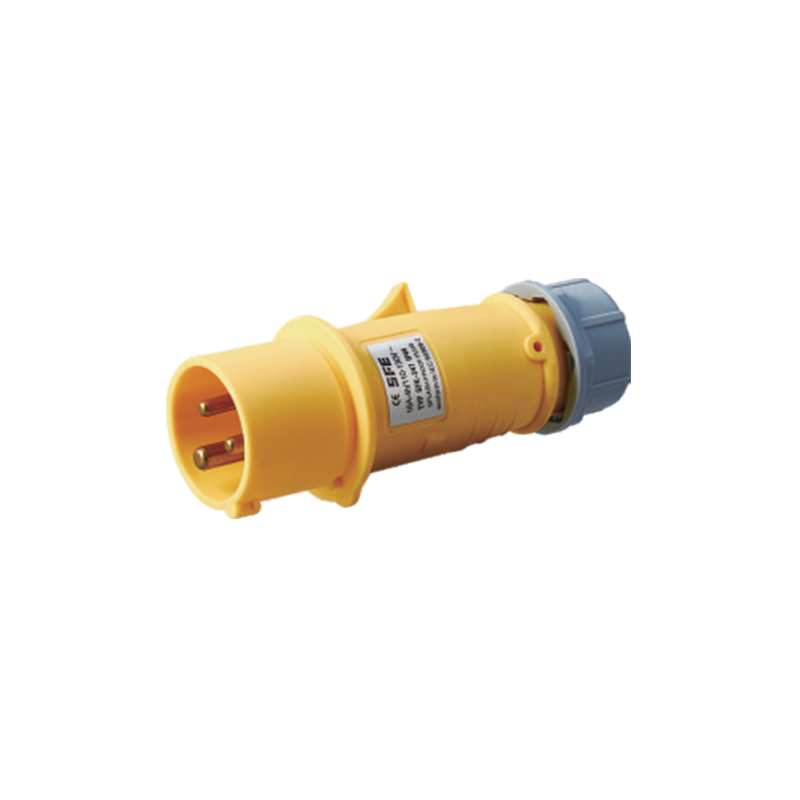
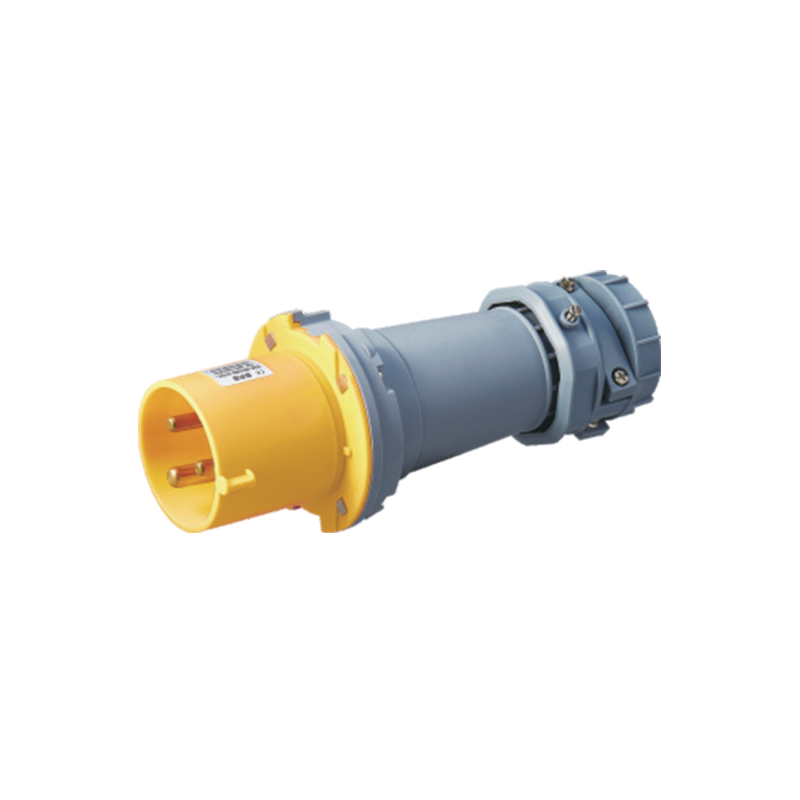
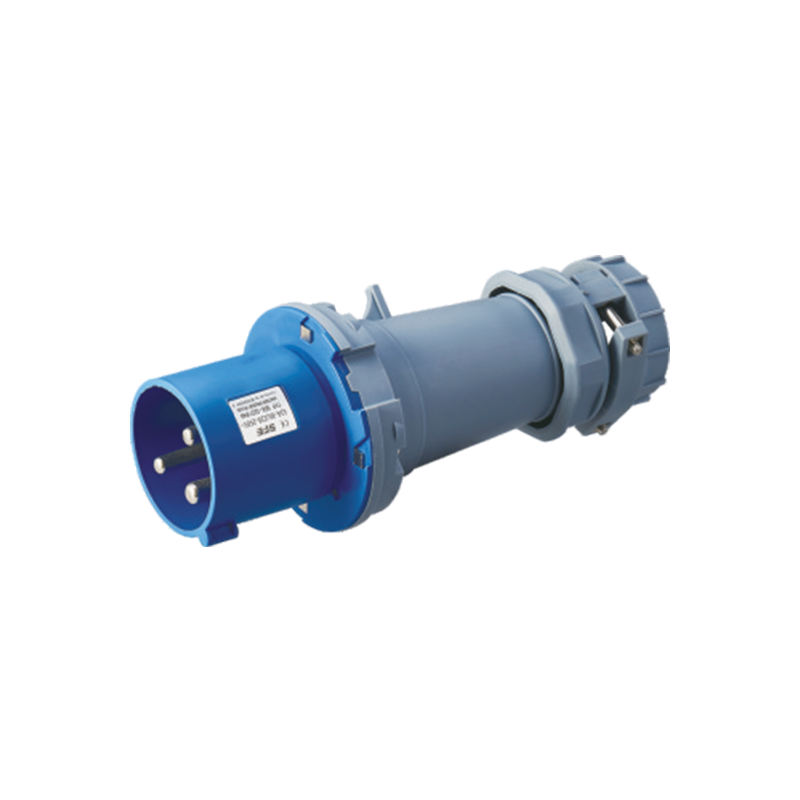
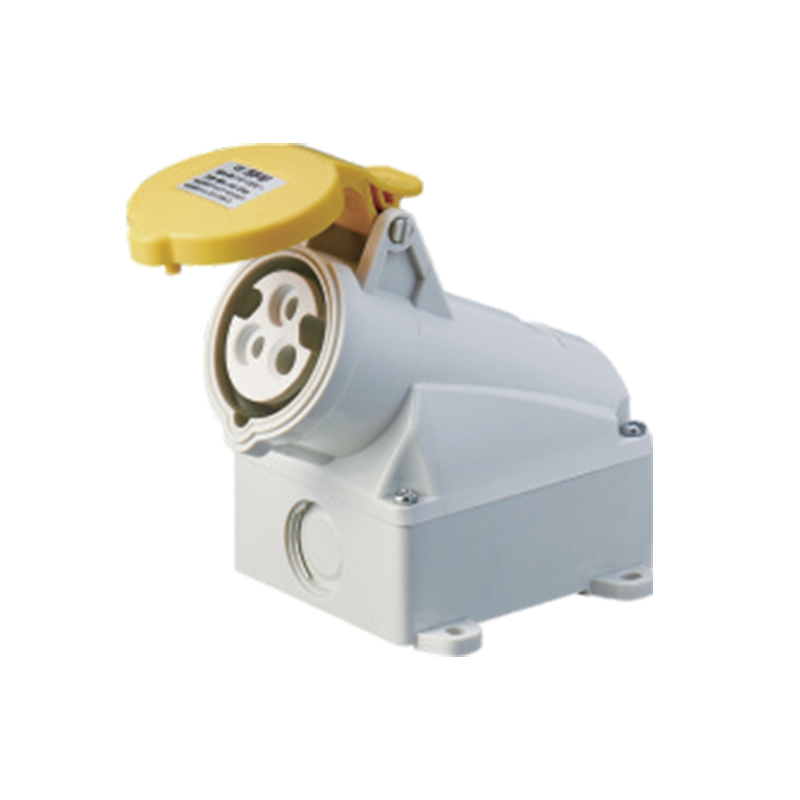
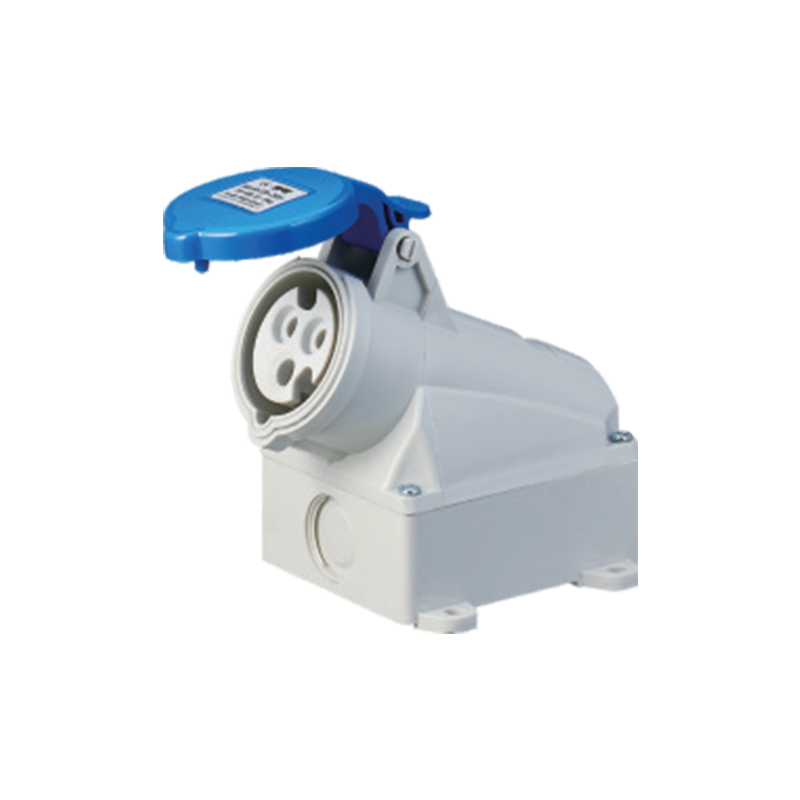
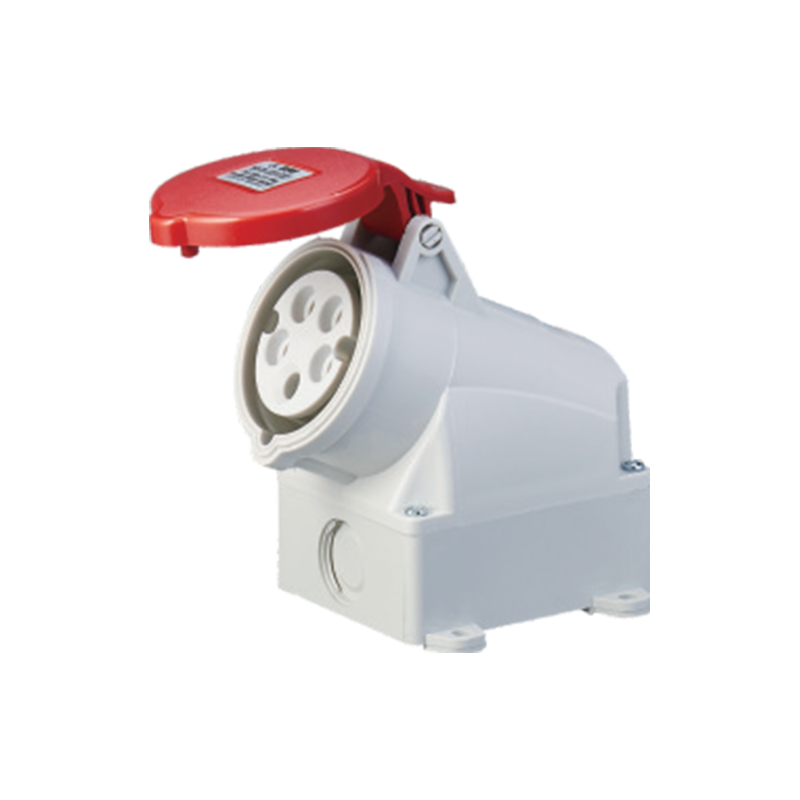
A Wall Mounted Industrial Socket and a 240V Industrial Socket are used in workshops, factories, and big work areas. They give power to heavy machines and tools. But these sockets can get old or broken over time. So you need to check them often. Checking them the right way keeps you safe. It also stops machines from breaking down. This guide shows you simple steps to look at these sockets. It tells you what to look for, what tools to use, and how to clean them. It also answers common questions.
Why You Need to Check These Sockets
These sockets carry a lot of power. A 240V Industrial Socket has more power than a normal home socket. If something goes wrong, you can get a bad shock. Or a wire can get hot and start a fire. Regular checks help you find small problems before they become big ones. You do not need to be an expert. You just need to know a few simple things. A quick look every month is a good habit.
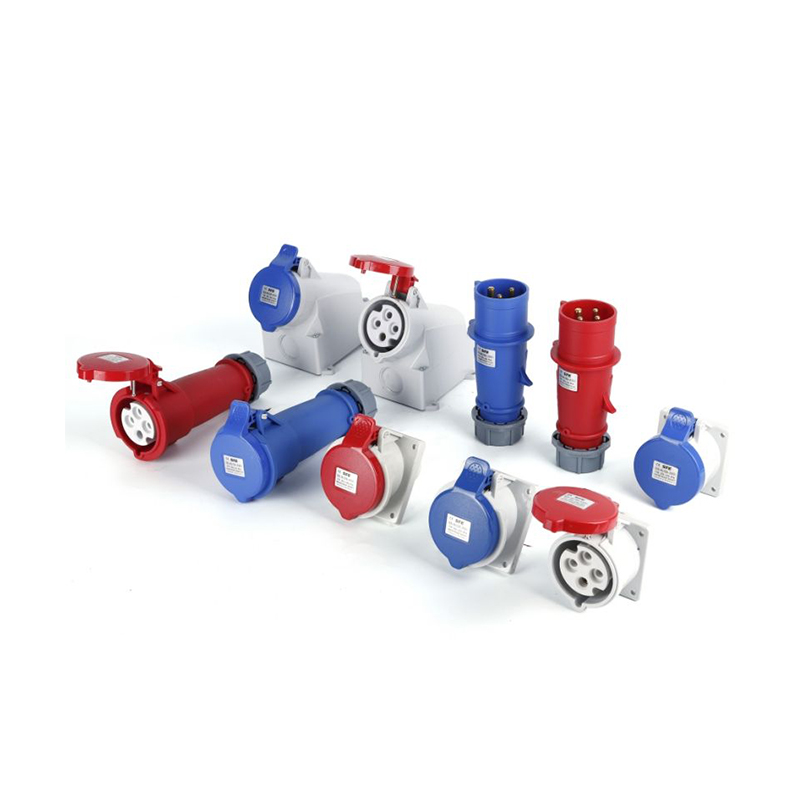
What to Look For With Your Eyes
The thing you do is look at the socket. Do not touch it yet. Just look. Check the outside case. Is it cracked? Cracks let dust and dirt get inside. Also look for color changes. A good socket has a clean white, gray, or yellow color. If you see brown or black marks, that means the socket got too hot. Heat is a bad sign. It often means a loose wire or too much load.
Next, look at the wall around the socket. Is the socket loose? Try to wiggle it very gently with your hand (but only if the power is off). A loose socket can pull on the wires inside. That makes the wires come out of their screws. So a tight socket is a safe socket. Also check the screws on the front plate. Are they missing or rusty? Rust means there is moisture. Moisture and electricity do not mix.
Look at the plug holes. Are they clean or full of dust and grease? Dirty holes stop the plug from making good contact. Also check the little shutters or covers if your socket has them. These shutters close when nothing is plugged in. They keep dirt and bugs out. Make sure the shutter moves back and forth easily. If it is stuck, clean it with a dry brush.
How to Check the Inside Parts
You need to check the metal parts inside the socket. But you must be very careful. Turn off the main power for that socket. Go to your breaker box and switch it off. Then use a non‑contact voltage tester. Hold it near the socket. If the tester does not light up or beep, the power is off. Now you are safe.
Open the socket front plate with a screwdriver. Look at the wires and metal contacts. Do you see any black or burned spots? That is bad. Also check if the metal parts look bent or worn out. Worn contacts do not hold the plug tightly. A loose plug can cause sparks and heat. So if the metal looks bad, you need a new socket.
Look at the wires. Are they firmly attached to the screws? Give each wire a little tug. It should not move. Also look at the wire insulation (the plastic cover on the wire). Is it cracked or melted? Bad insulation can cause a short circuit. Close the socket back up if everything looks good.
A Simple Checklist You Can Use
You do not need a fancy form. Just a small list on paper. Here is what you put on your list:
- Date of check
- Socket location (like “near the big saw”)
- Is the case cracked? Yes or no
- Any burn marks? Yes or no
- Is the socket tight on the wall? Yes or no
- Are the plug holes clean? Yes or no
- Voltage reading from tester
- Any action taken (for example, “cleaned dust” or “tightened screws”)
This checklist helps you do the same steps every time. It also helps if another worker needs to know the history of that socket.
Common Questions and Simple Answers
Q: How often do I need to check a Wall Mounted Industrial Socket?
A: Once a month is good. If you use it a lot, every two weeks is better.
Q: What tools do I need for a basic check?
A: You need a non‑contact voltage tester, a multimeter or plug‑in tester, a screwdriver, and a soft brush. That is all.
Q: Can I clean the socket without turning off the power?
A: No. Never clean a live socket. Turn off the power. Water or a brush can push dirt inside and cause a shock.
Q: What signs tell me to buy a new socket?
A: Big cracks, black burn marks, loose metal parts inside, or a voltage reading that is not right. Also if the plug falls out easily, get a new socket.
Q: Do I really need to write down every check?
A: Yes, it helps. You can see if the socket gets worse over time. It also helps in a safety check by your boss or an inspector.
