
 English
 Español
 中文简体
中文简体
Address: No. 199, Weiwu Road, Yueqing Economic Development Zone, Zhejiang Province, China.
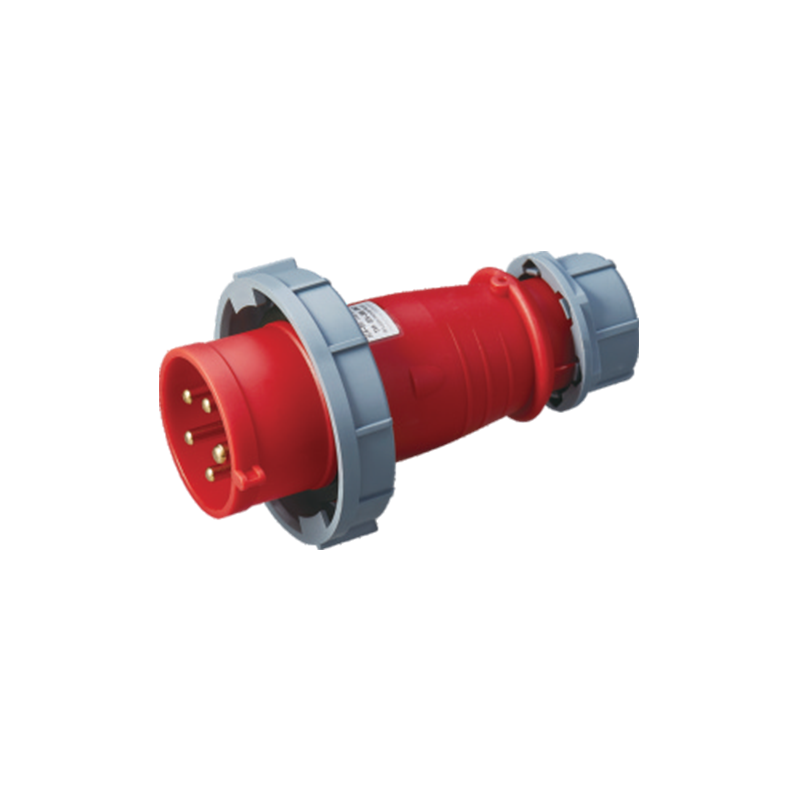
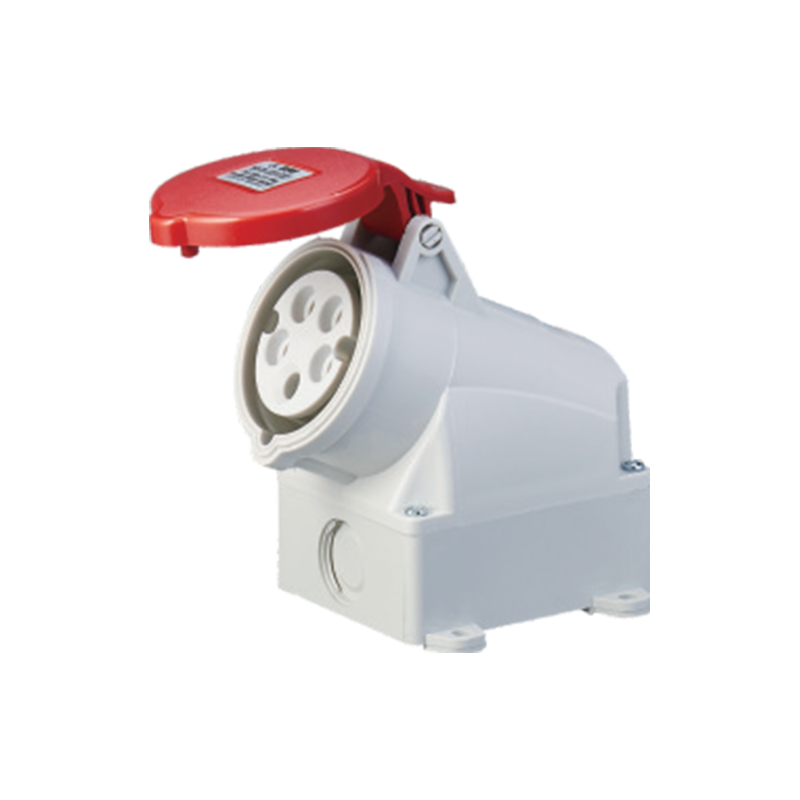
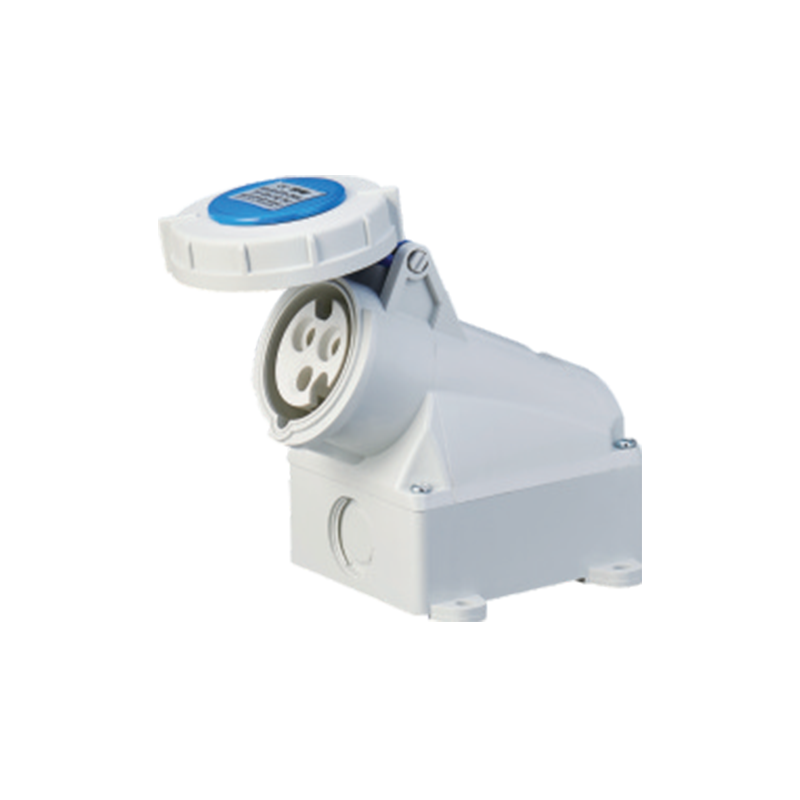
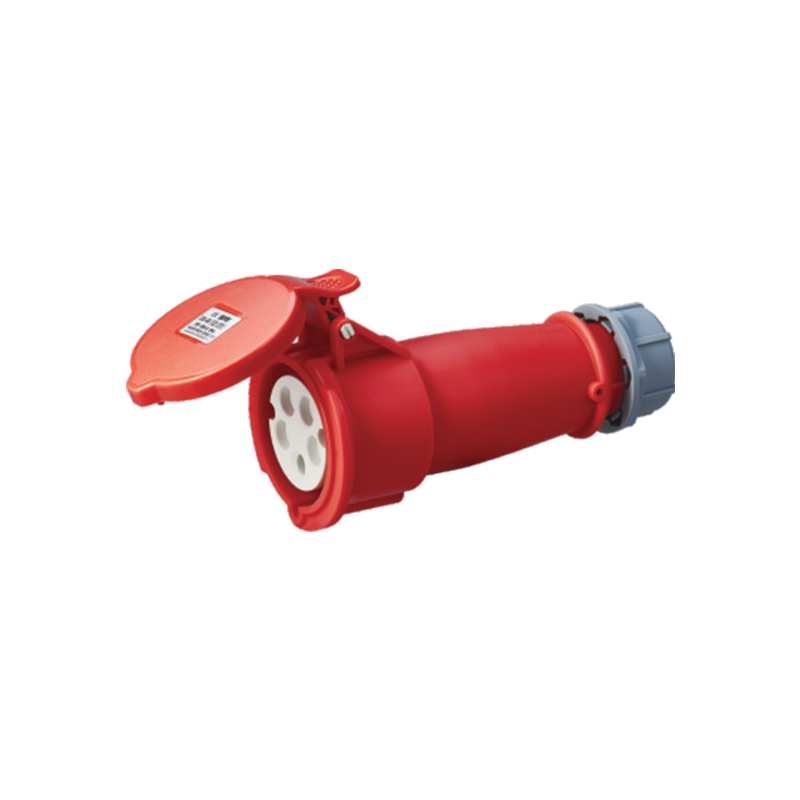
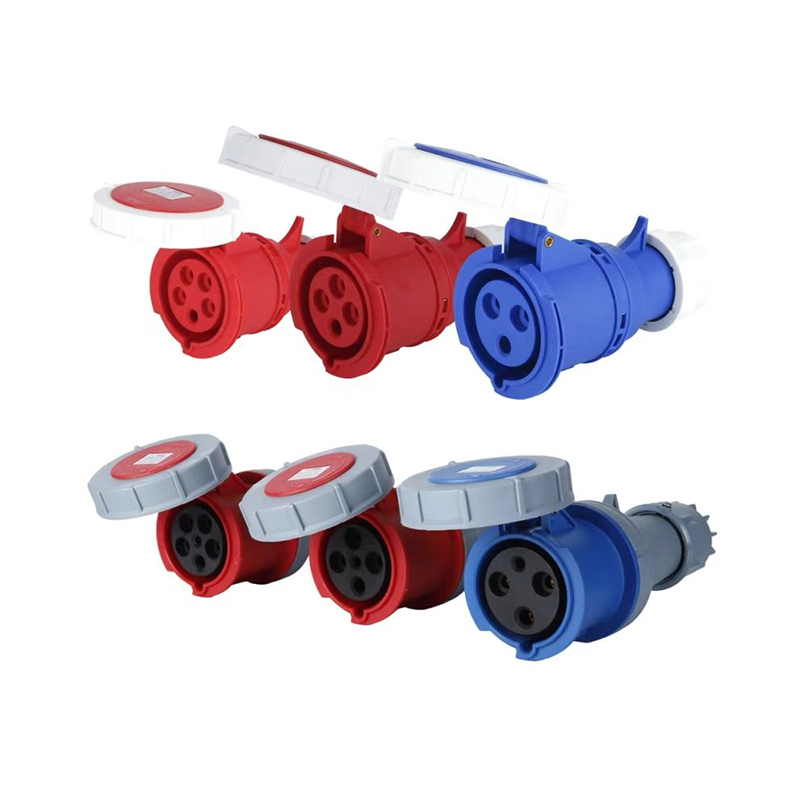
When working with industrial electrical setups, understanding the proper care of a Wall Mounted Industrial Socket and a 240V Industrial Socket is essential for safe and consistent operation. These components often handle significant electrical loads, and without appropriate maintenance, their functionality can degrade over time. This guide provides practical approaches to maintain these sockets, reduce operational issues, and extend their useful service life in industrial environments.
Regular Inspection and Cleaning Procedures
Routine inspections play a key role in identifying early signs of wear or damage. Check the socket casing for cracks, discoloration, or deformation. Loose mounting screws and terminals should be tightened to maintain proper contact. Over time, dust, grease, or other debris can accumulate on the socket surface, especially in high-traffic or industrial settings. Using a soft, dry cloth or a brush to clean the socket exterior can prevent contaminants from affecting electrical connections. Avoid using liquids that may seep into the internal components and create short circuits.
Recognizing Signs of Electrical Wear
Sockets subjected to repeated heavy use may show subtle signs of electrical wear, such as increased resistance, discoloration around the plug entry points, or unusual heat during operation. Monitoring these signs can help prevent more serious issues. If a socket appears discolored or warm to the touch during standard operation, it may require replacement or further electrical evaluation. Ensuring that connected equipment does not exceed the rated voltage of 240V is essential to prevent stress on internal contacts.
Safe Handling Practices
Consistent handling procedures contribute to the service life of both wall-mounted and portable industrial sockets. Avoid yanking cords from the socket and always pull plugs straight out. Disconnect equipment from the power source before performing maintenance to reduce the risk of electrical shock. While handling, ensure that hands are dry and that the surrounding area is free from liquids or conuctive materials.
Environmental Considerations for Installation
The installation location of a Wall Mounted Industrial Socket affects its durability. Sockets installed in areas with high humidity, dust, or temperature variations may experience faster wear. Using covers or protective housings can reduce exposure to environmental factors. Keep the surrounding area organized and free from obstacles that could accidentally impact the socket. Proper mounting at a secure height and avoiding contact with corrosive materials can prevent structural and electrical damage.
Routine Load Management
Even if a socket appears intact, overloading can cause overheating and reduced component life. Check that the connected devices align with the socket's voltage and current ratings. If multiple devices are connected simultaneously, ensure that their combined load does not exceed the recommended limit for a 240V Industrial Socket. Periodic assessment of electrical load distribution can prevent premature deterioration of the socket contacts.
Replacement and Upgrade Guidelines
When maintenance identifies components that show significant wear, replacement is preferable to continued use. Keep compatible spare sockets and terminals available to reduce downtime. During replacement, verify that the new socket matches the rated voltage and mounting requirements. Upgrading to sockets with additional protective features, such as built-in covers or reinforced terminals, can provide extended usability without changing the core installation requirements.
FAQ: Practical Guidance on Industrial Socket Care
Q1: How often should industrial sockets be inspected?
Regular inspections every three to six months are suggested, depending on usage frequency and environmental conditions.
Q2: Can I use water or cleaning solutions on the socket?
It is safer to use dry or slightly damp cloths. Avoid any liquid that could enter the internal components.
Q3: What are common causes of socket overheating?
Overloading, loose connections, or damaged contacts are typical reasons for sockets heating during use.
Q4: Are there protective covers for wall-mounted sockets?
Yes, protective covers can reduce dust and moisture exposure, which helps maintain socket functionality.
Q5: What should I do if the socket feels warm during operation?
Disconnect equipment immediately, inspect for loose or damaged connections, and replace the socket if necessary.
Q6: Can frequent plugging and unplugging damage the socket?
Repeated use can gradually wear contacts. Handle plugs carefully and avoid forceful insertion or removal to reduce wear.
