
 English
 Español
 中文简体
中文简体
Address: No. 199, Weiwu Road, Yueqing Economic Development Zone, Zhejiang Province, China.
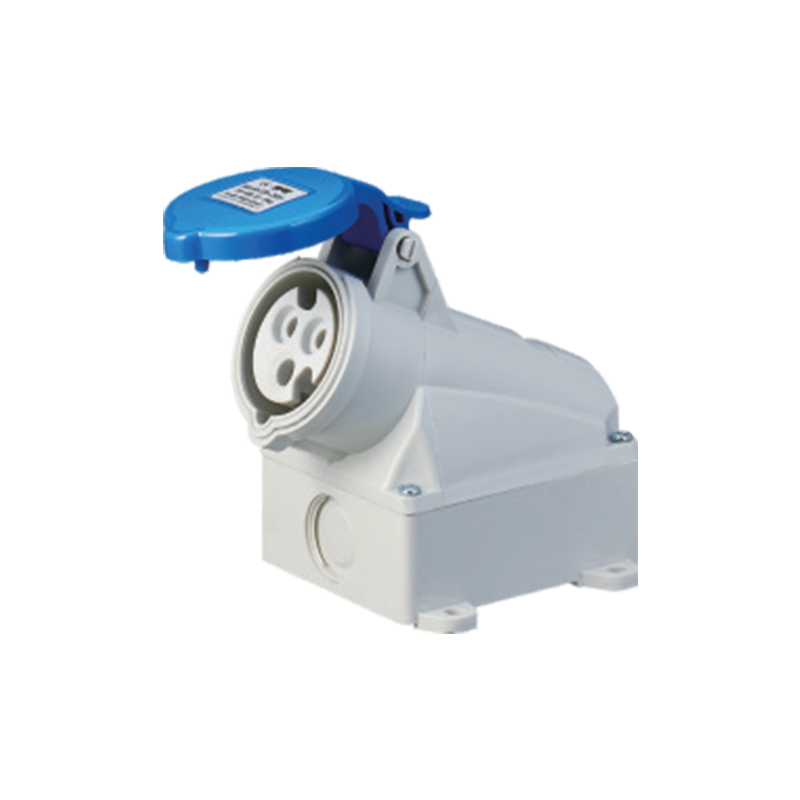
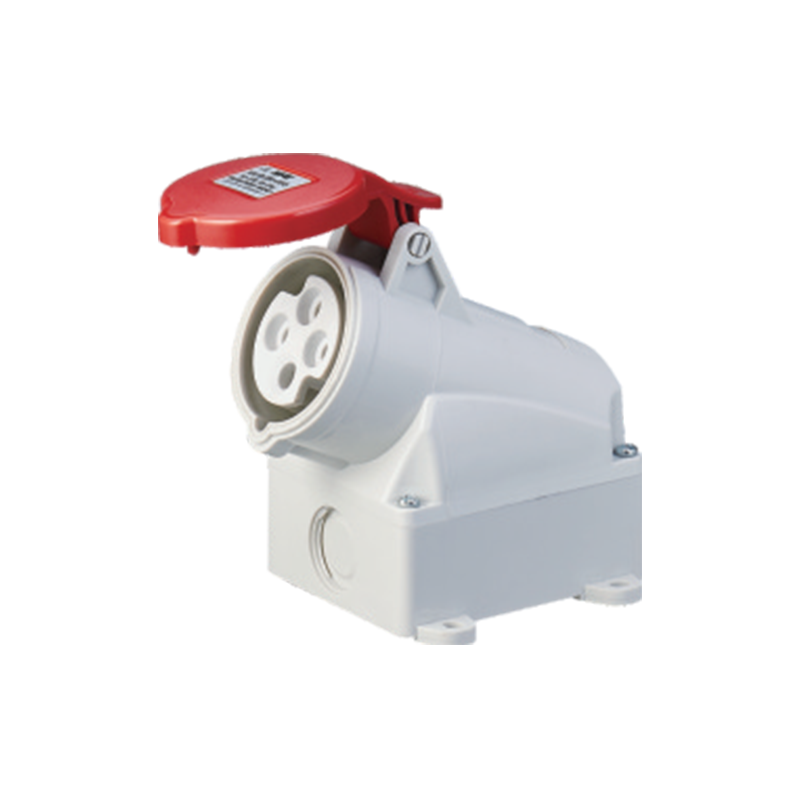
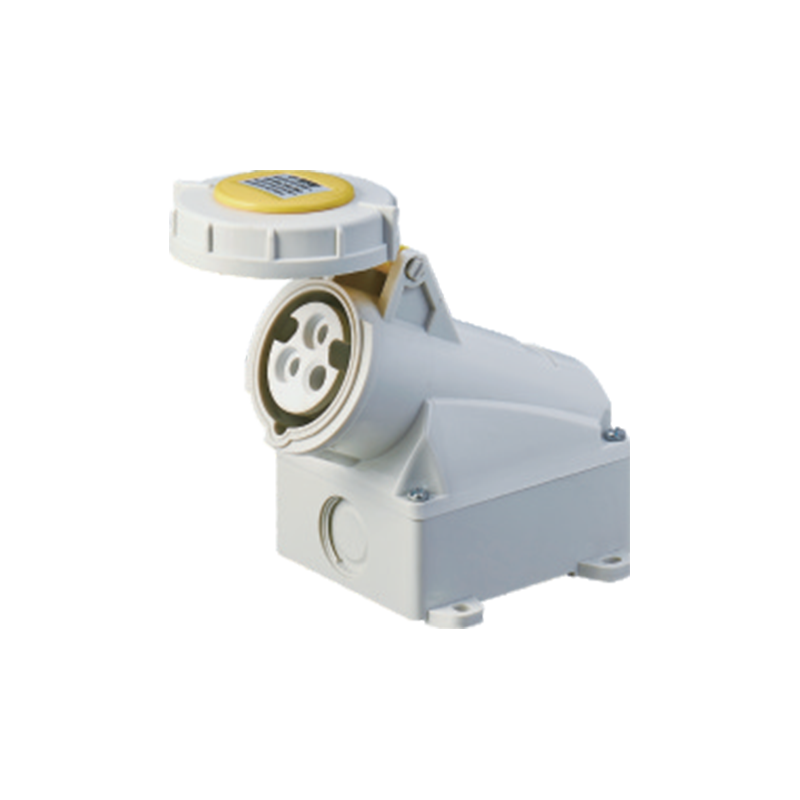
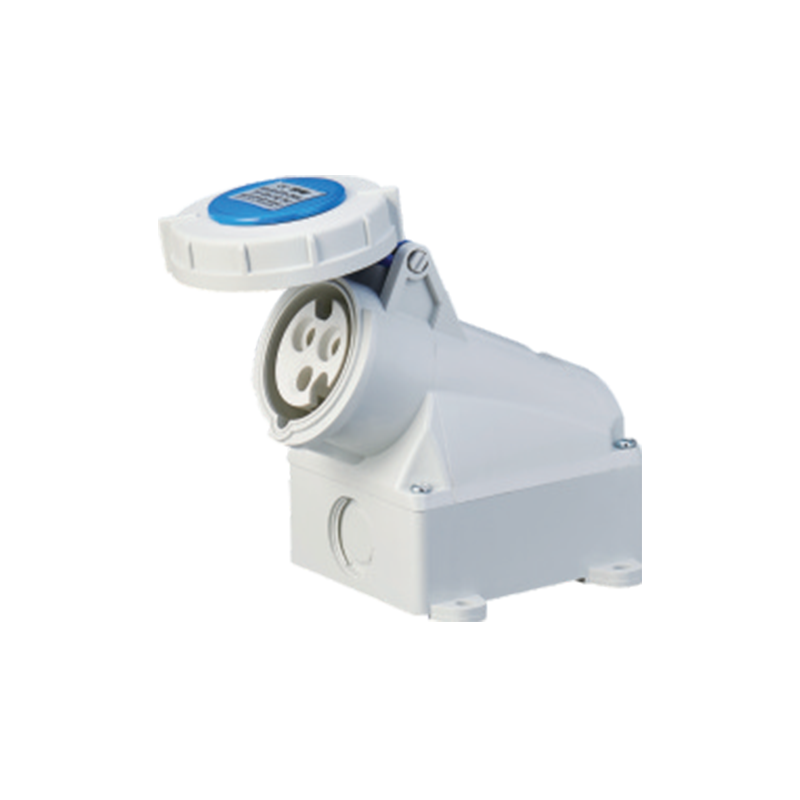
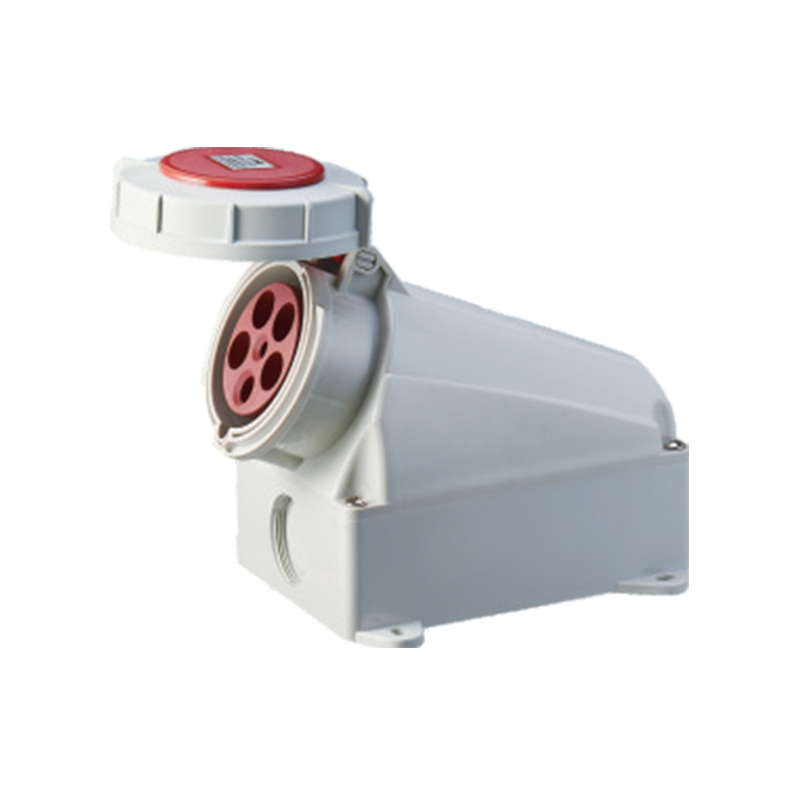
Wall Mounted Industrial Sockets and 240V Industrial Sockets are very common in workshops, factories, and big shops. People use them to run heavy machines and tools. These sockets are strong and safe if you handle them the right way. But you need to know what to do before you start. This guide talks about how to pick the right spot, how to put the socket in, and how to keep it working well for a long time.
Things to Think About Before You Start
You cannot just put a socket anywhere. You need to check a few things first. The important thing is the power supply. A 240V Industrial Socket is made for big tools that need a lot of power. If your tool needs a different voltage, do not use this socket. That can break your tool or start a fire. So always look at the tool's label first.
Next, look at the wall where you want to put the socket. Pick a dry place. The wall should be easy to reach. You do not want to put it near water pipes or a heater. Water and heat are bad for electrical things. Also, make sure there is enough space around the socket so you can plug and unplug things without trouble.
Then check the wires inside the wall. Old or thin wires can get too hot. You need wires that can handle the power of a 240V socket. Look at the wires for any cracks, cuts, or worn spots. If the wires look bad, do not use them. Get new wires or ask an electrician for help. Good wires stop the socket from overheating.
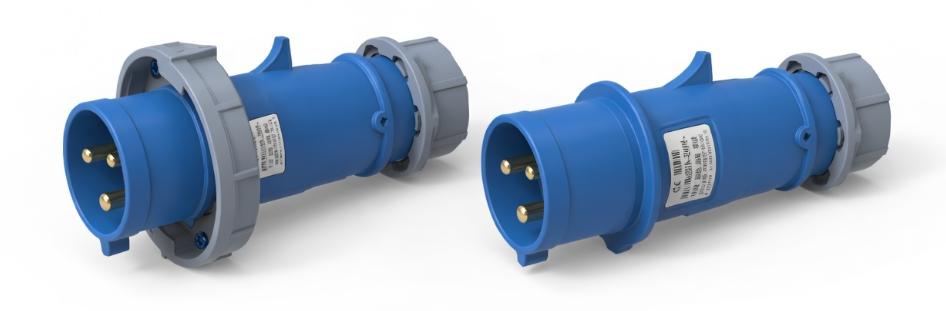
How to Put the Socket on the Wall
Putting a Wall Mounted Industrial Socket in place is not very hard, but you must be careful. The important rule is to turn off the main power. Go to your breaker box and switch off the power for that room. Then use a voltage tester to make sure there is no electricity in the wires. This keeps you safe from shocks.
Now you can mount the socket. Use strong screws and wall anchors. If your wall is made of concrete or brick, you need a drill and special anchors. The socket must be tight on the wall. A loose socket can move around, and that can break the wires inside. So push the socket flat against the wall and screw it in well.
After that, connect the wires. You will see three wires: live (usually brown or red), neutral (blue or black), and ground (green or yellow). Follow the instructions that came with your socket. Put each wire into the right hole. Do not push too hard. If you force a wire, you might break the small metal part inside. That can cause a loose connection. Loose wires make sparks and heat. So push gently and then tighten the screw on each wire.
When all wires are in place, check them again. Pull each wire a little to see if it stays put. A good connection does not move. Also make sure the live and neutral are not swapped. Swapped wires can make the socket work wrong, and it can be dangerous.
Now turn the power back on. Use a simple voltage tester or a plug-in tester to see if the socket works. The tester should light up the right way. If the tester shows a problem, turn off the power and check your wires again.
Common Questions and Simple Answers
Q: Can I put in a wall-mounted industrial socket by myself?
A: Yes, if you know basic electrical work. But for a 240V socket, it is safer to call an electrician. Shocks from 240V can hurt you a lot.
Q: What tools do I need?
A: You need a screwdriver, a wire stripper, a voltage tester, and maybe a drill for concrete walls. Also, get screws and wall anchors.
Q: How often do I check these sockets?
A: At least two times a year. If the socket gets heavy daily use, check it every three months. Look for heat, cracks, or loose screws.
Q: Can I put one outside?
A: Only if the box says “weatherproof” or “outdoor.” Many wall mounted types are for inside only.
Q: The socket feels warm. What do I do?
A: Turn off the power right away. Do not use it. Warm means something is wrong, like a loose wire or too much load. Check it or call an electrician.
Q: Do I need a ground wire?
A: Yes, always. The ground wire is for safety. If a fault happens, the ground wire takes the dangerous electricity away from you. So never skip the ground.
