
 English
 Español
 中文简体
中文简体
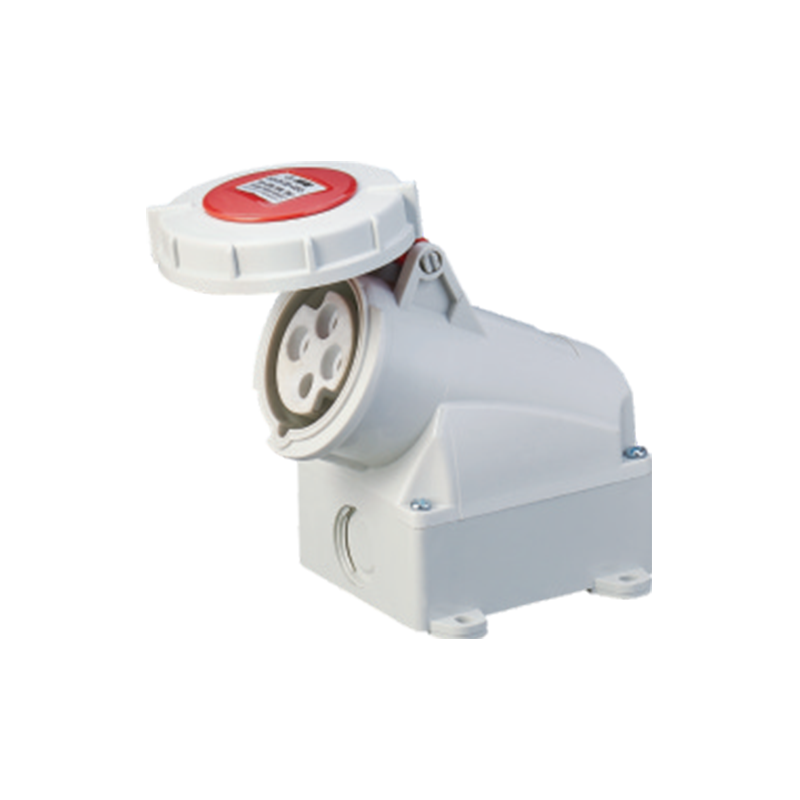
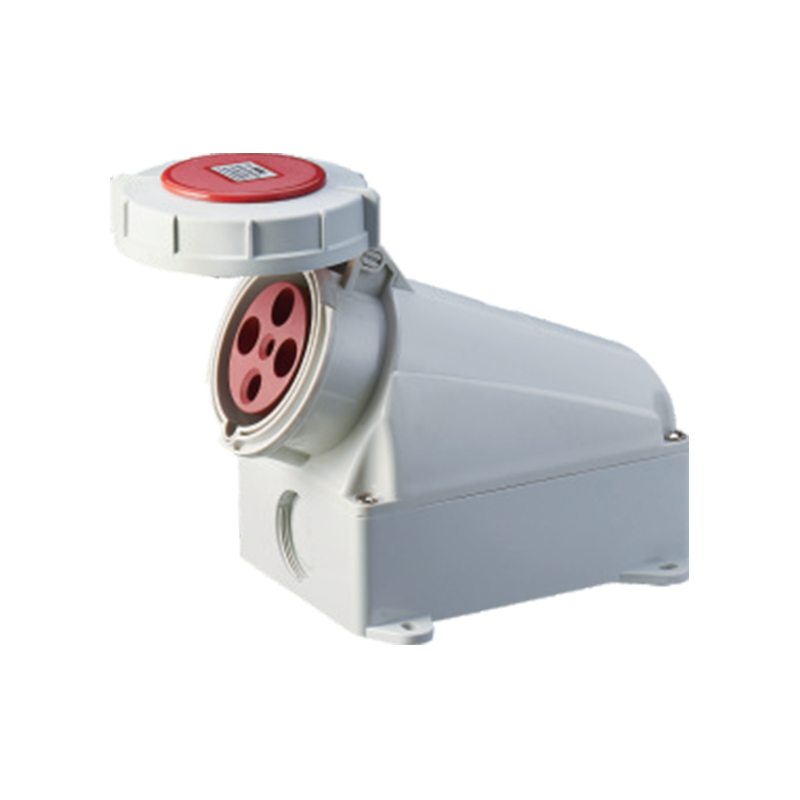
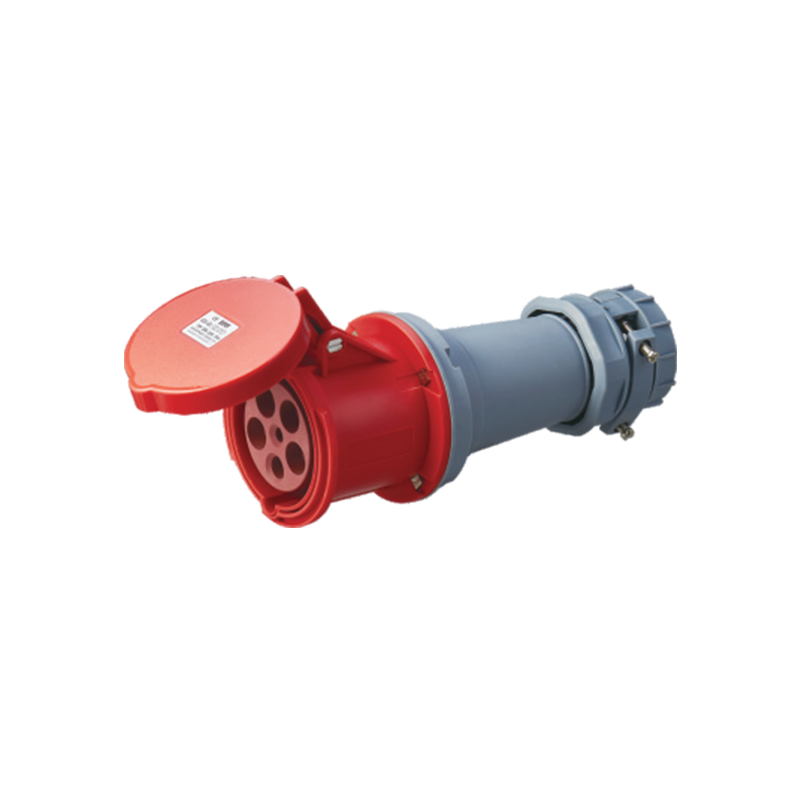
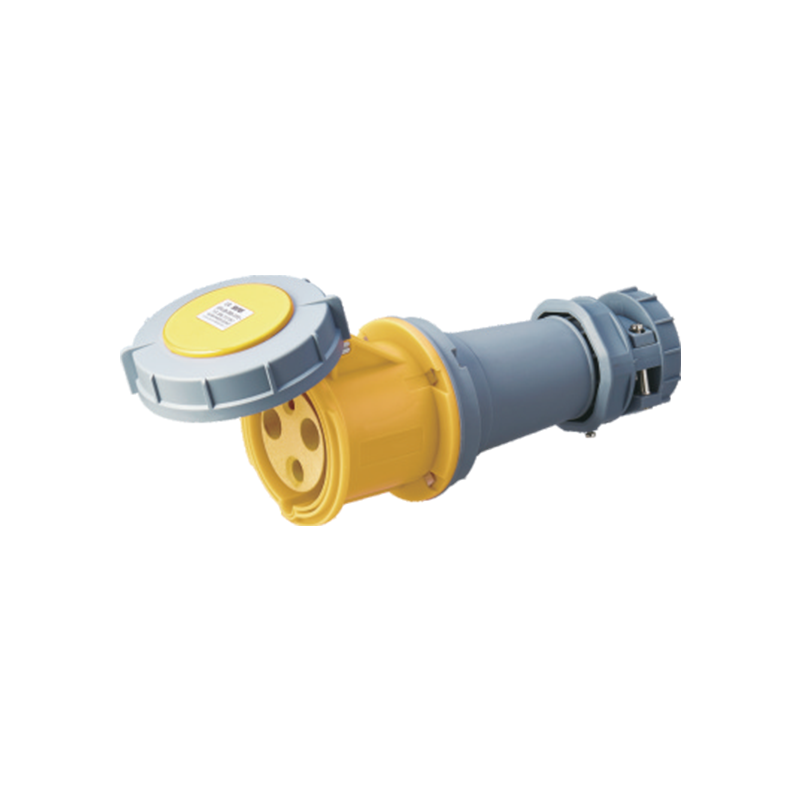
Address: No. 199, Weiwu Road, Yueqing Economic Development Zone, Zhejiang Province, China.
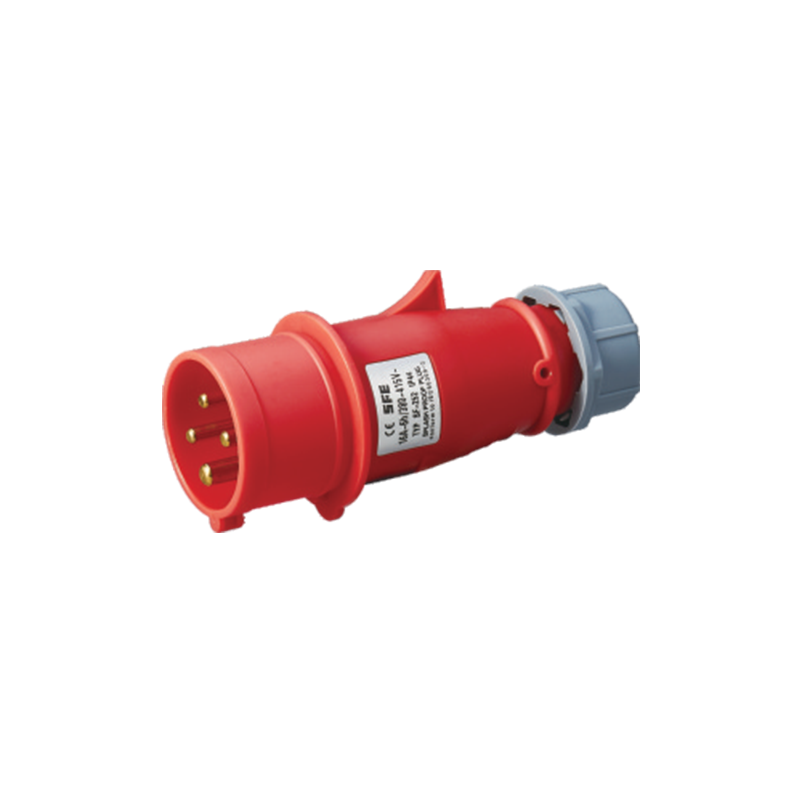
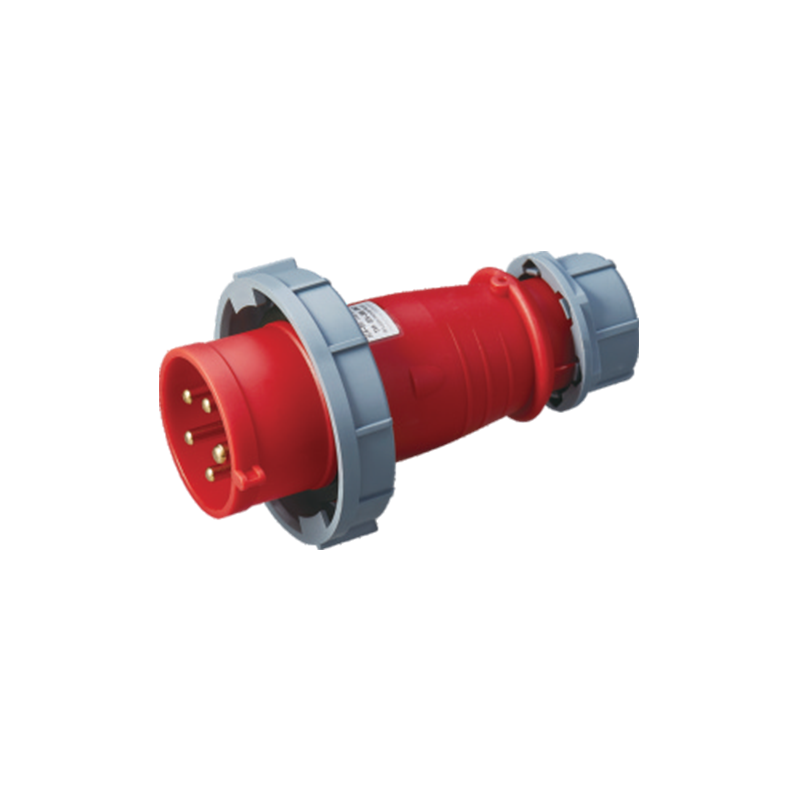
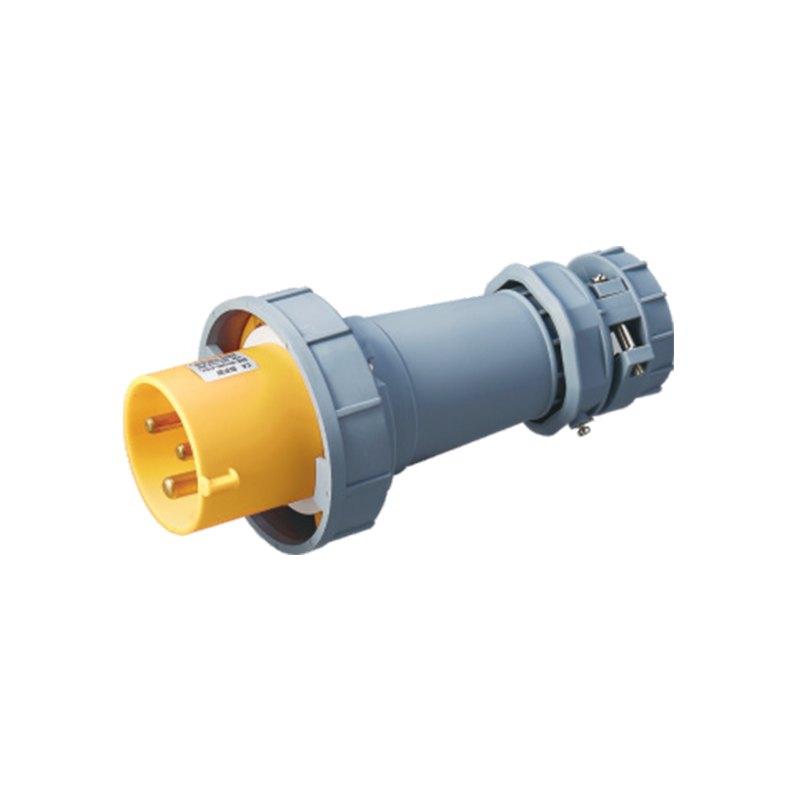
After a big storm, a flood, an earthquake, or a major power grid failure, getting electricity back up and running is one of many urgent jobs. Hospitals need power for life support. Shelters need lights and heat. Water pumps need to run so people have clean water. Communication towers need power so people can call for help. All of this depends on temporary power setups. Big generators are brought in. Cables are run across wet ground. Panels are set up in the mud. In these situations, the small parts matter just as much as the big generator. Connection parts like Industrial Plugs and the 3 Phase Industrial Plug play a real role in making these temporary electrical networks work. They help crews set things up fast. They help keep everything safe. And they help keep the power flowing steadily under tough conditions.
Disaster recovery is not like a normal job site. The situation is often chaotic. The weather is bad. The ground is unstable. The people working are under huge pressure to get things running now. There is no time for mistakes. In these moments, having a structured, plug-based system for power distribution brings a lot of clarity and control.
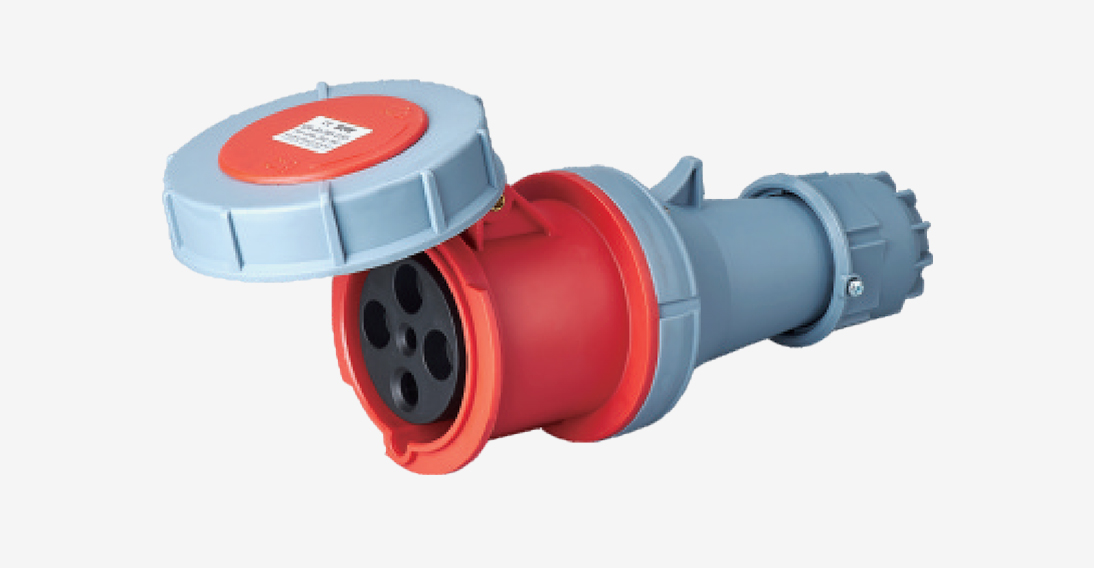
Getting Power Set Up Fast When Time is Short
Emergency teams do not have hours to waste. A hospital might need backup power in minutes. An evacuation shelter needs lights and ventilation right away. Generators get trucked in, but someone has to connect them safely to the building's electrical system or directly to the equipment that needs power. This is where standard plugs make a huge difference.
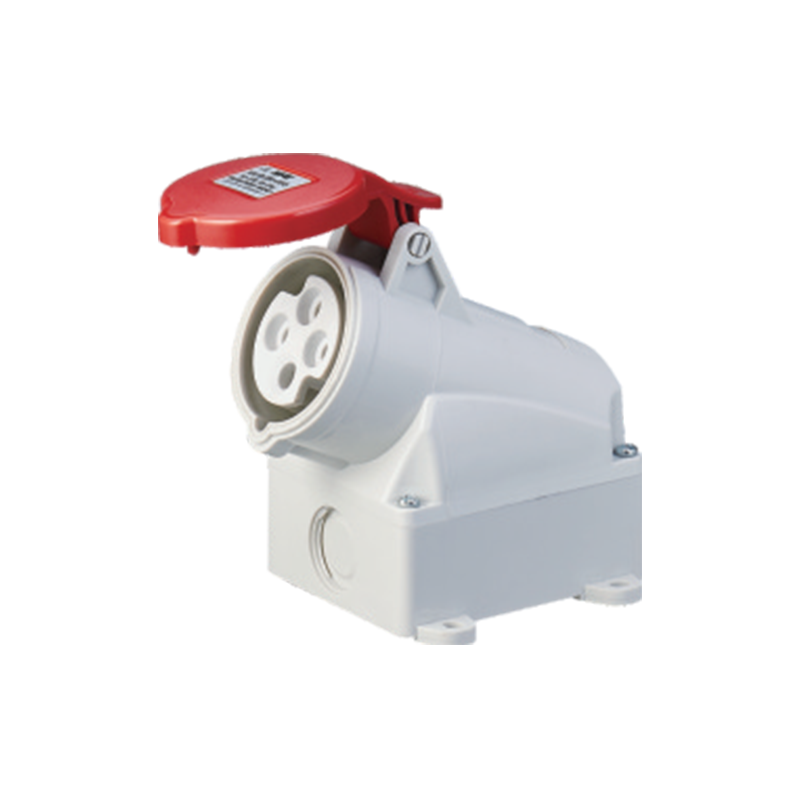
If generators and distribution panels come with matching industrial sockets and plugs already installed, the connection job is much faster. The worker checks that the circuit is off and the ground is good. Then they just plug it in. There is no need to strip wires, terminate cables inside a panel, or figure out where each wire goes. It is simple and quick.
Three-phase plugs are especially important here. Many of the big loads in a disaster zone run on three-phase power. Things like mobile medical units with X-ray machines. Big refrigeration containers for storing vaccines and medicine. Water purification systems. Heavy communication gear. A 3 Phase Industrial Plug keeps the phases lined up right.
Staying Safe When Conditions are Dangerous
Disaster sites are dangerous places. There might be standing water everywhere. The ground is muddy and uneven. There is debris and damaged buildings all around. Electrical safety is a huge worry in these conditions. If people just jury-rig connections with exposed wires, someone is going to get hurt. There is a high risk of short circuits, shocks, and fires.
Industrial plugs are built to be safe in these situations. They have insulated housings made of tough plastic or rubber. You cannot touch the live parts. The ground pin is designed to connect, before the power pins, so the equipment is safe as soon as you plug it in. Many plugs have locking rings or clips. This stops the plug from getting pulled out by accident if someone trips on the cable or a generator shakes. That is really important when power is going to something critical like a life support machine.
The plugs also have clear markings. They are color-coded for different voltages. The current rating is stamped on them. This helps the workers on site make sure they are plugging the right cable into the right socket. When multiple generators are running, this cuts down on confusion.
Handling Big Power Loads During Recovery
Temporary power is not just for a few light bulbs. Disaster response needs serious power capacity. Think about the pumps moving water out of a flooded area. Think about the air conditioning units in a shelter packed with people. Think about the refrigerated trucks full of food and medical supplies. Think about the charging stations for all the radio and communication gear.
All of these loads add up. A 3 Phase Industrial Plug is made to handle this kind of high demand. By spreading the current across three wires, it takes the load off any single conductor. This keeps the cables cooler. It also helps motors and pumps run more smoothly because the power delivery is more balanced.
Using structured three-phase plugs to connect that power to distribution panels keeps everything organized. You can run multiple loads off one generator through a temporary sub-panel with several industrial sockets. This makes it easier to manage power across different parts of the response zone.
