
 English
 Español
 中文简体
中文简体

Address: No. 199, Weiwu Road, Yueqing Economic Development Zone, Zhejiang Province, China.
Grounding electrical outlets forms a basic yet frequently overlooked part of electrical safety. Problems usually stay hidden until something goes wrong. The grounding connection protects people along with equipment whenever faults occur and delivers essential protection across homes offices factories alike. This discussion focuses on why grounding matters so much particularly when dealing with industrial electrical sockets and industrial multi sockets.
Grounding means linking electrical circuits directly to earth which acts as a stable voltage reference. Excess current whether caused by a short or a lightning hit flows harmlessly into the ground instead of through people or devices. Outlets equipped with grounding create a safe escape route for fault currents thereby lowering the chance of shocks and damage to machinery.
Industrial workplaces demand even stricter attention to grounding. Heavy equipment runs constantly there and workers stay close to live systems day after day. Ungrounded setups invite serious hazards including shocks fires and sudden breakdowns. Properly grounded industrial sockets direct stray currents away from bodies and delicate components especially in zones full of vibration moisture or dust where faults appear more often because of wear.
Regulations set clear rules for grounding in electrical work. The National Electrical Code in the US for instance spells out exact requirements that installations must meet. Following those rules keeps workplaces safer. Inspectors look closely at grounding during checks and violations bring heavy fines or shutdowns. Companies therefore treat grounding as a core responsibility to shield staff and sidestep legal trouble.
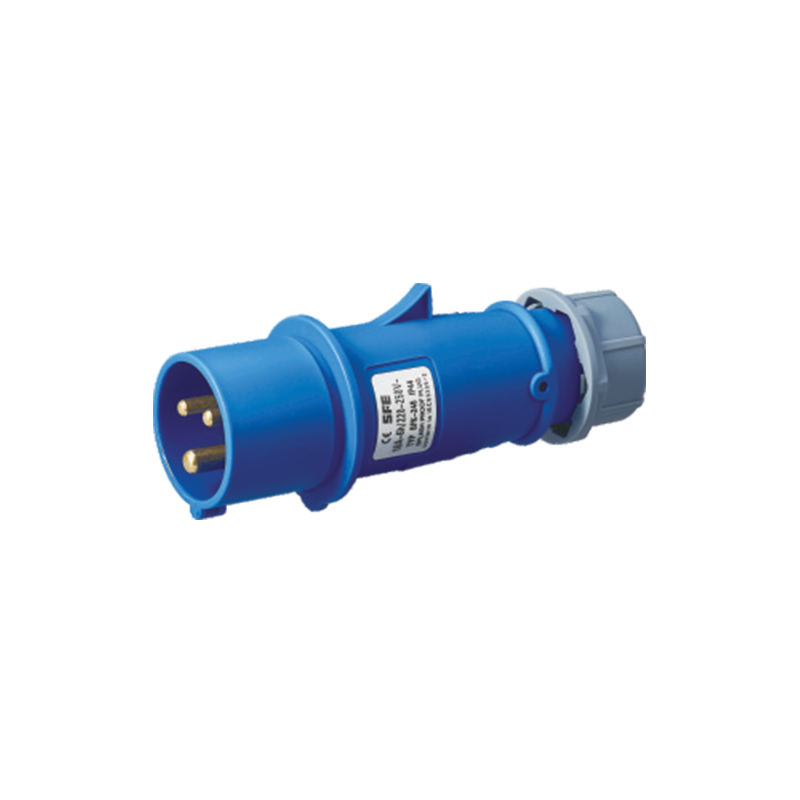
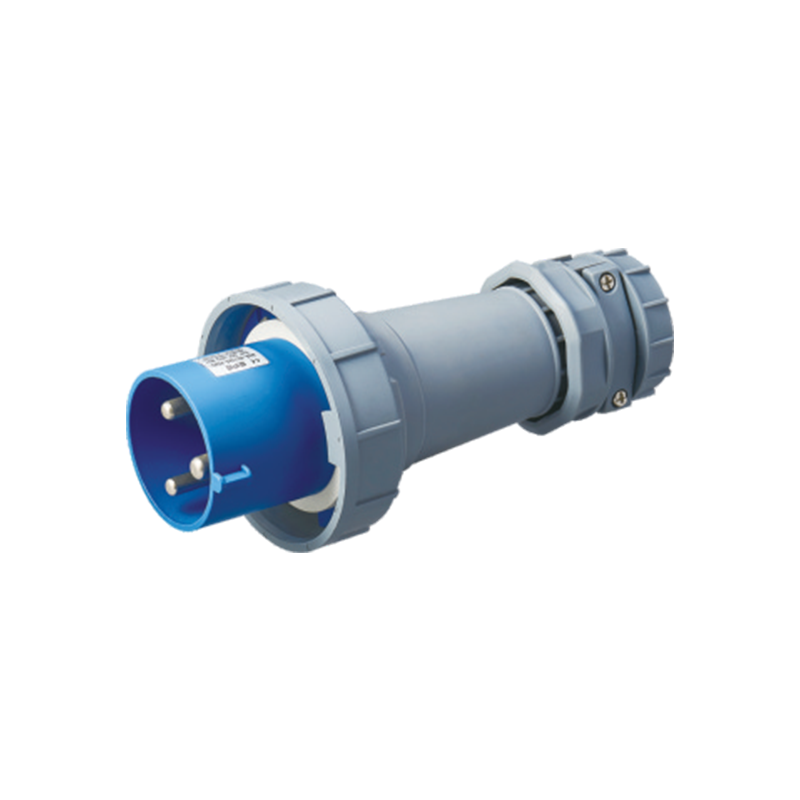
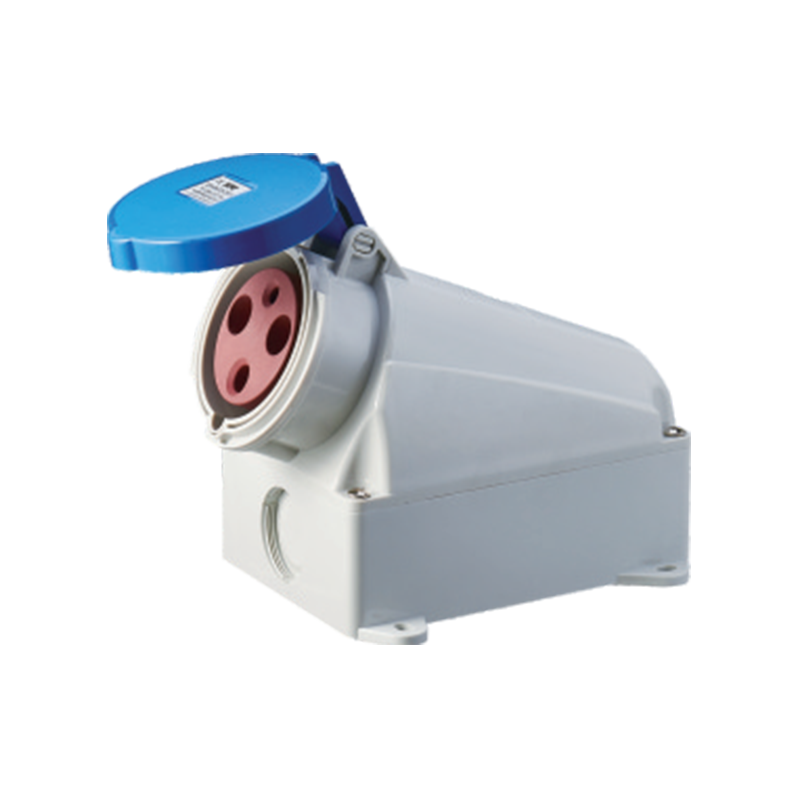
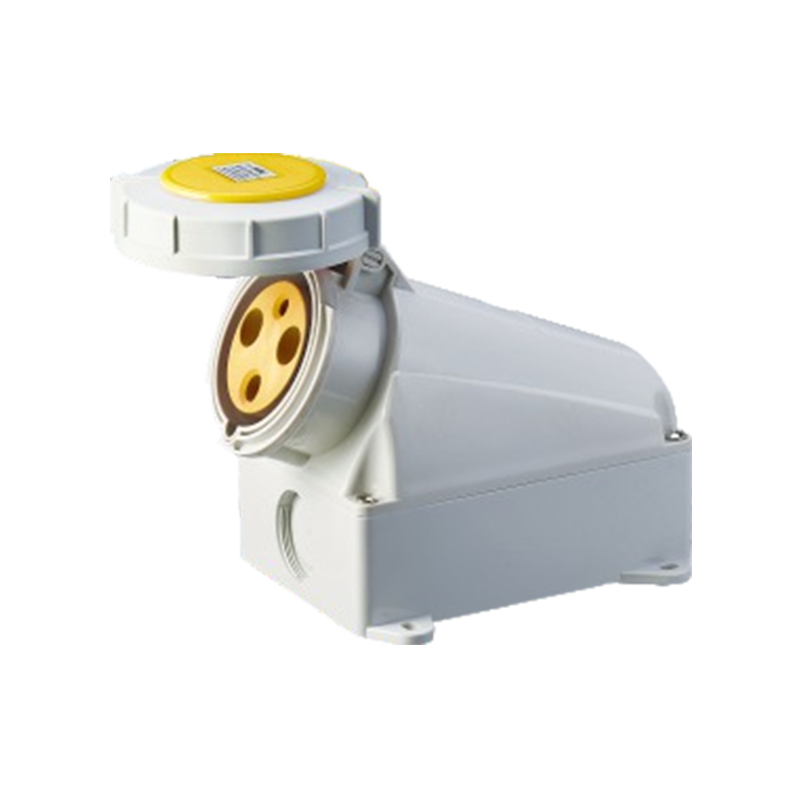
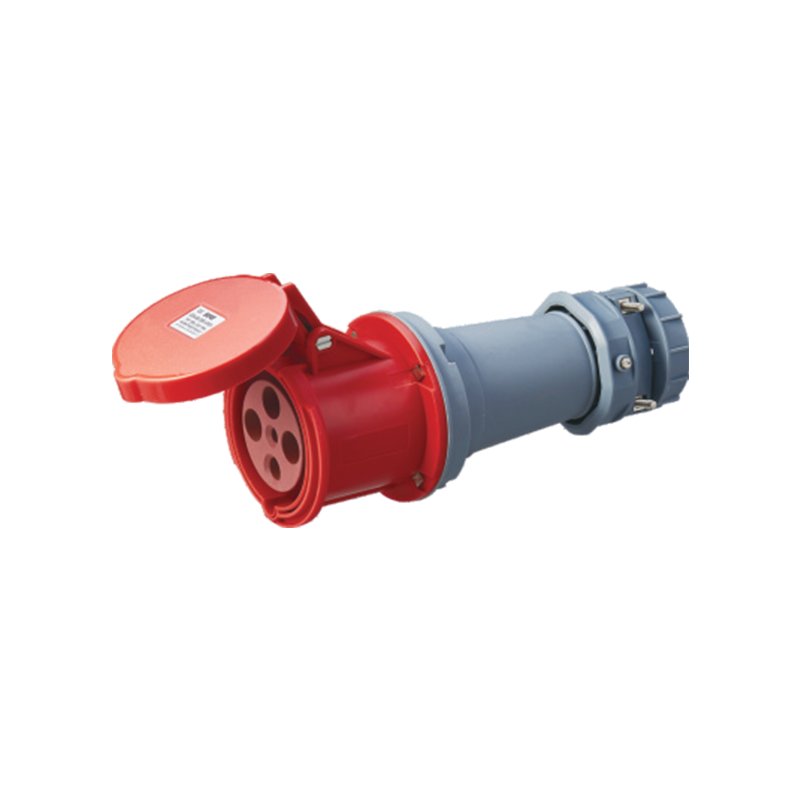
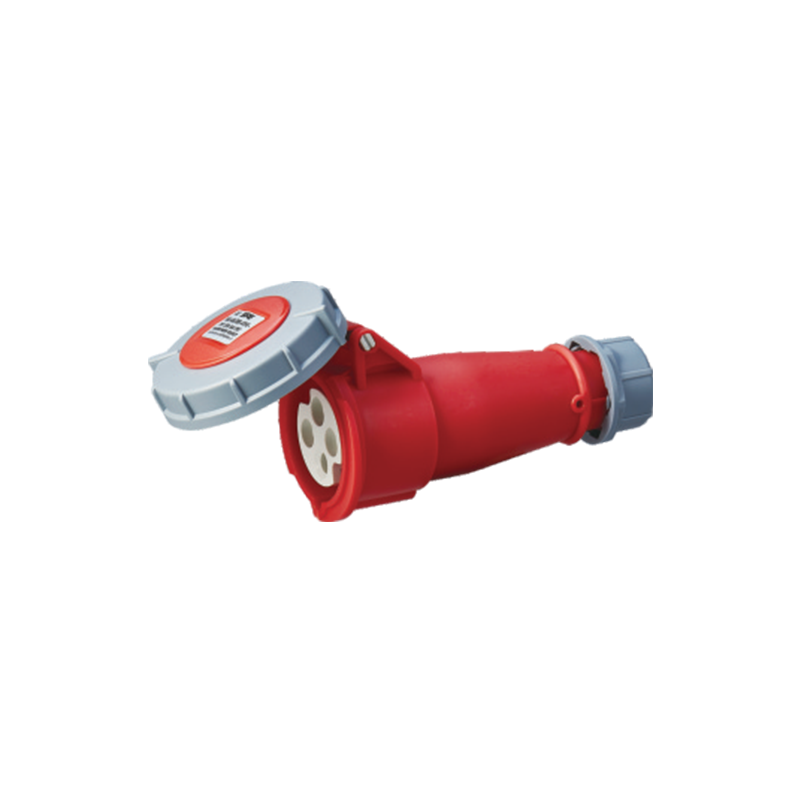
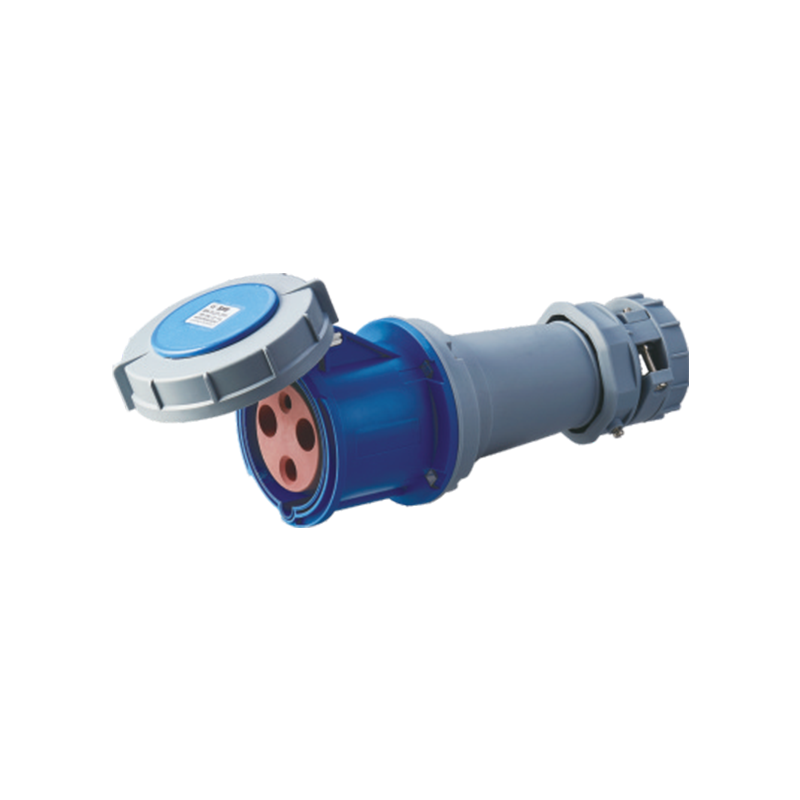
Industrial sockets usually come built tougher to manage large loads and survive rough conditions while still providing solid grounding. Multi-socket versions extend that benefit by supplying several grounded outlets in a single sturdy unit. Such designs suit sites where numerous tools or machines run at once. They boost workflow without sacrificing protection provided the grounding stays intact and no overload happens.
Beyond keeping people safe grounding also shields equipment. Industrial machines often react badly to voltage spikes or unstable power. A good ground connection helps steady the system and cuts down on surge-related harm. Well-grounded setups experience far fewer breakdowns or fire risks which translates to lower repair bills less idle time and smoother production overall. Spending on reliable grounded infrastructure extends the working life of costly gear.
Certain warning signs point to weak or missing grounding. Circuit breakers trip repeatedly lights flicker when devices start up people feel mild shocks from touching appliances or plugs show scorch marks and melting. Those clues call for immediate checks on the grounding setup. Routine inspections catch problems early before they grow into major incidents.
Grounding electrical outlets remains essential for protecting lives and assets especially inside demanding industrial spaces. Industrial sockets and multi-socket units deliver safe power distribution when grounding receives proper attention. Businesses reduce hazards and strengthen reliability by sticking to established codes performing regular inspections and treating grounding as a deliberate investment in workplace security and long-term efficiency.
