
 English
 Español
 中文简体
中文简体


Address: No. 199, Weiwu Road, Yueqing Economic Development Zone, Zhejiang Province, China.
Things are moving fast in tech these days, and the way we handle electricity use is getting a real shake-up. Smart plugs sit right in the middle of it all. They're simple little gadgets that plug into your regular outlet and let you boss around whatever's plugged into them—from your phone or even your voice. More importantly, they give you a clear picture of what's actually eating up your power, so you can make smarter calls instead of just guessing.
Why Smart Plugs Caught On So Quickly
These things are tiny, but they pack a punch. Hook one up, download the app, and suddenly you can turn lights, fans, heaters, or that coffee maker on and off from anywhere. People love the automation part—set your lamp to come on at dusk or kill the space heater after you leave for work. With energy prices climbing and everyone trying to cut their carbon footprint a little, smart plugs have become pretty popular for anyone wanting to save money without a ton of hassle.
The real game-changer is the energy monitoring. You can see exactly which devices are power hogs. I remember checking mine and realizing the old space heater was pulling way more juice than I thought during those cold mornings. Once I saw the numbers, it was easy to shift it to off-peak hours or just use it less. Small tweak, but it adds up on the bill and helps the planet a bit.
Taking It to Industrial Spaces
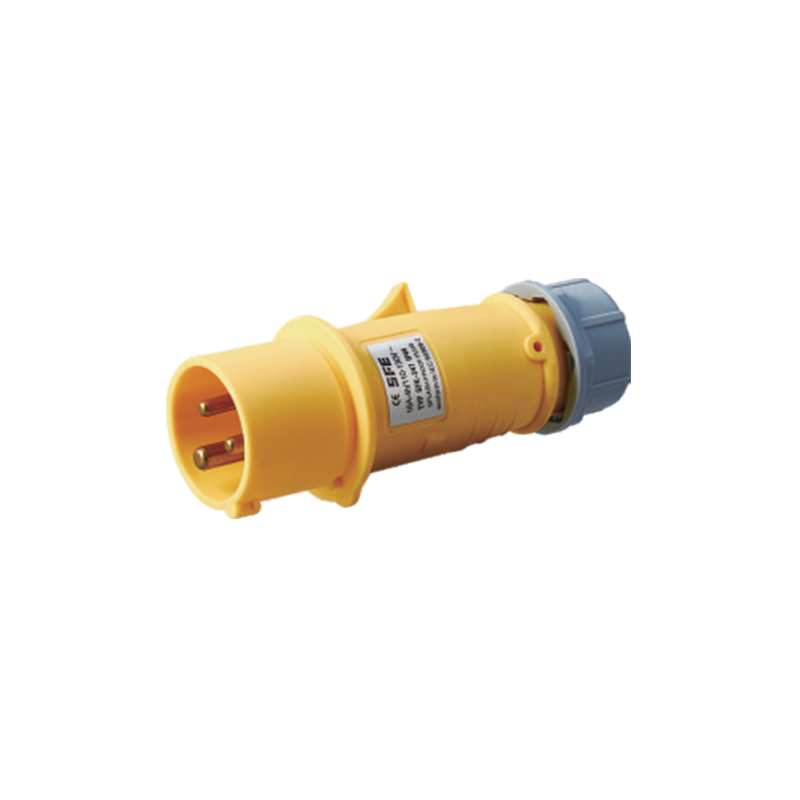
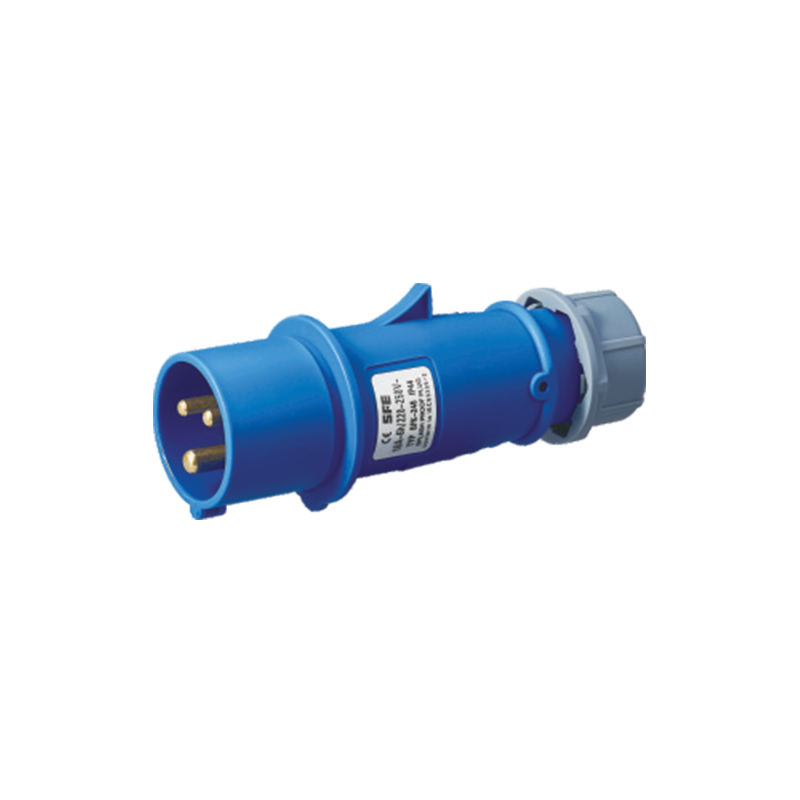
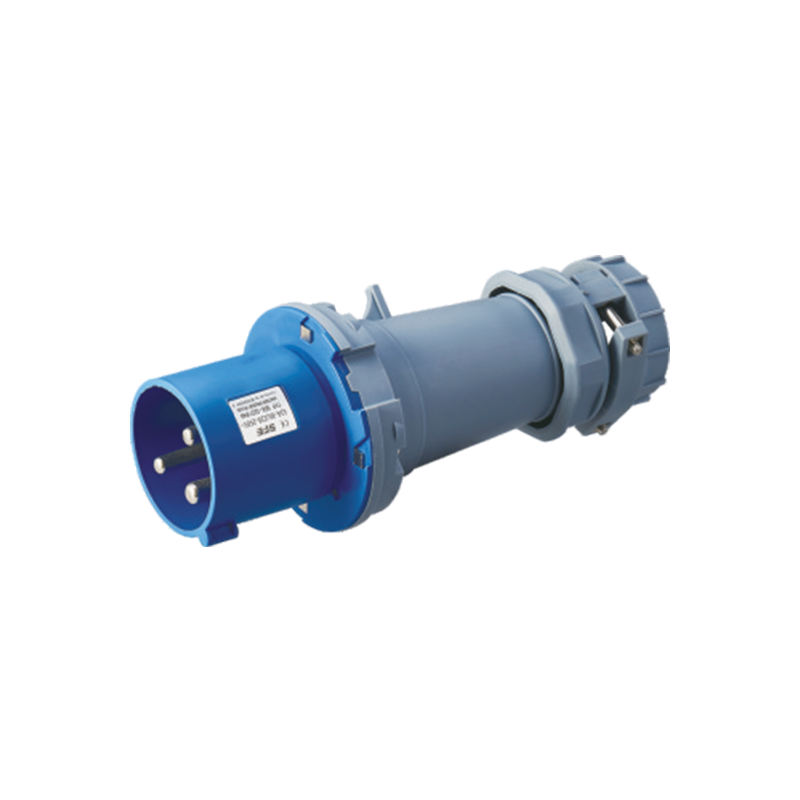
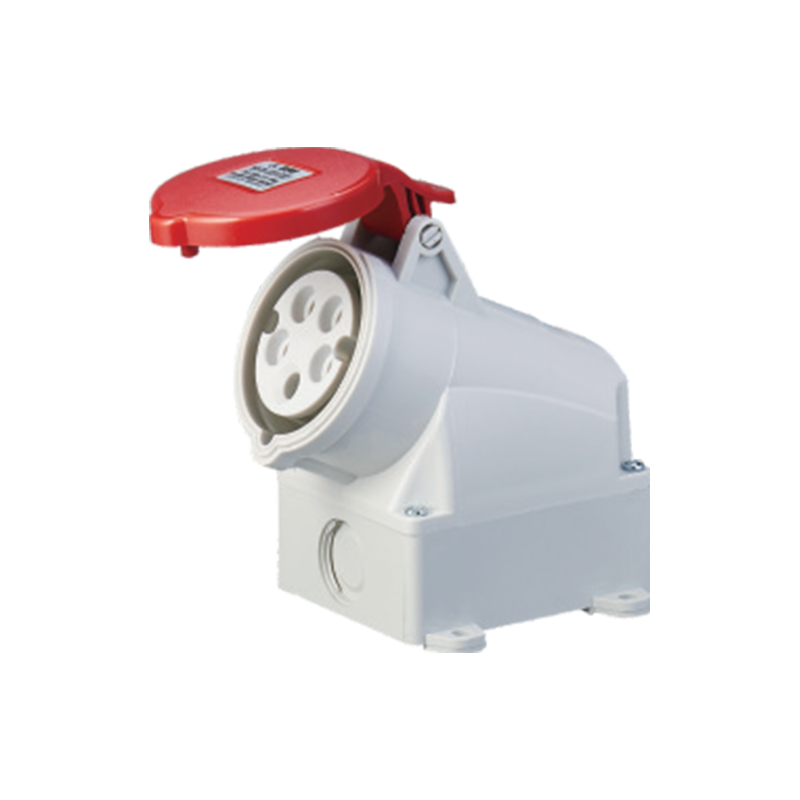
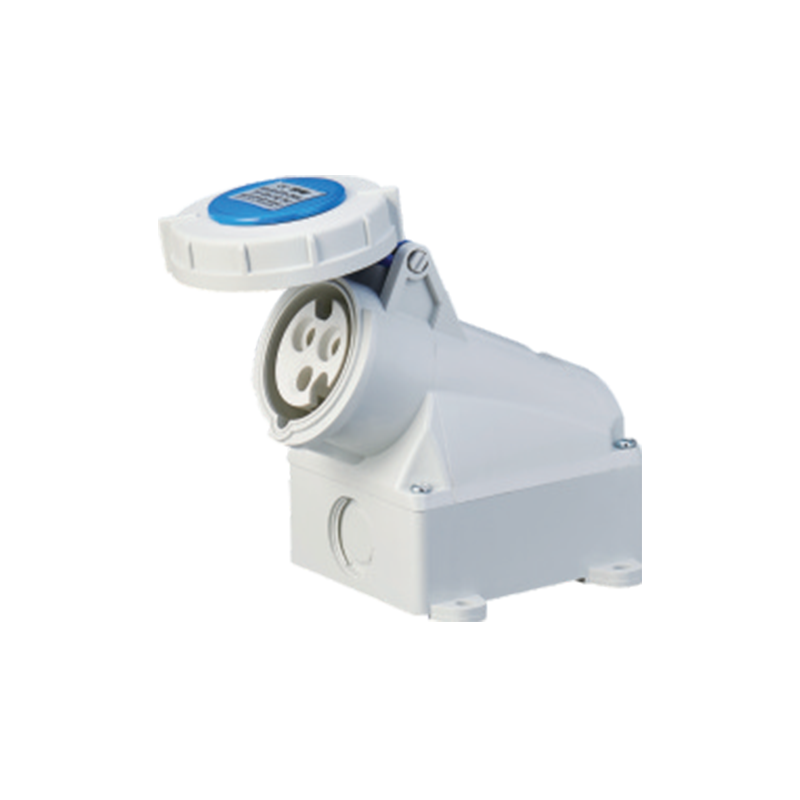
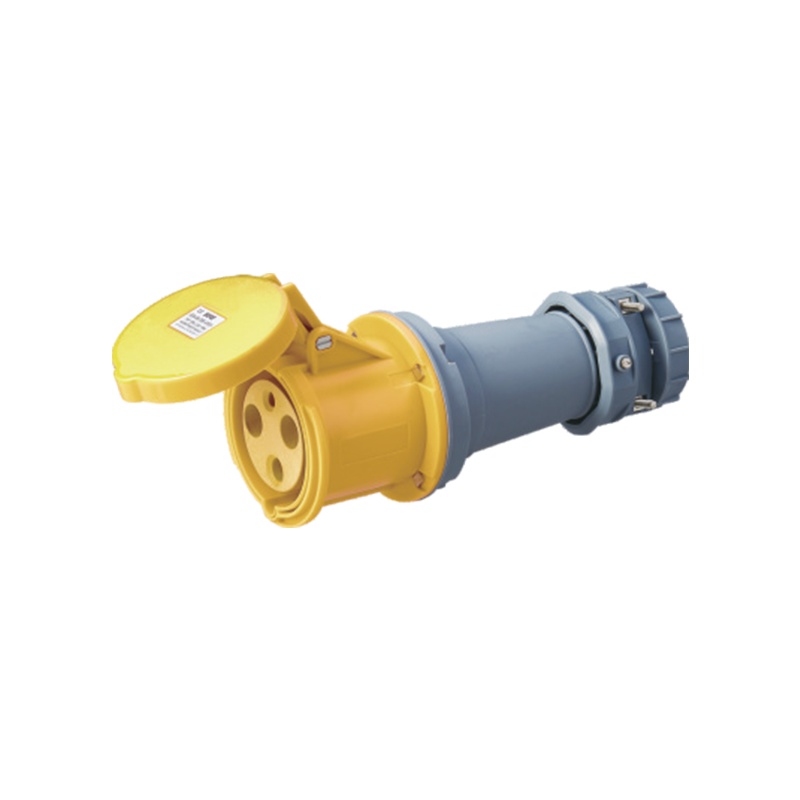
Smart plugs aren't just for homes anymore. Factories, warehouses, and workshops are starting to use tougher versions built for heavier loads—like ones with 20A industrial sockets that can handle big equipment without flinching. In those settings, keeping energy costs down and machines running smoothly is everything.
Hook smart plugs into the mix and suddenly you’ve got real-time data on how much each piece of machinery is using. Managers can spot patterns, shut things down when they're not needed, or tweak schedules to avoid peak rates. It’s not just about saving money—it makes operations safer too, since you can catch overloads before something fries.
Why Flush Plug Sockets Fit In So Well
Then there are flush plug sockets—those sleek, flat ones that sit almost level with the wall. They look clean and professional, especially in offices, showrooms, or industrial setups where you don't want a bunch of bulky outlets sticking out. Pair them with smart plugs and everything integrates without looking messy or half-done.
Facilities teams can scatter these around a building, control groups of devices from one dashboard, and quickly spot where energy is being wasted. It's practical: better control, nicer appearance, and easier to manage multiple sites if you have them.
Looking Toward a Greener Setup
We're all getting more serious about sustainability, and tools like smart plugs actually help make a dent. They put the power (literally) back in people's hands to cut waste, drop emissions, and spend less. When you link them up with other smart gear—like lights that dim automatically or thermostats that talk to each other—the savings get even bigger. Less running stuff nobody needs, less overall waste.
Smart plugs represent a straightforward shift in how we think about energy. They let regular people and businesses monitor, automate, and optimize without overcomplicating life. Throw in sturdy options like 20A industrial sockets and clean flush plug sockets, and the whole thing works in pretty much any environment. As more of us adopt this kind of tech, energy management feels less like a chore and more like something we can actually get right—for our wallets and the world.
