
 English
 Español
 中文简体
Address: No. 199, Weiwu Road, Yueqing Economic Development Zone, Zhejiang Province, China.
A standard socket accepts whatever plug fits. A mechanical interlocking socket accepts only the plug it was designed for, and only when it is safe to connect. The interlock is a mechanical gate, a rotating collar, or a switch that stays locked until the right plug is inserted and the power is off. It prevents the mismating, the connection under load, and the live plug pulled out. For the industrial panel, the generator set, and the site distribution board, the interlocking socket is the outlet that says no.
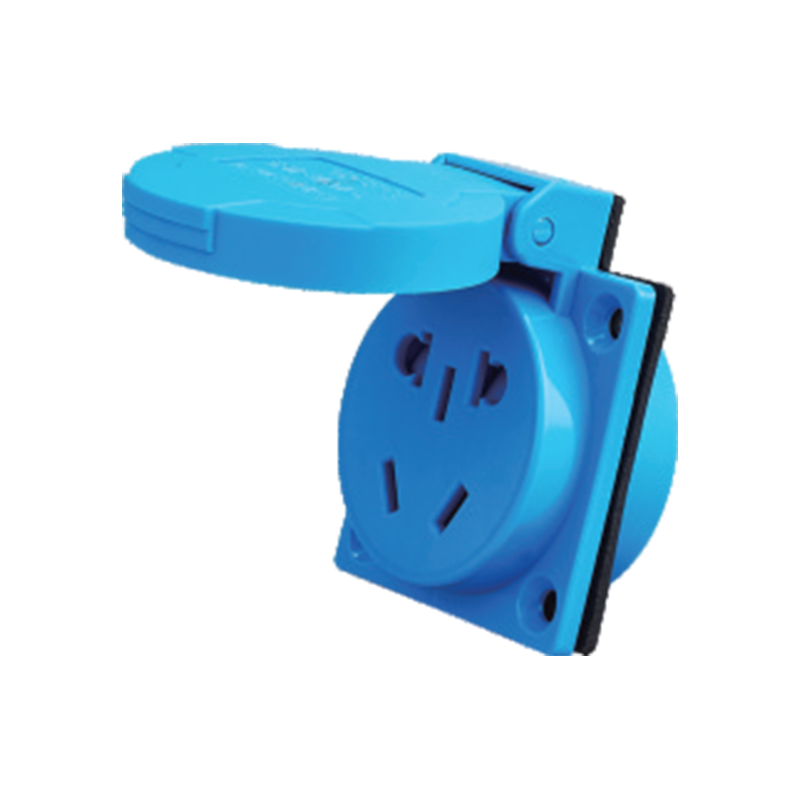
The Interlock Controls the Connection
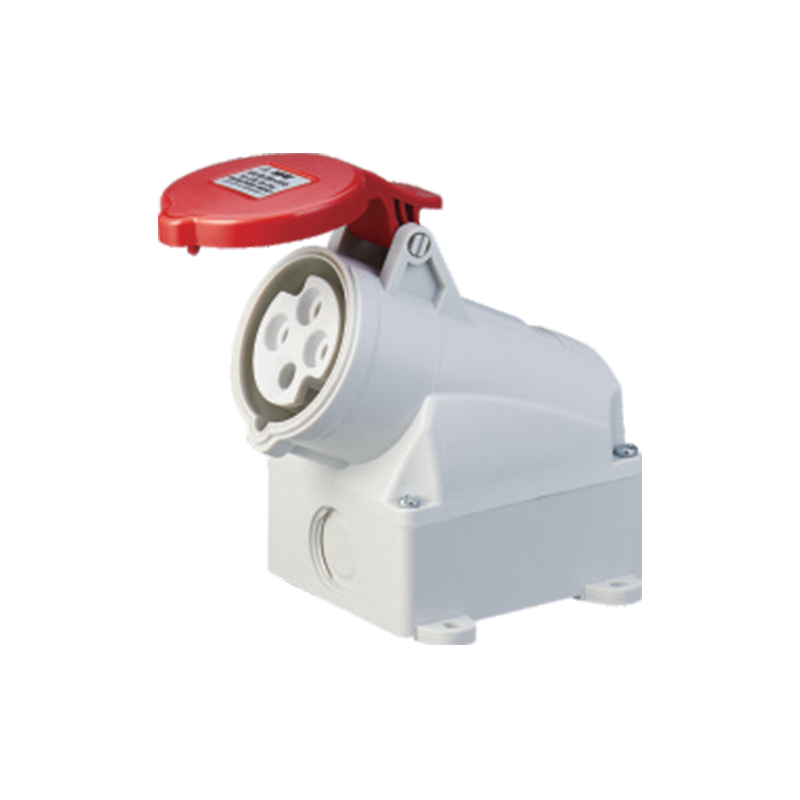
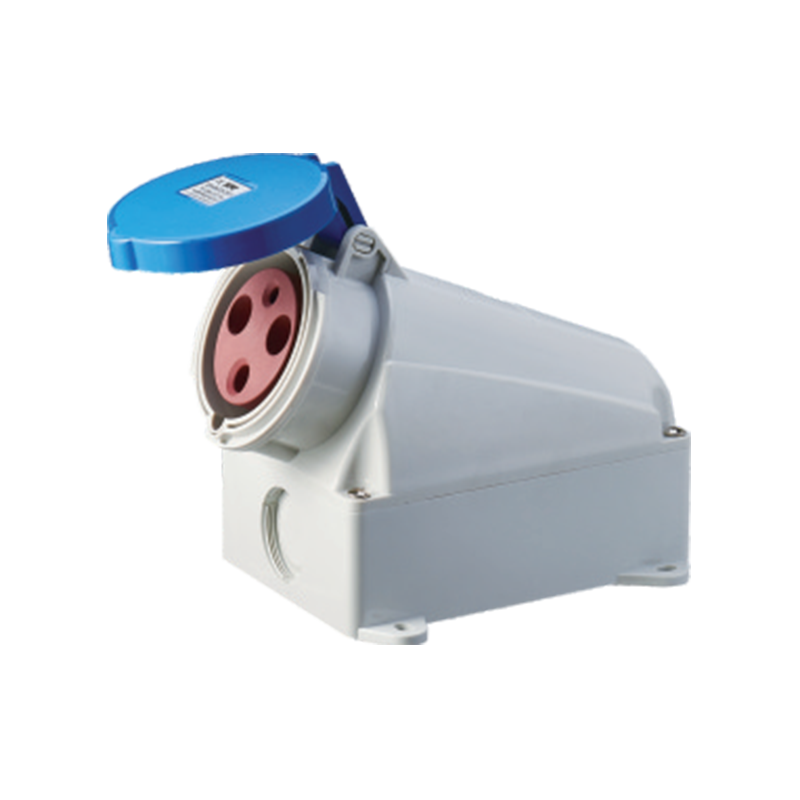
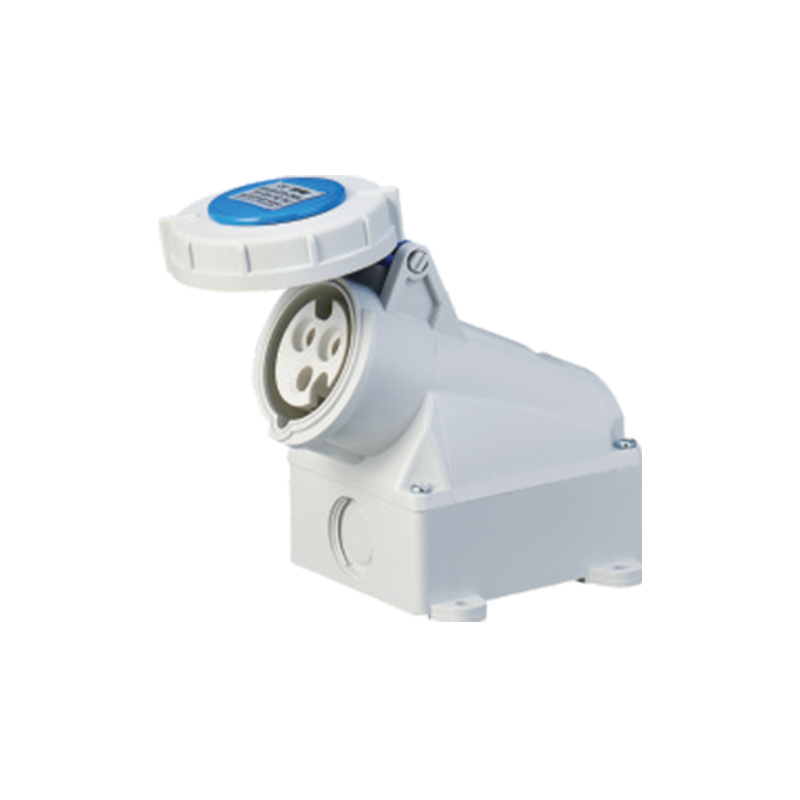
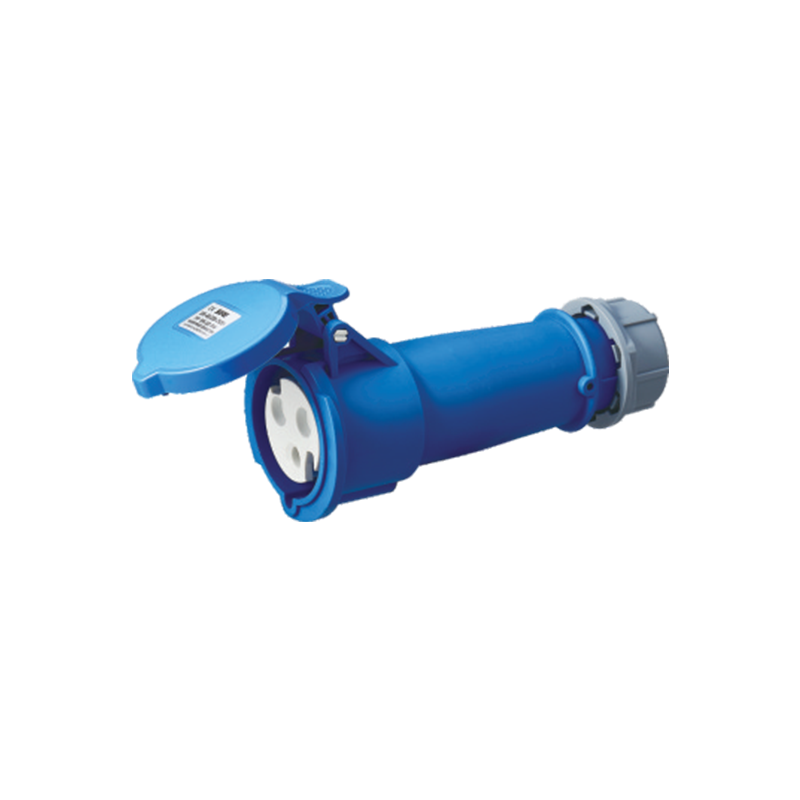
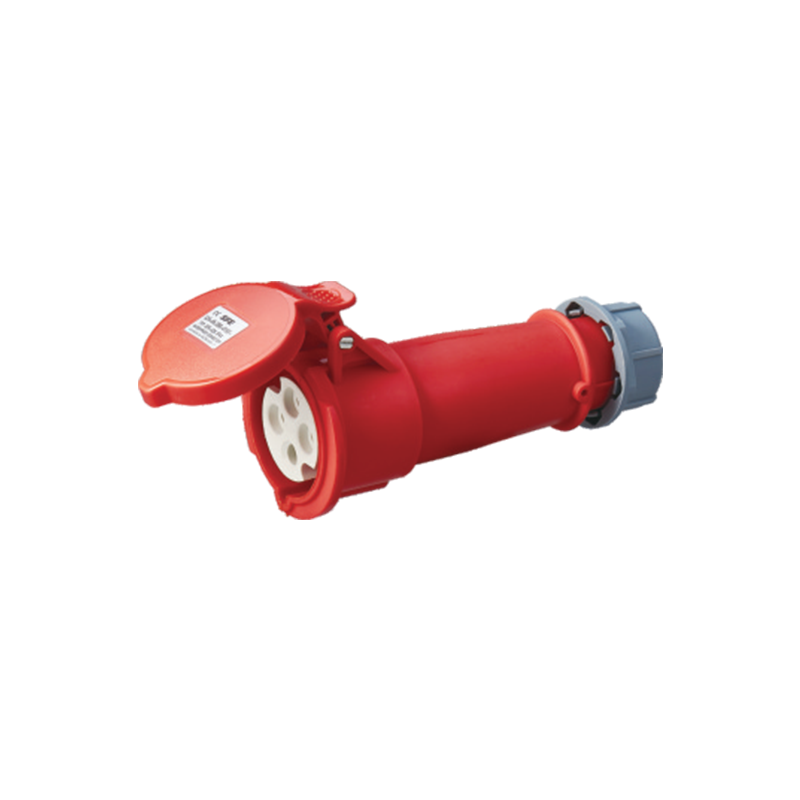
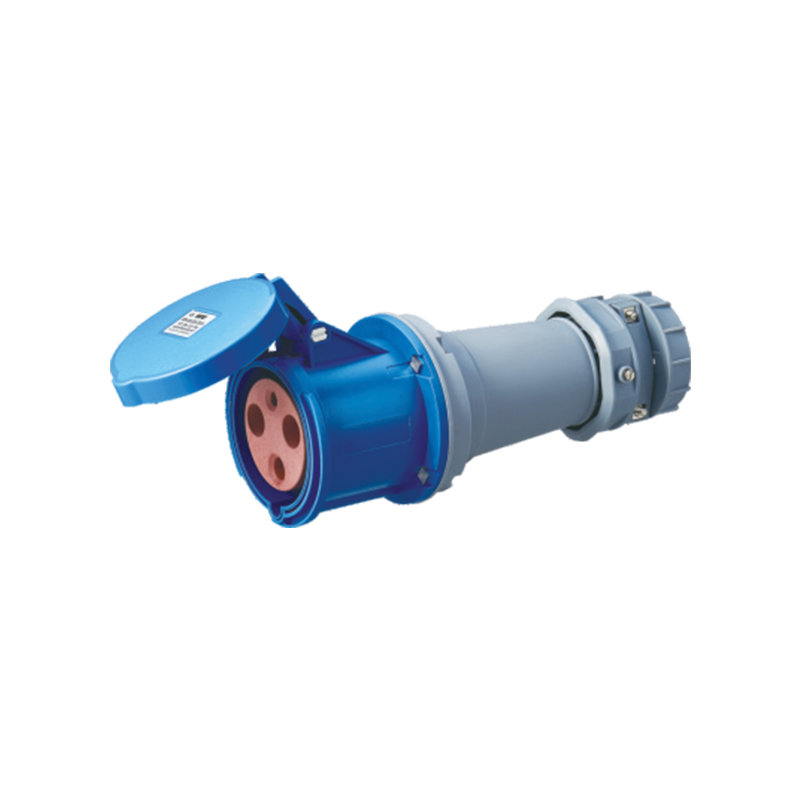
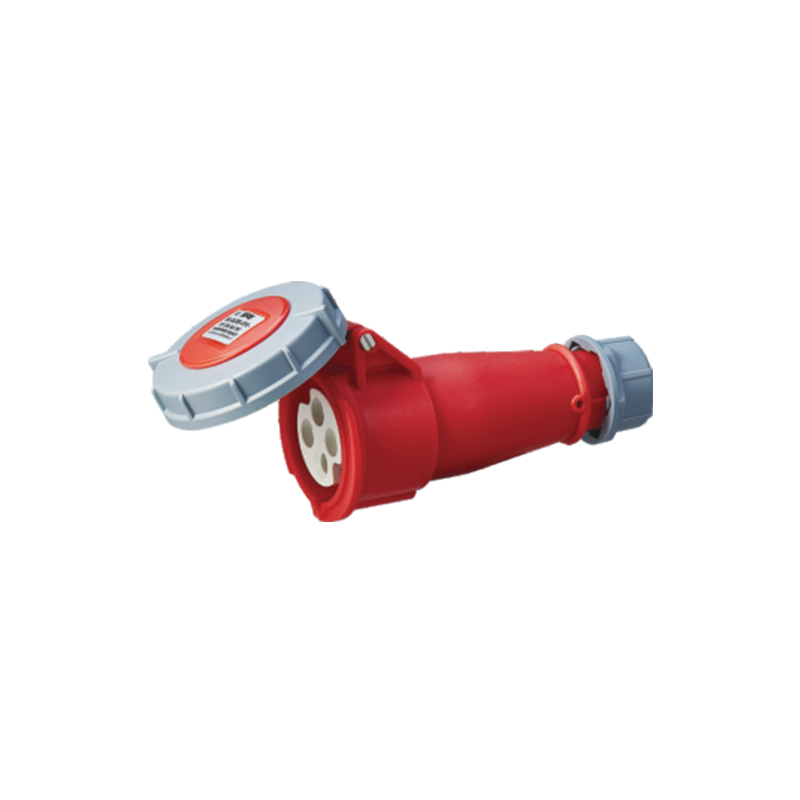
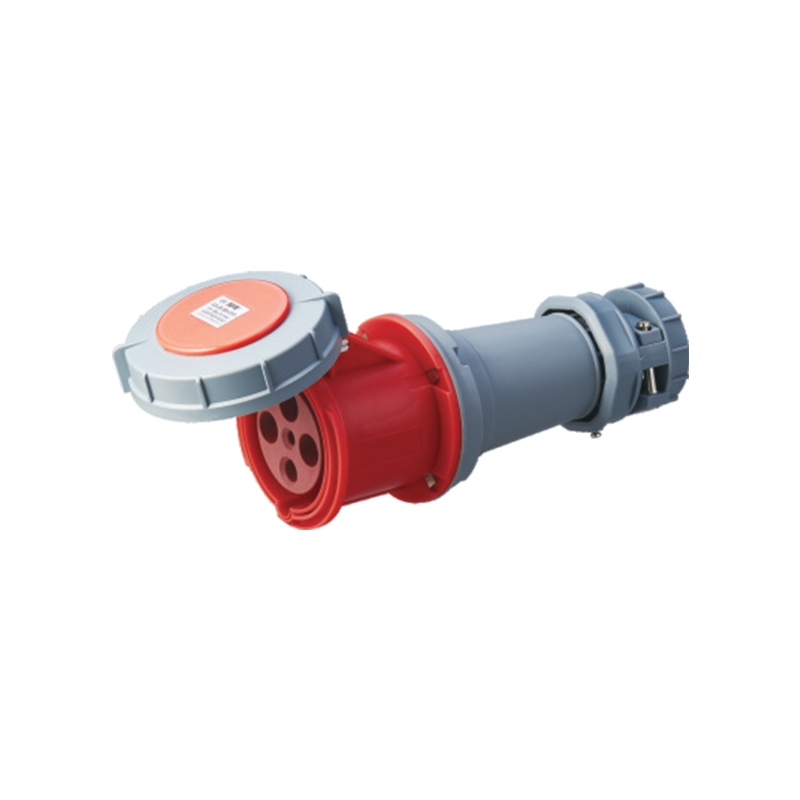
The interlock mechanism is built into the socket face. A cover or a collar blocks the plug entry. The right plug, inserted and rotated, releases the interlock. The mechanical interlocking socket with the properly designed mechanism cannot be forced with the wrong plug or the wrong angle.
The interlock also coordinates with the switch. On the switched interlocks, the plug can only be inserted when the switch is off. The switch can only be turned on after the plug is fully seated. The socket with the switch interlock prevents the connecting and the disconnecting under the load.
The Keying and the Voltage
The plug and the socket are keyed by the earth pin position, the pin arrangement, and the shell shape. The 110V plug cannot enter the 400V socket. The mechanical interlocking socket with the correct keying for its voltage rating rejects the plugs of the other voltages.
The pin count matches the circuit. The three pins for the single phase plus the earth. The five pins for the three phase plus the neutral and the earth.
The Contacts and the Housing
The contacts are the brass with the silver or the nickel plating. The plating resists the oxidation and keeps the contact resistance low. The mechanical interlocking socket with the quality contacts stays cool at the rated current.
The housing is the glass-reinforced nylon or the similar engineering polymer. It resists the impact, the oil, and the cleaning chemicals. The IP rating tells the environmental protection. The IP44 resists the splashes. The IP67 survives the temporary immersion.
The Cable Entry
The cable entry is the gland or the knock-out. The gland seals around the cable and keeps the moisture and the dust out of the terminal area. The mechanical interlocking socket with the properly sized gland stays dry inside.
Here is what a mechanical interlocking socket has to deliver:
- Mechanical interlock that rejects the wrong plug
- Switch coordination that prevents the connection under the load
- Keying and the pin arrangement matched to the voltage
- Brass contacts with the plating for the stable resistance
- Impact-resistant housing with the right IP rating
- Cable gland sealing for the environment
Where the Socket Goes
The industrial panel uses the interlocking sockets for the machine connections. The generator set uses the interlocking socket for the output connections. The site distribution board uses the interlocking socket for the tool outlets.
The Interlock That Fails Open and the Switch That Burns
The cheap interlock wears and the gate no longer blocks the wrong plug. The protection is gone. The robust interlock mechanism holds. The switch contacts burn because the interlock allowed the connection under the load. The switch coordination prevents it. The housing cracks at the cable entry because the material was too brittle.
A mechanical interlocking socket is the outlet that says no when the connection is wrong or the power is on. The interlock blocks. The keying rejects. Choose a socket with the robust interlock and the correct keying.
