
 English
 Español
 中文简体


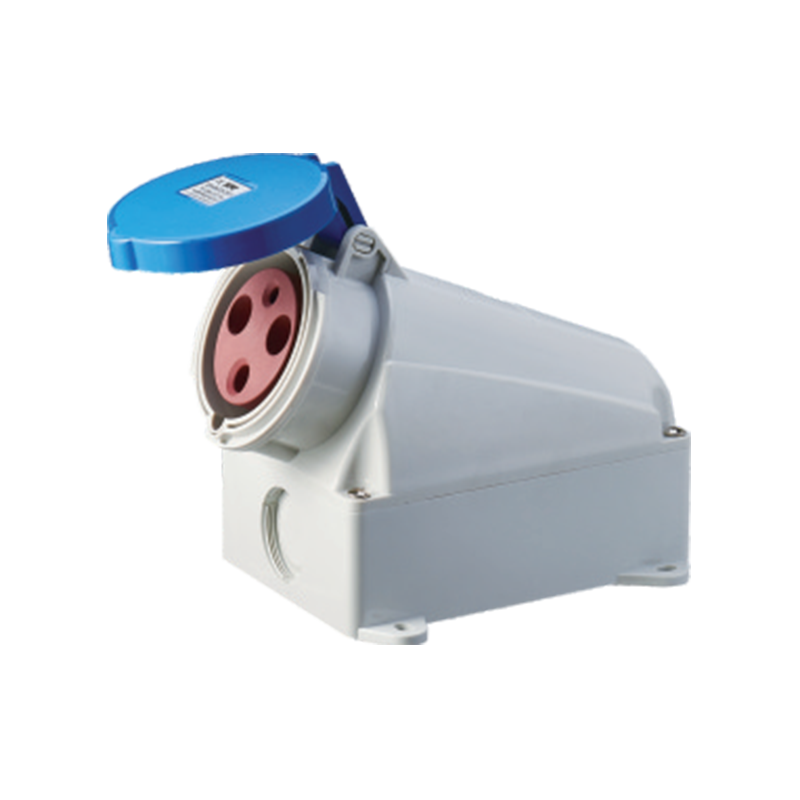
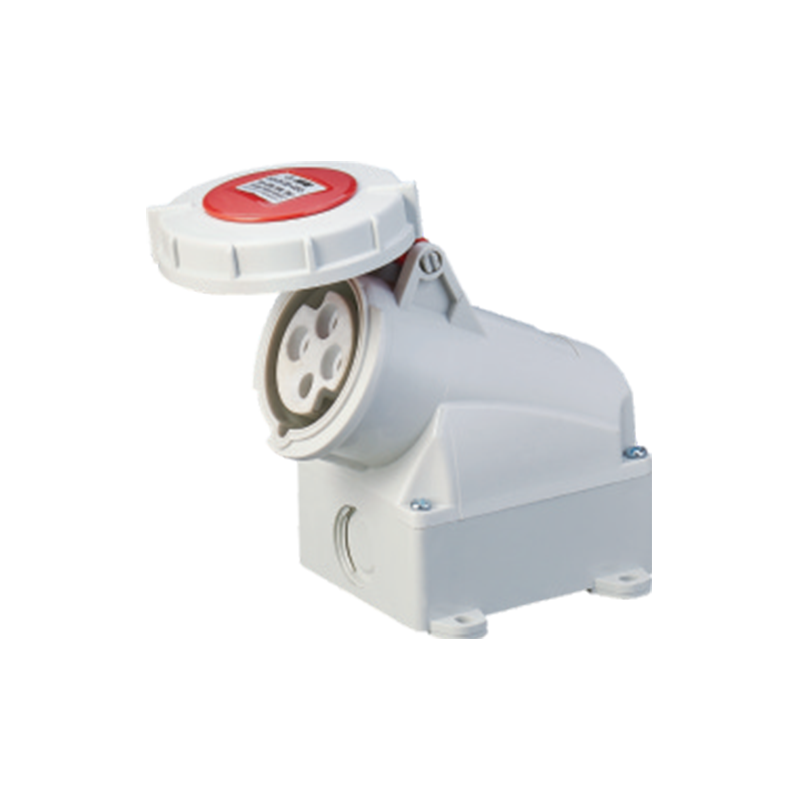
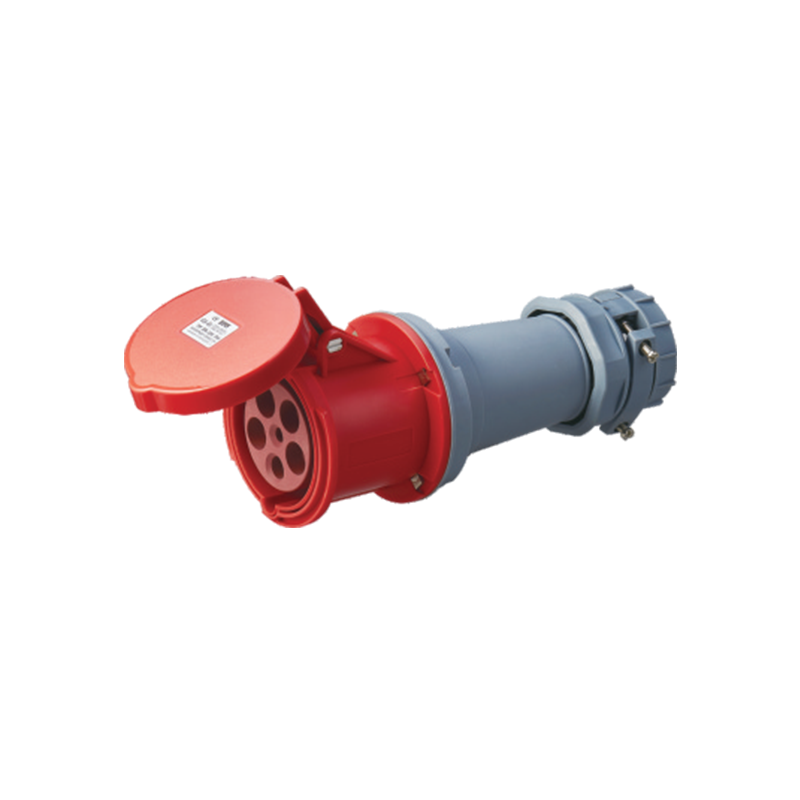
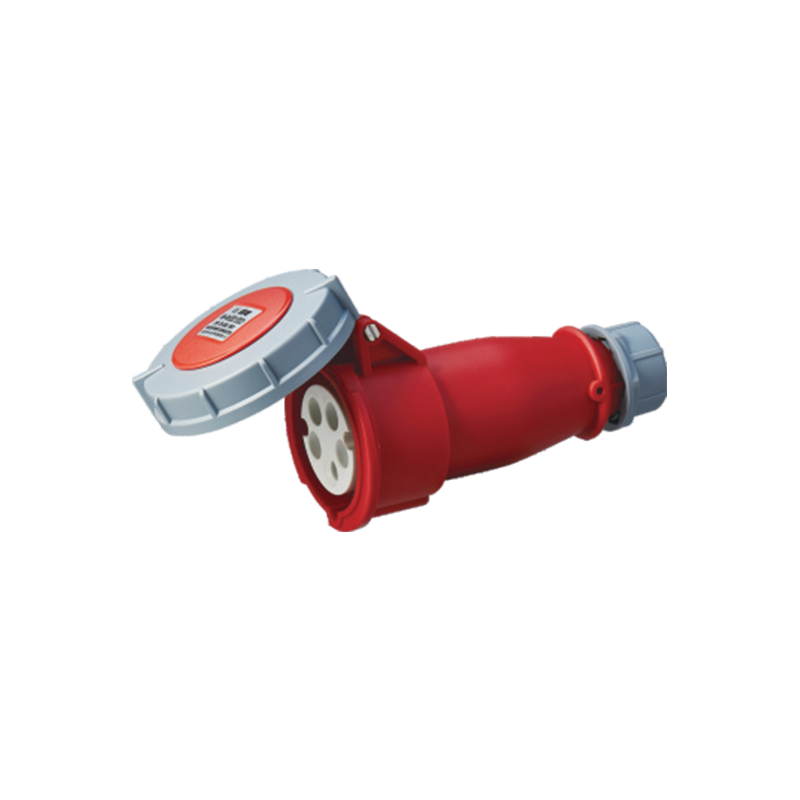
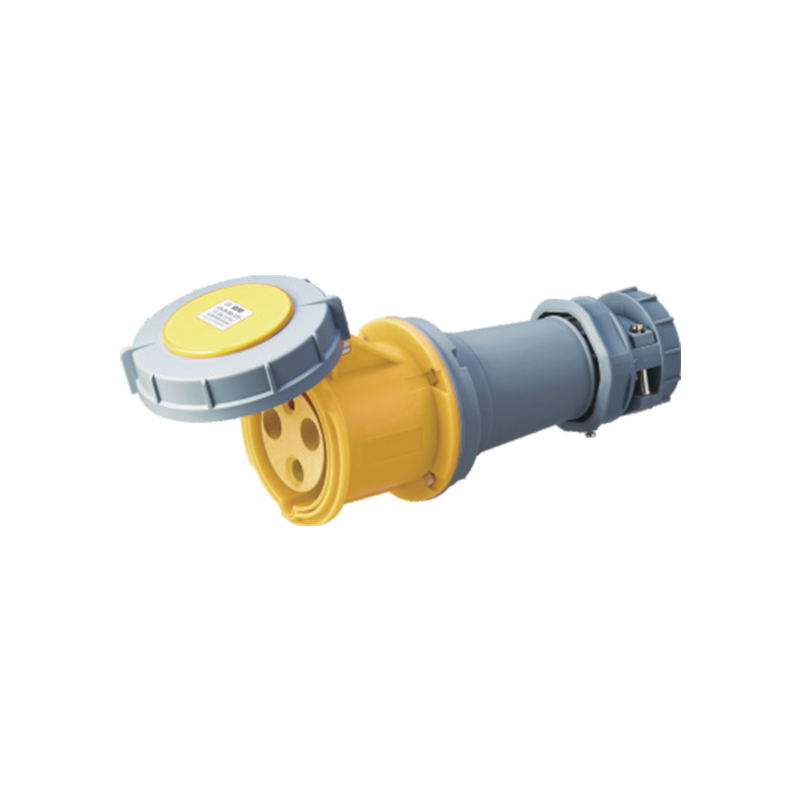
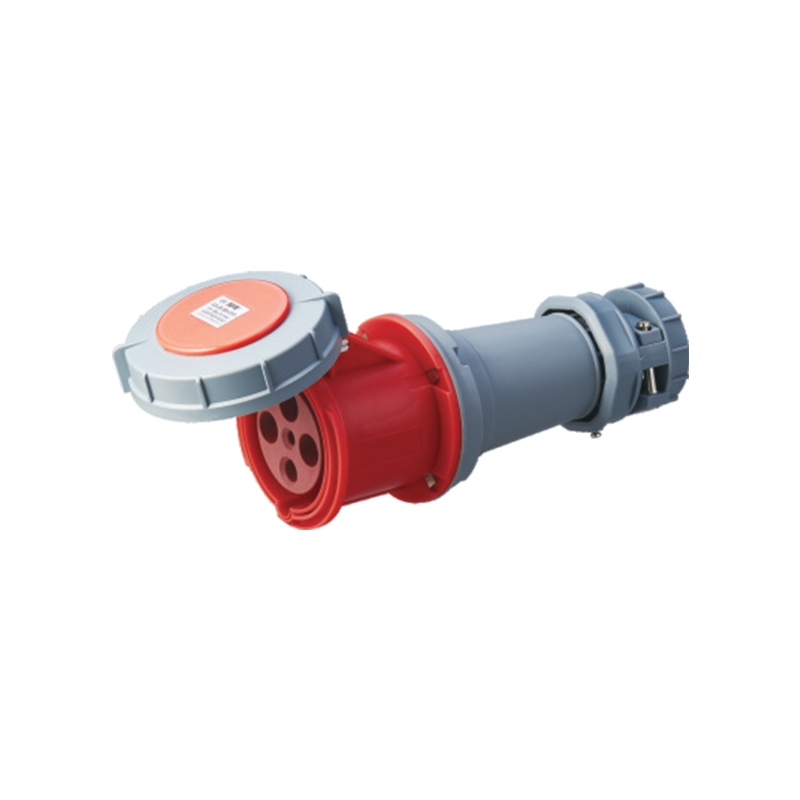
Address: No. 199, Weiwu Road, Yueqing Economic Development Zone, Zhejiang Province, China.
A low-voltage rated safety industrial plug carries 24V, 48V, or 110V into the equipment, the control panel, and the tool connection. The voltage is lower than the mains, but the current is not always small. A 24V control circuit can carry 16 amps or more, and a loose connection at that current heats, arcs, and burns the terminal. The plug is designed for the current the circuit actually carries, not for the voltage on the label.
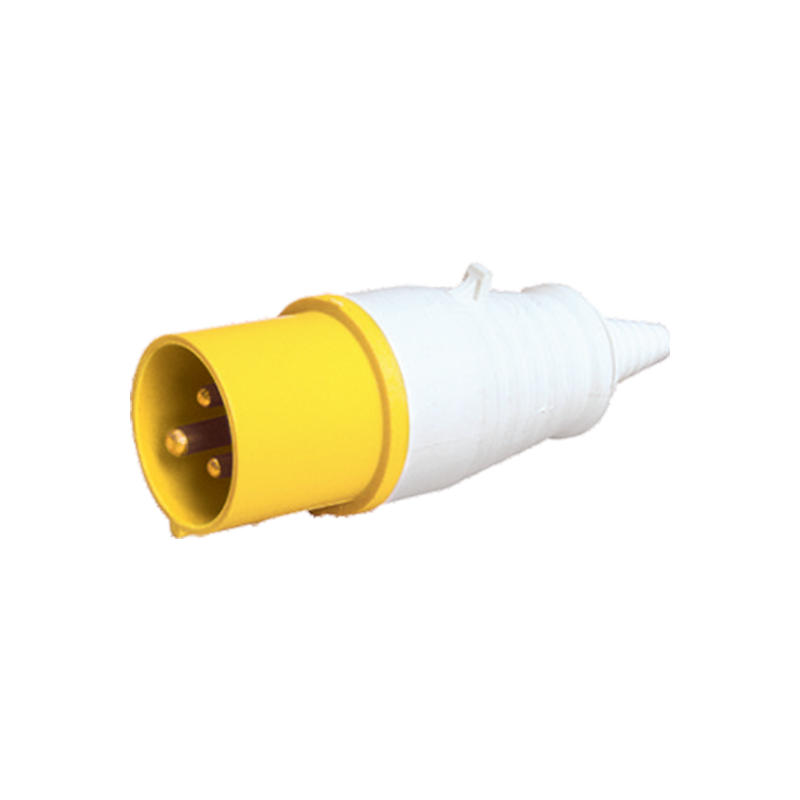
The Keying Is Mechanical, Not Just a Marking
The plug and the socket are keyed by the earth pin position, the pin arrangement, and the shell shape. A 24V plug cannot enter a 110V socket no matter how hard the operator pushes. That matters on a panel where the 24V sensor line and the 110V tool supply sit inches apart.
The technician working in a hurry does not read the label. The plug does not fit. The circuit is safe by geometry.
The Current Rating Is the Real Spec
A plug rated for 16 amps is not the same as a plug rated for 32 amps, even at the same voltage. The pin diameter, the contact area, and the spring pressure all scale with the current. The low-voltage rated safety industrial plug with the undersized pins runs hot at full load.
The terminal side matters too. The screw or the cage clamp has to accept the conductor and hold it under the machine vibration.
The Housing and the Seal
The housing is the glass-reinforced nylon or the similar engineering polymer. It resists the impact, the oil, and the cleaning chemicals. The cable entry has the gland that clamps the outer jacket and seals the entry. The low-voltage rated safety industrial plug with the proper gland and the strain relief keeps the tension off the terminals.
The IP rating matches the environment. The IP44 handles the splashes. The IP67 handles the washdown and the temporary immersion.
The Locking Mechanism
The plug locks into the socket. The twist lock, the bayonet, or the screw collar holds the plug in place. The vibration, the cable pull, and the accidental kick can separate the unlocked plug. The plug with the positive lock stays mated until the operator releases it.
Here is what a low-voltage rated safety industrial plug has to deliver:
- Keying that prevents the mismating across the voltages
- Pin count and the ratings molded into the body
- Glass-reinforced nylon housing with the impact resistance
- Cable gland with the strain relief and the IP-rated sealing
- Plated contacts and the vibration-resistant terminals
- Positive locking mechanism
Where the Plug Works
The control panel uses the plug for the sensor arrays and the test points. The machine tool uses the plug for the control circuits, the limit switches, and the actuators. The battery system and the charging station use the plug for the DC output.
The Housing That Cracks and the Keying That Wears
The housing cracks at the cable entry because the plastic was too brittle. The plug with the reinforced entry survives. The contacts oxidize because the plating was too thin. The resistance climbs and the plug heats. The keying wears and the plug fits the wrong socket.
A low-voltage rated safety industrial plug protects the circuit and the worker. The keying prevents the mistake. The housing takes the abuse. Choose a plug with the right rating and the right seal.
