
 English
 Español
 中文简体
中文简体
Address: No. 199, Weiwu Road, Yueqing Economic Development Zone, Zhejiang Province, China.
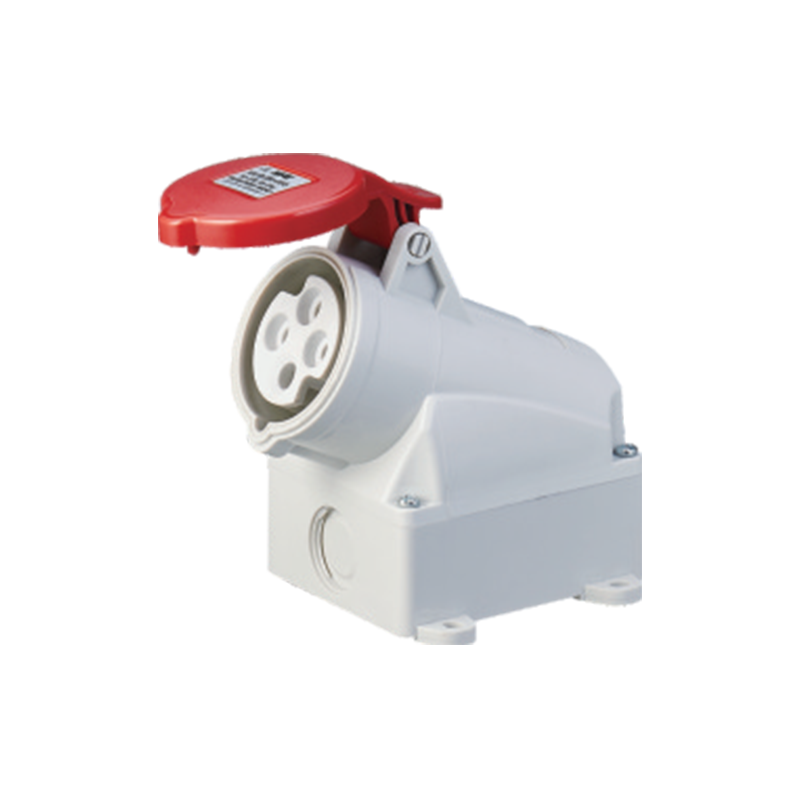
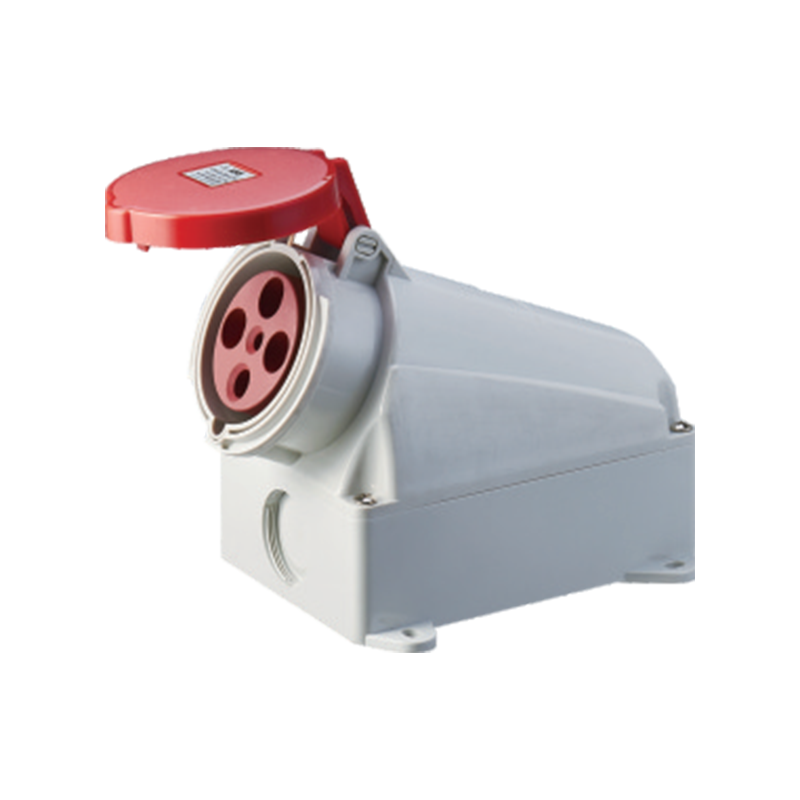
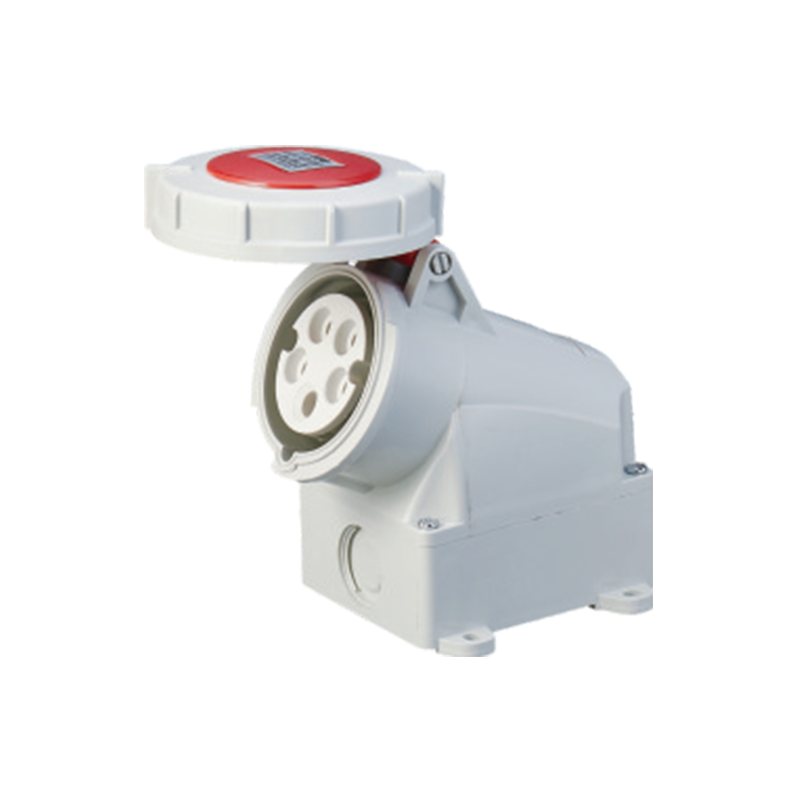
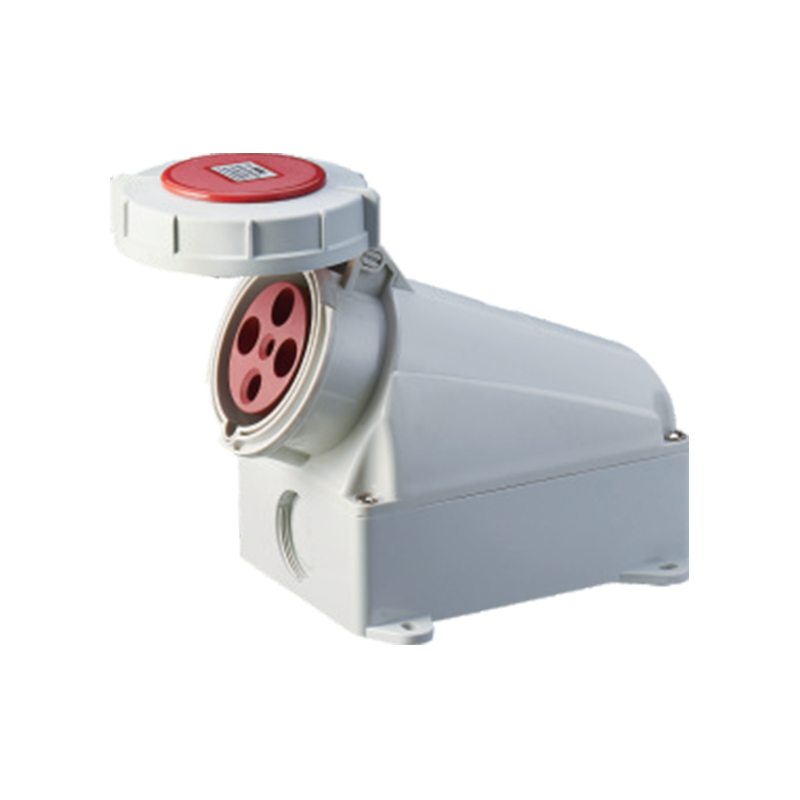
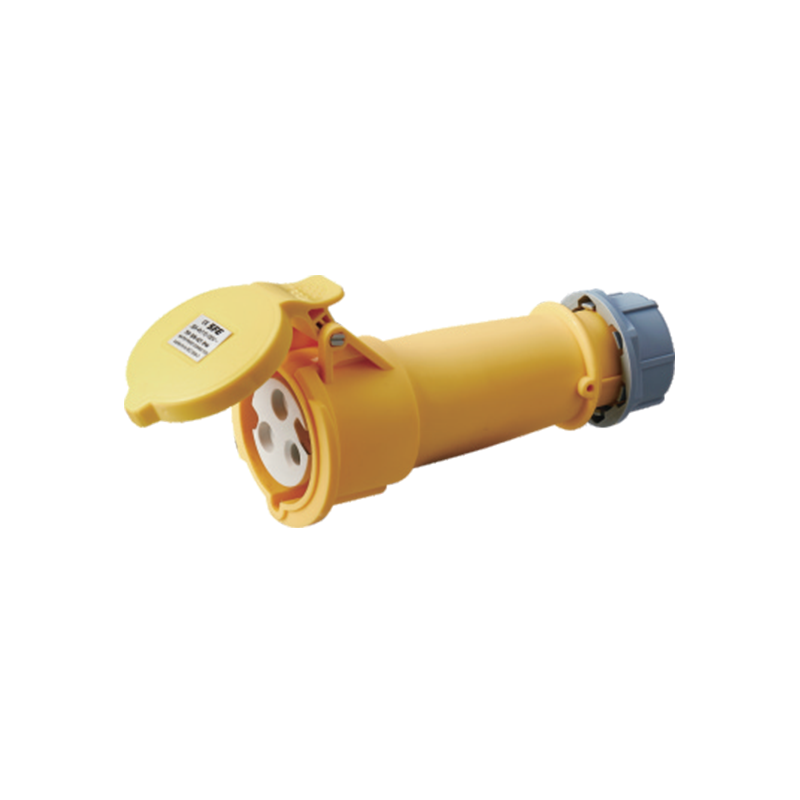
Industrial socket outlets really matter a lot in factories, warehouses, construction sites, and any place where heavy electrical gear is running day in and day out. They’re built specifically to deliver a strong, trustworthy connection for all kinds of machines, tools, and equipment—without them, keeping everything powered safely and steadily would be a constant struggle.
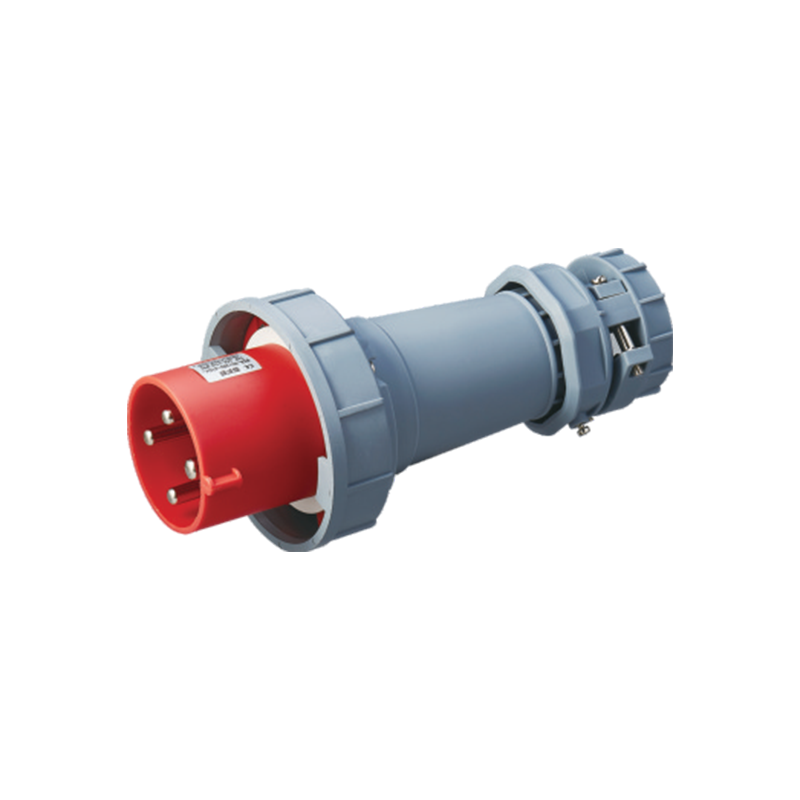
Safety stands out as the number-one advantage. Industrial workplaces handle seriously high-power stuff—big motors, welders, compressors, you name it—and even a small electrical problem can quickly escalate into something dangerous like shocks, burns, or fires. These specialized outlets are engineered from the ground up to manage much higher voltages and currents than normal home sockets (think 16A, 32A, 63A or more, often at 400V three-phase). That design cuts down the risk of overheating, arcing, or melting. Plus, their heavy-duty build—thick casings, strong contacts, good seals—lets them stand up to vibration, impacts, dust, splashes, and extreme temperatures without giving up or causing faults like overloads and short circuits.
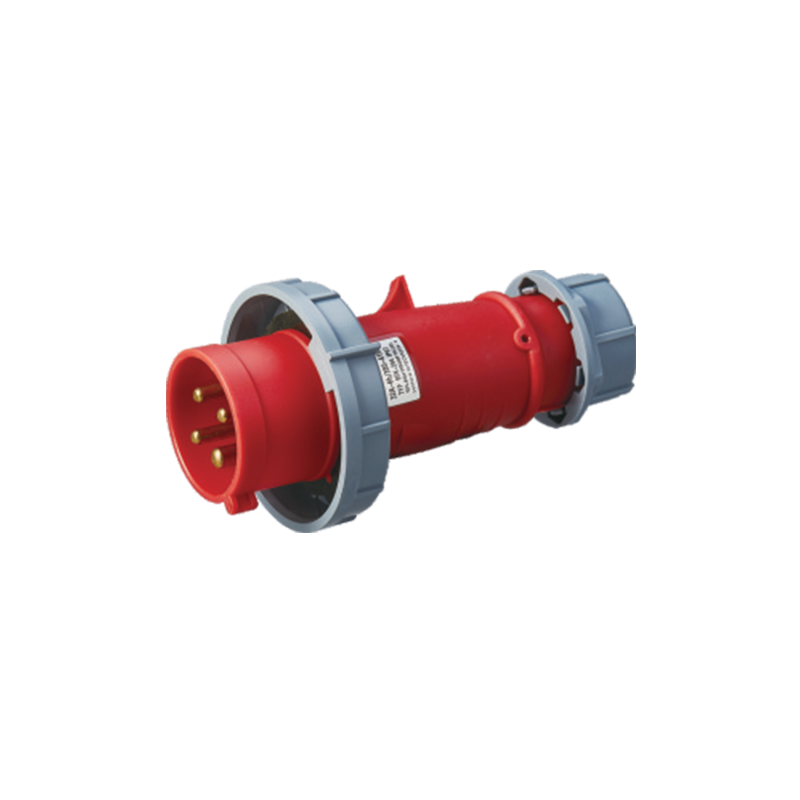
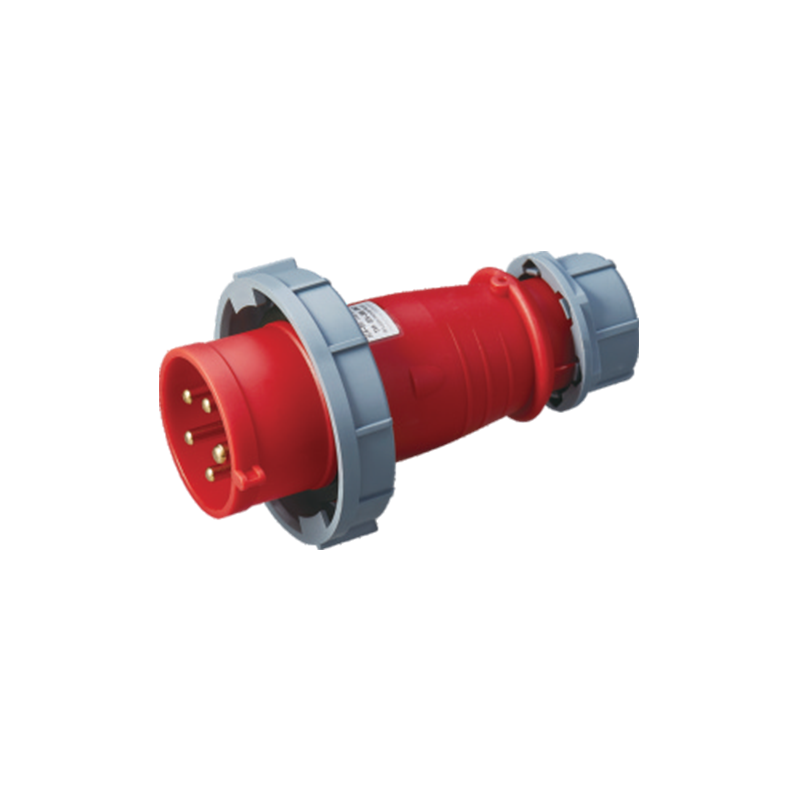
Another key strength is how reliably they hold a connection. In busy industrial areas, equipment gets dragged around, repositioned, or bumped all the time. Regular plugs can easily work loose after a while, leading to flickering power, intermittent failures, or dangerous arcing that wears things out faster. Industrial socket outlets fix that problem with built-in locking systems—most commonly the twist-and-lock style (like IEC 60309 standard plugs) or super-tight friction fits. Once plugged in, they stay put even if someone yanks the cable or the machine shakes a lot. That simple feature prevents unexpected disconnections, reduces costly downtime, and protects expensive machinery from sudden power cuts that can damage sensitive electronics or mechanical parts.
Beyond just staying safe, these outlets also make the whole operation run more smoothly and efficiently. They deliver steady, clean power so machines don’t stutter or stop randomly. In areas where several pieces of equipment run at the same time—like assembly lines or workshops—you’ll often see multi-outlet distribution boards or power strips designed for industrial use. Workers can hook up different tools or devices without constantly searching for free sockets, stringing dangerous extension cords everywhere, or stopping to reconfigure setups. Everything just works more fluidly, and that adds up to real gains in daily output.
Flexibility is another big plus. Industrial sockets aren’t one-size-fits-all. You’ve got options for single sockets or multi-gang panels, different amperage ratings (from 16A light-duty up to 125A heavy-duty), voltage types (230V single-phase, 400V three-phase, even higher for special applications), and a wide range of plug configurations with color-coding by voltage and frequency to prevent dangerous mix-ups. Whether you’re powering a huge CNC machine, a portable welder, a pump, or sensitive testing equipment, there’s almost always an exact match available. That adaptability means businesses can tailor the electrical setup to their actual needs instead of making do with whatever’s lying around.
Durability gets a lot of attention in the design too. Industrial environments can be brutal—clouds of dust, oil mist, dripping water, freezing cold mornings, scorching summer heat, corrosive chemicals in some places. Quality industrial outlets are rated highly for protection (IP44, IP67, or even higher), made from tough polycarbonate or metal-reinforced bodies, and use corrosion-resistant contacts. They keep working reliably year after year without cracking, leaking, or degrading. Because they last so long, you don’t have to replace them constantly, which keeps long-term maintenance and replacement costs way down compared to using cheaper domestic-grade stuff that fails quickly.
All these benefits circle back to the people doing the work. When you have properly designed, reliable outlets, the risk of someone getting shocked, burned, or starting an accidental fire drops dramatically. Workers feel more confident plugging things in, unplugging them, or moving cables around without second-guessing every move. A safer environment like that reduces stress, cuts lost time from accidents or near-misses, and generally helps people stay focused and productive instead of distracted by electrical worries.
Energy management is becoming more important too. Plenty of modern facilities are pushing hard to cut electricity waste and meet sustainability targets. Some newer industrial socket models come with built-in monitoring, residual current protection, or even smart features that help balance loads and avoid unnecessary consumption. By distributing power more intelligently across machines and preventing idle losses, they help lower bills and shrink the overall carbon footprint a bit.
Maintenance-wise, they’re usually pretty user-friendly for electricians. Many have hinged or screw-off covers for quick access, modular internals that let you swap damaged parts without replacing the whole unit, and clear labeling. Routine checks and small repairs don’t turn into big projects, so issues get caught and fixed early—before they cause breakdowns that halt production and cost thousands in lost time.
In short, industrial socket outlets might not be the flashiest piece of equipment in a facility, but they’re quietly essential. Their ability to safely handle big power loads, lock connections securely, offer lots of configuration choices, survive rough conditions for years, and support efficient, worry-free operation makes them a smart investment. Companies that choose good-quality ones see real improvements in workplace safety, fewer interruptions, lower long-term costs, and a smoother, more productive environment overall. For anyone running serious electrical machinery, skimping here usually ends up costing more than it saves.
