
 English
 Español
 中文简体
中文简体

Address: No. 199, Weiwu Road, Yueqing Economic Development Zone, Zhejiang Province, China.
As technology advances, electrical sockets are changing to better suit today's consumers and various industries. The move toward smarter and more efficient electrical systems comes mainly from growing needs for easier use, better safety, and lower energy waste.
The Rise of Smart Technology
The integration of intelligent functions has become one of the most noticeable trends in electrical socket design. Smart sockets enable users to remotely control electric equipment, usually via mobile applications. Such functions not only bring greater convenience to daily life but also help cut down energy waste. For example, users can track real-time power consumption and manage equipment usage in a more targeted way, thus reducing unnecessary energy loss.
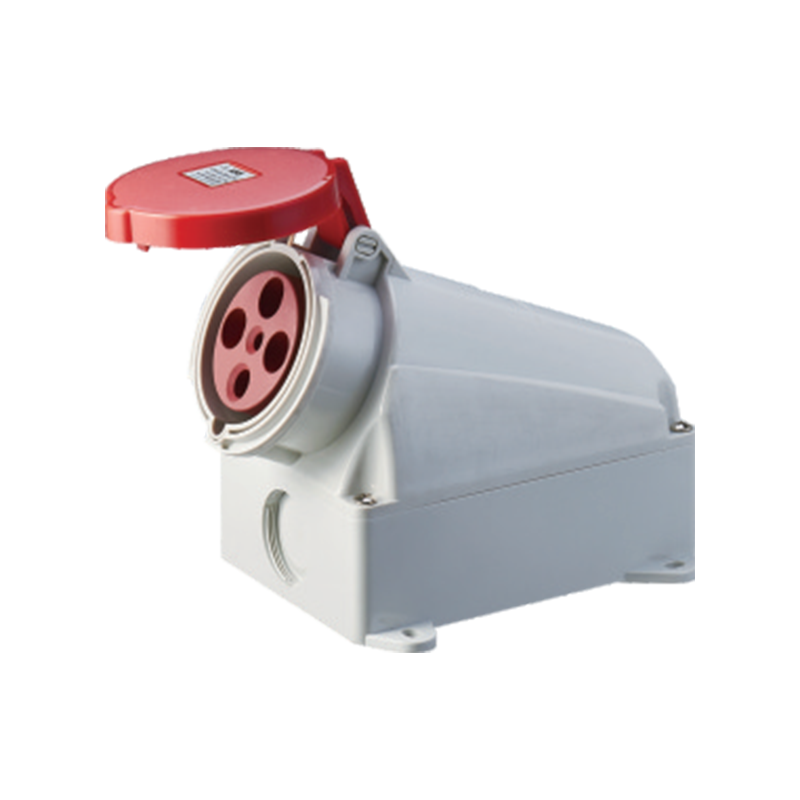
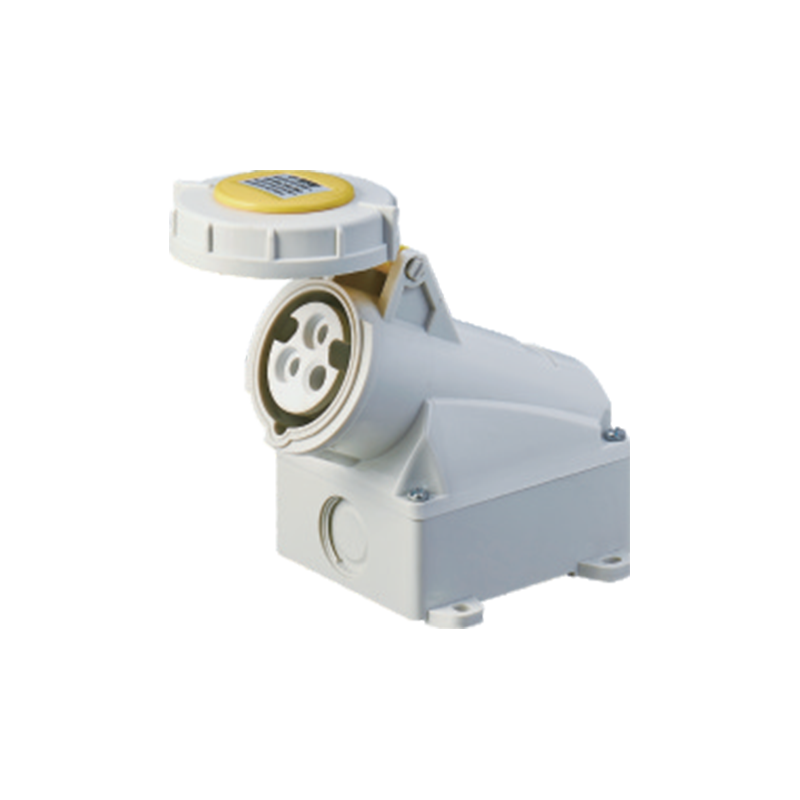
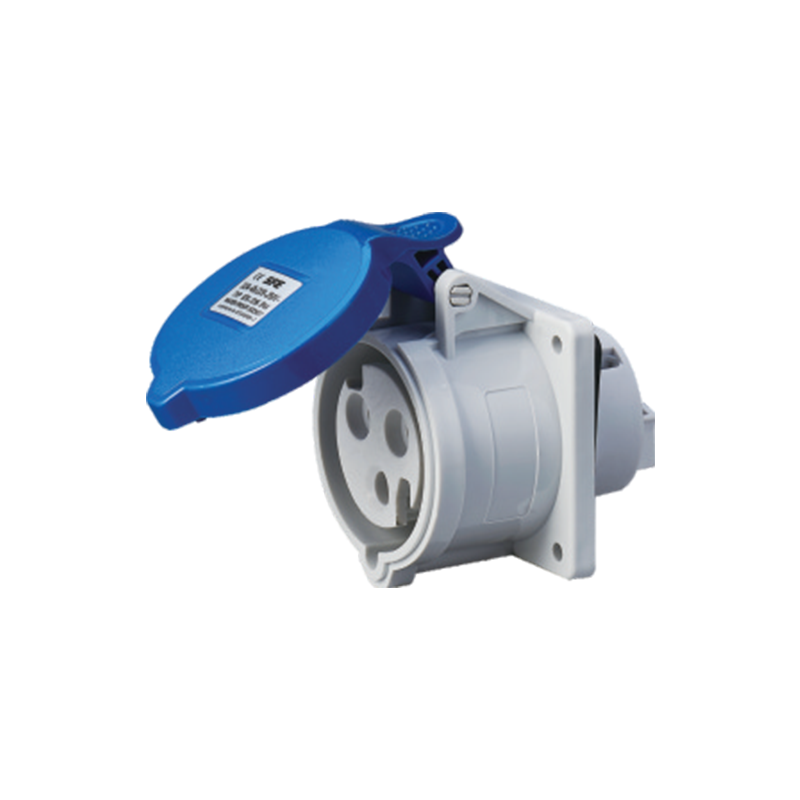
In industrial scenarios, stable and durable power connections are indispensable, which has promoted the research and production of professional electrical devices. Industrial wall outlets are specially manufactured to bear higher voltage and current, so they can satisfy the high-power requirements of heavy machinery. These outlets feature strong resistance to harsh working conditions, delivering outstanding durability and safety for industrial use.
Industrial Plug Boxes
Industrial plug boxes are another really important piece of today's power distribution setups. Basically, they give you a safe and organized way to hook up different electrical devices. Most of them come with several sockets built in, so you can run multiple pieces of equipment at once. That’s super handy in places like manufacturing workshops or construction sites, where tons of tools and machines are all working together at the same time.
On top of that, these boxes usually have several safety features to deal with overloads and short circuits. A lot of them include circuit breakers that will automatically cut the power if something goes wrong—like too much current or a fault—which helps protect the equipment and keeps the people working nearby safe. Honestly, as automation and digital tech keep getting deeper into industry, everyone needs a really stable and efficient power supply more than ever. That’s why industrial plug boxes have become something you just can’t do without in modern electrical systems.
The Role of Direct Connectors
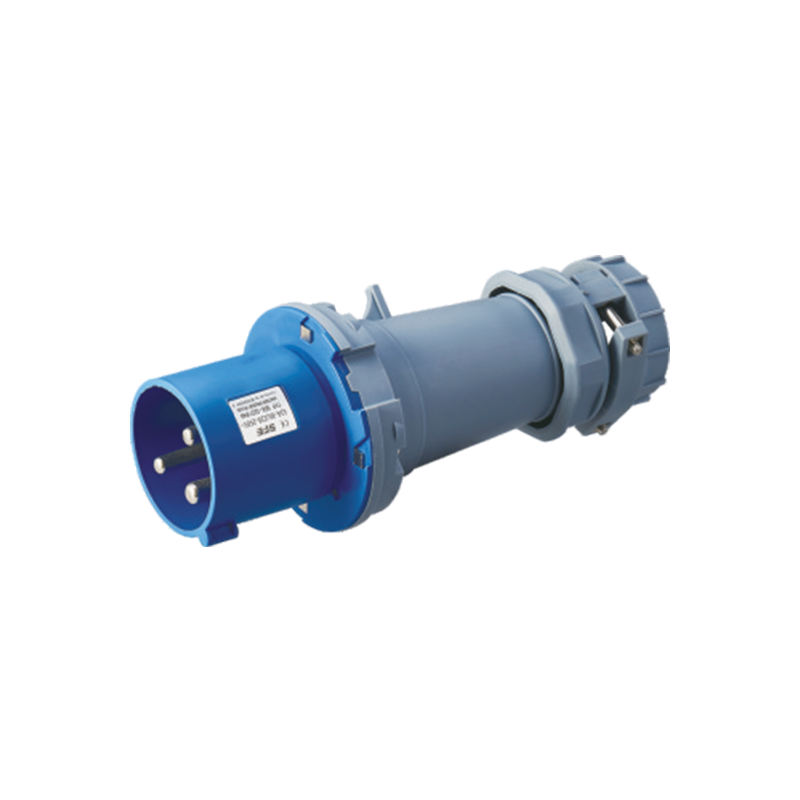
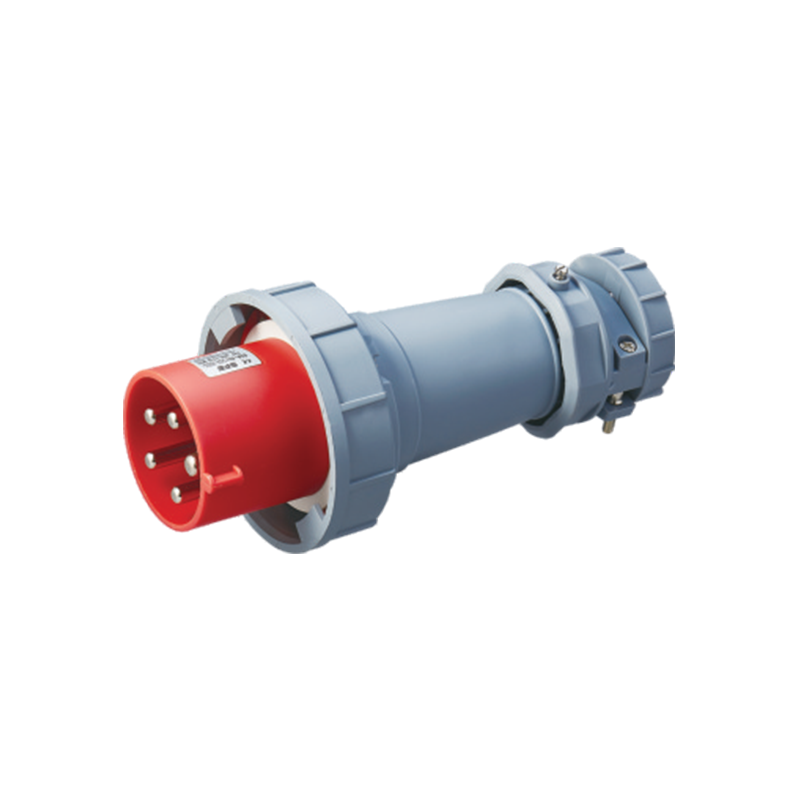
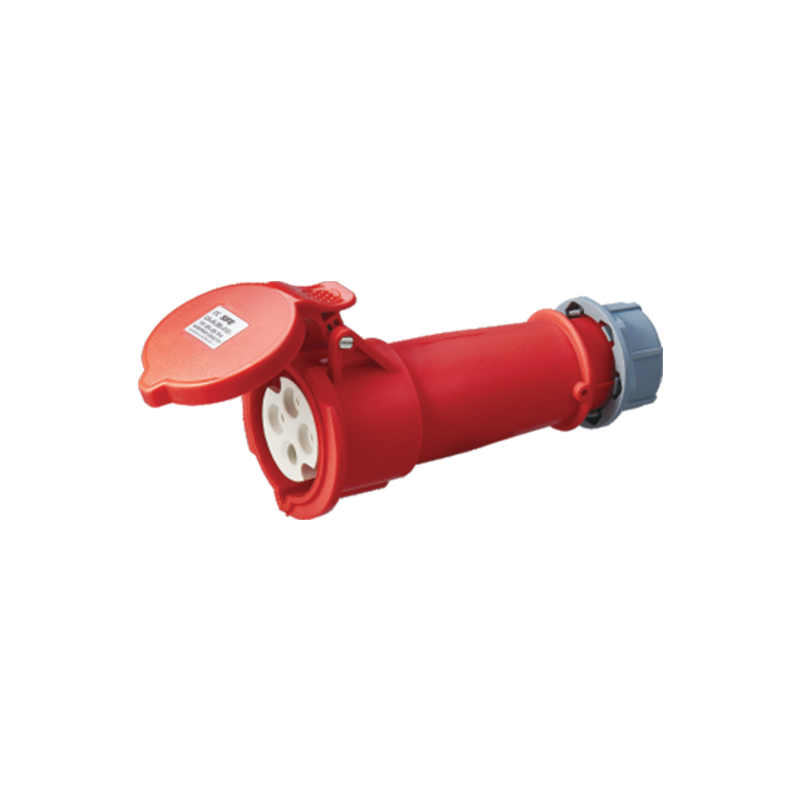
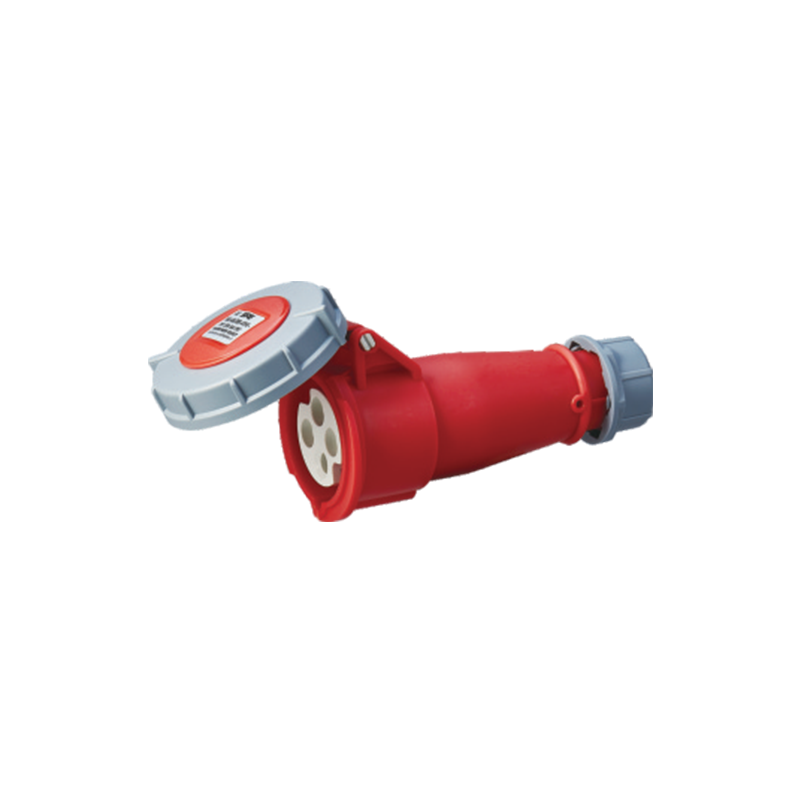
Direct connectors are also an innovative design that influences the future development of electrical sockets. Unlike traditional plugs and sockets, these connectors support direct power connection to equipment, simplifying the wiring process. This structure lowers the possibility of loose connections, which can otherwise lead to power failures and potential safety risks.
In industrial environments, direct connectors present obvious advantages. They simplify the wiring of large mechanical equipment, shorten installation time, and reduce production downtime. Meanwhile, most direct connectors can withstand high power loads, making them ideal for high-energy-consumption equipment.
The popularity of modular design in electrical systems has further promoted the application of direct connectors. Modular configurations support flexible adjustment and capacity expansion, which is especially suitable for industries with changing power demands. As enterprises pursue higher operational flexibility and efficiency, direct connectors are gaining wider application.
Safety and Compliance
Along with the upgrading of electrical sockets, safety performance and compliance with international standards have received unprecedented attention. Manufacturers keep optimizing the structure and production process of sockets to meet strict safety norms, which is particularly critical in industrial environments where electrical faults may cause serious consequences.
Industrial wall outlets, plug boxes, and direct connectors usually undergo strict testing to verify their safety performance. Indicators including electrical insulation, heat resistance, and environmental adaptability are fully evaluated. Therefore, modern electrical sockets not only fulfill basic power supply functions but also provide enhanced protection for users and equipment.
The adaptation of electrical sockets to modern technology reflects the continuous progress of the entire power system. Driven by smart technology, industrial wall outlets, industrial plug boxes, and direct connectors all play a vital role in improving efficiency, safety, and user experience. With continuous industrial innovation and technological upgrading, the demand for advanced power supply solutions will keep increasing.
In such a rapidly changing field, manufacturers must keep pace with market demands and develop products that meet the latest requirements of users and enterprises. By focusing on safety, efficiency, and practicality, the electrical socket industry will maintain its momentum of development and stay competitive in the evolving technological landscape. The future of electrical sockets is not limited to power transmission; it aims to build stable, safe, and efficient connections for the devices that support modern society.
