
 English
 Español
 中文简体
中文简体
Address: No. 199, Weiwu Road, Yueqing Economic Development Zone, Zhejiang Province, China.
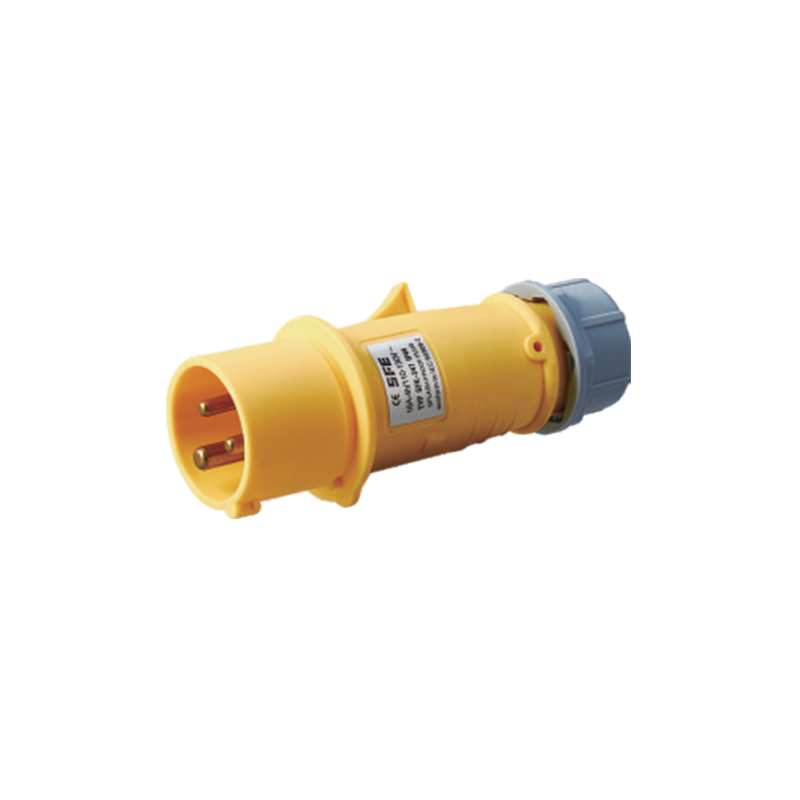
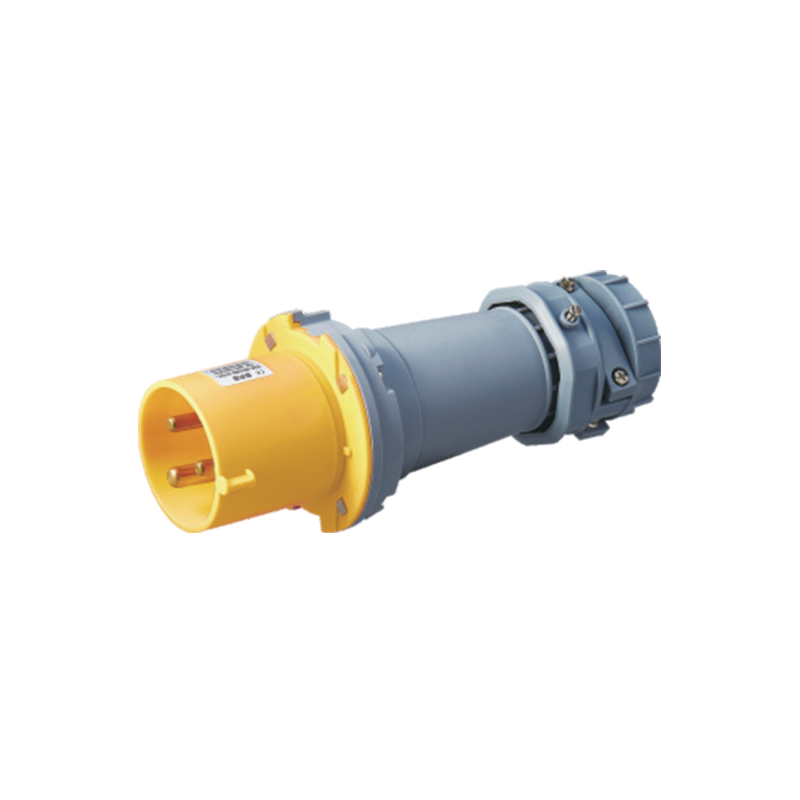
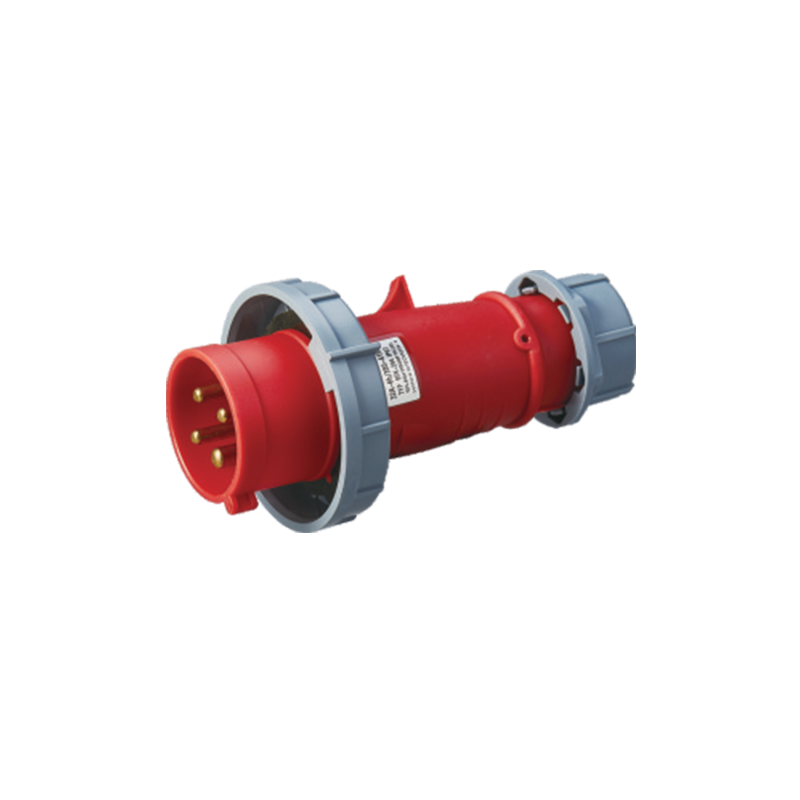
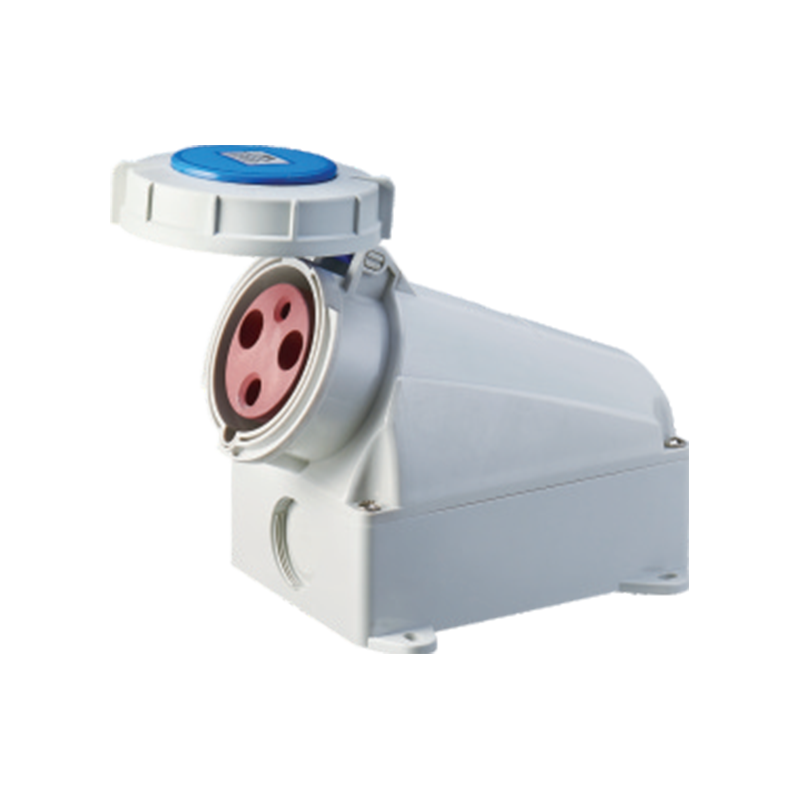
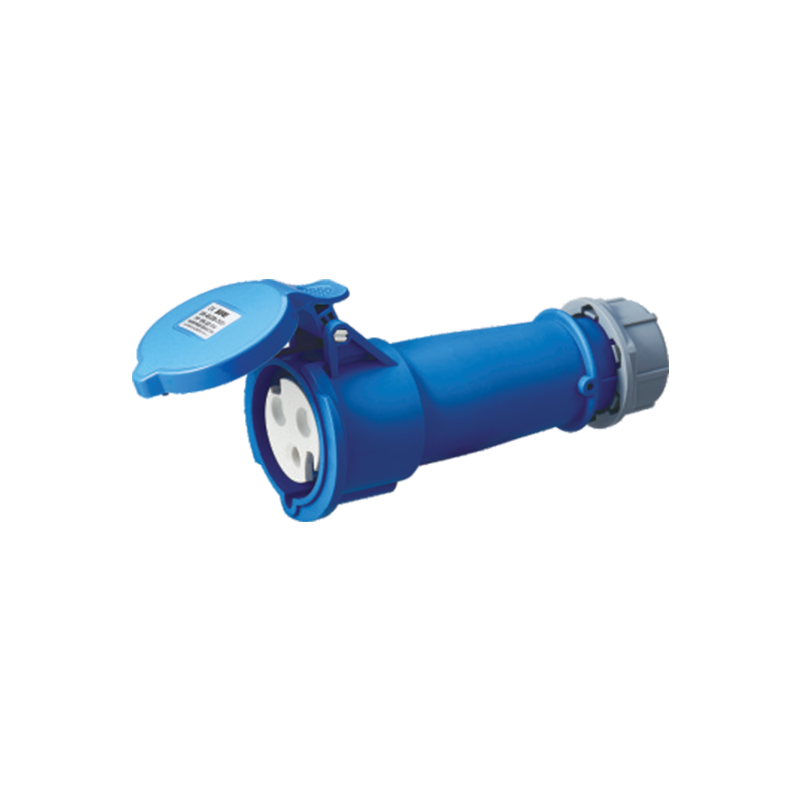
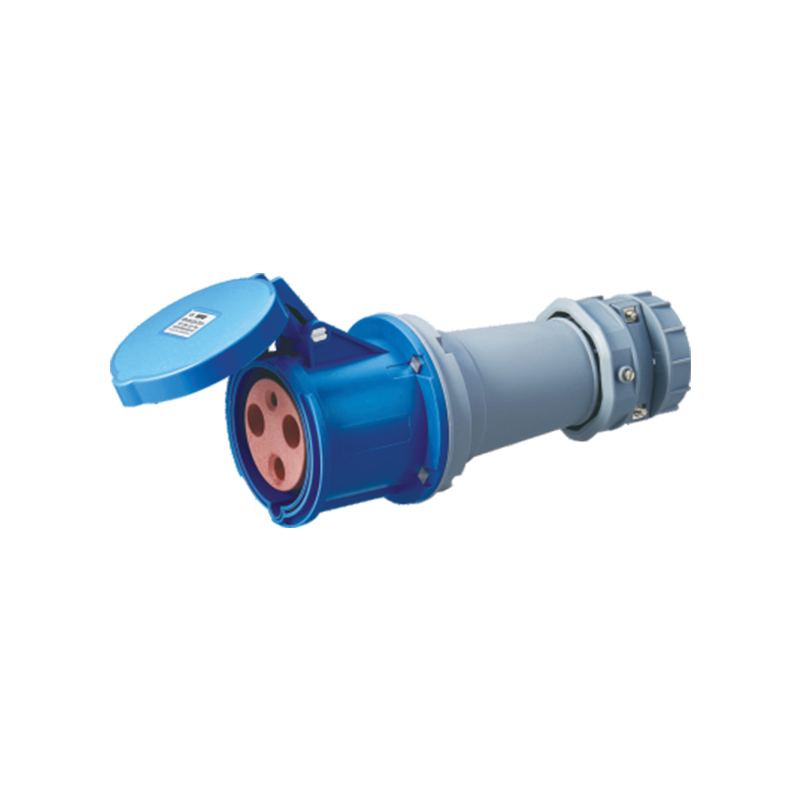
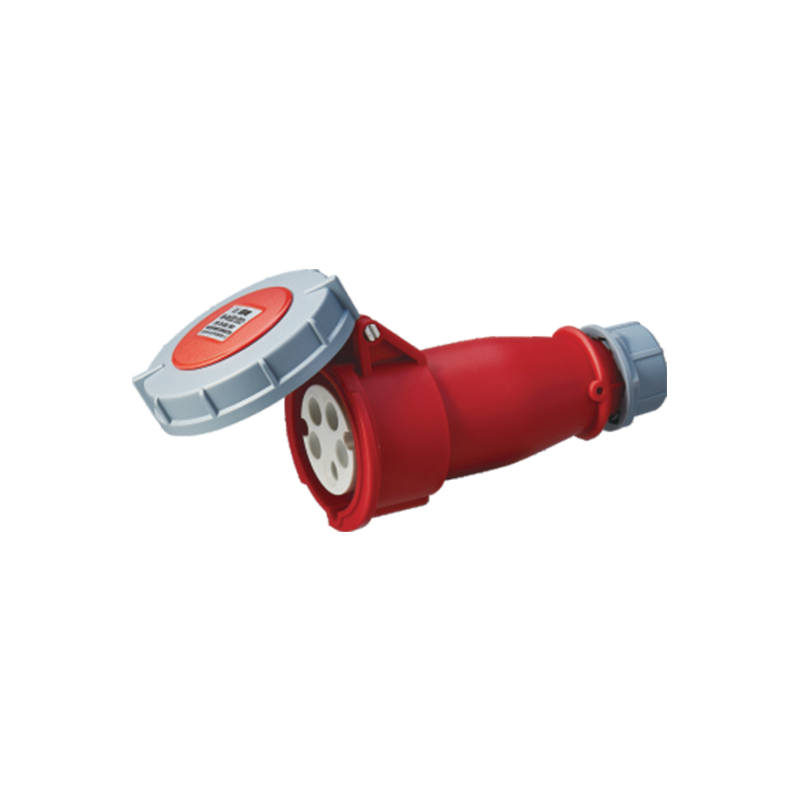
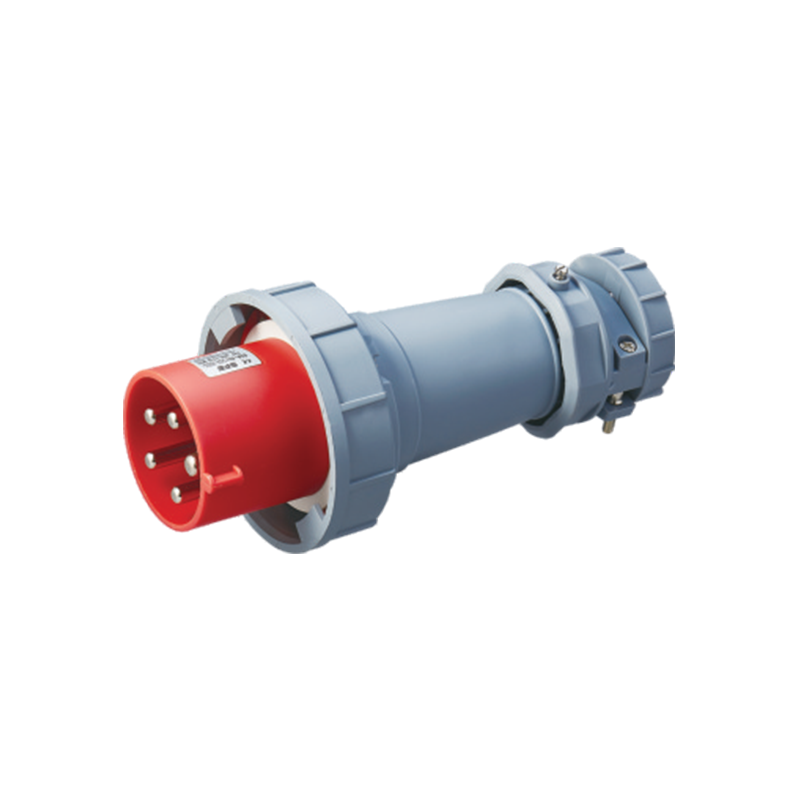
Connection problems in industrial electrical systems do not usually happen suddenly. They often come from slow damage caused by water, dust, shaking, and being used many times. When power connections are used in places with these conditions, the design of the plug itself can change how often problems happen. The Waterproof Industrial Plug and the 230v Industrial Plug are often chosen where steady power is needed, even when the environment is wet or dirty.
Connection problems usually start from two things working together: the environment and physical stress. Knowing how waterproof industrial plugs handle these things helps people choose, install, and care for them correctly.
Knowing Why Connections Often Fail
It is good to know the common reasons for plug failure. Water getting inside is a major cause, but other things usually happen too.
Water in a connector can lower insulation resistance. This can let small leakage currents form. Over time, this can make the voltage unsteady and affect machines. Also, vibration and plugging/unplugging the connector many times can loosen the metal contacts or damage the seals. Dust and small particles can also interfere with the contact surfaces, especially if the air is humid.
For a 230v industrial plug, these problems are serious. This voltage is used for many industrial tools, machines, and support systems. Any unreliability at the plug can affect how equipment runs and how often it needs repair.
How Waterproof Design Stops Moisture Problems
A waterproof industrial plug works well because of several design parts working together. These parts limit water entry. By controlling moisture, the plug tackles a main cause of failure.
Seals are placed at a few key spots—like where the plug meets the socket and where the cable enters the housing. They’re there to block the main ways water likes to sneak in: splashing, condensation, or just creeping along the outside of the cable. Keeping water away from the metal contacts and conductors means way less chance of corrosion or damaged insulation.
This method does not remove all environmental danger. But it helps keep electrical performance stable for a longer time. This is especially useful outdoors or in places that get washed down.
Keeping Good Contact Pressure and Steady Power
Connection problems are often linked to poor contact pressure. If the metal contacts become loose or misaligned, electrical resistance goes up. This can cause local heating or power that cuts in and out.
Waterproof industrial plugs often use contact designs that stay firmly connected. This happens even with vibration or temperature changes. By keeping the contacts in the right place, the plug reduces tiny movements that cause wear.
In a 230v industrial plug, steady contact pressure also keeps the electrical behavior predictable. When resistance stays normal, there is less risk of breakers tripping for no reason, voltage changing, or equipment shutting off unexpectedly.
Strong Housing and Physical Protection
The outer shell on these waterproof industrial plugs does a lot to prevent failures—it basically acts as a tough shield for everything inside. In real industrial settings, stuff gets knocked around a lot: things bang into it, cables get yanked hard, or someone accidentally steps on or drops something on the plug. That rugged outer housing takes most of those hits so the delicate electrical connections and seals don't get wrecked.
Strong plastic housings are common. They resist bending and cracking even under repeated stress. When the housing keeps its shape, the seals inside stay pressed tight, and the contacts stay aligned.
This strength supports good connection quality for the long term. It makes sure the environmental protection keeps working correctly through normal daily use.
Cable Entry Design and Avoiding Failure
The point where the cable enters the plug is often a source of problems. Without good strain relief and sealing, movement here can loosen the internal wires or let water in.
A waterproof industrial plug usually has a built-in cable gland. This part gives mechanical support and seals at the same time. The design pulls forces along the cable. It does not put all the force directly on the internal screw terminals.
Good cable entry design prevents several problems at once.
- It limits wire movement that can loosen terminal screws.
- It keeps the seal around the cable jacket effective.
- It lowers the risk of the internal wires breaking from fatigue.
For 230v industrial plug setups with portable equipment, this is very important. These plugs are moved and repositioned often.
Separating Conductive Parts Inside the Plug
Another way waterproof industrial plugs reduce failure is by keeping the conductive parts apart inside. Insulating walls and careful spacing are used. This manages both electrical safety and environmental exposure.
By keeping the live and neutral conductors properly separated inside the plug body, the design makes it much harder for any moisture or grime to bridge across the contacts and cause trouble. That physical gap really helps maintain stable electrical performance—even if a bit of water or dust manages to get into the outer parts of the connector.
For people trying to find an intermittent electrical fault, this internal design often explains why waterproof plugs have fewer mysterious problems compared to plugs that are not sealed.
