
 English
 Español
 中文简体
中文简体
Address: No. 199, Weiwu Road, Yueqing Economic Development Zone, Zhejiang Province, China.
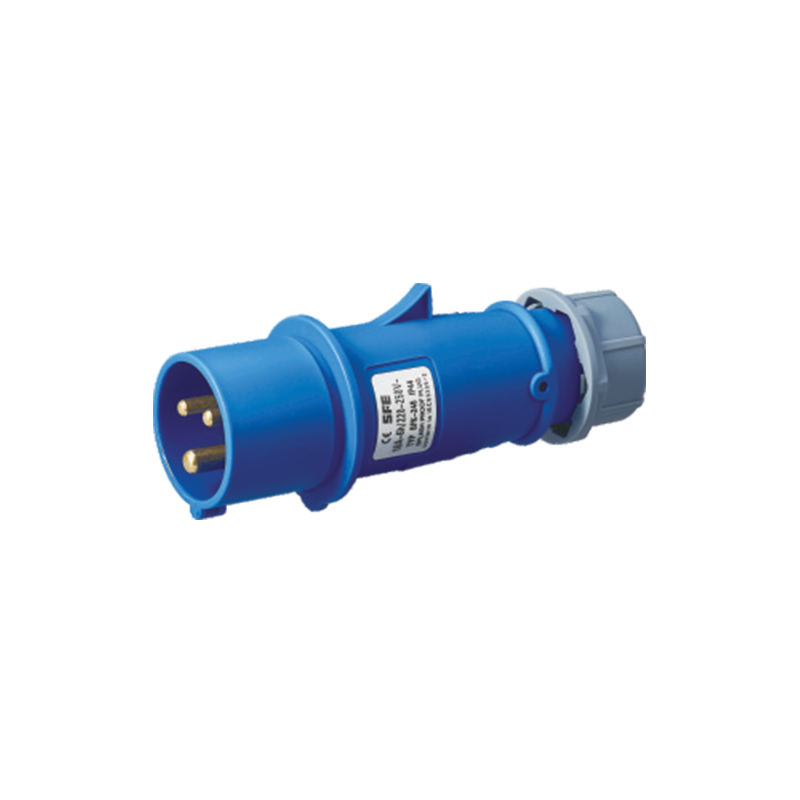
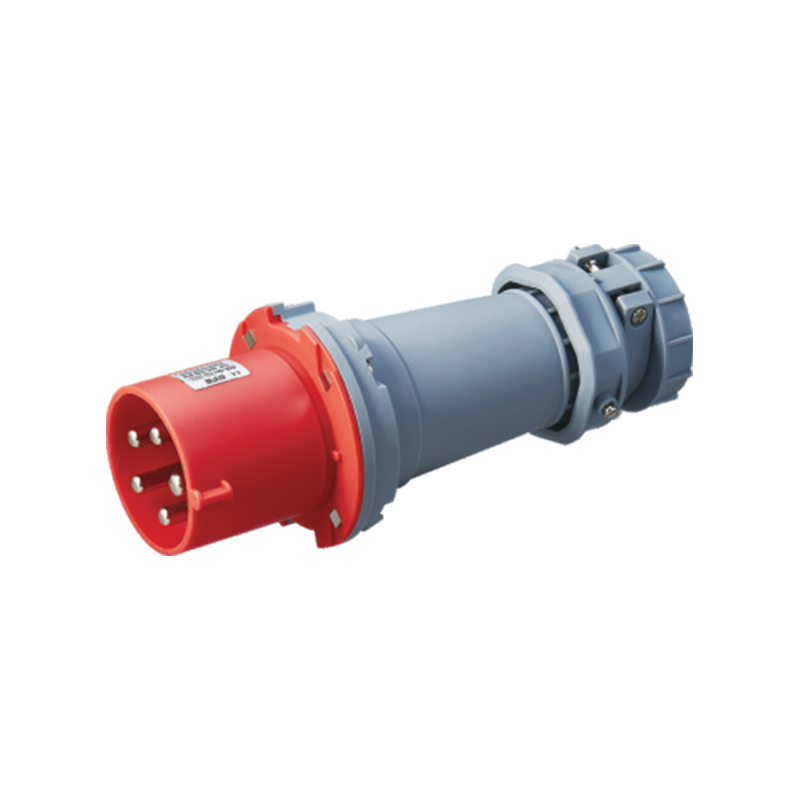
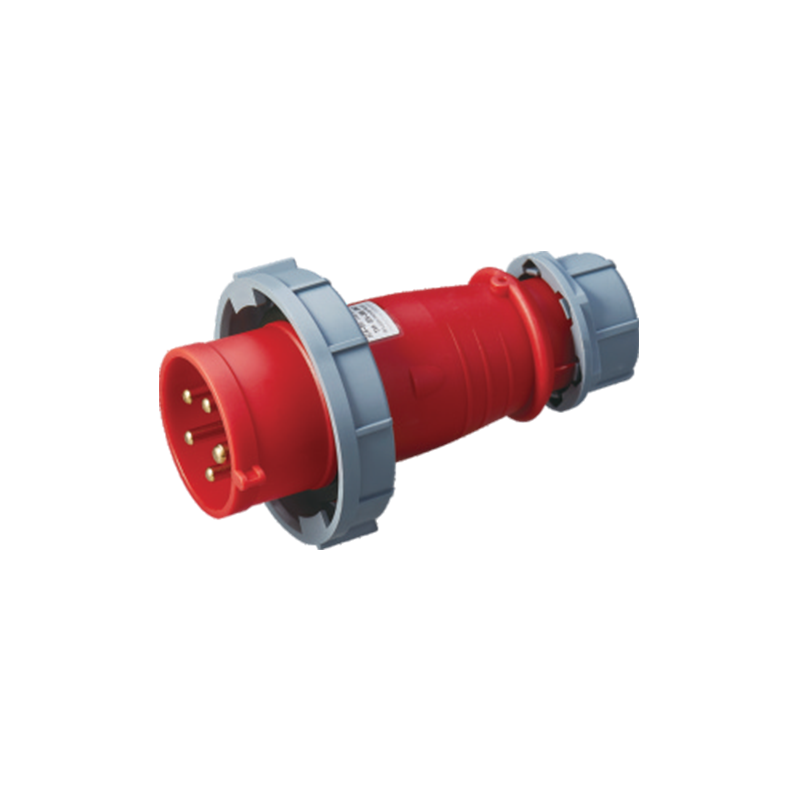
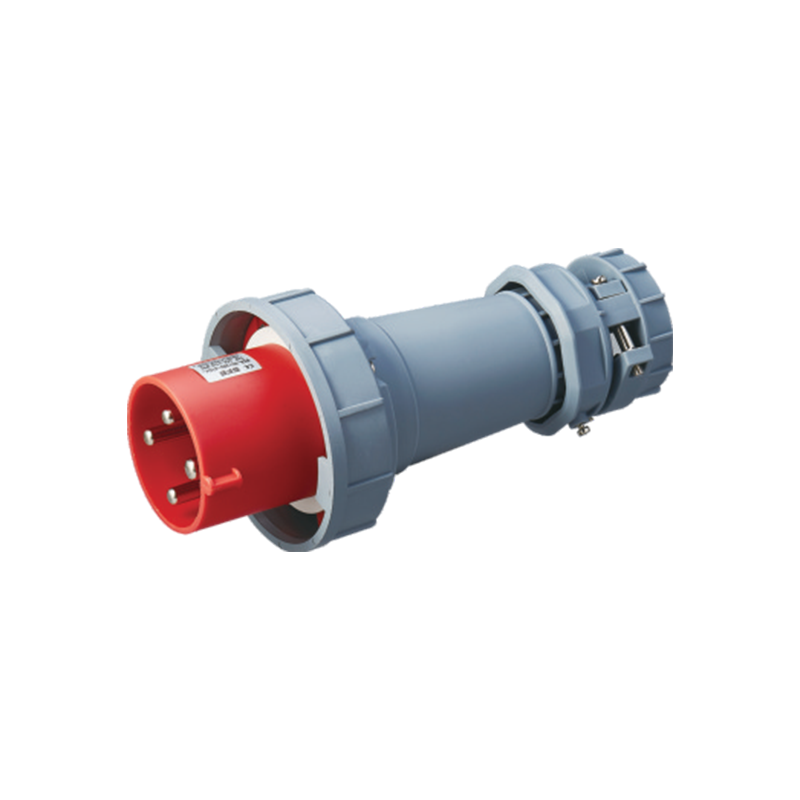
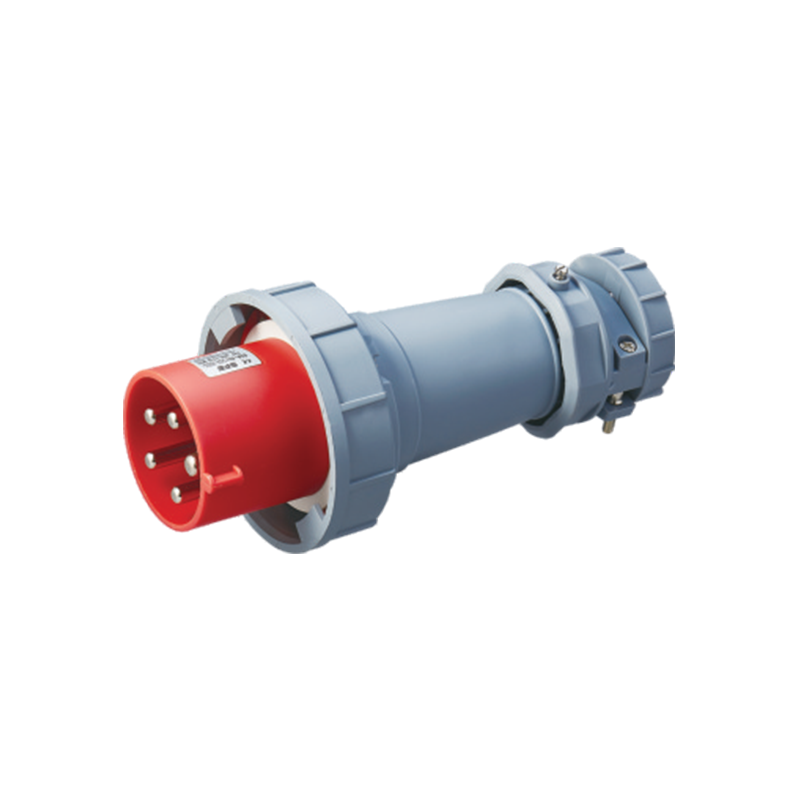
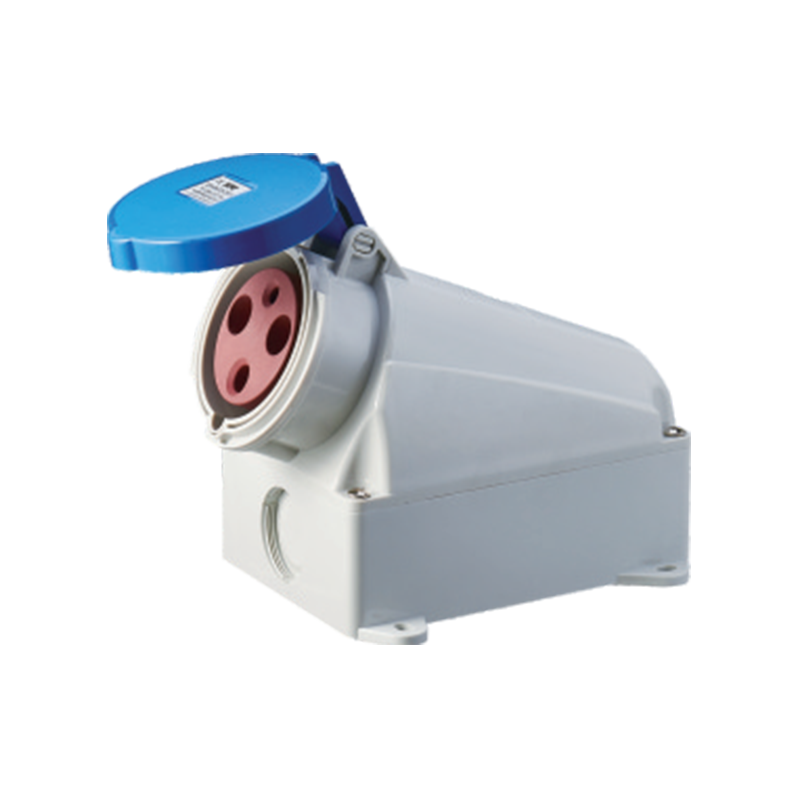
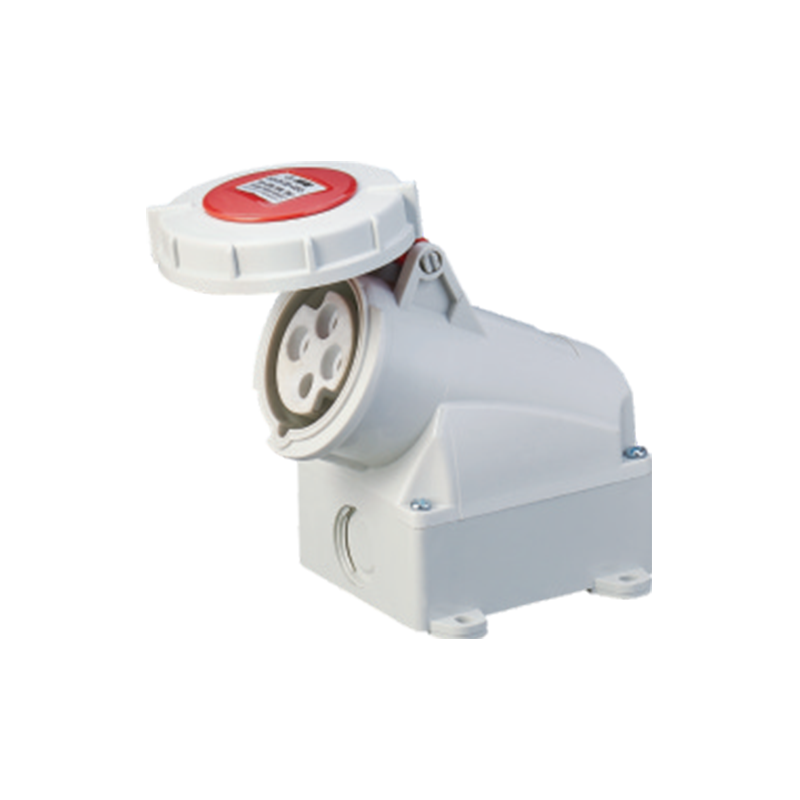
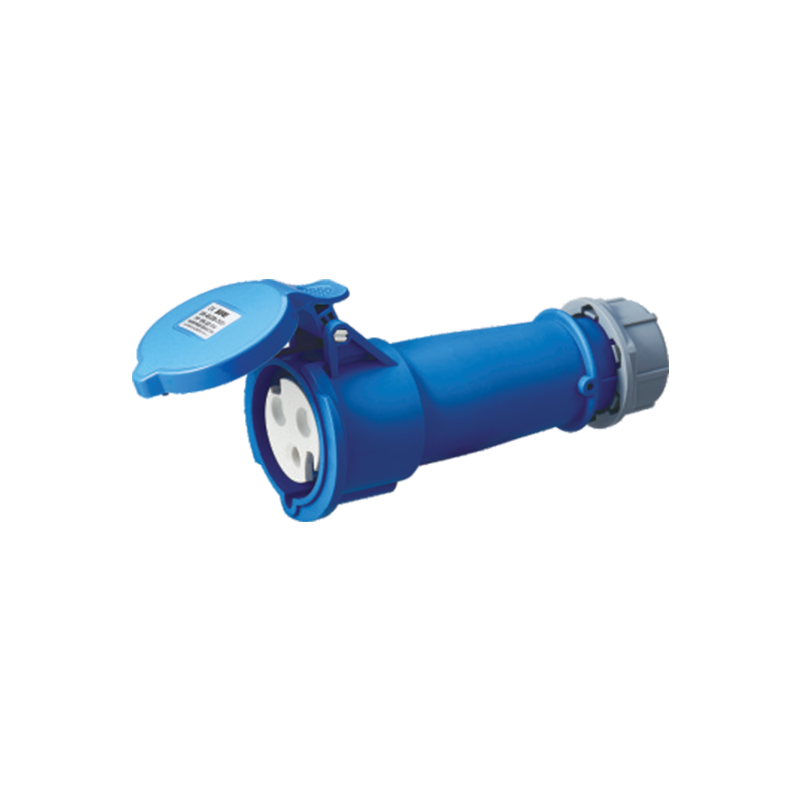
At 125A, 200A, 400A and beyond, connectors feed generators, mining equipment, and ship-to-shore supplies. A high current plugs and sockets factory does not simply scale up a small design. The physics changes.
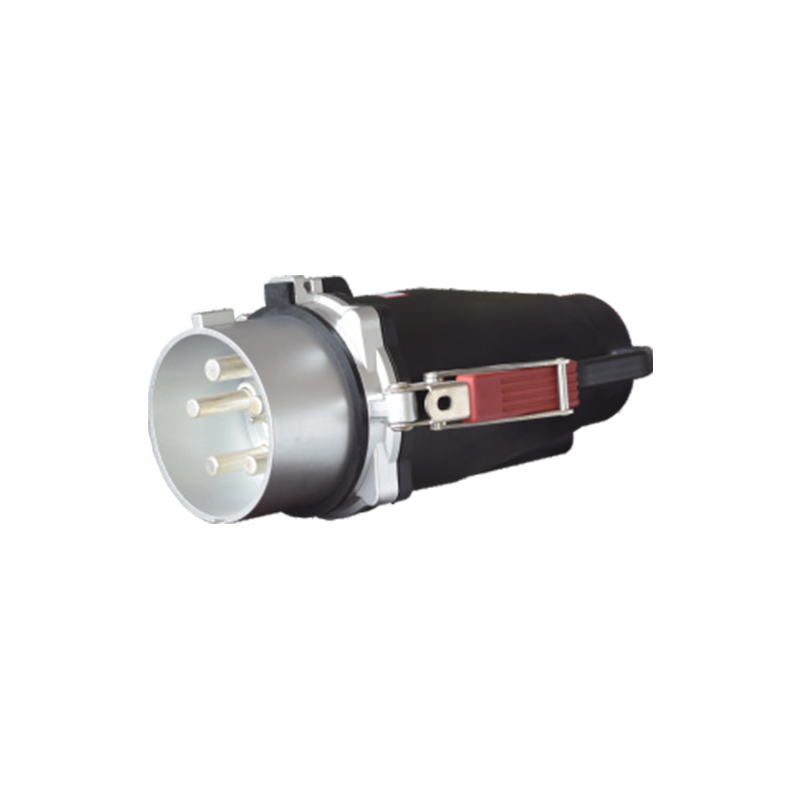
Contacts Are the Heart
At high current, contact resistance dominates. A milliohm extra generates heat measured in watts. Contacts should be solid copper alloy, not brass. Silver plating is essential. Silver oxide conducts. Copper oxide does not. That single detail decides whether the connector runs cool or hot after a year in service.
Sleeve contacts need internal spring elements. Beryllium copper or phosphor bronze springs maintain grip as the metal fatigues. A cheap factory relies on sleeve wall tension alone. That works for the first hundred cycles. Then the sleeve relaxes, resistance climbs, and the connector fails. Ask for a cycle test report. A decent connector survives thousands of mate-demate cycles without exceeding its temperature rise limit.
The Housing
These plugs are heavy. A 400A connector can weigh several kilograms. Drop it, and the impact energy is serious. Housing options:
- Glass-fibre reinforced polyamide: light, non-conductive, corrosion-resistant
- Cast aluminium: handles impact, dissipates heat, needs corrosion protection
- Stainless steel: for food processing and offshore use
- Vulcanized rubber: flexes on impact, good for mining, degrades in UV and oil
- Pick the housing for the environment, not the price.
Pilot Contacts
High current connectors carry auxiliary pilot contacts. These engage first and break last. The control system verifies the connection before energizing the load. This prevents arcing at the main contacts. Test the sequence on a sample. Push the connector together slowly. The pilot contacts should engage before the main pins bottom out. If the sequence is unclear, the mechanism is loose.
Switch Interlocks
Many high current sockets include an integrated switch with mechanical interlock. The switch must be off before the plug can be inserted or removed. The plug must be fully seated before the switch can turn on. This is safety-critical. If the interlock fails, an operator can pull a live plug under load. The resulting arc is severe. A high current plugs and sockets factory should test every interlock mechanism before shipping.
Environmental Sealing
High current connectors often work outdoors. Mining sites are dusty. Docks are wet. IP66 or IP67 should be standard, not an upgrade. The sealing system must work with heavy cable attached. A single O-ring is not enough. Look for double sealing rings or a compression gasket. The cable gland must match the actual cable diameter. A universal gland that claims to fit everything usually seals nothing.
Terminations
At high current, termination method affects reliability directly. Crimp lugs bolted to flat bars are common. Large cage clamps work too. The key is contact area. Check the terminal cavity. A 400A plug takes cable up to 240mm². The terminal must accommodate that lug without a sharp bend. Check creepage and clearance distances between phases. A high current plugs and sockets factory should quote the dielectric test voltage and small creepage distances. If they cannot, they are guessing.
Sample Tests
When samples arrive, do this:
- Measure contact resistance across a mated pair. Mate and unmate fifty times. Measure again. The shift should be small.
- Load to rated current for one hour. Measure temperature rise at the contacts and housing.
- Submerge a mated pair for 30 minutes. Open it. No water inside.
- Tug the cable hard at the gland. Conductors must not move.
- Open the housing after the load test. Check all screw terminals for tightness.
Factory Audit Points
Watch the contact assembly area. Silver plating must be uniform and bright. Check the tooling for crimping or welding. Worn tools produce inconsistent joints. Ask to see the high-current test bay. A serious factory runs connectors at full rated current and logs temperature data. Testing at reduced current and extrapolating is not reliable.
A high current plugs and sockets factory makes safety equipment. Treat sourcing like buying switchgear. Check contacts, interlocks, sealing, and test data. Connectors that pass will run for years. Those that fail will do so at the worst moment, on a dark site with no power.
