In a world where devices follow us from living rooms to job sites, the humble electrical plug has had to adapt quietly but constantly. What looks like a simple piece of hardware is actually shaped by layers of practical needs—how we use power, where we use it, and how to keep everything running safely without much thought.
Understanding Industrial Electric Plugs
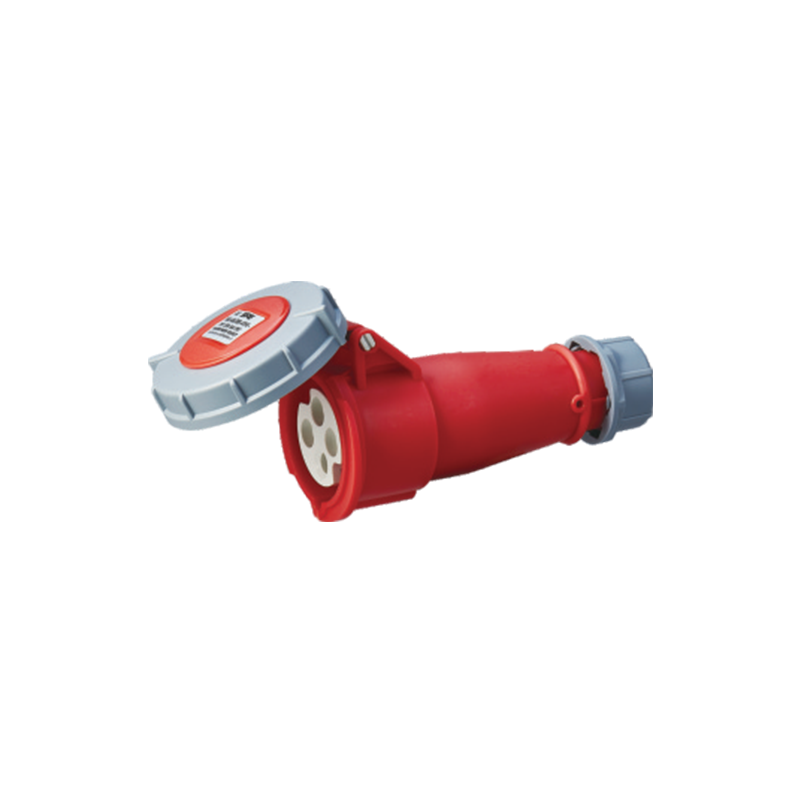
Electrical plugs act as a bridge between the power source and daily electronic equipment. They realize the transmission of electric energy while guaranteeing operational safety and stability. The structural design of plugs is particularly important, as they are widely used in homes, offices, industrial sites, outdoor areas and other environments with distinct conditions.
Multi-Plug Power Solutions
The multi‑plug power system represents one of the creative designs in the modern power connector industry. Such devices are able to supply power to multiple pieces of equipment at the same time, making them highly suitable for occasions that require simultaneous power supply for several appliances. Most multi‑plug systems are equipped with multiple jacks that support different voltage and current levels, allowing users to connect various devices without relying on additional independent sockets.
The flexibility of multi‑plug solutions also improves convenience in compact spaces, such as small residences and offices with insufficient socket resources. In addition, many of these products are integrated with surge protection functions to protect connected devices from voltage instability. The ability to supply power to multiple devices through a single interface effectively reduces wire clutter and improves space utilization.
The Role of Electrical Contact Connectors
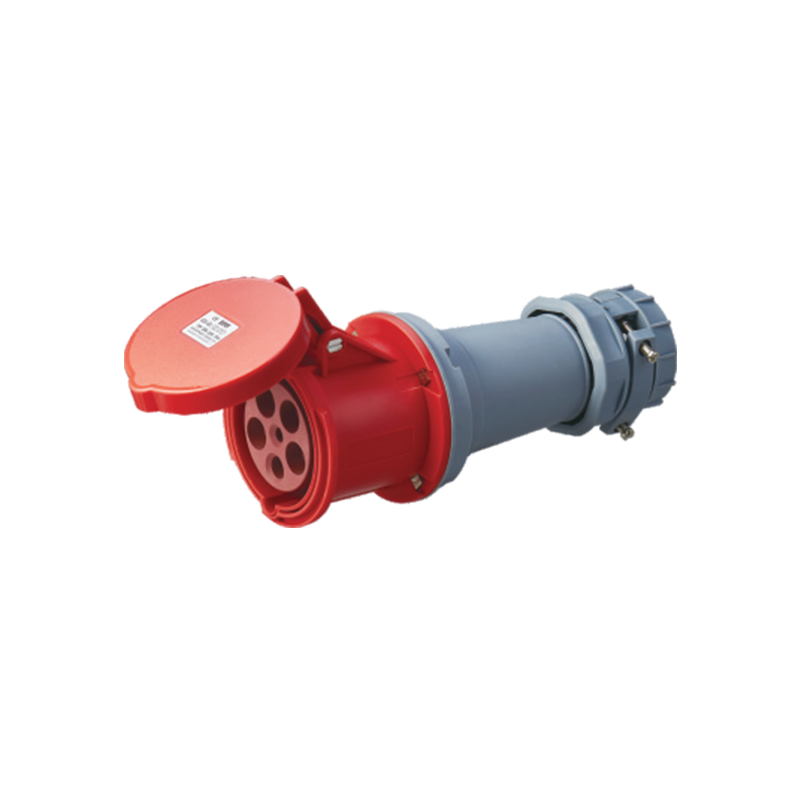
Electrical contact connectors form the core of any plug, creating a stable and low-resistance link between the plug and the socket. Their structure changes depending on the plug’s purpose. In homes people usually choose designs that insert easily and match common wall outlets. Industrial and commercial plugs on the other hand need stronger connectors built to carry larger currents and higher voltages without failing.
Durability receives careful attention during engineering. Connectors fitted in outdoor sockets have to withstand moisture dust and temperature swings so corrosion stays minimal. Brass receives frequent use while some designs add gold plating to keep contact surfaces clean and maintain good conductivity over many insertion cycles. The shape often includes elements that resist unintended separation keeping power uninterrupted in places where machines or tools must run without stopping.
Outdoor Electric Plug Sockets
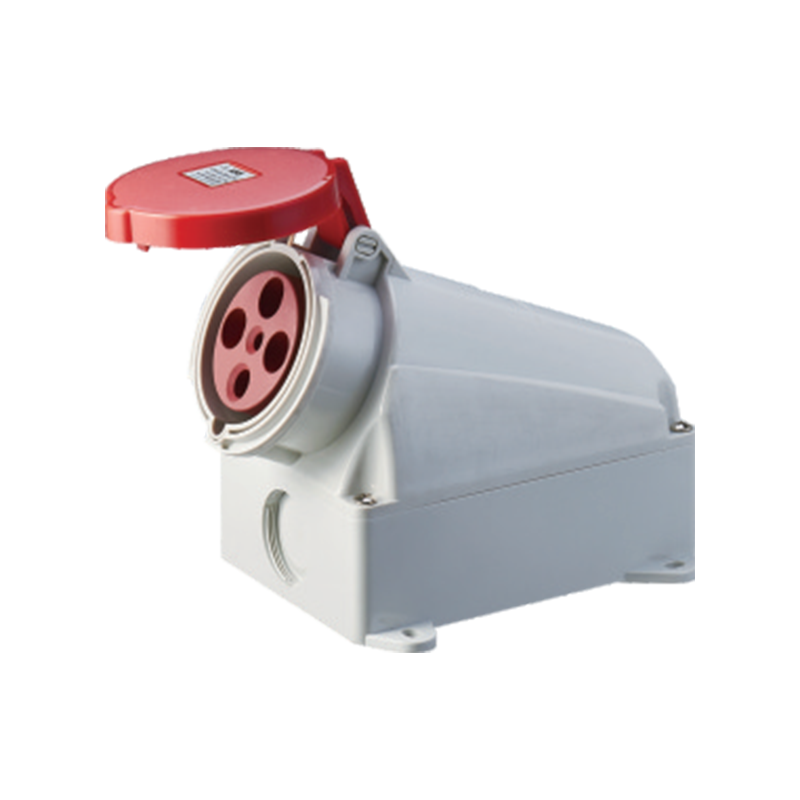
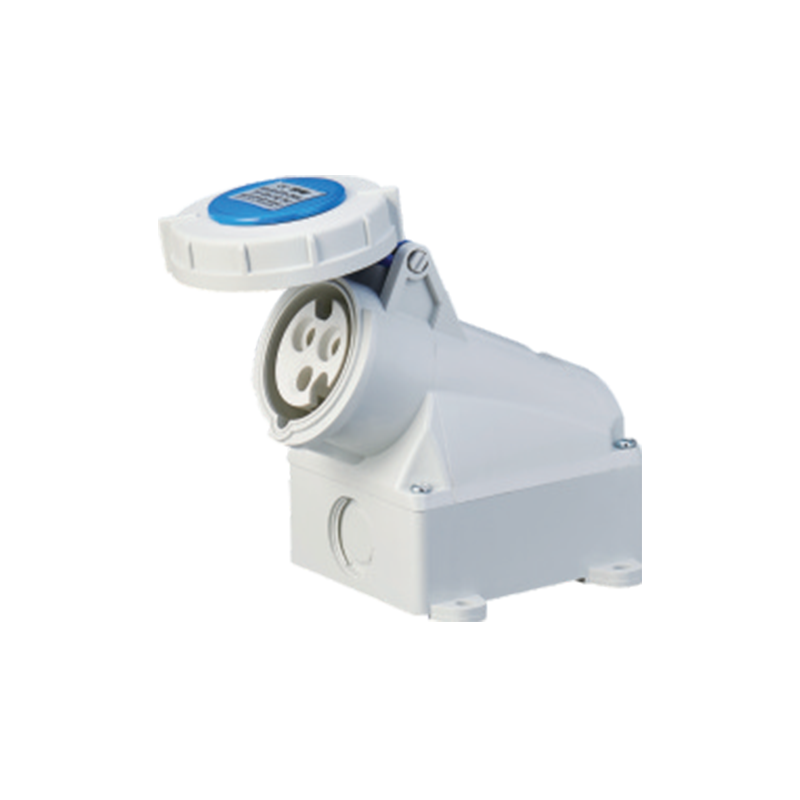
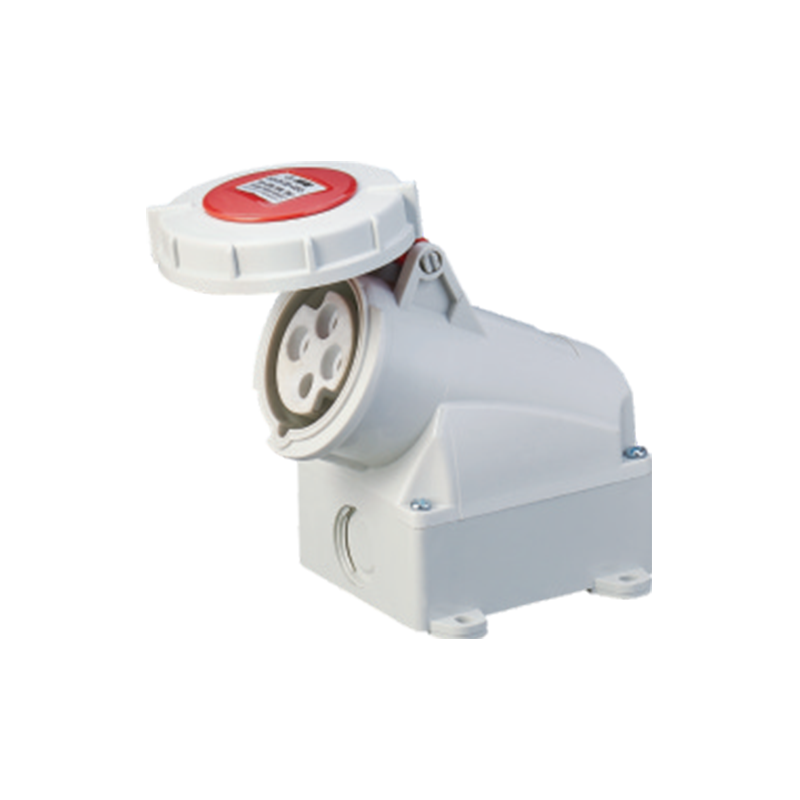
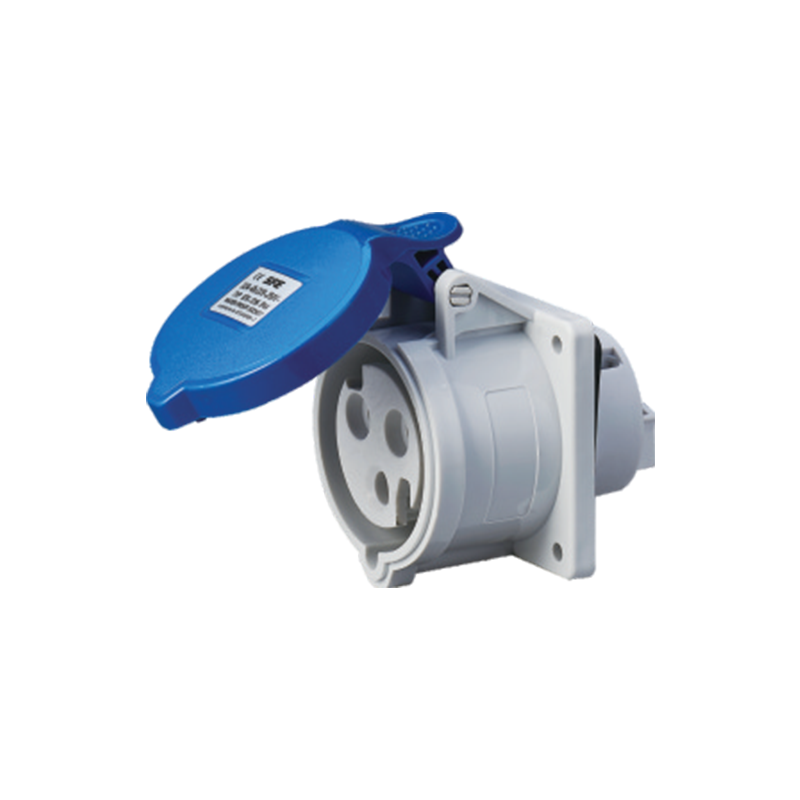
Outdoor electric plug sockets face demanding conditions from rain snow dust and wide swings in temperature so their build differs markedly from indoor versions and emphasizes greater strength overall.
Designers focus on several protective elements. Weatherproof enclosures keep water away from live parts which helps avoid short circuits and protects people who use them. Many models also incorporate spring-loaded shutters that seal the openings automatically when nothing is plugged in blocking rain dirt or small objects from getting inside.
These sockets handle heavier electrical demands too. Outdoor setups frequently power several items at once—string lights audio gear or portable heaters for instance—and therefore support higher current ratings while incorporating built-in circuit breakers or thermal protection. Such measures reduce the chance of overheating and keep everything running safely even under prolonged or heavy use.
Safety Standards and Regulations
The design of electrical plugs, particularly those used in varied environments, must adhere to stringent safety standards and regulations. Organizations set guidelines that manufacturers must follow to ensure the safety and reliability of their products. Compliance with these standards not only protects consumers but also promotes uniformity in electrical infrastructure across different regions.
For outdoor plugs, additional safety measures are often mandated, including the use of ground fault circuit interrupters (GFCIs) to prevent electric shock in wet conditions. Understanding these regulations is crucial for manufacturers to ensure that their products are both safe and functional in the intended environment.
The entire design process weighs multiple elements like surrounding conditions safety levels and practical handling. Multi-plug arrangements provide added flexibility for powering several devices at once electrical contact connectors deliver steady performance and outdoor sockets incorporate heavy-duty elements to resist weather extremes. Manufacturers concentrate on safety together with practical operation so plugs serve varied user requirements effectively. Ongoing improvements in materials and technology promise even better designs that keep devices powered reliably in any location.

 English
 Español
 中文简体
中文简体