
 English
 Español
 中文简体
中文简体
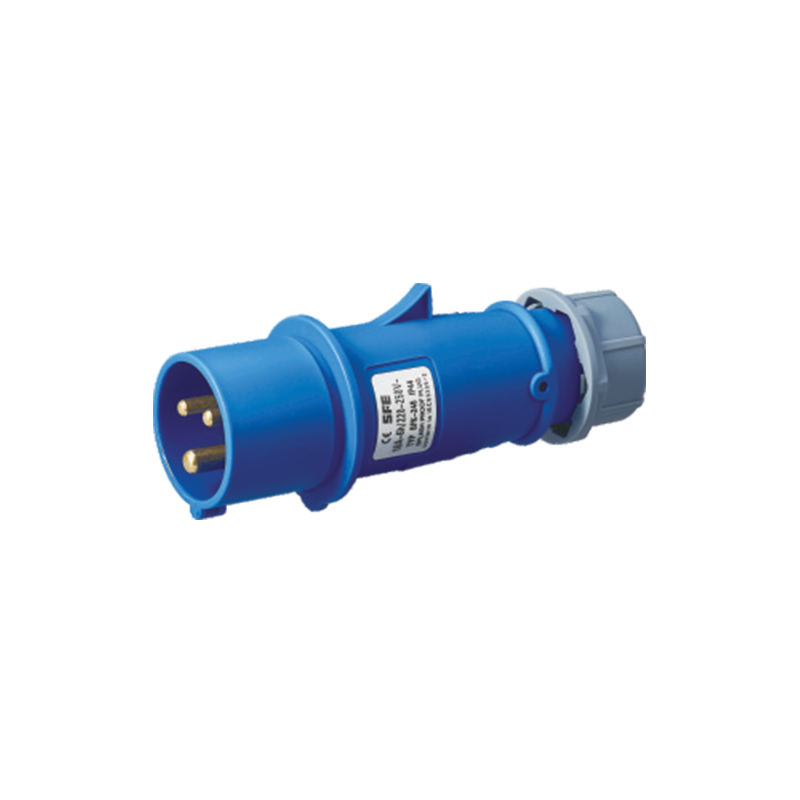
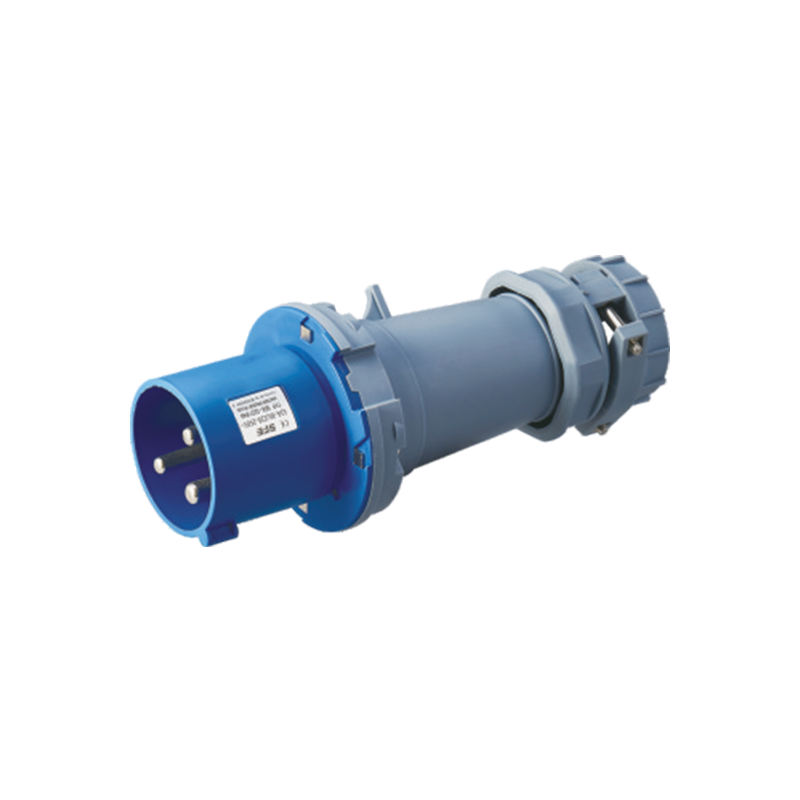
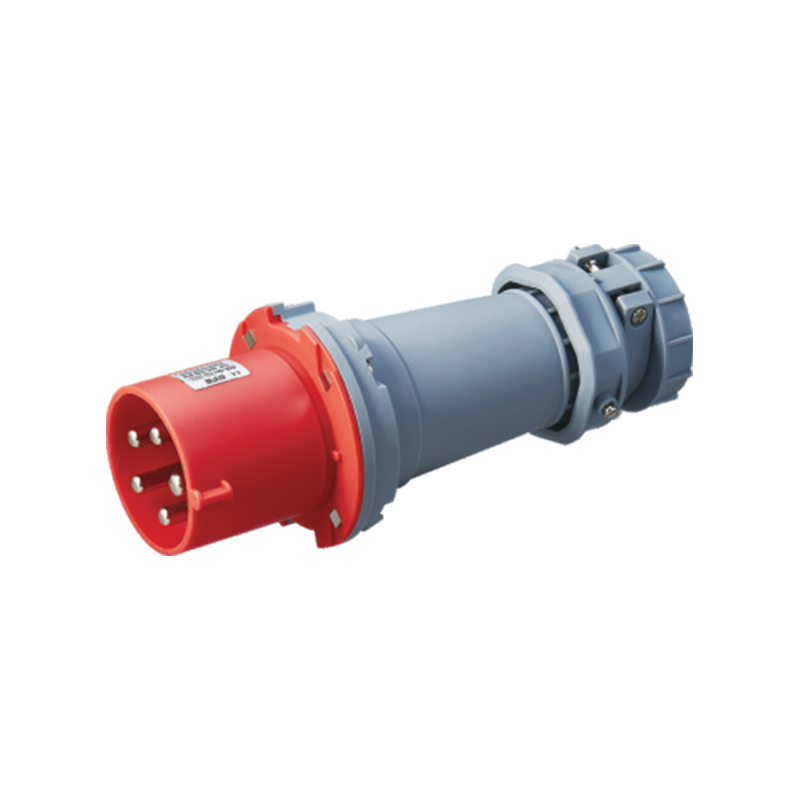
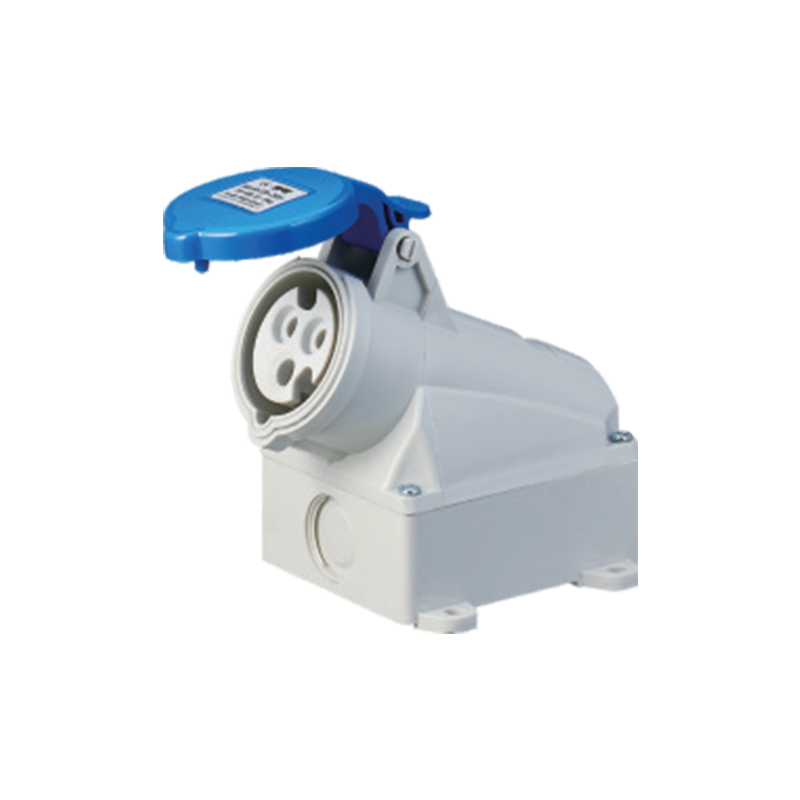
Address: No. 199, Weiwu Road, Yueqing Economic Development Zone, Zhejiang Province, China.
Industrial connectors serve as specialized devices for making secure electrical and signal connections in tough industrial conditions. They are specifically engineered to handle constant exposure to vibration, dust accumulation, water or oil splash, wide temperature swings, corrosive substances, and repeated mechanical impacts without losing reliability.
Their main characteristics generally cover the following:
- Ingress protection levels — The majority are rated at least IP67 according to IEC 60529, blocking complete dust entry and protecting against immersion in water up to 1 meter for 30 minutes. Higher-end models frequently reach IP68 for continuous or deeper submersion, and IP69K for surviving high-pressure, high-temperature washdown cycles common in food processing, bottling lines, or heavy cleaning environments.
- Material durability — Connector bodies are typically produced from die-cast zinc or aluminum alloys for strength and EMI shielding, or from advanced thermoplastics formulated to withstand impact, abrasion, long-term UV exposure, chemical attack, and thermal cycling without cracking or degrading.
- Locking and mating security — Reliable positive-locking systems—whether bayonet-style, threaded coupling, lever-actuated latches, or push-pull designs—ensure the mated pair remains firmly connected under heavy vibration, cable pull forces, or movement of machinery.
- Standardization and compliance — Most follow established international and regional standards (IEC 61076 series for circular types, UL 2237/2238 for power connectors, CSA approvals, etc.) to guarantee mechanical and electrical interchangeability between brands, as well as compliance for safety listings and hazardous location certifications (ATEX, IECEx, NEC Class I Div 2, etc.).
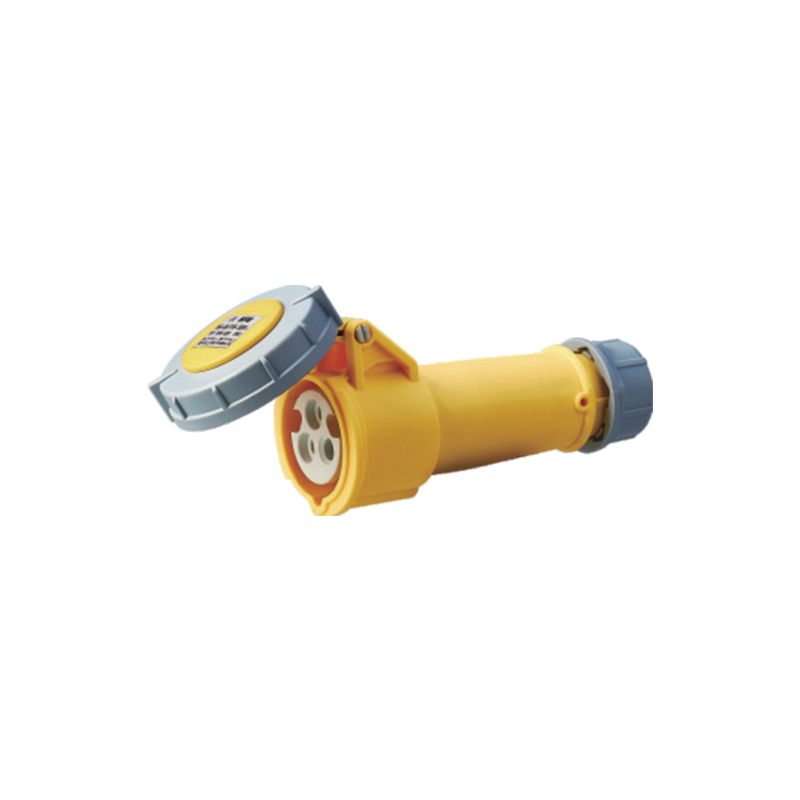
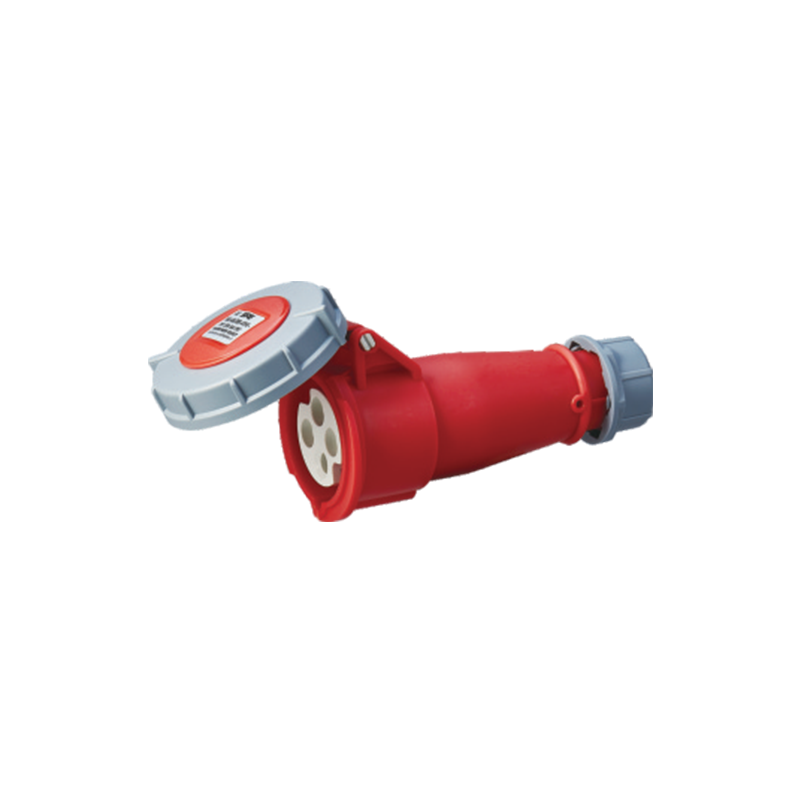
- Range of configurations — Available in circular formats (M5, M8, M12, M16, M23, 7/8", etc.), rectangular heavy-duty series (similar to Harting Han, Wieland RockStar, Mennekes PowerTOP), panel-mount receptacles, cable-to-cable couplers, terminal block adapters, hybrid versions that combine power and signal contacts in one housing, and more.
- Installation and service convenience — Terminations usually include crimp contacts for high-volume production, screw terminals for field wiring, spring-cage or push-in connections for tool-free assembly, modular insert systems that allow mixing contact types, and hoods/housings designed for quick release during maintenance or troubleshooting.
- Purpose-built variants — Dedicated families exist for explosion-hazard areas, continuous high-temperature operation (up to 180–200 °C), extreme cold, severe vibration/shock (rail, mining, off-highway), enhanced electromagnetic compatibility, underwater or marine use, and cleanroom or hygienic applications.
- Electrical and signal performance — Contact resistance stays low across the life of the connector, current-carrying capacity ranges from low-level signals to 200+ A per contact in power versions, voltage ratings support up to 1000 V or higher, and signal contacts maintain integrity for industrial Ethernet, PROFINET, EtherCAT, CAN, analog I/O, and other fieldbus protocols.
- Sealing design — Multiple sealing barriers (perimeter gaskets, individual wire seals, O-rings around contacts, backshell strain relief with sealing inserts, and sometimes full potting) work together to keep out moisture, oils, cutting fluids, and fine particulates over years of service.
When choosing the right industrial connector, pay close attention to these practical factors:
- Real-world environmental stresses: peak and sustained temperatures, vibration frequency and amplitude, types of liquids or chemicals present, risk of explosive atmospheres.
- Actual ingress protection requirement—do not rely on "good enough"; match or exceed the worst-case exposure (e.g., frequent hose-down, outdoor mounting, oil-mist environments).
- Electrical specifications: nominal and peak voltage, continuous and inrush current (always apply appropriate derating), frequency if AC, number and type of contacts needed, separation of power and sensitive signal lines.
- Physical constraints: compatible cable outer diameters, preferred mounting method (bulkhead/panel, surface mount, cable-to-cable), available installation space, target number of mating cycles (some applications demand 5000+ cycles).
- System-level compatibility: ease of integration with existing machines, future expansion plans, and availability of mating parts or repair kits.
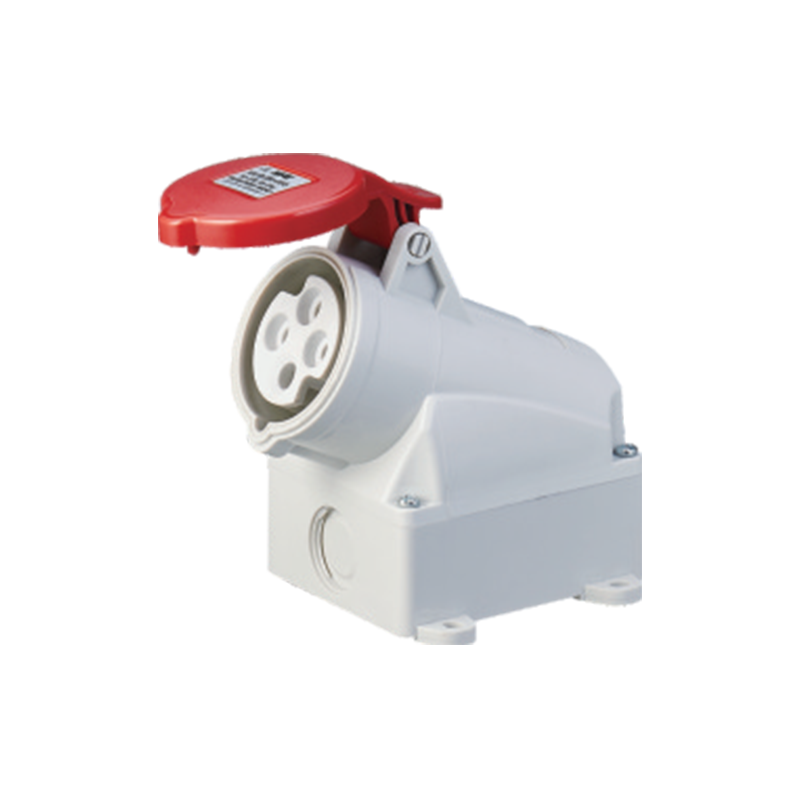
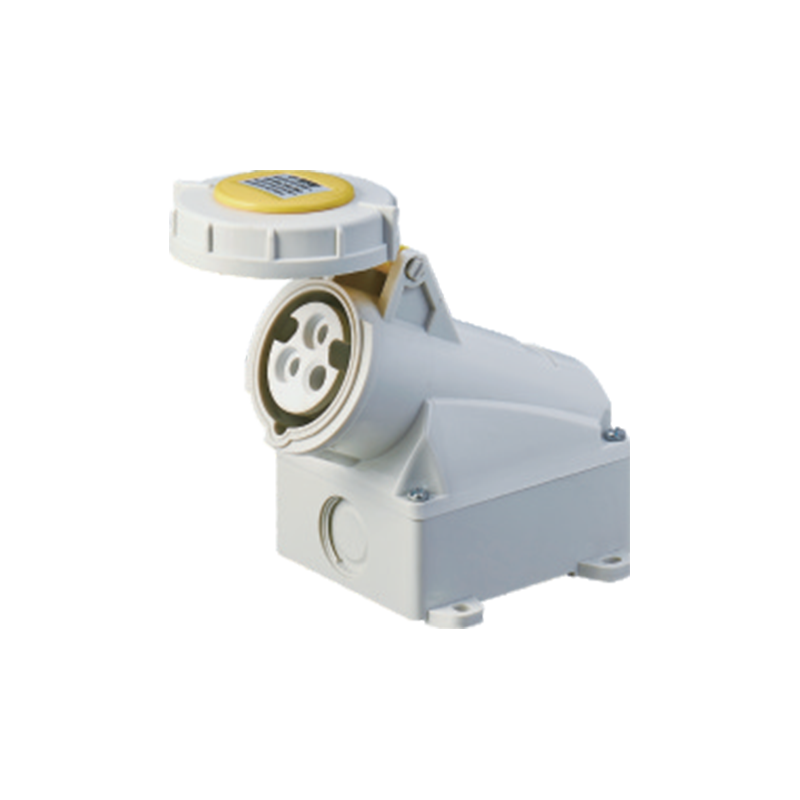
In the context of industrial automation systems, these connectors play a central role in linking power supplies, sensors, actuators, variable frequency drives, servo motors, robotic cells, conveyor controls, and distributed I/O modules. Wall-mount multi-position connectors (also called multi-plug panel-mount or distribution blocks) have become especially valuable in space-limited control cabinets, machine frames, and junction areas. By consolidating multiple separate power feeds and I/O signals into a single rugged, wall- or panel-mounted interface point, they drastically reduce the total number of individual cables, minimize wiring errors, shorten installation time, improve cable management, and make field servicing or system upgrades significantly faster and less error-prone.
When the connector is correctly specified for the application’s actual demands—rather than just picking the lowest-cost option—the result is noticeably higher system availability, fewer unexpected stoppages, better operator and equipment safety, and improved long-term productivity across the facility.
