
 English
 Español
 中文简体
中文简体

Address: No. 199, Weiwu Road, Yueqing Economic Development Zone, Zhejiang Province, China.
Industrial power distribution is one of those areas where "good enough" quickly becomes expensive—through downtime, overheating connectors, nuisance trips, or equipment damage. That's why the 63A industrial plug (most commonly in the IEC 60309 family) is so widely specified: it sits in the sweet spot for high-demand single-phase and three-phase loads while staying practical to install, maintain, and standardize across sites.
What Is a 63A Industrial Plug?
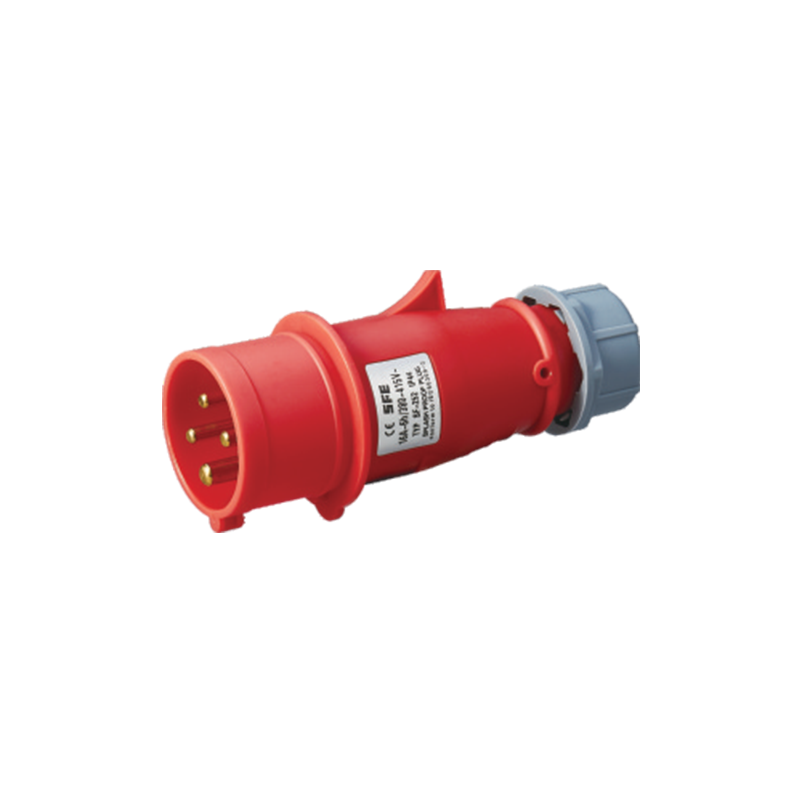
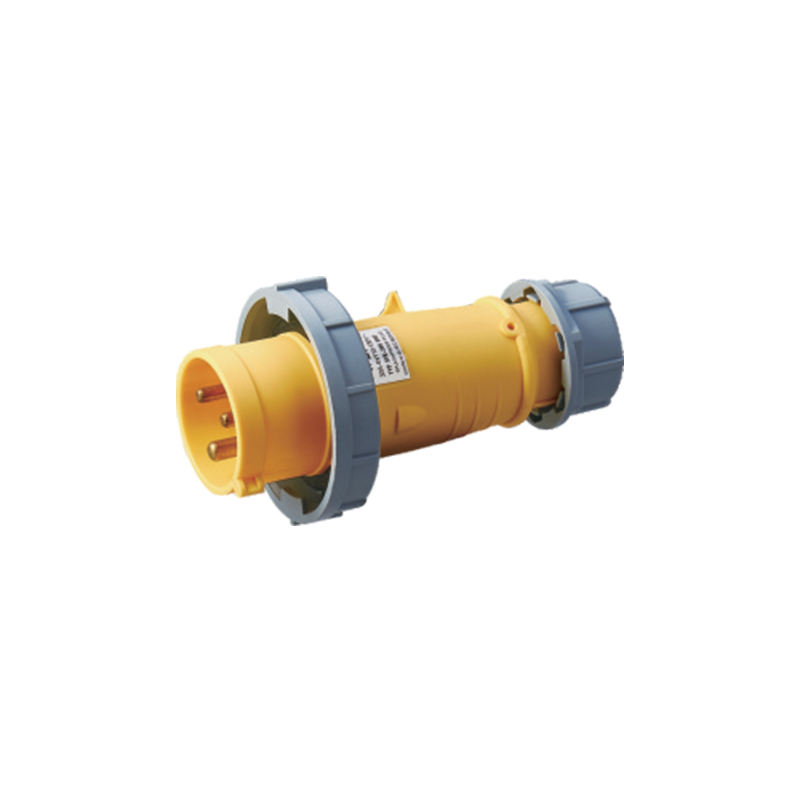
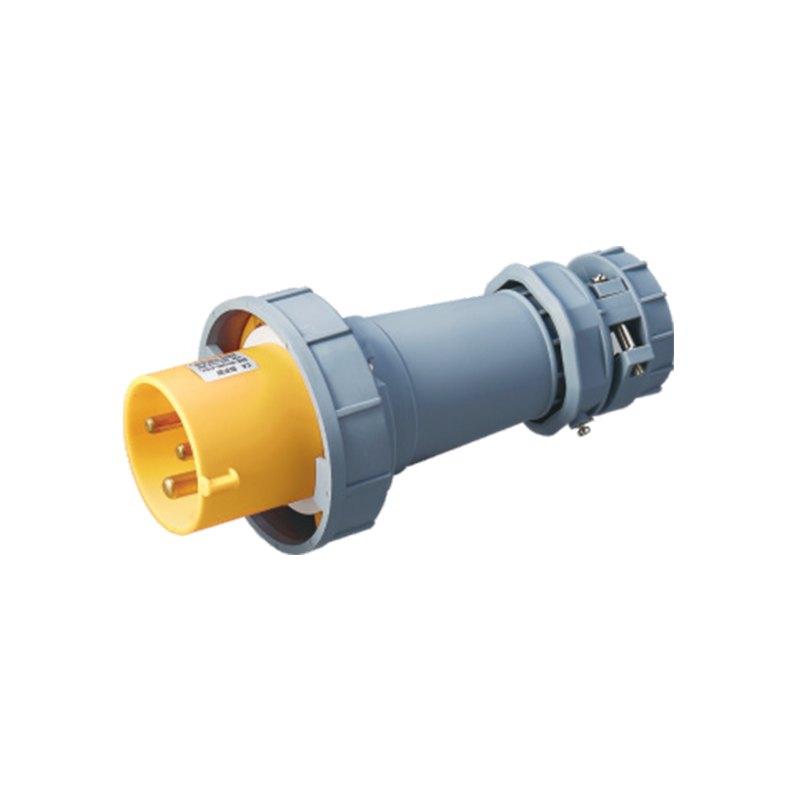
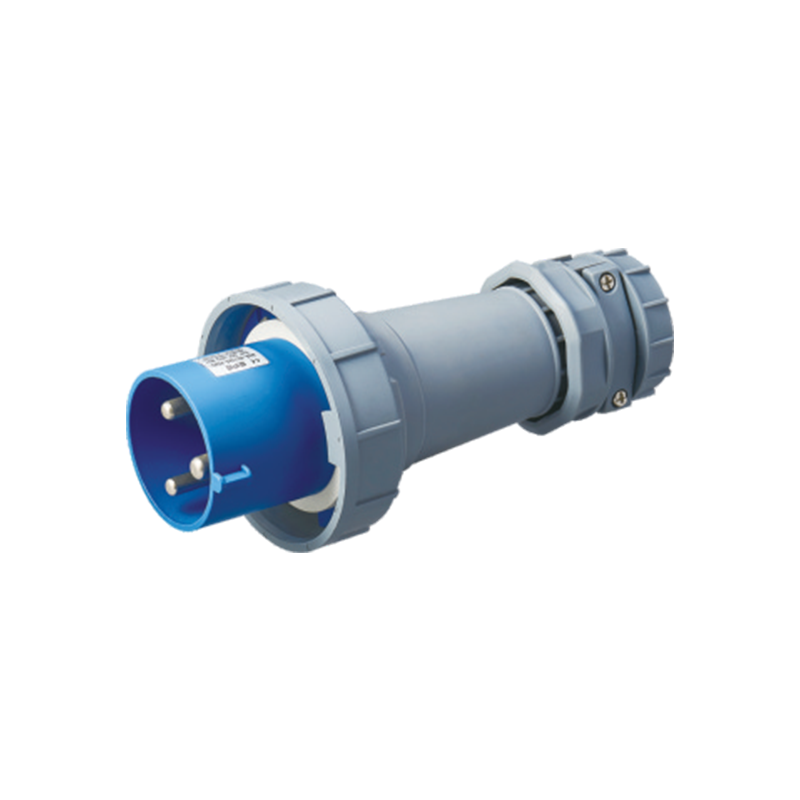
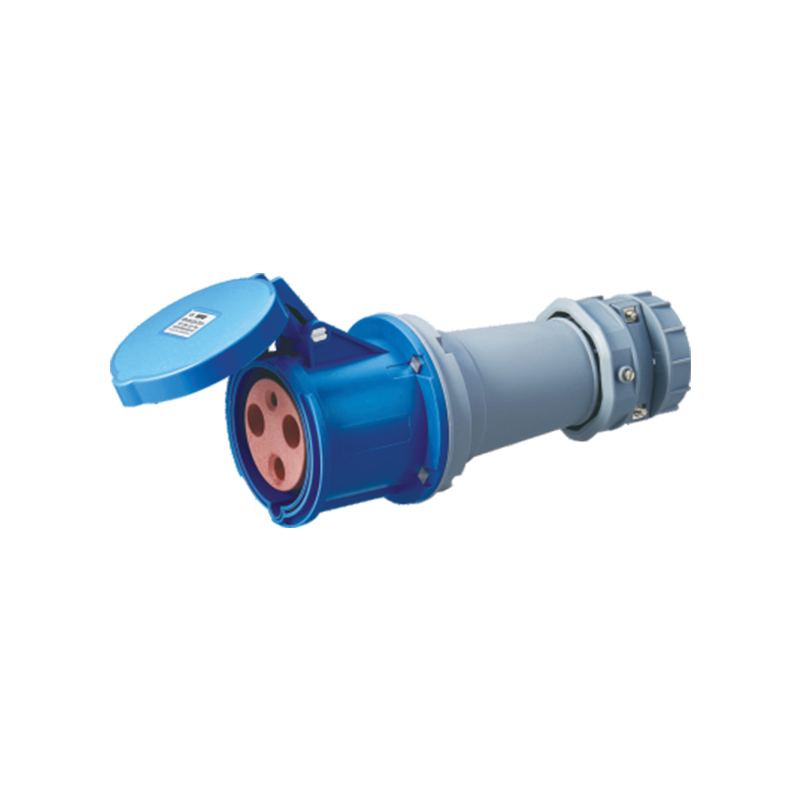
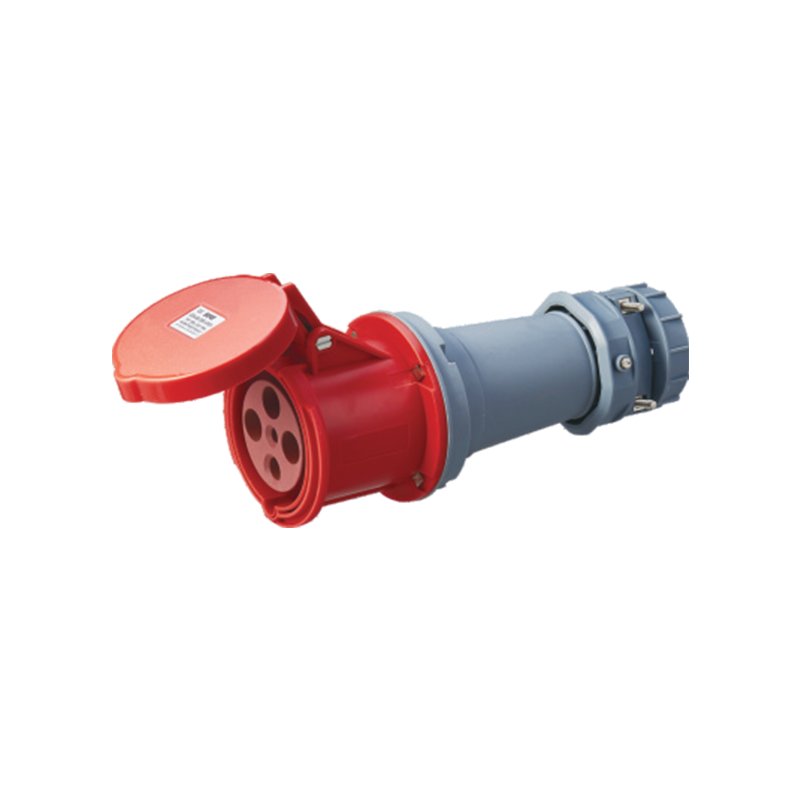
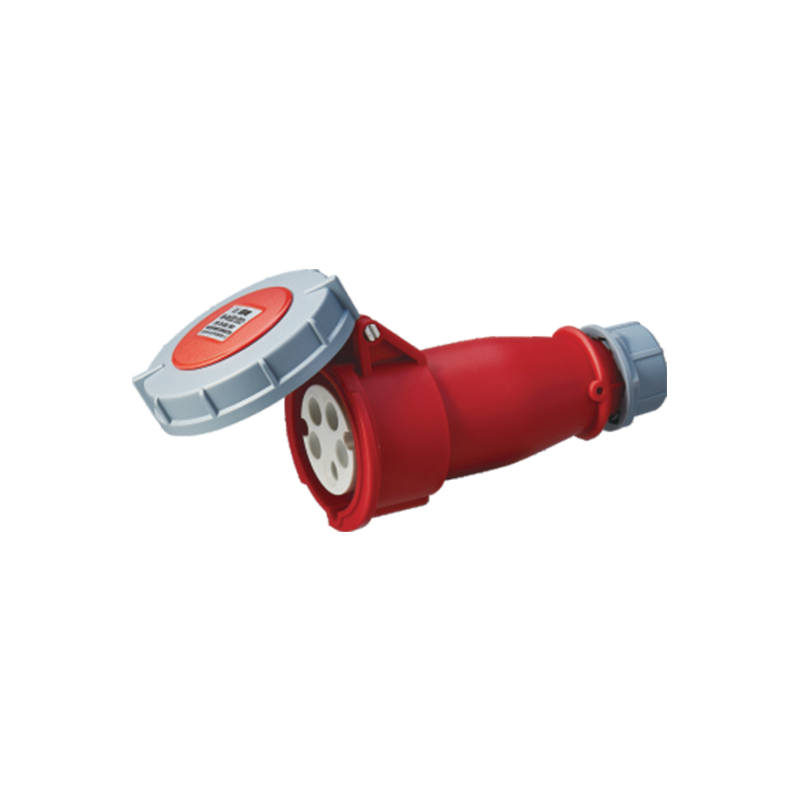
A 63A industrial plug is a heavy-duty connector designed to carry up to 63 amperes continuously (within its rated conditions). In many markets, "63A industrial plug" typically refers to IEC 60309 (CEE) plugs and sockets, recognizable by their rugged housings and keyed pin layouts that reduce misconnection.
How it differs from household plugs
Industrial connectors are built for:
- Higher current and longer duty cycles
- Stronger mechanical retention (less chance of partial insertion and arcing)
- Environmental protection (dust, splashes, outdoor exposure)
- Standardized keying by voltage/frequency and pin configuration
In practice, that means safer power delivery in harsh or high-use environments—exactly where failures cost the most.
Core Benefits of 63A Industrial Plugs (Why Engineers Specify Them)
The advantages aren't just about "more amps." The real benefits show up in reliability, safety margin, and operational simplicity.
1) High-load capability with headroom
A 63A connector comfortably supports:
- large motors and pumps
- commercial kitchen equipment
- EV charging and heavy workshop loads
- temporary power distribution for events and construction
When loads approach the limits of smaller connectors, contact heating and wear accelerate. Moving to 63A often reduces stress and improves uptime.
2) Safer mating through keying and pin design
IEC-style 63A plugs are usually keyed so a connector meant for one voltage/pin arrangement won't mate with an incompatible socket. This helps prevent:
- accidental cross-voltage connections
- phase miswiring in mixed systems
- costly "it fit, so we assumed it was fine" mistakes
3) Better mechanical durability in real-world handling
Industrial sites don't treat connectors gently. 63A plugs are designed for:
- frequent insertions/unplugging
- vibration
- cable pull and impact
- strain relief that protects terminations
4) Environmental protection (IP ratings)
Many 63A connectors are available with higher ingress protection options—useful for:
- outdoor power drops
- wash-down areas
- dusty workshops
- agricultural buildings
The practical win is fewer corrosion issues, fewer trips due to moisture, and less connector degradation over time.
5) Site standardization and faster troubleshooting
Standardizing on a known connector family simplifies:
- spare parts inventory
- technician training
- labeling and distribution boards
- swapping equipment between bays or job sites
That's not just neatness—it's reduced downtime.
Common Configurations: Pins, Phases, and Typical Use Cases
A "63A plug" isn't one universal wiring pattern. The application determines the configuration.
Typical setups you'll see
- 3P+E (three-phase + earth/ground) for many motor and industrial loads
- 3P+N+E (three-phase + neutral + earth) when neutral is required (mixed loads, certain chargers, distribution panels)
- 1P+N+E (single-phase + neutral + earth) for high-power single-phase equipment in some facilities
A quick rule of thumb
If the equipment needs mixed-voltage auxiliaries, control circuits, or substantial single-phase loads inside a three-phase system, neutral is often required—pushing you toward 3P+N+E.
Because this is spec-sensitive, most projects confirm configuration from:
- the equipment nameplate
- the panel schedule and protective device
- local electrical code requirements and inspection practice
Applications: Where 63A Industrial Plugs Shine
The 63A category is popular precisely because it's versatile. Here are the environments where it's most commonly justified.
Construction sites and temporary power
- feeding site distribution boards
- tower cranes, compressors, welders (where applicable)
- rugged connectors that survive rough handling
Manufacturing and processing facilities
- powering large machines and motors
- moving equipment between production lines
- reducing unplanned downtime from connector failures
Warehouses and logistics hubs
- dock equipment and high-power tools
- flexible layouts where equipment may be relocated
Events, studios, and touring power
- stage and lighting distribution
- temporary panels and feeder runs
- fast setup/teardown with standardized connectors
EV charging and fleet depots (where applicable)
Depending on regional architecture, 63A connectors can support certain charging or distribution scenarios—especially for controlled industrial environments and temporary installations.
Safety and Compliance Considerations (What Pros Check First)
High current means high consequences. A 63A connector is only as safe as the system around it.
Key engineering checks
- Cable sizing and installation method (derating, ambient temperature, grouping)
- Correct overcurrent protection (breakers/fuses matched to cable and load)
- Earthing/grounding integrity and continuity testing
- Torque, stripping length, and termination quality (loose terminations = heat)
- Suitable IP rating for the environment and wash-down exposure
- Mechanical strain relief to prevent conductor fatigue
Avoid common field mistakes
- using 63A connectors as a "universal adapter" without matching the circuit design
- ignoring motor inrush or duty cycle
- mixing connectors that look similar but differ in keying/pin arrangement
Selection Tips: How to Choose the Right 63A Plug
Making a good choice is mostly about matching the connector to the real operating conditions.
A practical buyer checklist
- Current rating: true continuous load vs occasional peaks
- Voltage and frequency keying: match the system exactly
- Pin configuration: 1P/3P, neutral required or not
- IP rating: indoor dry vs outdoor wet vs wash-down
- Material quality: impact resistance, UV stability (outdoor), corrosion resistance
- Ergonomics: grip design, cable gland quality, strain relief
- Certifications and testing: aligned with the target market's compliance expectations
If you're sourcing at scale, working with an established manufacturer (for example, an industrial plug and socket producer like SHANGFENG) can help with consistency across batches, documentation, and long-term supply continuity—often overlooked until the maintenance team starts chasing mismatched parts.
A 63A industrial plug isn't simply a way to "get more power." Its real value is delivering electricity in a way that's predictable, repeatable, and safe—especially where dust, vibration, moisture, and continuous loads can punish weaker connections. When you specify the correct pin configuration, the proper voltage/keying, an appropriate IP rating, and match the connector to the right cable sizing and protective devices, the result is a noticeable jump in reliability: fewer hot joints, fewer nuisance interruptions, and smoother day-to-day operations.
That's the standard approach at SHANGFENG, a dedicated 63A industrial plug factory, where the focus is on producing connectors suited to demanding field conditions and consistent project use. With the right specification and a dependable manufacturing partner, a 63A connector becomes a practical upgrade for higher-load equipment—built to keep systems running with confidence rather than constantly being checked "just in case."
