
 English
 Español
 中文简体
中文简体

Address: No. 199, Weiwu Road, Yueqing Economic Development Zone, Zhejiang Province, China.
Plug and socket standards look deceptively simple—until you try to ship equipment across borders, outfit a hotel for international guests, or design a product that has to pass compliance in multiple regions. What changes from country to country isn't just the plug shape; it's the voltage, frequency, grounding method, safety shutters, industrial connector systems, and certification rules.
Why Plug and Socket Standards Differ (and Why It Matters)
National standards evolved around early grid designs, safety philosophies, and building practices. Today, the impact is very real:
- Product compatibility: a device may physically connect but be electrically incompatible
- Safety and liability: improper adapters can bypass earth/ground or overload wiring
- Procurement and maintenance: standardized sites reduce downtime and spare-part chaos
- Export readiness: compliance marks and test reports depend on the target market
In short: plug shape is the visible part; the electrical system behind it is the real constraint.
The Non‑Negotiables: Voltage, Frequency, and Power
Before comparing plug types, confirm the supply characteristics.
Common household supply patterns
- Most of Europe, UK, much of Asia, Africa, Oceania: ~230V, 50Hz
- US, Canada, parts of Latin America: ~120V, 60Hz (often with 240V available for large appliances)
- Japan: ~100V, 50/60Hz depending on region
- Some markets (e.g., parts of the Caribbean/Middle East): mixed systems in practice
Why frequency matters
Many modern electronics are fine on 50/60Hz, but some equipment (motors, timers, certain HVAC components) can run hot, run slow/fast, or fail if frequency is wrong.
The Major Domestic Plug Families (Global Overview)
There are many national variants, but a handful of families cover most everyday use cases.
Widely encountered standards
- Type A/B (North America, Japan-style variants)
- Type C/E/F (Continental Europe "Europlug" ecosystem)
- Type G (UK, Ireland, several former Commonwealth markets)
- Type I (Australia, New Zealand, parts of Asia)
- Type J (Switzerland and Liechtenstein)
- Type K (Denmark and Greenland)
- Type L (Italy and some neighboring use cases)
- Type M / Type D (South Africa/India-related legacy and region-specific use)
Rather than memorizing shapes, buyers often need: where it's used, grounding style, and typical current rating.
Comparison Table: Common Plug Types by Region and Key Traits
This table is a high-level guide to the most common domestic standards. Always verify local requirements for your exact country and application.
|
Plug Type |
Where You’ll Commonly See It |
Grounding / Safety Traits |
Typical Use Notes |
|
A |
US, Canada (older), Mexico, Japan (variant) |
Usually ungrounded (two flat pins) |
Often for low-power devices; not ideal for appliances needing earth/ground |
|
B |
US, Canada, Mexico |
Ground pin included |
Standard for many grounded devices; works with 120V systems |
|
C |
Most of Europe (as a plug), many countries worldwide |
No earth (two round pins) |
Common on double-insulated devices; mates with several European sockets |
|
E / F |
Continental Europe |
Earth via pin (E) or side contacts (F) |
Core European grounded ecosystem; very common for appliances |
|
G |
UK, Ireland, Malta, Cyprus, others |
Fused plug, shutters common |
Strong safety model; plug fuse affects appliance protection strategy |
|
I |
Australia, New Zealand, China (variant) |
Angled flat pins, earth pin |
Common in Oceania and some Asian markets |
|
J |
Switzerland |
Recessed socket; defined pin layout |
Compact, safety-focused; not interchangeable with most EU plugs without adapters |
|
K |
Denmark |
Grounding method differs from E/F |
Seen mainly in Denmark; adapters often required |
|
L |
Italy |
Inline round pins (multiple ratings exist) |
Can be confusing due to different current versions; check device rating |
|
D / M |
India (D), South Africa and some regions (M) |
Larger round pins in many versions |
Often higher-current legacy patterns; common in certain markets/buildings |
The key takeaway from the table: "Europe uses one plug" is a myth. Type C is widespread, but grounded standards diverge (E/F vs G vs J vs K vs L).
Industrial Standards: Where Global Consistency Improves
Domestic plugs dominate homes, but industrial connectors are where international harmonization is strongest.
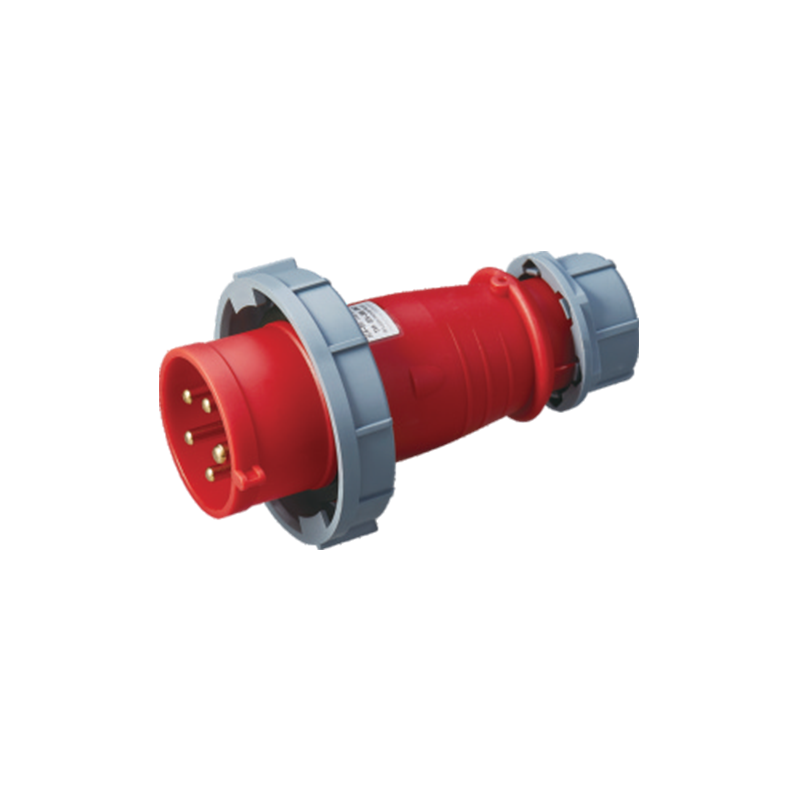
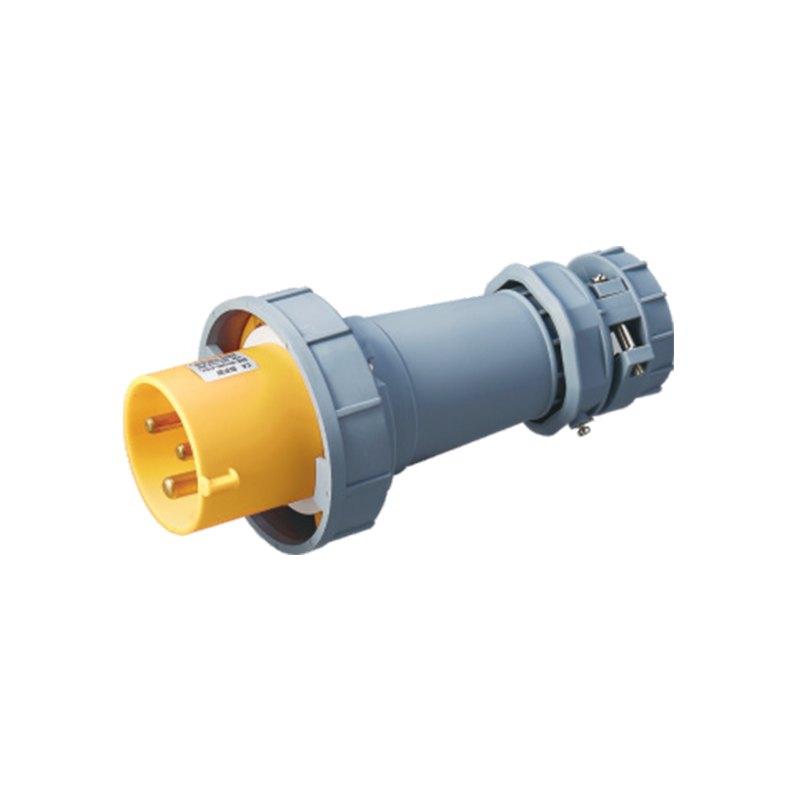
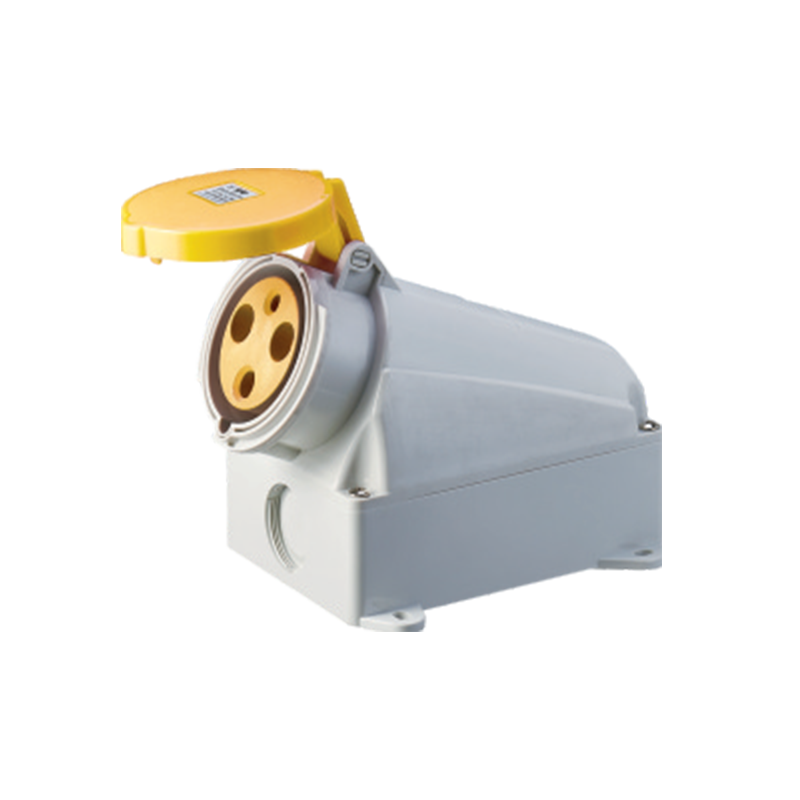
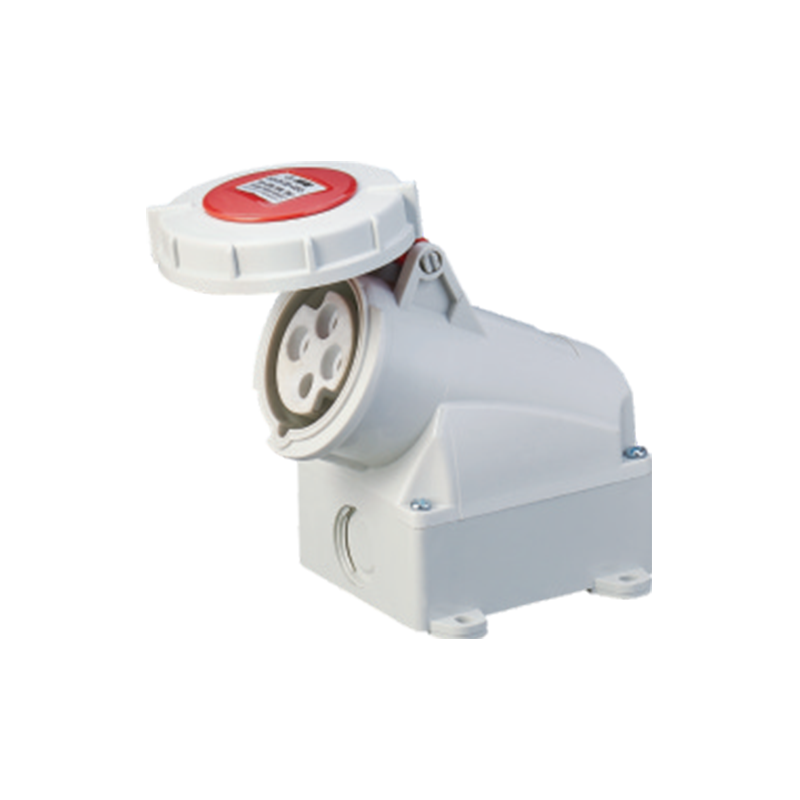
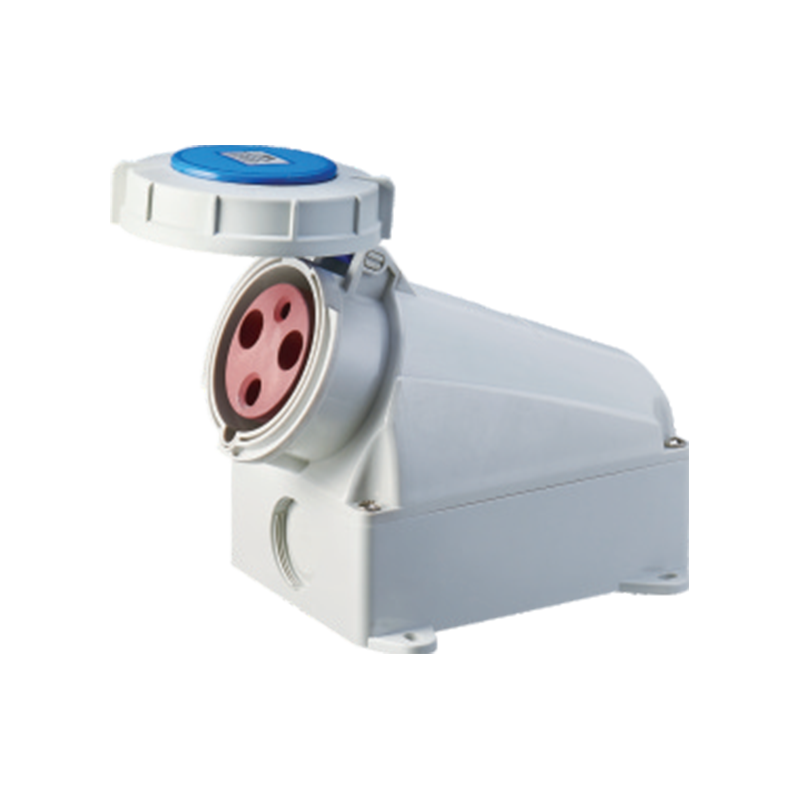
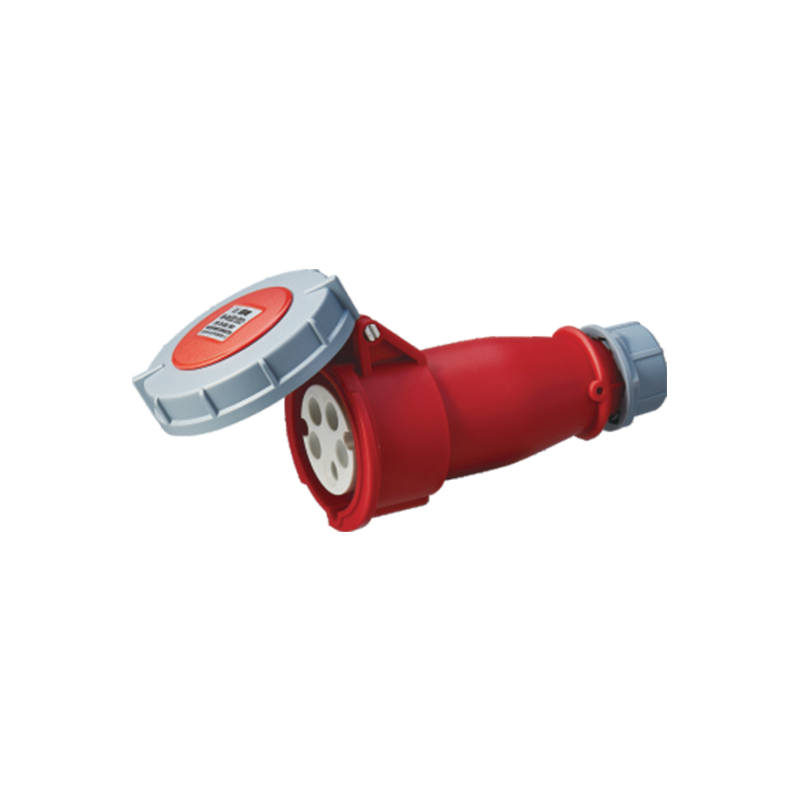
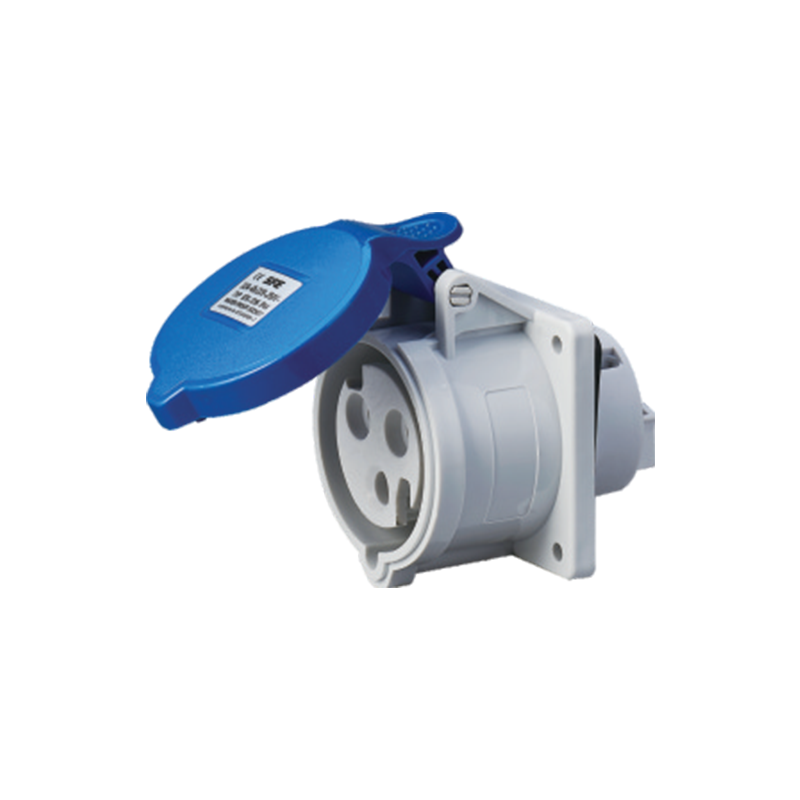
IEC 60309 (pin-and-sleeve / CEE)
Used widely across Europe and many global industrial sites, IEC 60309 connectors are favored because they provide:
- voltage and configuration keying (reduces mis-mating)
- higher current options and robust housings
- IP ratings for dust/water environments
- variants for single-phase and three-phase power
If you're specifying power for factories, outdoor events, workshops, generators, or construction sites, IEC 60309 is often the most globally "portable" industrial ecosystem—though regional approvals still matter.
Grounding/Earthing Differences That Affect Safety
Grounding isn't standardized worldwide in the same way plug shapes are.
Common approaches
- Dedicated earth pin (e.g., Type B, Type G)
- Side earth contacts (common in Type F)
- Earth pin in socket (common in Type E)
- Fused plug model (Type G markets)
This matters for:
- surge protection performance
- EMI filtering and noise control (important for sensitive electronics)
- safety under fault conditions
A cheap travel adapter may provide "fit," but not always a safe earth connection.
Current Ratings, Wire Size, and Real Load Limits
Two sockets that look similar can support very different loads based on national wiring norms.
- Some standards are commonly used at 10A, others routinely at 13A–16A.
- Extension cords and adapters can become the weak link even when the wall socket is robust.
- Continuous high loads (heaters, kettles, dryers, EV charging) demand conservative sizing and proper connectors.
For business sites, it's safer to specify connectors based on load profile (continuous vs intermittent), not just nameplate wattage.
Travel vs Business vs Product Design: Different "Best" Answers
For travelers
- Prefer a certified travel adapter (mechanical fit) plus a proper voltage converter only when needed.
- Check whether your charger is 100–240V compatible (many are).
For facilities and hotels
- Avoid loose universal outlets in high-use areas unless they're approved and correctly installed.
- Standardize where possible and offer dedicated, clearly labeled options.
For product manufacturers and exporters
Plan early for:
- region-specific cord sets (replaceable leads can simplify SKUs)
- approved components and documentation for each market
- testing strategy (safety, EMC, and plug/cord requirements)
Consider appliance inlets (IEC-style inlets) when appropriate, allowing regional detachable cords.
Practical Guidance: How to Choose the Right Standard for Your Use Case
- When comparing plug and socket standards globally, focus on these questions:
- Where will it be used? Country is necessary but not sufficient (buildings can be non-standard).
- What's the supply? Voltage and frequency determine whether the device can operate safely.
- Does it require earth/ground? If yes, avoid adapters that defeat grounding.
- What's the load profile? High continuous loads require robust connectors and wiring.
- What compliance applies? For businesses, approvals and correct installation matter as much as compatibility.
Global plug and socket standards are a patchwork shaped by history, safety philosophy, and grid design. The safest way to compare them is to look beyond the plug face and match electrical system (voltage/frequency), grounding method, current rating, environment, and compliance. Once those five are aligned, the "right" connector choice becomes clear—and your equipment becomes far easier to operate, maintain, and scale across regions.
