
 English
 Español
 中文简体
中文简体

Address: No. 199, Weiwu Road, Yueqing Economic Development Zone, Zhejiang Province, China.
Choosing a plug and socket for heavy‑duty appliances is one of those behind-the-scenes decisions that determines whether equipment runs quietly for years—or starts tripping breakers, overheating connectors, and generating "mystery downtime." Heavy loads stress connections in ways ordinary household gear never will, so the safest approach is to pick a connector system that matches your power supply, environment, duty cycle, and compliance requirements, then install it with the same care you'd give the appliance itself.
What Counts as a "Heavy‑Duty Appliance" (and Why It Changes the Rules)
"Heavy‑duty" usually means one or more of the following:
- High continuous power draw (space heaters, ovens, commercial washers/dryers, large refrigeration)
- High starting current from motors (compressors, pumps, conveyors, shop machines)
- Long duty cycles (running for hours, not minutes)
- Frequent connect/disconnect (rental equipment, mobile machinery, maintenance use)
- Harsh locations (outdoors, dust, washdown, vibration, chemical exposure)
These conditions amplify weak points—especially at the plug pins, terminals, and cable entry—so connector selection becomes a reliability decision, not a cosmetic one.
Step 1: Identify the Electrical Supply (Voltage, Phase, Frequency)
A heavy‑duty plug/socket must match the supply system first.
North America (typical scenarios)
- 120V single‑phase (many tools, small appliances)
- 240V split‑phase (ranges, dryers, larger HVAC components)
- Some sites also use 208V (commercial buildings) and three‑phase for motors
Europe / UK and many other regions
- 230V single‑phase is common for heavy appliances
- 400V three‑phase is common for industrial motors and process loads
Practical point: Don't treat "it fits" as "it matches." Many safer connector families physically prevent cross-connection between different voltages and configurations for exactly this reason.
Step 2: Choose the Connector Family (Domestic, Industrial, or Locking)
For heavy‑duty loads, the connector "ecosystem" matters because it determines durability, safety features, and availability.
Domestic-style plugs (limited heavy-duty use)
They can be acceptable for certain fixed appliances when allowed by local code and when the circuit is properly designed, but they're usually not ideal for harsh environments, frequent plugging, or industrial settings.
Industrial pin-and-sleeve (common choice in Europe and globally)
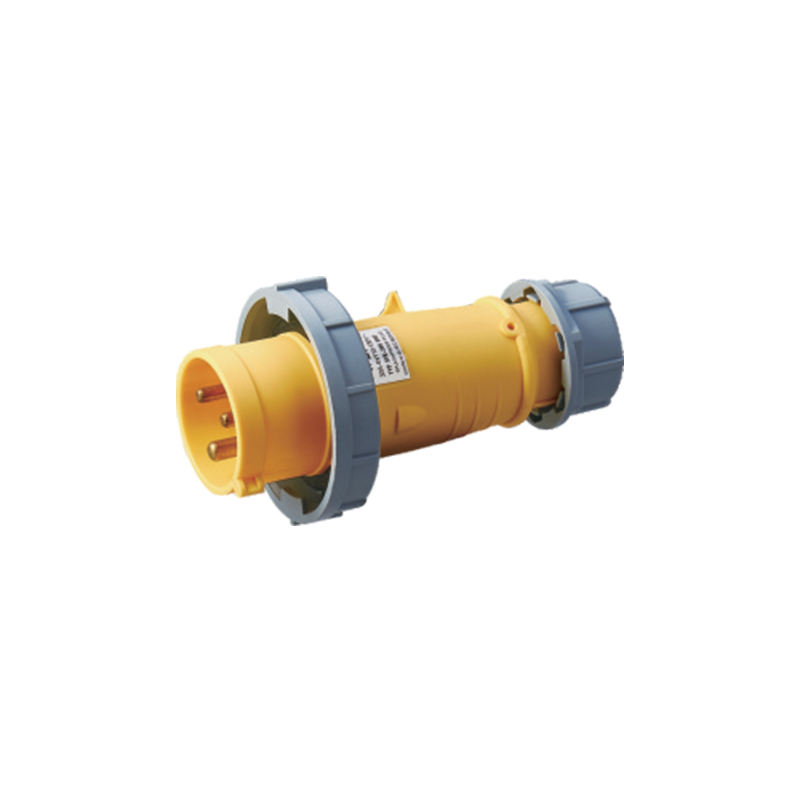
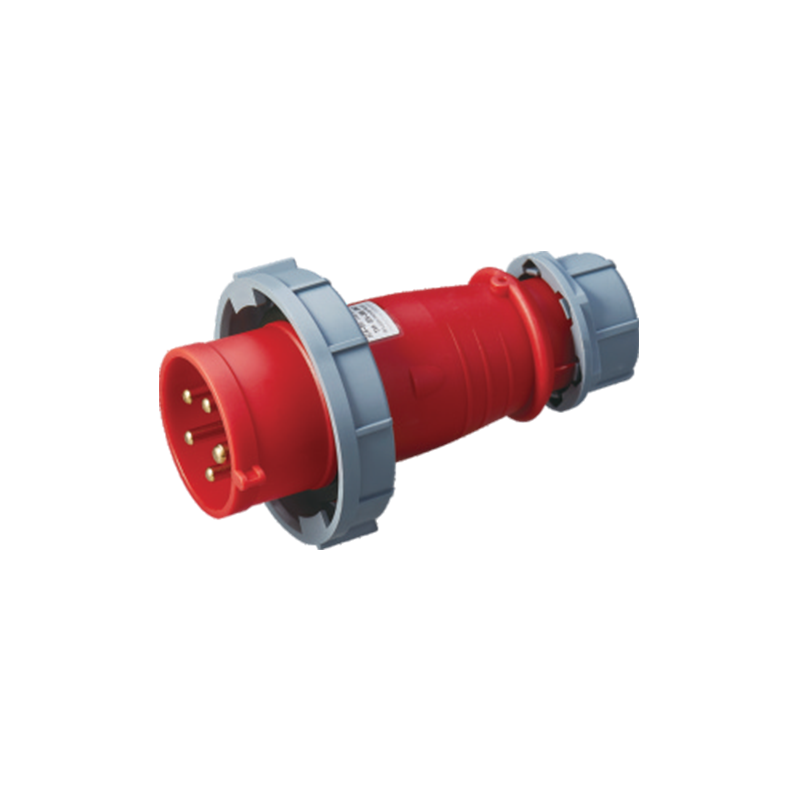
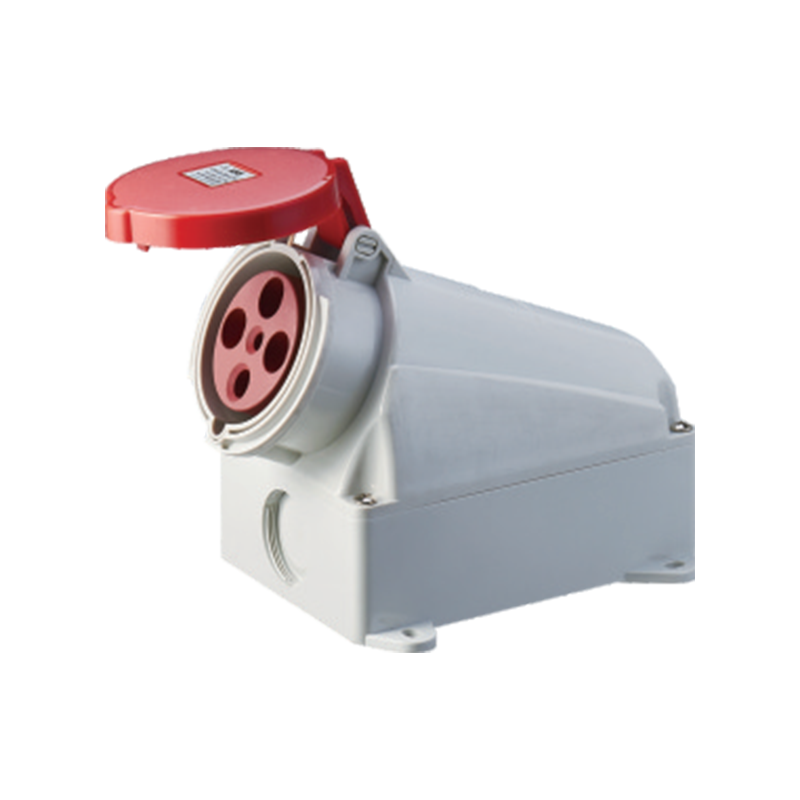
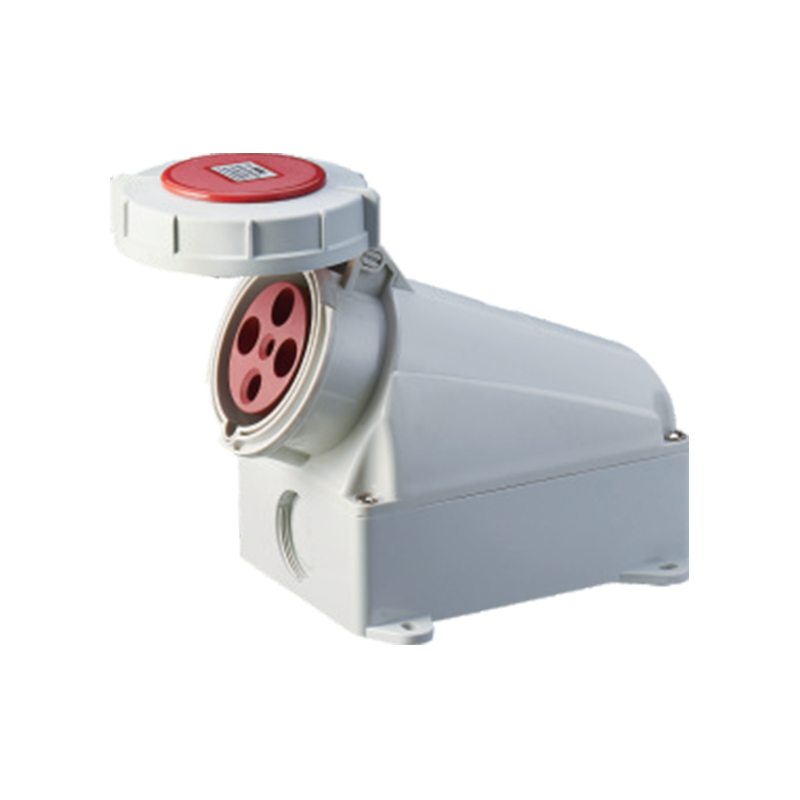
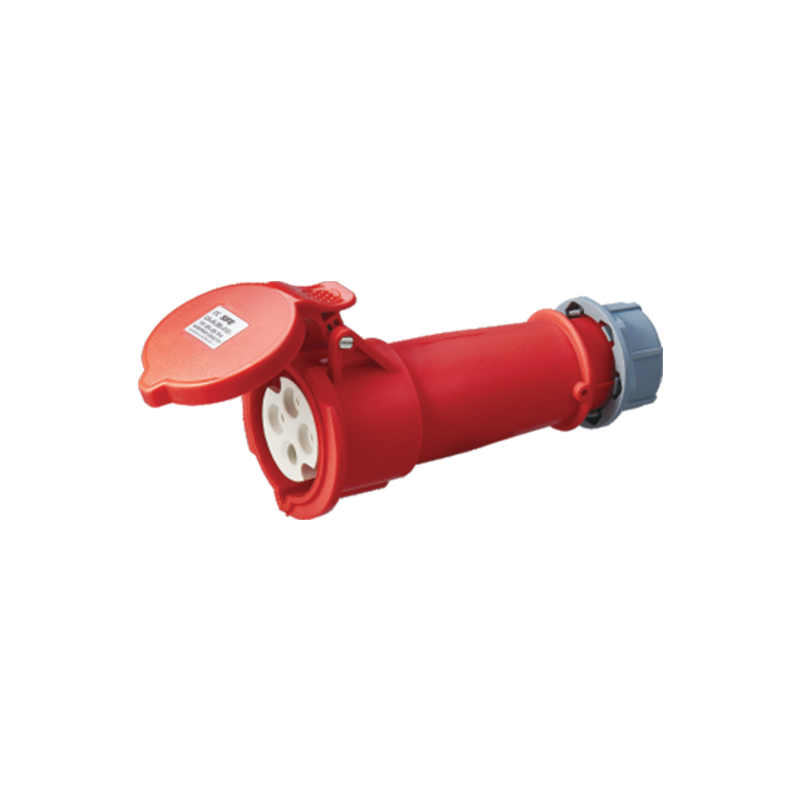
IEC 60309 (often called CEE) is widely used for heavy-duty equipment because it offers:
- robust housings and contacts
- clear configuration keying (reduces wrong connections)
- strong IP-rated options for outdoor/wet areas
- availability of interlocked switched sockets
Locking connectors (common in North America for certain applications)
Locking styles (e.g., twist-lock families) reduce accidental unplugging and partial insertion—two frequent causes of overheating and arcing under load.
Rule of thumb: If the appliance is moved, serviced often, used outdoors, or operated by multiple people, industrial/locking connectors usually pay for themselves quickly.
Step 3: Match the Environment (IP Rating, Wet Locations, Heat, Chemicals)
Heavy-duty appliances are often installed where conditions are unforgiving.
Ingress protection (dust and water)
Indoor, dry, protected: basic industrial housings may be fine
Outdoor, dusty, washdown: prioritize sealed connectors with high ingress protection and quality gaskets
Temperature and proximity to heat sources
Connectors near ovens, boilers, or hot equipment need:
- heat-tolerant materials
- routing that avoids radiant heat and hot panels
- enough space to prevent cable jacket degradation
Corrosion and chemicals
In coastal or chemical environments, choose:
- corrosion-resistant hardware
- suitable plastics/elastomers for oils and cleaning agents
- sealed cable glands to keep contaminants out
Step 4: Decide on Safety Features (Interlocks, Shutters, Strain Relief)
Heavy-duty loads raise the cost of mistakes, so safety-by-design is valuable.
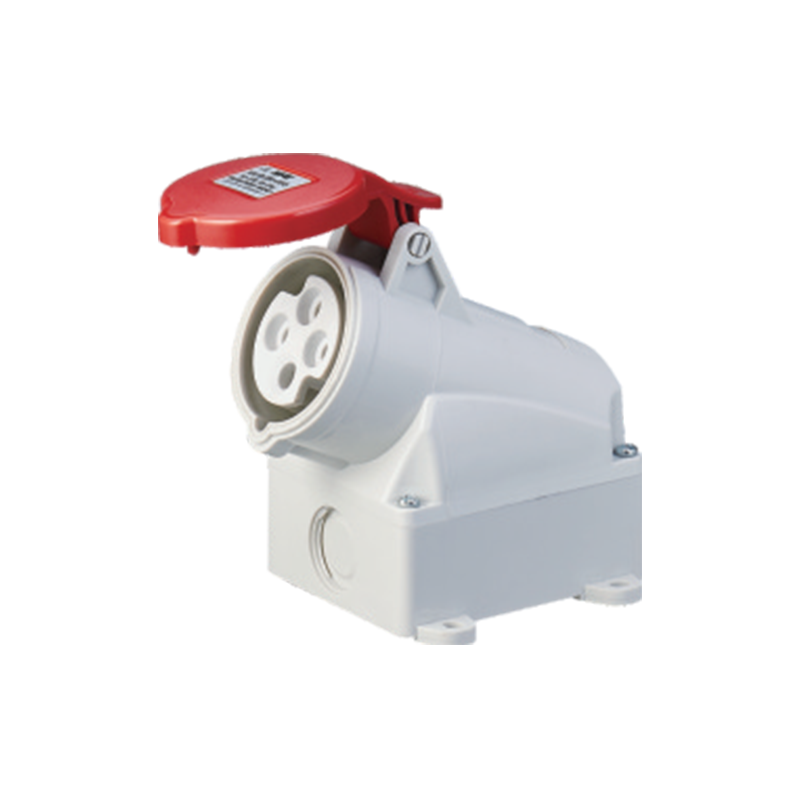
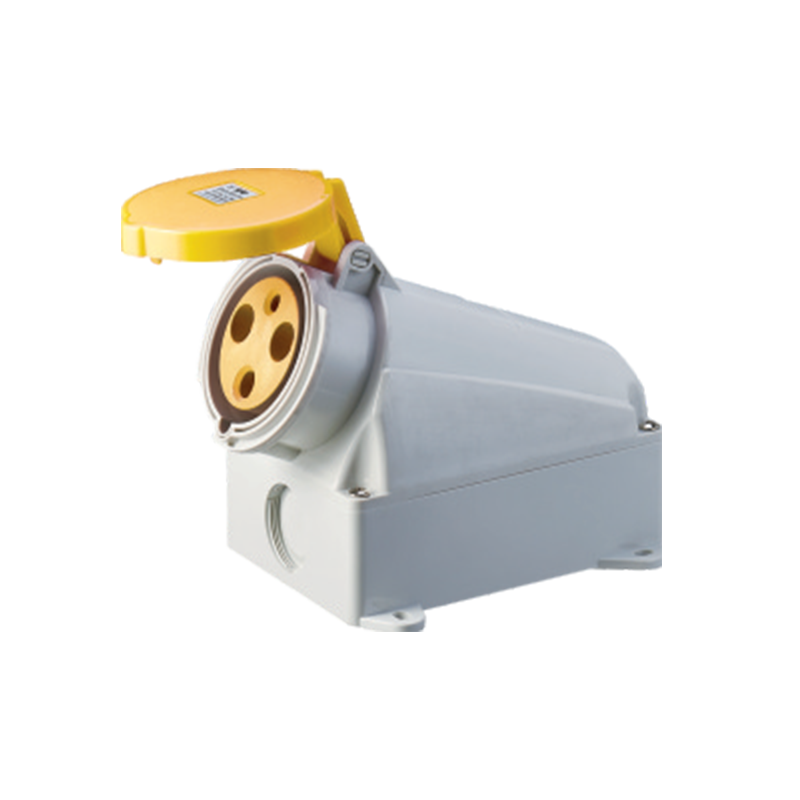
Switched interlocked sockets (industrial best practice)
An interlocked socket typically ensures:
- you can't unplug under load (reduces arcing)
- the isolator is OFF before disconnection
- procedures are consistent across teams
Strain relief and cable retention
A good connector should include:
- a properly sized cable gland or clamp
- robust bend protection
- secure internal termination that resists vibration
Tamper resistance and protective covers
In public-facing or shared spaces, consider:
- tamper-resistant receptacles (where applicable)
- hinged covers, boots, and caps to keep debris out
Step 5: Think Beyond the Plug: Cable, Termination, and Installation Quality
A heavy-duty connector can still fail if the install is weak.
Cable selection matters
- Use cable rated for the environment (oil-resistant, UV-resistant, flexible as needed)
- Ensure the outer diameter matches the connector gland range for a real seal
- Avoid sharp bends and unsupported weight near the plug body
Termination and torque
Loose terminations create resistance, which creates heat. For heavy loads:
- follow manufacturer torque specs
- re-check after initial commissioning (especially in vibration environments)
Mounting and mechanical protection
For fixed sockets:
- use solid mounting surfaces
- protect against impact from carts, forklifts, or doors
- consider recessed or guarded mounting where damage is likely
Compliance and Market Expectations (EU/UK vs US/Canada)
Search behavior and procurement requirements vary by region, but the core expectation is the same: use listed/approved components.
Typical expectations
- EU/UK: products aligned with common IEC/EN practice; CE/UKCA conformity where required
- US/Canada: UL/CSA listed devices and installation aligned with applicable electrical codes
For industrial sites, documentation matters: datasheets, ratings, and clear markings make audits, maintenance, and replacements far easier.
Common Heavy-Duty Scenarios (and What Usually Works)
Here's a practical mapping of typical applications to connector features.
|
Use Case |
Best-Fit Plug/Socket Traits |
Why It Helps |
|
Commercial kitchen equipment (high heat, grease, cleaning) |
Robust industrial connector, sealed where needed, heat-conscious routing |
Reduces degradation and loosening over time |
|
Large motors (compressors, pumps) |
Heavy-duty contacts, secure terminations, optional locking/interlock |
Handles vibration and start/stop stress |
|
Outdoor machinery |
High IP rating, corrosion-resistant hardware, in-use covers |
Resists water ingress and UV damage |
|
Rental/portable equipment |
Locking style + strong strain relief + impact resistance |
Survives frequent handling and misuse |
|
Multi-user facilities |
Standardized connector family + interlocked sockets |
Reduces wrong connections and unsafe unplugging |
Buying Checklist (Fast, Practical)
When specifying a heavy-duty plug and socket, confirm:
- Supply match: voltage + phase + frequency
- Connector family: industrial/locking where movement, exposure, or frequent use is expected
- Environment rating: dust/water sealing appropriate for the location
- Mechanical features: strain relief, impact resistance, corrosion resistance
- Safety controls: interlocked sockets for high-risk or multi-user sites
- Compliance: listed/approved for your market; clear markings and documentation
- Serviceability: availability of spares, caps, inlets, panel mounts, and matching accessories
The right plug and socket for heavy‑duty appliances isn't the one that merely fits—it's the one that stays cool, tight, sealed, and correctly matched through years of vibration, heat, moisture, and real-world handling. When you standardize on a proven connector family, match environmental protection to the job, and install with proper terminations and strain relief, you eliminate a huge slice of preventable failures and keep your equipment doing what it was purchased to do: work.
