
 English
 Español
 中文简体
中文简体

Address: No. 199, Weiwu Road, Yueqing Economic Development Zone, Zhejiang Province, China.
Choosing a 230V industrial plug and socket is one of those decisions that looks minor on a purchase order—but ends up shaping safety, uptime, and maintenance headaches for years. The good news is that once you focus on a few technical "must-match" details (standard, pin configuration, ingress protection, and duty cycle), the right option becomes obvious.
What "230V Industrial Plug and Socket" Usually Means
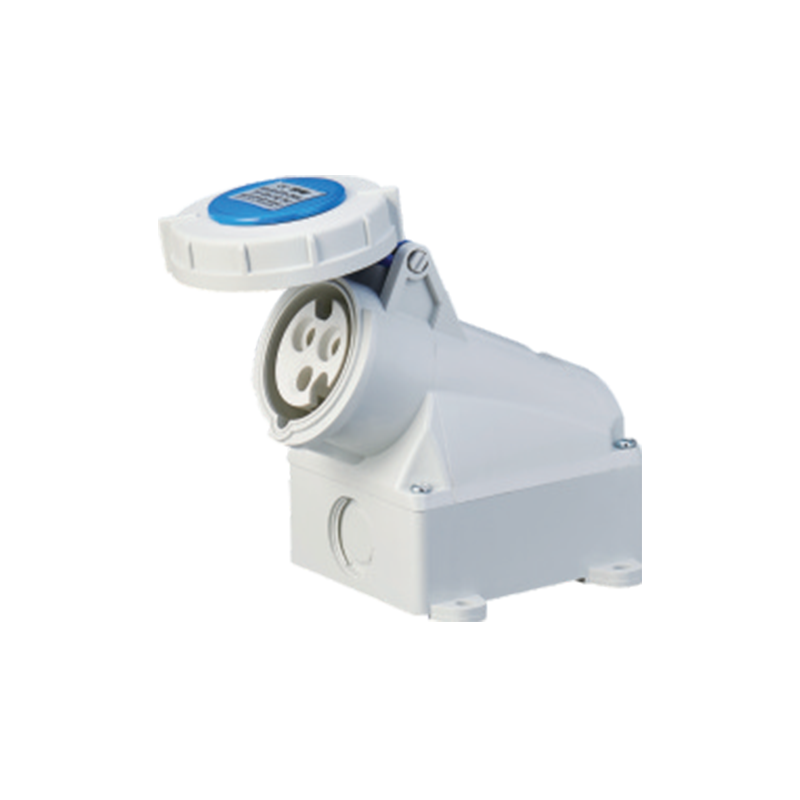
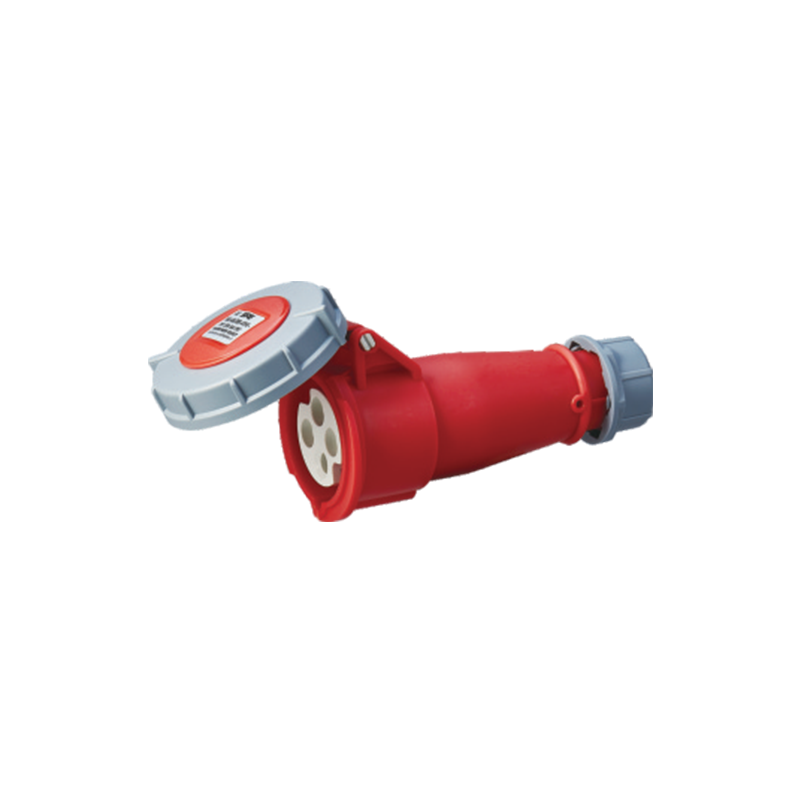
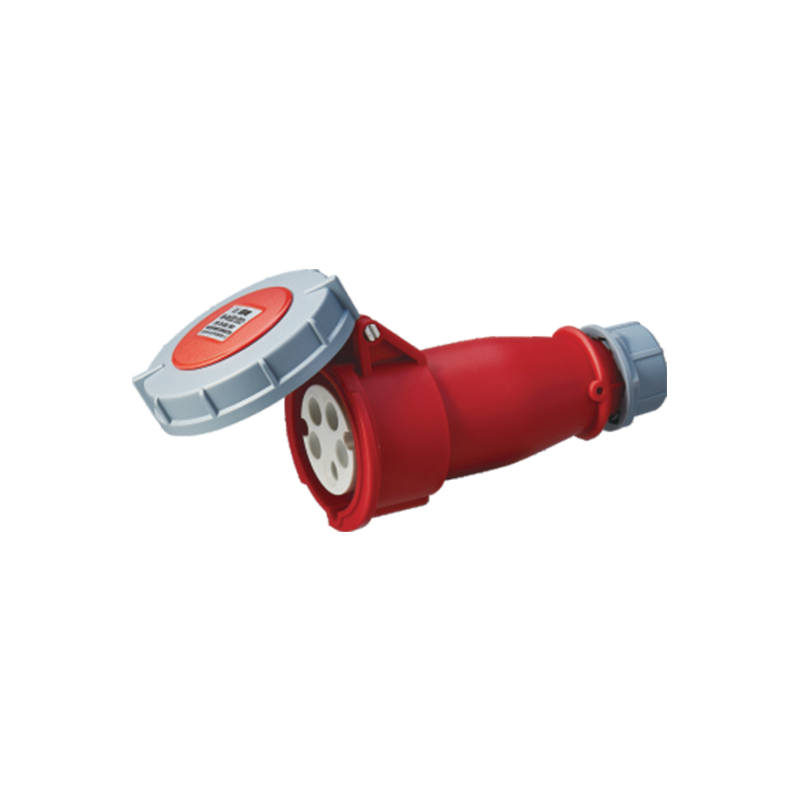
In most commercial and industrial settings, "230V industrial" refers to connectors built around IEC 60309 (often called CEE plugs/sockets). They're designed for:
- Higher mechanical robustness than domestic plugs
- Clear voltage and configuration keying to reduce mis-mating
- Better performance in dust, moisture, vibration, and frequent use
- Safer maintenance workflows (especially with switched interlocked sockets)
If your business uses temporary power, mobile equipment, workshops, outdoor machinery, site cabins, or washdown areas, IEC 60309 is typically the default choice.
Step 1: Confirm the Correct Standard and System Compatibility
The first filter is compatibility—both technical and regulatory.
IEC 60309 vs "heavy-duty domestic" solutions
- IEC 60309 is the common industrial ecosystem: standardized dimensions, keying, accessories, and IP-rated housings.
- "Heavy-duty" domestic-style connectors may be cheaper, but they usually lack the same environmental sealing, keying, and long-term durability.
230V single-phase vs other site voltages
Most 230V industrial applications are single-phase. Many sites also have 400V three-phase, and mixing systems is where selection mistakes happen. A good connector strategy keeps 230V circuits physically distinct from 400V circuits.
Step 2: Choose the Right Poles (Pins) and Earth Arrangement
For 230V single-phase, the most common configurations are:
- 2P+E (Live + Neutral + Earth)
- 2P is uncommon for industrial use because protective earth is usually required
For mixed systems or special cases, you may also see:
- 3P+E (three-phase without neutral)
- 3P+N+E (three-phase with neutral)
Quick reference table (most common IEC 60309 choices)
|
Typical Use Case |
Recommended Configuration |
Why It Fits |
Common Add-Ons |
|
General 230V tools, site cabins, workshop equipment |
230V 2P+E |
Standard single-phase supply with protective earth |
IP44 or IP67, robust strain relief |
|
Outdoor temporary power, event power, construction sites |
230V 2P+E |
Withstands frequent connect/disconnect in harsh weather |
IP67, impact-resistant housing |
|
Industrial cleaning / washdown areas |
230V 2P+E |
Better sealing and corrosion-resistant hardware |
IP67, stainless fasteners |
|
Multi-voltage facilities (230V + 400V areas) |
Separate 230V 2P+E circuits |
Prevents cross-connection through mechanical keying and color coding |
Interlocked switched sockets |
A simple rule: match the plug/socket pole configuration to the supply and load, and avoid "making it work" with adapters in permanent installations.
Step 3: Pick the Right IP Rating for the Environment
Ingress protection is where industrial connectors earn their keep.
- IP44: splash-resistant; suitable for indoor workshops or light outdoor exposure
- IP67: dust-tight and protected against temporary immersion; ideal for outdoor, washdown, and dirty environments
If your connector will live outdoors year-round, see hose-down cleaning, or sit near dust and debris, IP67 is usually the safer long-term choice even if it costs a bit more.
Step 4: Decide Between Standard vs Switched Interlocked Sockets
For business use, this is often the most important "upgrade" decision.
Standard socket (unswitched)
Best for:
- controlled indoor environments
- trained users
- applications where disconnection under load is unlikely or managed
Switched interlocked socket (socket + isolator)
Best for:
- busy sites with many users
- equipment that's frequently moved or serviced
- situations where "someone will unplug it live" is not a hypothetical
Interlocked sockets reduce arcing risk and improve procedures because the workflow becomes consistent: OFF → unplug → plug → ON.
Step 5: Choose Housing, Materials, and Mechanical Features for Real-World Use
A 230V industrial plug/socket doesn't fail only electrically—it often fails mechanically first.
What to look for in good industrial-grade hardware
- Impact-resistant body (especially for mobile tools and site use)
- Strong cable gland / strain relief to prevent conductor fatigue
- Secure terminal design (vibration and repeated handling matter)
- Corrosion resistance (stainless hardware, appropriate plating, UV-stable plastics)
Indoor vs outdoor mounting style
- Surface-mount sockets for walls, columns, plant rooms, and service areas
- Panel-mount sockets for distribution boards and machine panels
- Inline connectors for extension leads and portable equipment
Step 6: Compliance, Markings, and Procurement Checks
For EU/UK-style purchasing and compliance expectations, verify:
- Clear voltage and current markings on the product
- Proper conformity for your market (commonly CE in the EU, UKCA in Great Britain)
- Manufacturer documentation (datasheets, installation instructions, ratings)
If the connector will be used in special environments (e.g., explosive atmospheres, food processing chemical washdown, marine/coastal), requirements can change—confirm suitability before standardizing.
Installation and Maintenance Tips That Reduce Downtime
Even the best connector underperforms with poor installation.
- Use the correct cable outer diameter for the gland range (sealing depends on it).
- Torque terminals to the manufacturer spec; re-check after commissioning in high-vibration areas.
- Keep a simple inspection routine: heat discoloration, loose latch/cover, cracked housings, damaged seals.
- Standardize across the site where possible—fewer variants means fewer mistakes and faster repairs.
A Practical Buying Checklist (Fast Internal Spec)
When you're ready to order, lock these items:
- Standard: IEC 60309
- Voltage: 230V
- Configuration: typically 2P+E (confirm load requirement)
- Current rating: match your circuit design and protection (site standardization helps)
- IP rating: IP44 indoor / IP67 harsh or outdoor
- Mounting: surface / panel / inline
- Safety feature: interlocked switched socket where user turnover is high
- Materials: corrosion/UV resistance appropriate for the location
The "right" 230V industrial plug and socket is the one that matches your supply configuration, survives your environment, and supports how your team actually works—especially when multiple users, outdoor exposure, and frequent servicing are involved. Standardizing on IEC 60309, selecting an appropriate IP rating, and using interlocked sockets where needed are the most reliable ways to improve safety and reduce operational friction.
